Bringing our world back to life
We're working hard to protect our wonderful world and with your support, we're making a difference.

Take action for our world

A Prescription for Nature

Adopt an animal as a gift
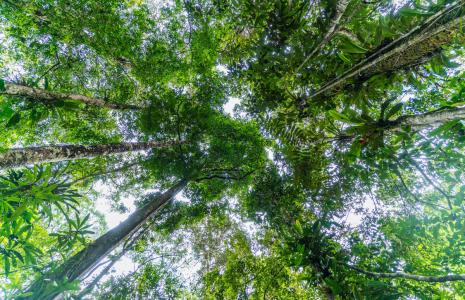
Protecting forests
About WWF

Founded in Switzerland, April 1961

Active in the UK and nearly 100 countries

Over 1.4 million UK supporters
We’re WWF, the leading global environmental charity, and we’re bringing our world back to life. With nature in freefall, we’re urgently tackling the underlying causes that are driving the decline, and we’re finding solutions so future generations have a world with thriving habitats and wildlife. It’s a huge challenge, but if we all act together, there is hope. Our strategy focuses on achieving four key outcomes.
Stop deforestation
Ending deforestation is critical for nature and the climate. We’re helping to slow deforestation and demonstrating solutions that can contribute to halting it by 2030.
We’re doing this by working alongside our colleagues in the Amazon, Borneo, Papua New Guinea and Western Congo to bring about laws that end deforestation. And we’re collaborating with local organisations in these countries to protect forests and manage them sustainably.
As food production is the single biggest cause of deforestation, we’re working with governments, businesses and financial institutions to make sustainable agriculture more rewarding than practices that damage the environment. And we’re supporting programmes in the Amazon region to showcase ways that agriculture can work without forest loss.
Deliver a sustainable future in the UK
We’re ensuring nature, climate and people are at the heart of decision-making.
We’re pushing the UK’s largest businesses to deliver robust plans that support nature and the climate, and pressing for regulation that forces them to act.
We’re also working with retailers, investors and food businesses to change our food system and holding them to account for their impact on nature and climate.
And we’re campaigning for a Living Planet Act – which will mean the UK government has to take joined-up action to stabilise the climate, protect and restore nature, and help farmers provide healthy, affordable food.
Bring nature back from the brink
We’re working to protect priority habitats and species, through conservation work that’s increasingly led by and benefiting Indigenous peoples and local communities.
We’re doing this by improving the health of ecosystems and connecting important habitats across landscapes and river basins, with a focus on the Himalayas, central India and east Africa.
We’re also protecting the polar oceans, where sea ice is rapidly disappearing, to give wildlife that depend on snow and ice the best chance of survival.
And we’re addressing drivers of nature loss to protect and increase populations of priority species, including elephants, jaguars, marine turtles, mountain gorillas, river dolphins and tigers.
Inspire public action for nature
We won’t succeed unless we have public support for change. We’re campaigning to inspire people to take action for nature and climate. And we’re mobilising that public support to compel governments and businesses to act.
We’re doing this by collaborating with corporate and cultural partners to reach new audiences and engage them in a mass movement for change. We’re also developing a supporting programme for schools and young people to inspire the next generation to act.
Join actor, presenter, and WWF ambassador, Cel Spellman as he discovers how every one of us can make a difference in the fight to save our planet.
In each episode, Cel meets a familiar face from the worlds of sport or entertainment, and teams up with a top wildlife expert to dig deeper into the threats we’re facing. What’s the real impact of climate change, single use plastic, food choice or fast fashion on our planet? And most importantly of all: what can we do to help?