

Unsustainable patterns of consumption and production have accompanied economic growth to date. This is one of the biggest drivers of environmental degradation, and biggest threats to our conservation goals.
Economic growth has come from resource exploitation. But this pattern of growth is becoming ever more difficult as the world’s resources fall under more and more pressure caused by economic and population increases. The environmental constraints to growth are becoming increasingly visible.
One Planet Economy
We have only one planet, and we are dependent on it. We need to find ways to live in a more sustainable way. For the benefit of us, our growing population and future generations. This is what we call a "one planet economy."
There are many solutions and approaches to achieving a one planet economy.
Fundamentally, we need to promote an economy that'll continue to generate benefits for future generations. This is different to the current approach that focused on short-term gains with little regard for the long term impacts of exploiting our natural resources.
Governments and businesses need to take the value of nature into account in their policy and investment decisions such as where to locate infrastructure and housing developments.
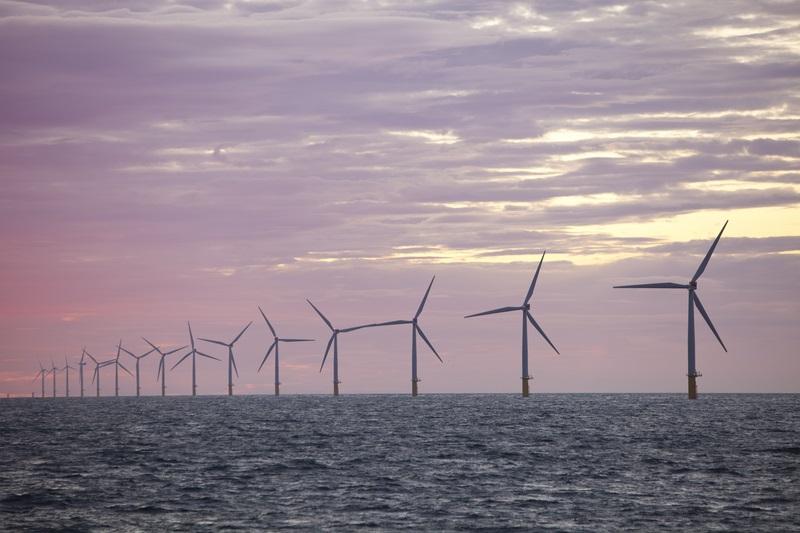
Financial markets need to properly take account of environmental risks when they make investment decisions. They need to think about the long-term sustainability of the businesses they're financing. Sustainable development pathways can be promoted, for example, by identifying opportunities for new industries and jobs that support sustainable patterns of development. This might include renewable technologies or jobs focusing on the sustainable forestry management.
WHAT WE'RE DOING
We're engaging with key stakeholders to influence their decisions and promote these kinds of solutions in the UK and internationally. For example, we published a Greener Budget Report with policy recommendations that would help to shift the UK onto a more sustainable economic pathway and have been engaging with the UK Treasury on these issues.
We've been helping to shape and support the implementation of policy frameworks which define and guide sustainable development such as the recently agreed UN Sustainable Development Goals.
We've been engaging with financial institutions and regulators to promote incorporation of climate change and environment related risks into investment decisions.
And, we've been working with governments in our priority areas of the world to promote more sustainable development pathways through better land use planning and sustainable natural resource management.