Promoting sustainable development
Not everyone sees the connection between tackling poverty and environmental protection – but we do…


Why we work on sustainable development
Poorer communities are most affected by environmental damage because they often depend most on natural resources. For instance, people living in or near a forest may rely on the forest for food, fuel and other resources, or even for their whole livelihoods. If the trees are cut down, to sell as timber or make way for farmland, it’s the local people who are most affected.
Sometimes poverty might push people into cutting down their own forests for cash, or poaching wildlife to make a living. We need to think about the causes, as well as the impacts, of environmental damage.
Pollution from farming, or rivers being redirected for hydropower, can leave poorer people in some areas without safe, clean water supplies. Coastal communities who rely on catching fish are at risk when seas are plundered on an industrial scale.
Poorer people are also less able to cope with natural or manmade disasters, including flooding and droughts – and of course that’s all made worse by climate change.
That’s why economic development has to go hand-in-hand with valuing and protecting the environment.
“The UN’s Sustainable Development Goals (SDGs) are an incredibly exciting agenda to work on. Signed in 2015 by 193 countries, these 17 goals have the power to create a safer, fairer world. I work with colleagues across our international network, and partners around the world, to make sure governments keep their SDG promises.”

Making global development sustainable
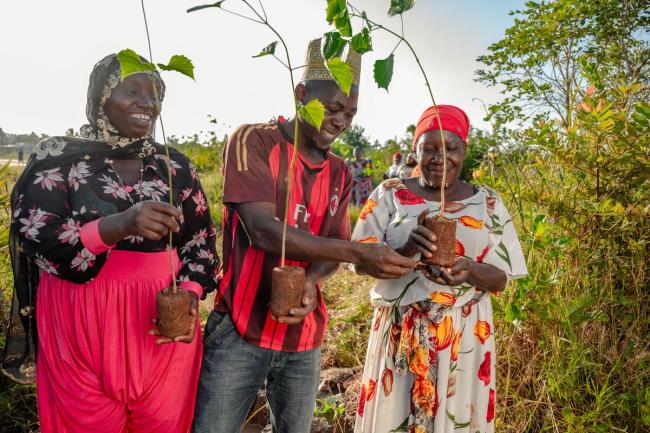
More than a billion people depend directly on local natural resources – land, water, forests, wildlife. We need to work with them to find the best ways to improve their livelihoods and reduce poverty, without sacrificing their precious environment.
Sometimes we may have technologies or ideas they might not be aware of, but equally we can learn a few things from their traditional knowledge of living in harmony with nature.
Our community-based projects show that, with local people involved, we can strike the delicate balance between development and conservation.

Helping shape the Sustainable Development Goals
We were closely involved in shaping the UN’s Sustainable Development Goals, to make sure they incorporate a lot of things we all care about – including forests, food, sustainable agriculture, oceans, water, energy and climate change. But there’s lots of hard work still to do. We’re building a network of partners and advocates around the world to make sure the ambition of the Sustainable Development Goals is matched by strong, effective action from governments everywhere.



What we're doing
-
Influencing policies in Brazil and Colombia
We constantly work with partners and governments to keep forests standing and halt climate change. See how we are helping.
-
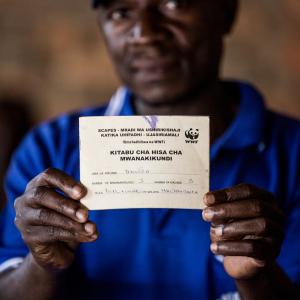
Transforming lives through community banks
Since 2006, we’ve established nearly 200 village-based savings and loans associations where local people can pool their savings and lend money to others.
-
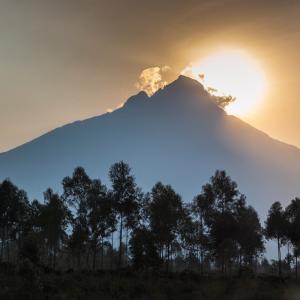
How we're holding the line in Virunga
We’re calling for all oil companies to stay out of Virunga National Park, and for the government to cancel all permits to explore for oil in the area.
-
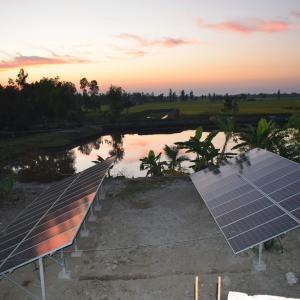
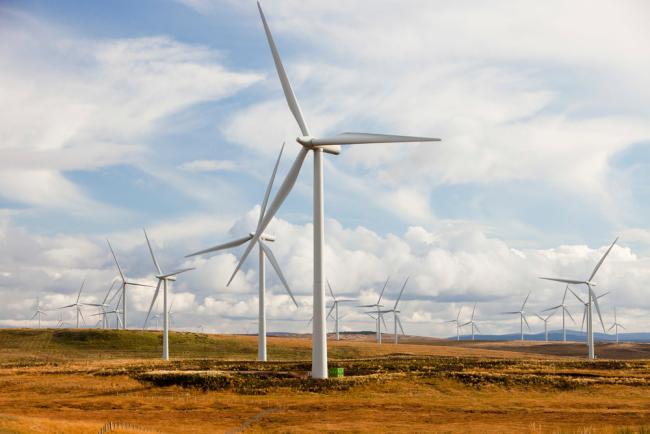
Energy Transition in Asia
The Climate Solutions Partnership aims to deliver impactful systemic change that will help scale climate solutions and accelerate the transition to net-zero.
-
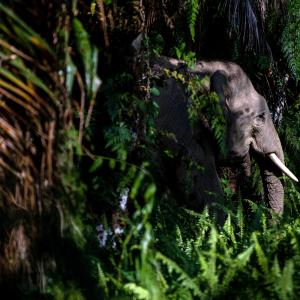
Making palm oil sustainable
WWF Malaysia works with plantations to help the endangered Borneo elephant move freely.
-
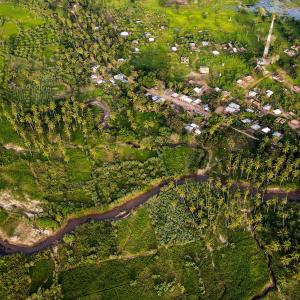
Helping to create Village Land Forest Reserves
In 2025, WWF-Tanzania supported the establishment of two new community-managed Village Land Forest Reserves (VLFRs).
-
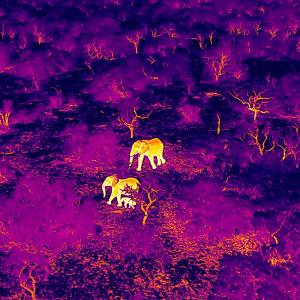
Tracking collared Elephants with drones
Eye in the sky - WWF-Kenya and Kenya Wildlife Service are monitoring collared elephants using drones.
/