Join Go Wild today!
You’re about to leave the Go Wild website!
Are you over 18, or with your parent or guardian?
If not, please click back to the previous page.
You’re about to leave the Go Wild website!
Are you over 18, or with your parent or guardian?
If not, please click back to the previous page.
Awesome Animals
Your guide to meeting some of the UK's most beautiful butterfly species
Discover more about some of the UK’s favourite butterflies in the handy guide below, then put your spotting skills to the test.
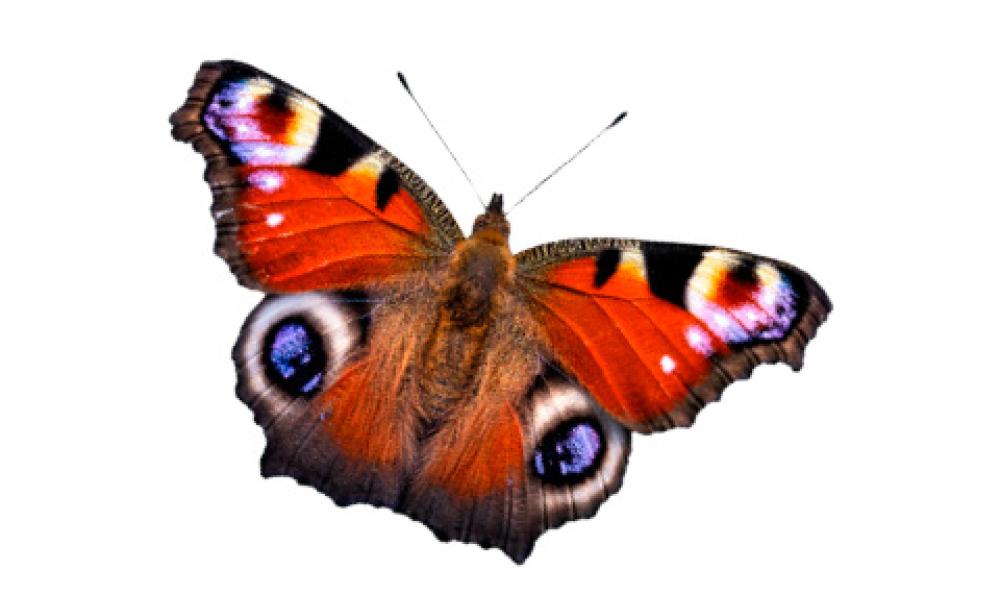
The peacock butterfly is easy to notice with its dark red wings and ‘eye spots’ that look like a peacock’s tail feathers. The fake eyes are a form of defence – they startle birds, making them think twice before trying to eat the butterfly!
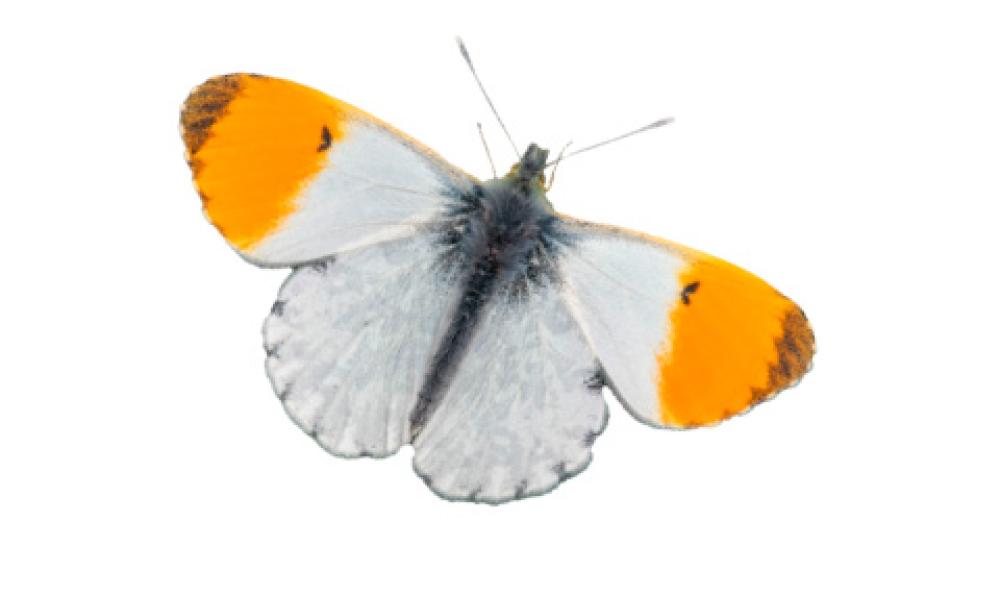
Only male orange-tips have bold orange patches on their white wings. Their bright colour warns predators that they taste bad, which is caused by the plants they ate as caterpillars. It’s probably like eating a big mouthful of mustard.
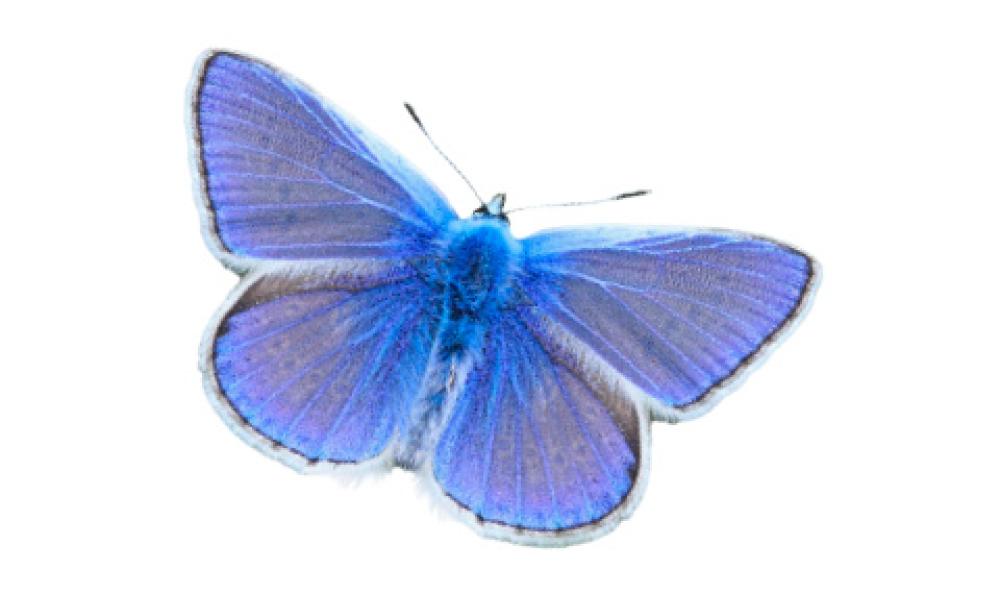
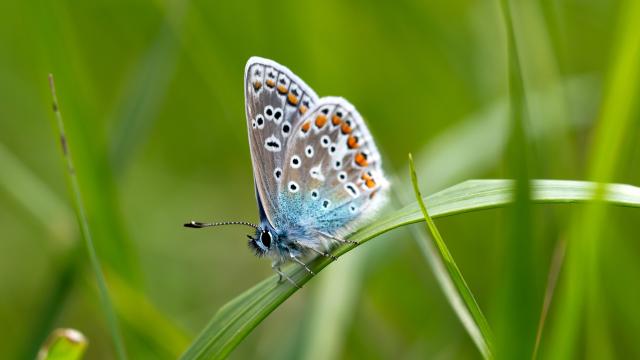
Tiny but vibrant, the male common blue has bright blue wings; the female is brown with orange spots. Males can be easy to see as they fly around, battling with rival males to defend their territories and seek out secretive females.
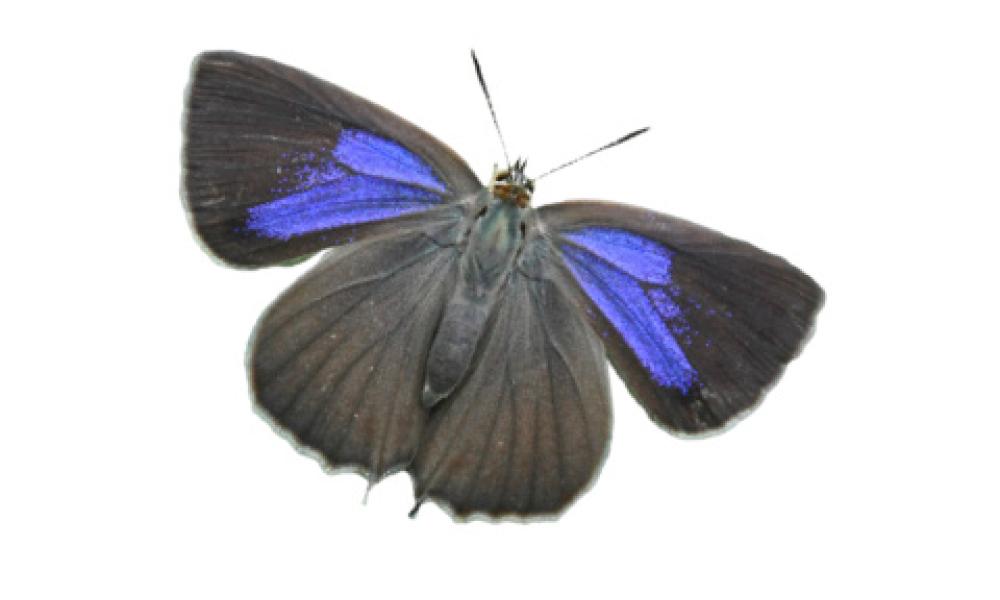
Male purple hairstreaks are all-purple on top, while females have dark wings with purple markings. Look for them fluttering in the canopy of oak trees. They feed mainly on a sweet substance made by insects living on the oak leaves.
Want to keep the adventure going? Download the ID guide and take it on your next nature walk. How many butterflies can you spot this summer?
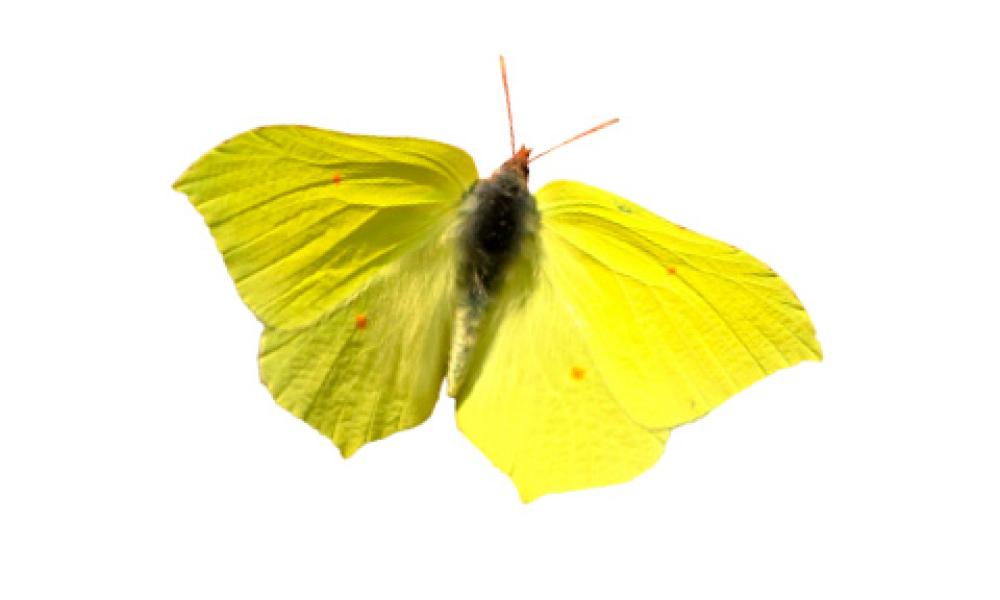
The brimstone is a large butterfly with pale yellow wings shaped like leaves. Its butter-yellow colour is thought to have inspired the name ‘butter-fly’. Brimstones are one of the first butterfly species to appear in spring in the UK.
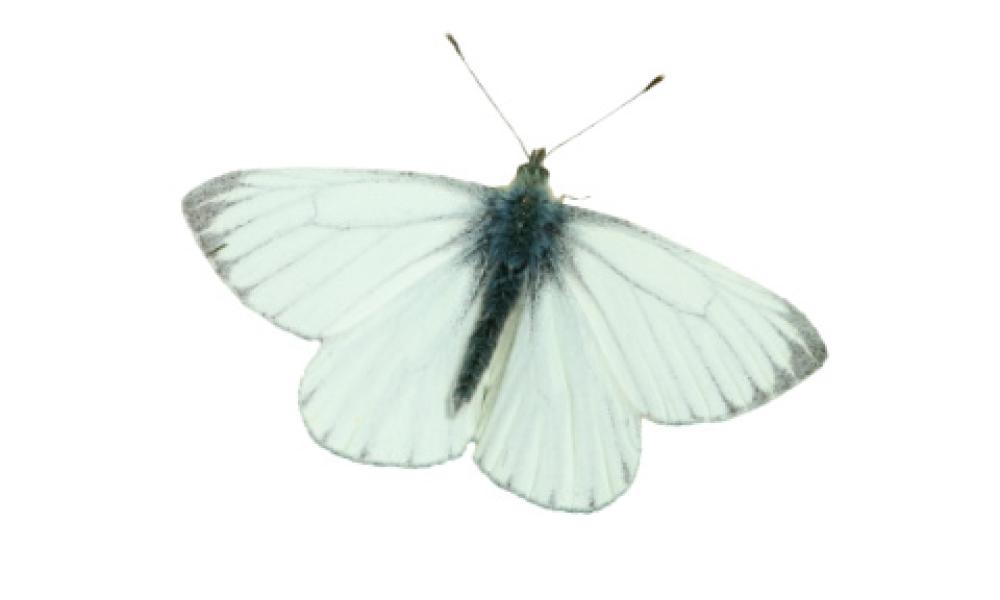
The green-veined white butterfly has white wings with greenish-grey veins. The veins help it blend in with leaves, making it harder for predators to spot. It prefers damp, grassy places and lays its eggs on flowers that like getting their roots wet.
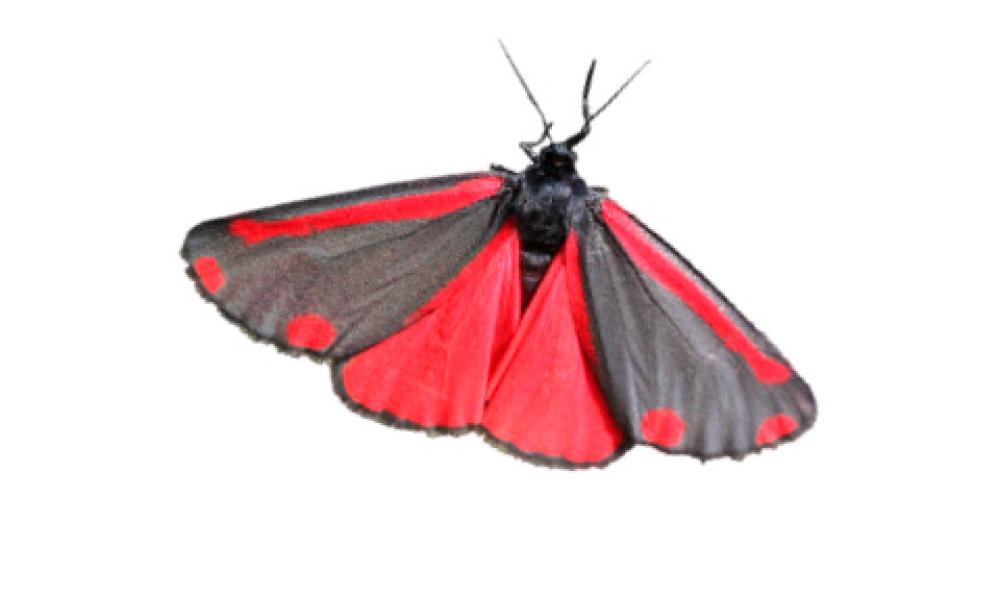
The cinnabar moth looks just like a butterfly! It flies during the day (many moths only fly at night) and its bright black and pinkish-red colours warn predators not to eat it because it’s poisonous! Look for its stripy yellow and black caterpillars.
Test your super spotting skills by trying our brilliant butterfly quiz!