
13 easy ways to keep kids busy with nature
Autumn is here. As the days grow shorter, and the weather turns cooler, how do you keep the children entertained, support their wellbeing and keep screen time low without it costing the Earth?
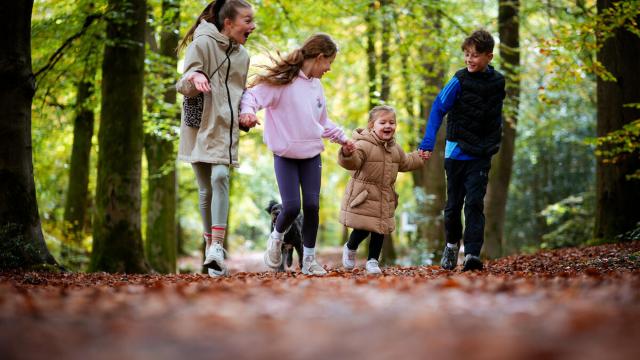
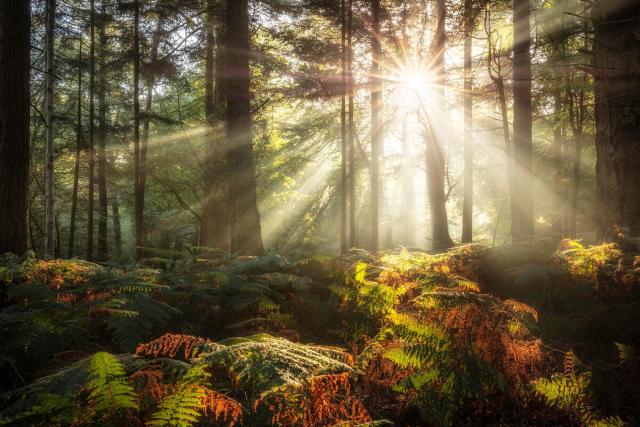
YOUR AUTUMN DAILY DOSE OF NATURE GUIDE
Autumn is full of adventures waiting to be discovered. As the season changes, nature puts on a spectacular show, and there is something new to notice every time you head outside.
Whether you have five minutes after school or a whole afternoon to explore, these simple activities will help children get closer to nature, stay active and have fun outdoors.
As you explore this autumn, remember to enjoy nature responsibly. Stick to paths where possible, give wildlife space, leave habitats undisturbed and take any litter home with you. Together, we can help these special places thrive.
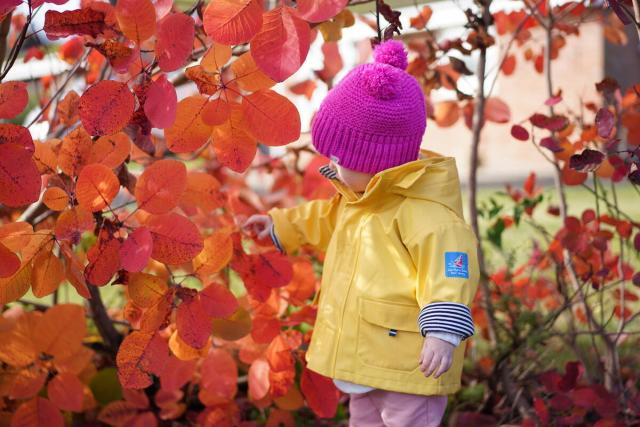
1. Look at the colours
Autumn puts on one of nature’s greatest shows. See how many colours you can spot:
- Golden birch leaves
- Bronze oak leaves
- Coppery beech leaves
- Crimson rowan berries
- Fiery field maples
Pause. Look up. Take it all in.
Did you know that leaves change colour because trees stop producing chlorophyll as daylight hours shorten, revealing yellow, orange and red pigments hidden all summer long?
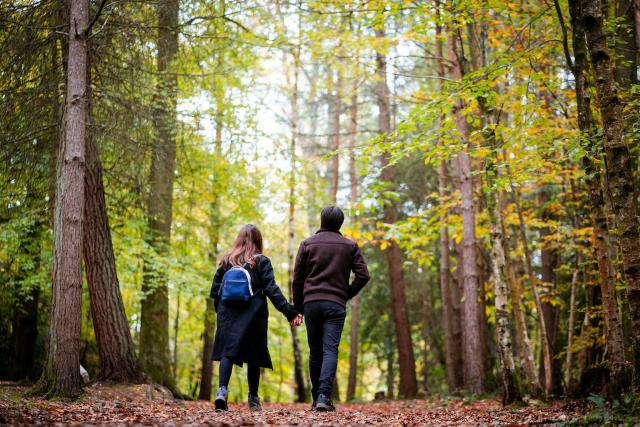
2. Stop and listen
Autumn has its own soundtrack. Find a quiet spot and listen for:
- Leaves crunching underfoot
- Acorns falling from the trees
- Leaves rustling overhead
- Jays calling in the tree canopy
Close your eyes. How many different sounds can you hear?
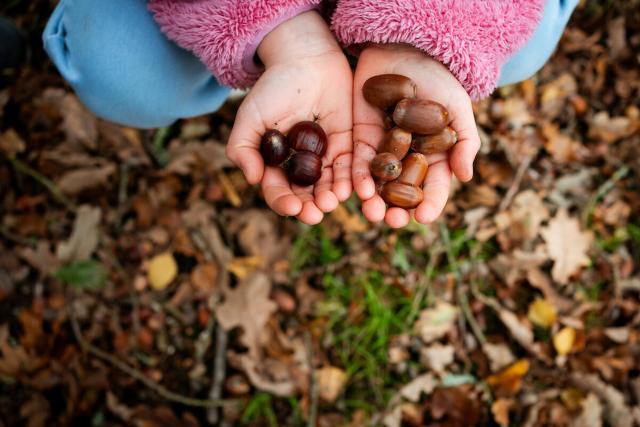
3. Go on an Autumn treasure hunt
Autumn is full of hidden treasures waiting to be discovered. How many can you find?
- An acorn
- A conker
- A red leaf
- A yellow leaf
- A feather
- A berry
- A bird’s nest high in a tree
- Something smooth
- Something rough
Take your time. Look closely. Stop and say “wow”.
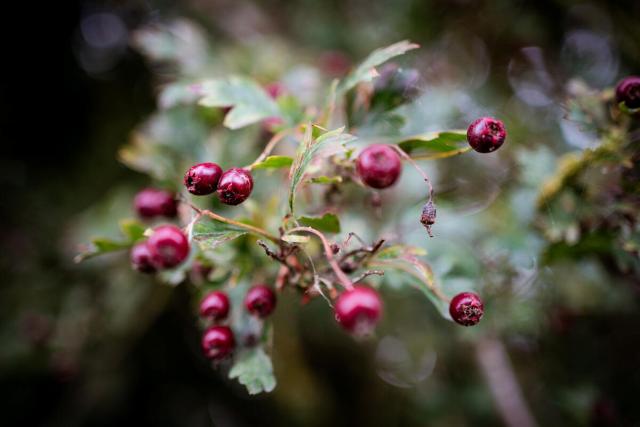
4. Follow a food trail
Autumn is harvest season for wildlife. Look for:
- Blackberries on bramble bushes
- Bright red rosehips
- Purple sloes on blackthorn
- Acorns beneath oak trees
- Conkers scattered under horse chestnuts
Nature has its own pantry. Every berry, nut and seed helps wildlife prepare for winter.
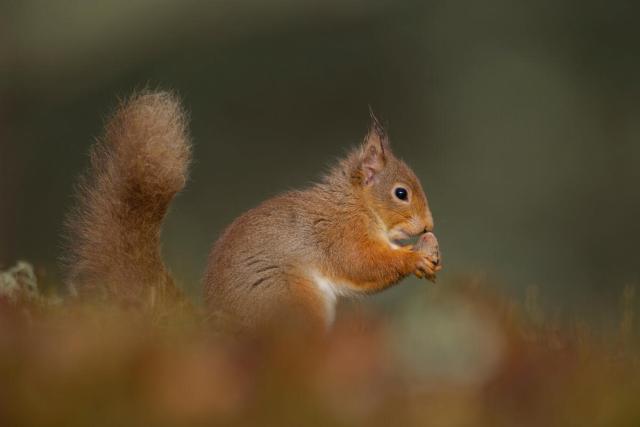
5. Become a wildlife detective
Everyone in the woodland has a winter to-do list.
Can you spot the clues? Look out for:
- Nuthatches collecting seeds
- Jays carrying acorns
- Squirrels gathering food
- Hedgehog-friendly leaf piles
- Badger tracks and paths
Every sign tells a story about animals preparing for the season ahead.
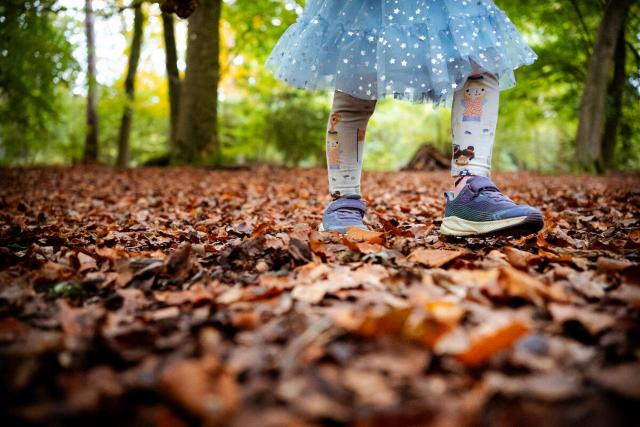
6. Engage your senses
Experience autumn with all your senses.
- Feel the cool air on your face
- Crunch through fallen leaves
- Hold a smooth conker in your hand
- Smell damp woodland soil
- Breathe in fallen leaves and moss
- Taste seasonal apples, pears and blackberries.
Slow down. Take notice.
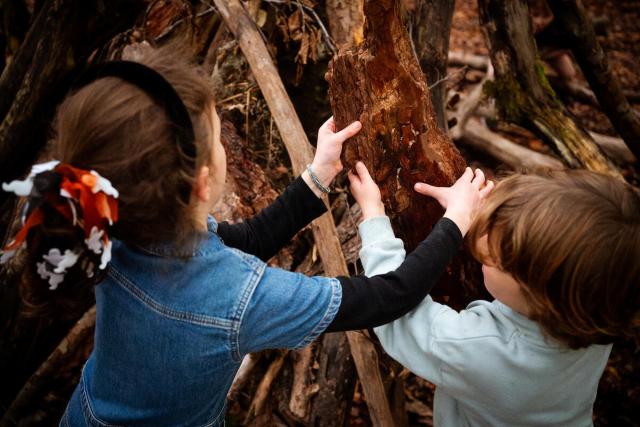
7. Build a home for wildlife
Give nature a helping hand
Try:
- Leaving leaf piles for hedgehogs
- Building a log pile for insects
- Planting wildlife-friendly shrubs
- Creating a wild corner outdoors
Small actions can make a big difference.
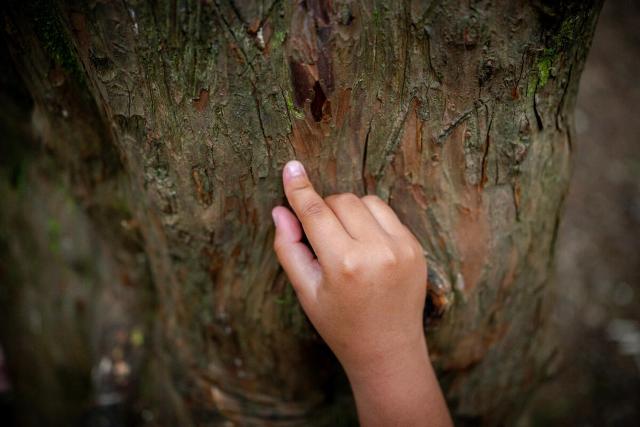
8. Become a tree expert
Choose one tree to get to know this autumn. Can you identify:
- Oak
- Beech
- Silver birch
- Rowan
- Field maple
Look at the leaves. Feel the bark. Become a tree expert.
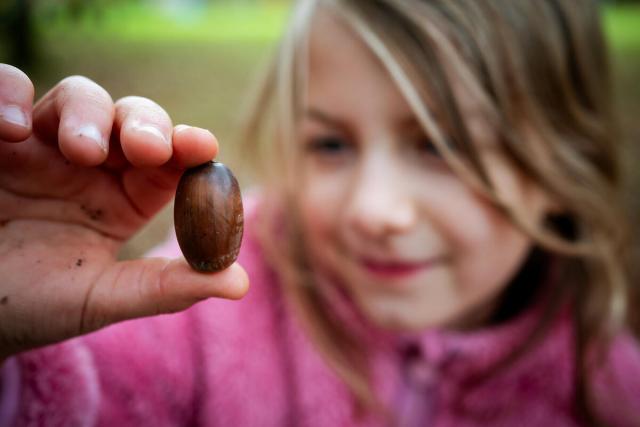
9. Record your nature sightings
Become a citizen scientist.
Write down:
- Birds you’ve seen
- Trees you’ve identified
- Wildlife you’ve spotted
- Autumn wildlife behaviours
- Signs of seasonal change
Every observation matters.
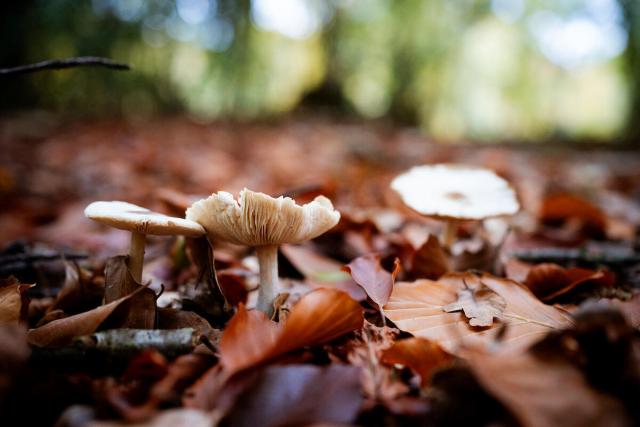
10. Look for fungi
Look closely at fallen logs, tree stumps and leaf litter for:
- Toadstools
- Bracket fungi
- Puffballs
- Fairy rings
- Colourful lichens
Nature’s recyclers are everywhere. You just have to look closely.
11. Discover ancient trees
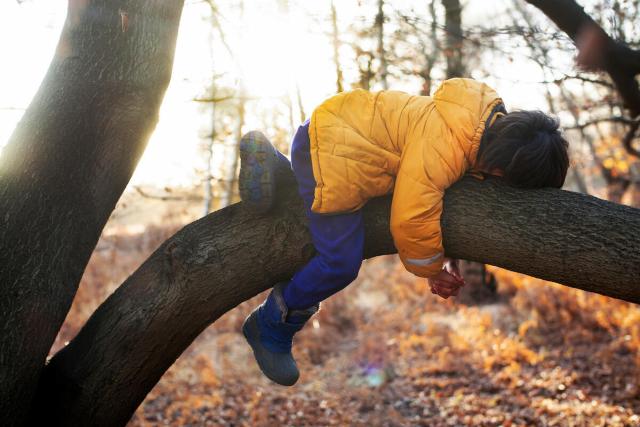
Some trees have stood for centuries. Others perhaps for a thousand years. On your next walk, can you find:
- A giant oak
- A hollow trunk
- Twisted branches
- Knotted bark
- A tree too big to hug on your own
Ancient trees are living habitats, supporting hundreds of species of birds, insects, fungi and mammals. Stand underneath one and imagine all the seasons it has witnessed.
12. Collect nature’s shapes
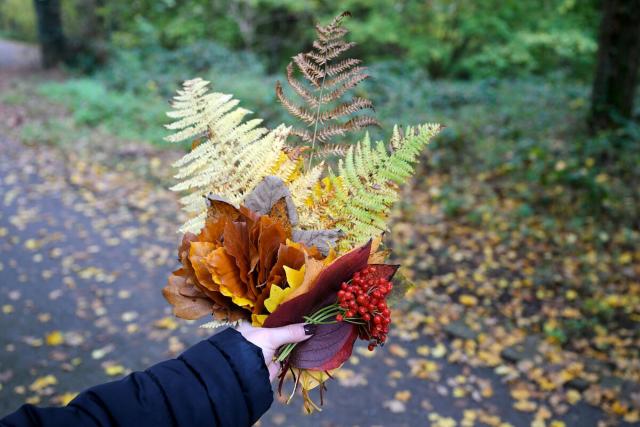
Autumn is full of wonderful patterns and textures.
Can you find:
- A star-shaped leaf
- A heart-shaped leaf
- A spiralling seed
- A pine cone
- A perfectly round acorn cap
Take photos. Draw them. Start a nature journal.
13. Search for woodland homes
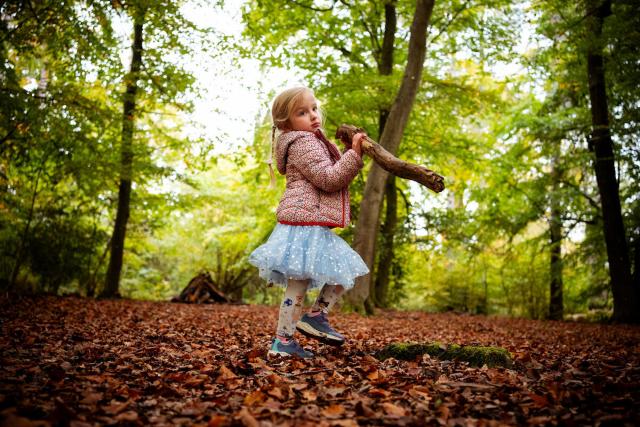
See how many woodland homes you can find:
- A hole in a tree trunk
- A bird’s nest
- Ivy climbing a tree
- A squirrel drey high in the branches
- A log pile full of hiding places
Every woodland is a neighbourhood filled with homes for wildlife. Who might live there? Look closely. Wonder. Imagine.
We also recommend

Shop our nature collection

A Prescription for Nature