
From dawn till dusk: experience the joys of nature on the summer solstice
Accurate at time of publication: 19 June 2026
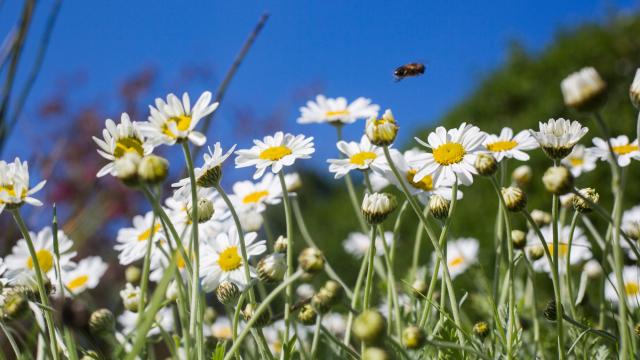
On Sunday 21 June, the longest day of the year, daylight lingers and the natural world makes the most of every moment.[1]
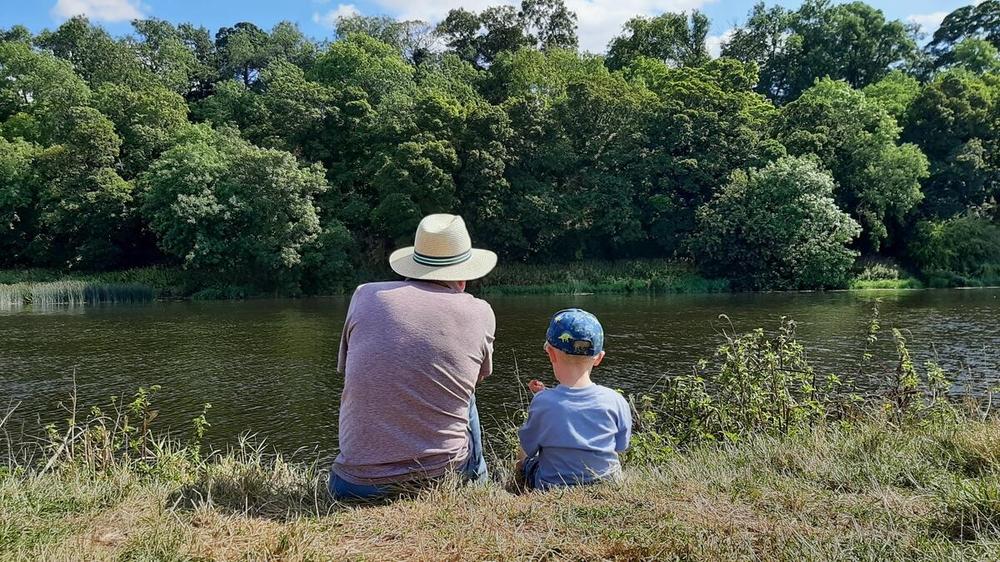
From dawn till dusk, nature shifts through changing rhythms and remarkable displays of life. From the first birdsong before sunrise to glow-worms lighting up after dark, the summer solstice lets us experience a full day of life in the wild.
And it’s not just something to observe from a distance. Even a short time in nature can boost our mood, reduce stress and help us feel more connected. So, on this longest day, why not step outside and experience it for yourself?
Here’s what to look and listen out for as the day unfolds.
A world awakening: the dawn chorus
Nothing signals the start of the day quite like the dawn chorus.
In the late spring and early summer, birds greet the new morning with a burst of song.[2] Longer days trigger the breeding season, and the dawn chorus is at its peak. Many of these songs are boisterous males protecting their territory and attempting to attract a mate. But singing after a long night without feeding takes energy, so it’s the strongest males that produce the loudest songs, helping them hold their territory and attract a mate.
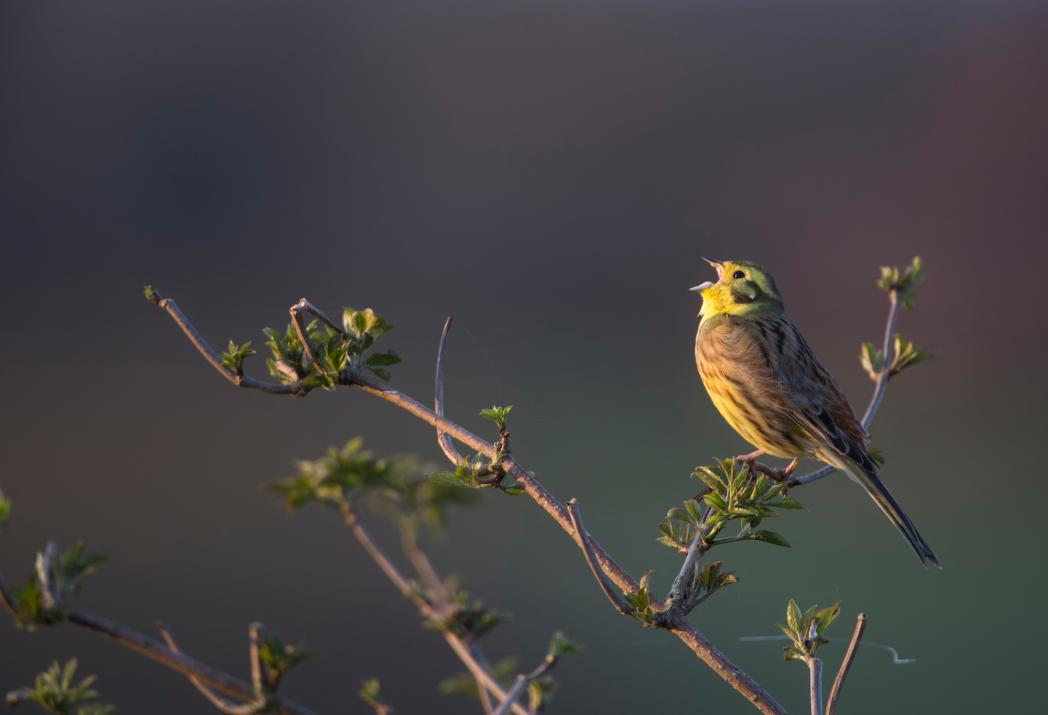
Like any good symphony, the dawn chorus typically follows a musical sequence. Clear notes from robins cut through the quiet, joined by blackbirds and thrushes. As the light grows, the sound builds. Songs overlap as wood pigeons and warblers join in, followed by blue tits, sparrows, finches and many more.
The chorus is strongest in the early morning, when the air is still and sound carries further. As the day unfolds, it gradually fades, but for those willing to rise early, it’s an unforgettable sensory experience.
Early morning encounters
As the sun begins to rise, more of the natural world starts to stir.
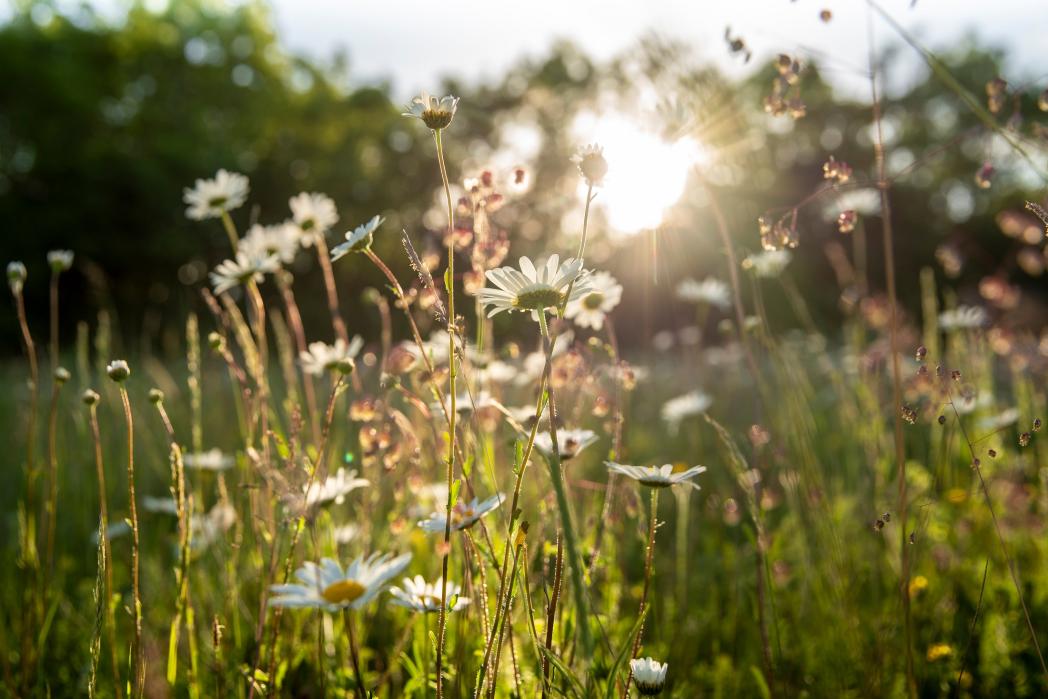
Brown hares may still be on the move in the early hours, hopping through fields of long grass and along woodland edges while it’s quiet.[3] In our towns and cities, fox cubs are often at their liveliest in the early morning. Close to their den, they play, tumble and explore, offering a rare opportunity to observe family life that usually goes unseen.
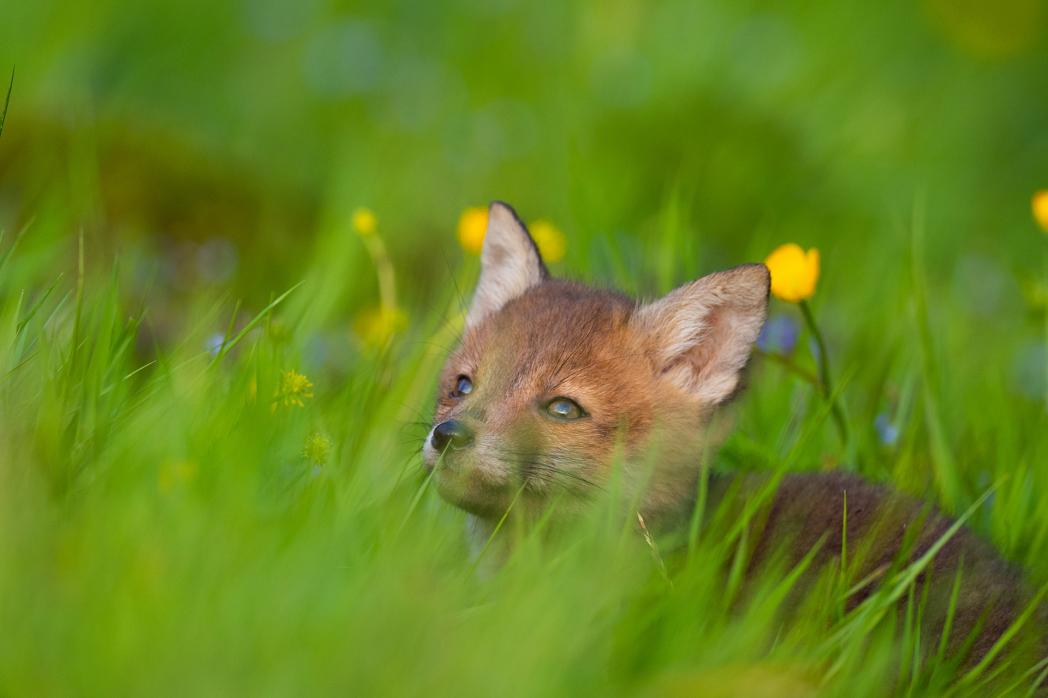
These early hours are a bridge between night and day, a time when some of the more elusive animals are still active before retreating as the world grows lighter and louder.
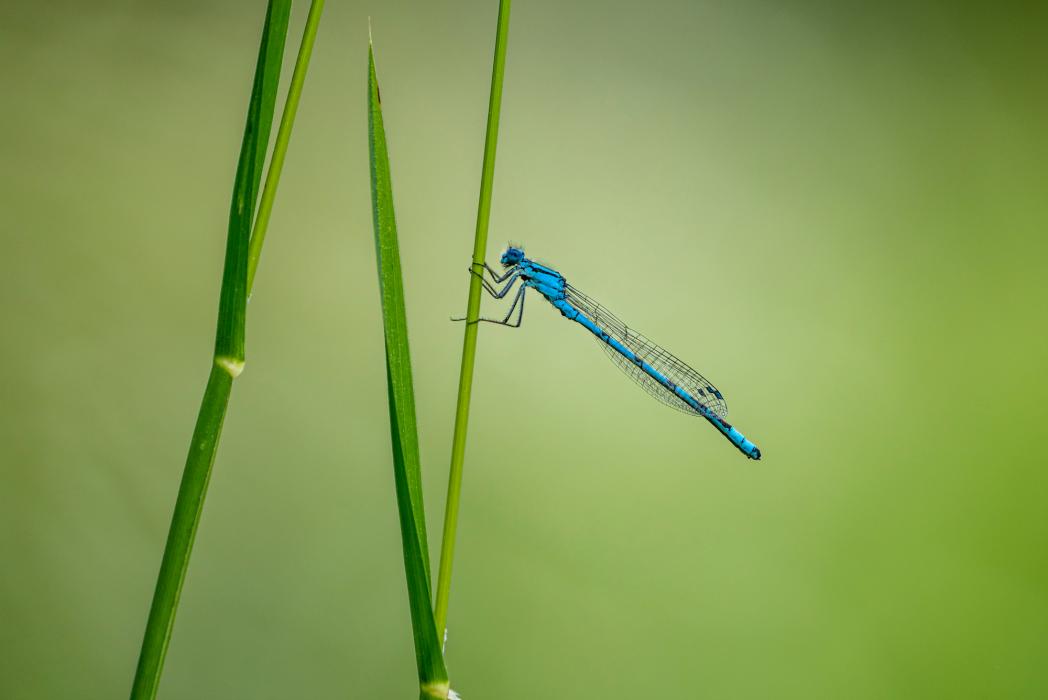
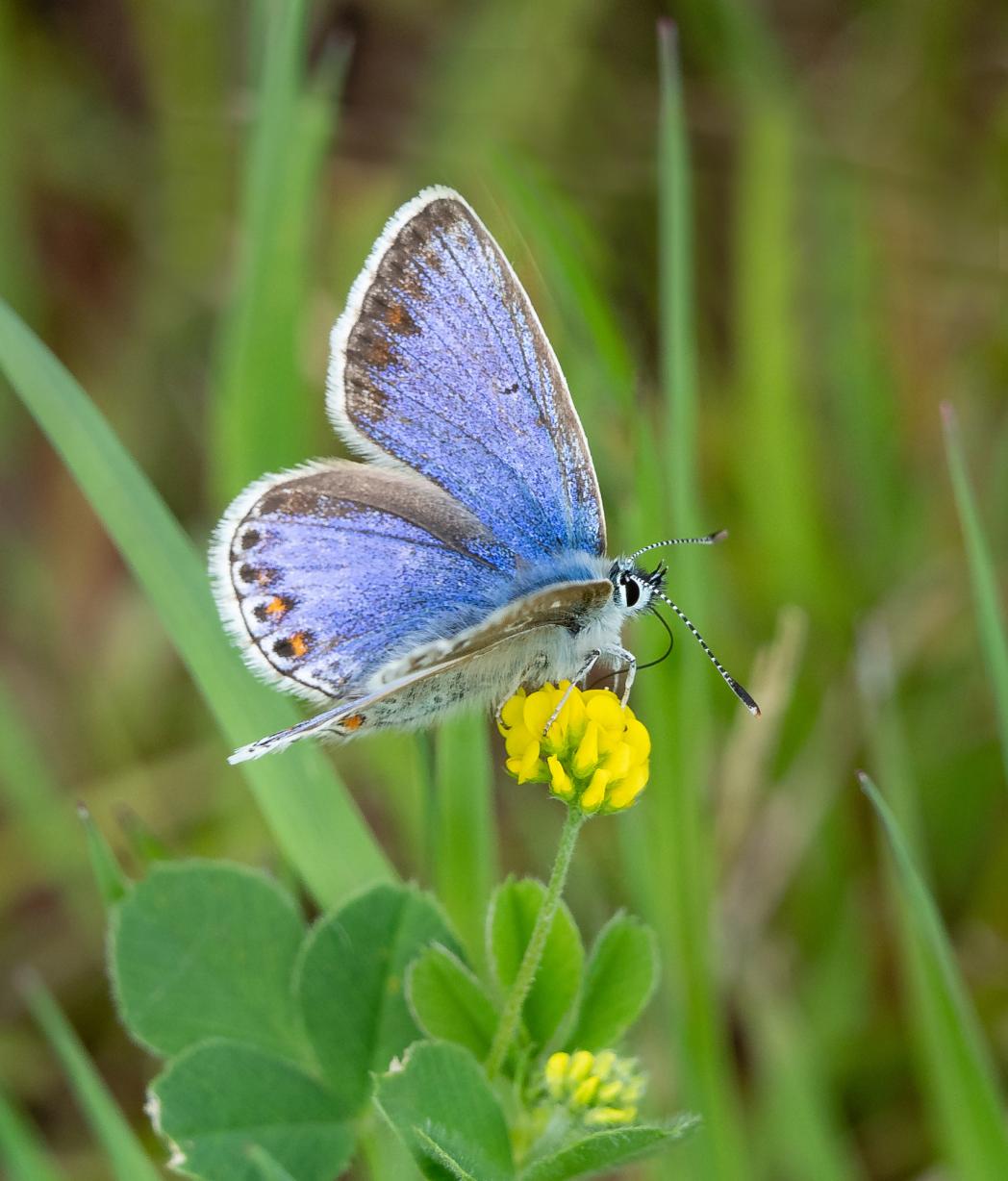
The steady chirrup of crickets and grasshoppers forms the soundtrack to summer days. Common field grasshoppers spring between blades of grass, feeding in open, sunlit areas, including our urban gardens.
Beetles are busy too. Having emerged from hibernation in spring to feed and breed, species like the common seven-spot ladybird move slowly across leaves and stems.[8] Meanwhile, rose chafer beetles' brilliant metallic green colour catches the light as they climb among the flowers.[9]
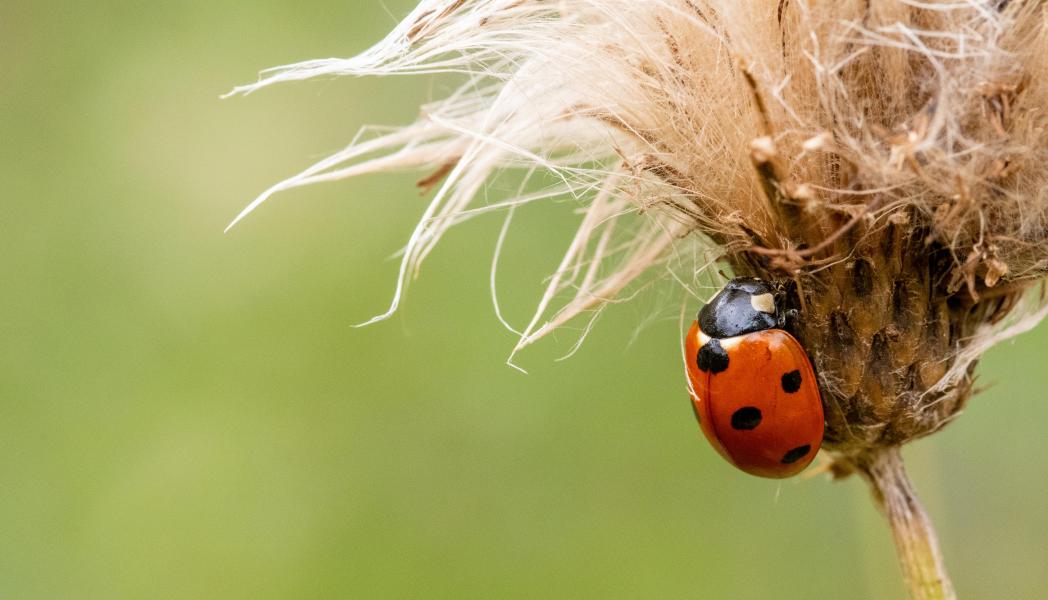
In fact, June is considered by some insect experts to be ‘peak beetle,’ when diversity and activity are at their highest. It’s a reminder that even the smallest creatures are making the most of the longest day.
Moments like these aren’t limited to nature reserves. Whether it’s spotting pollinators in a garden or listening to birds in a local park, time outdoors is often closer than we think. Even 20 minutes in nature can make a difference to how we feel.
As dusk settles
One of the defining features of the summer solstice is how long the light lasts. Even late into the evening, there’s still a glow in the sky, and wildlife continues to make the most of it.
In open countryside, barn owls may begin to hunt before darkness fully sets in, gliding low over fields in search of small mammals.[10] Around gardens and hedgerows, hedgehogs start to emerge, nosing through grass and leaves as they forage.[11] In rural areas - and some cities too - badgers may also appear, leaving their setts to feed as the light fades.
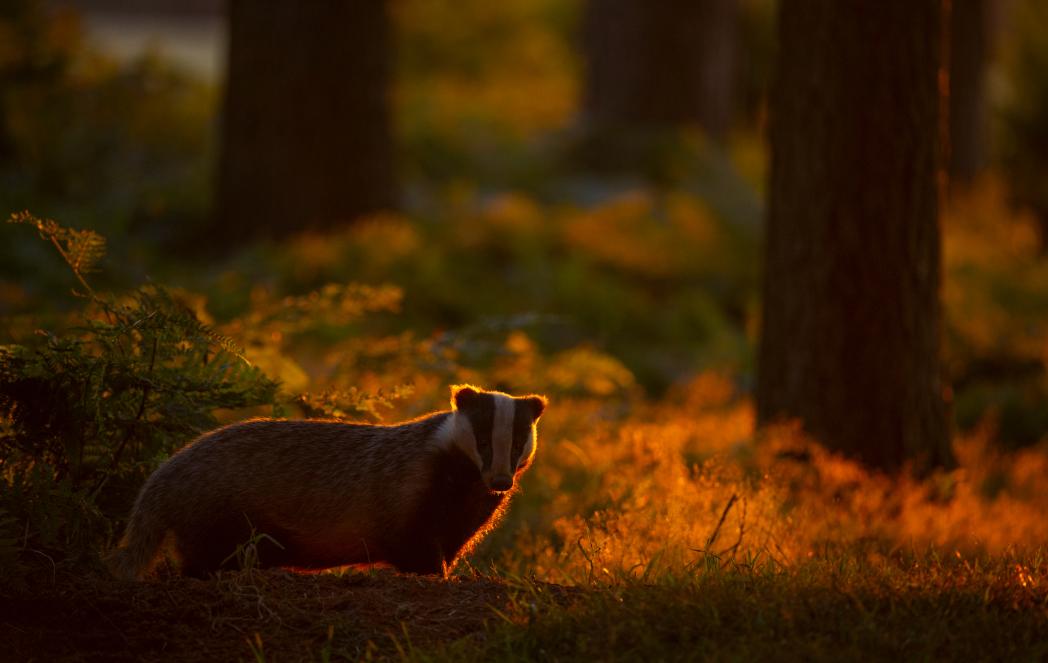
This is a gradual shift rather than a sudden change, a time when daytime and nighttime wildlife briefly overlap.
Evening falls
As the longest day draws to a close, the natural world shifts once again.
Birdsong softens, the light fades and daytime wildlife retreats. In their place, species of the night begin to emerge.
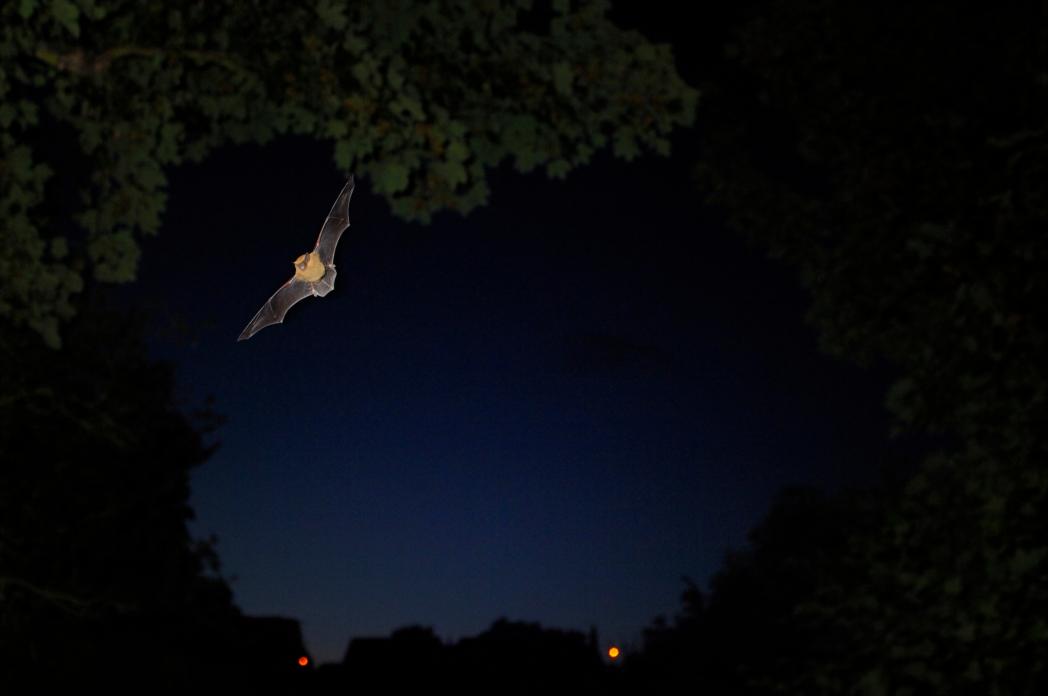
Just after sunset, bats begin to leave their daytime roosts to hunt for insects in the dimming light. June to July is a good time for glow-worm spotting. After burrowing beneath the soil or hiding away during the day, they begin to glow at dusk, when females use their bioluminescence to attract mates.[12]
A day to connect with nature
From the first birdsong at dawn to the lasting glow of nightfall, the summer solstice reveals the full rhythm of the natural world.
But it also offers something more personal, too. Spending time in nature can help us slow down, reset and reconnect – not just with the world around us, but with ourselves.
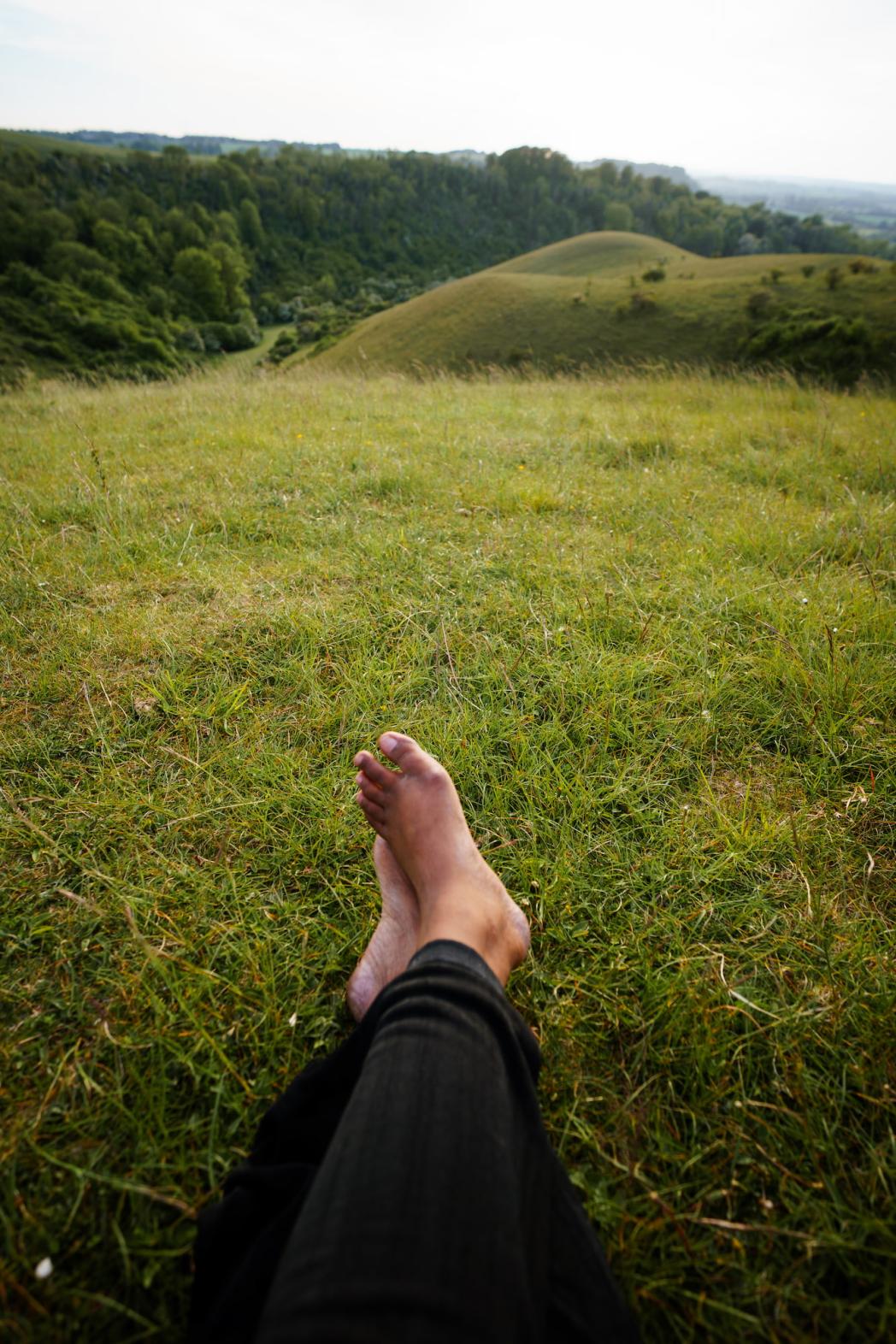
At WWF, we know that when people feel connected to nature, they’re more likely to care about it and take action to protect it. Whether it’s planting for pollinators, supporting green spaces or simply noticing what’s around us, small moments can lead to bigger change.
Why not spend the longest day of the year tuning in to nature and ultimately tuning in to yourself?
Because when we restore nature, nature restores us.
-
 © WWF-UK
Author
Hanna Brunt, Copywriter Editor, WWF-UK
/
Have a question about this article?
Get in touch: contentunit@wwf.org.uk
Sources
- Guidance-for-surveying-hedgehogs-updated-FINAL.pdf Accessed: 19/06/2026
- Barn Owl hunting and feeding - The Barn Owl Trust Accessed: 19/06/2026
- Rose Chafer (Cetonia aurata) - British Beetles - Woodland Trust Accessed: 19/06/2026
- Glow-worm (Lampyris noctiluca) - Woodland Trust Accessed: 19/06/2026
- History of summer solstice | National Trust Accessed: 19/06/2026
- Brown hare — Mammal Society Accessed: 19/06/2026
- United Kingdom Butterfly Monitoring Scheme: phenology 2022 - National Data Library Accessed: 19/06/2026
- Summer | Wildlife Watch Accessed: 19/06/2026
- Where to see dragonflies and damselflies | The Wildlife Trusts Accessed: 19/06/2026
- 7-Spot Ladybird (Coccinella septempunctata) - Woodland Trust Accessed: 19/06/2026
- Responses in honeybee and bumblebee activity to changes in weather conditions | Oecologia | Springer Nature Link Accessed: 19/06/2026
- Dawn Chorus: Why Birds Sing in the Morning - Woodland Trust - Woodland Trust Accessed: 19/06/2026