El Niño and its effects
Accurate at time of publication: 03 July 2026
You might have heard of reports of El Niño in the media. Here, we answer some common questions about this phenomenon and how it might impact our lives.
What is El Niño?
El Niño is a naturally occurring weather pattern. It was first named by fishermen off the coast of South America, who noticed unusually warm ocean currents arriving around Christmas. They called it El Niño de Navidad, the ‘Christmas Child.’ Over time, the name was shortened to "El Niño and is used today to describe the warm phase of the broader El Niño and La Niña weather pattern.
Why does it occur?
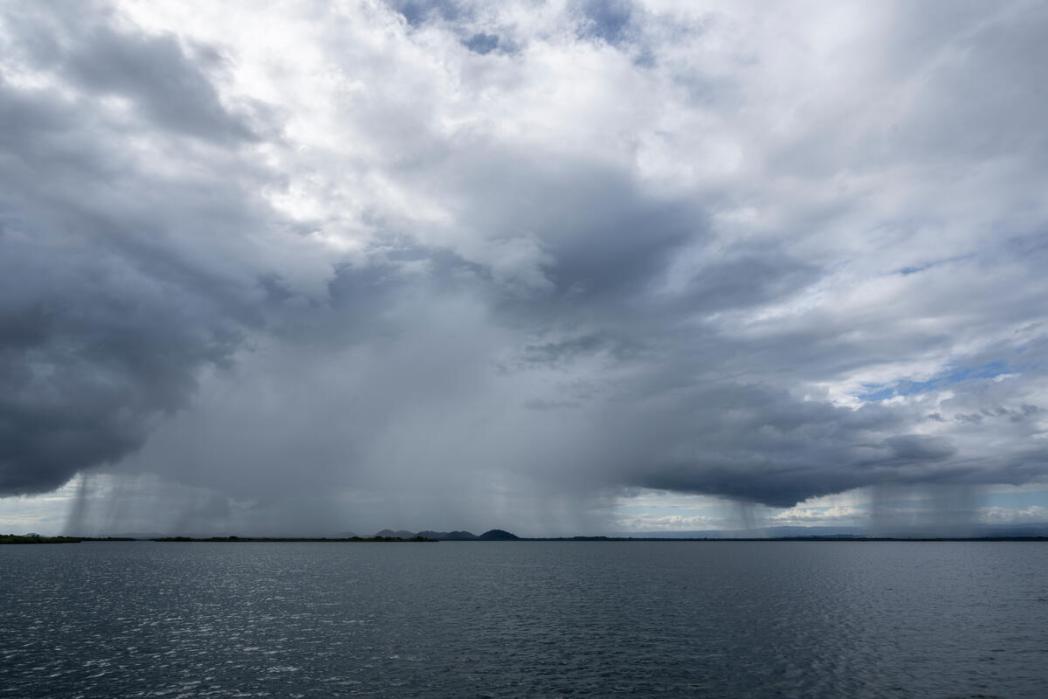
When surface waters in the central and eastern tropical Pacific Ocean warm significantly the trade winds that normally blow from east to west along the equator weaken – and can sometimes reverse direction. This shift affects weather patterns around the world. For example, Indonesia often becomes drier, while rainfall increases in other parts of the world.
What does this El Niño mean for the world?
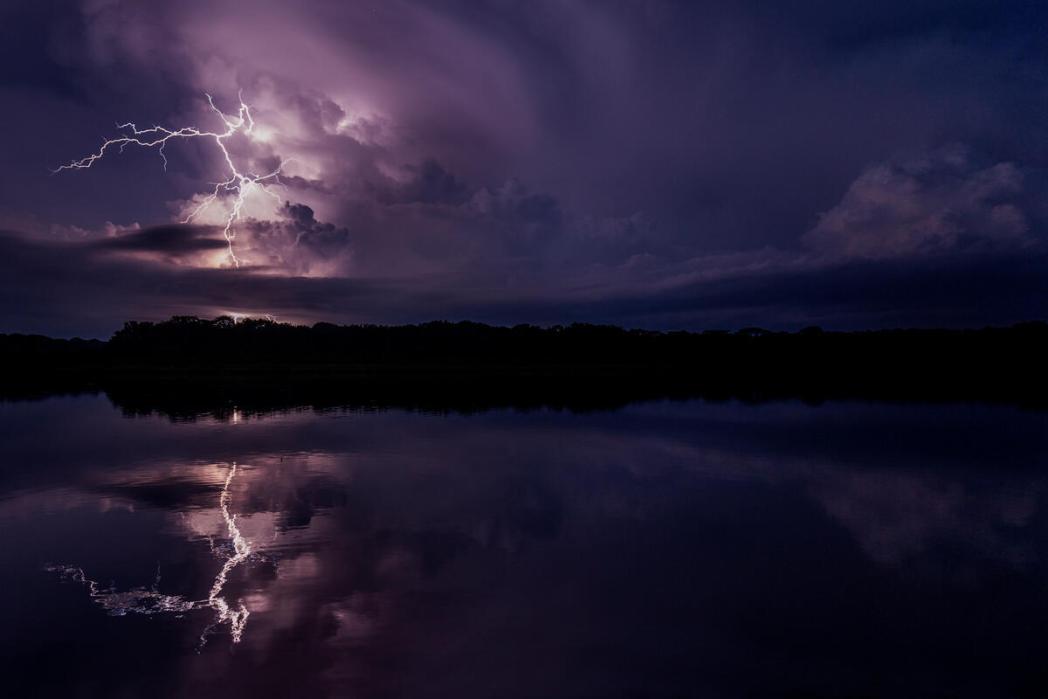
El Niño doesn’t just shift weather patterns – it raises the baseline of global heat and intensifies extremes, increasing the risk of floods, droughts, heatwaves, ecosystem disruption, and economic losses in many regions of the world. This developing El Niño is expected to add extra heat to an already warming planet, increasing the likelihood of extreme weather around the world over the coming months, putting pressure on food systems, economies and vulnerable communities.
This could mean:
- More intense heatwaves, pushing temperatures to dangerous levels for people and ecosystems.
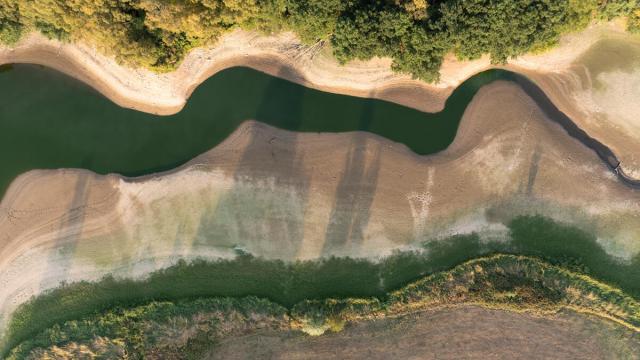
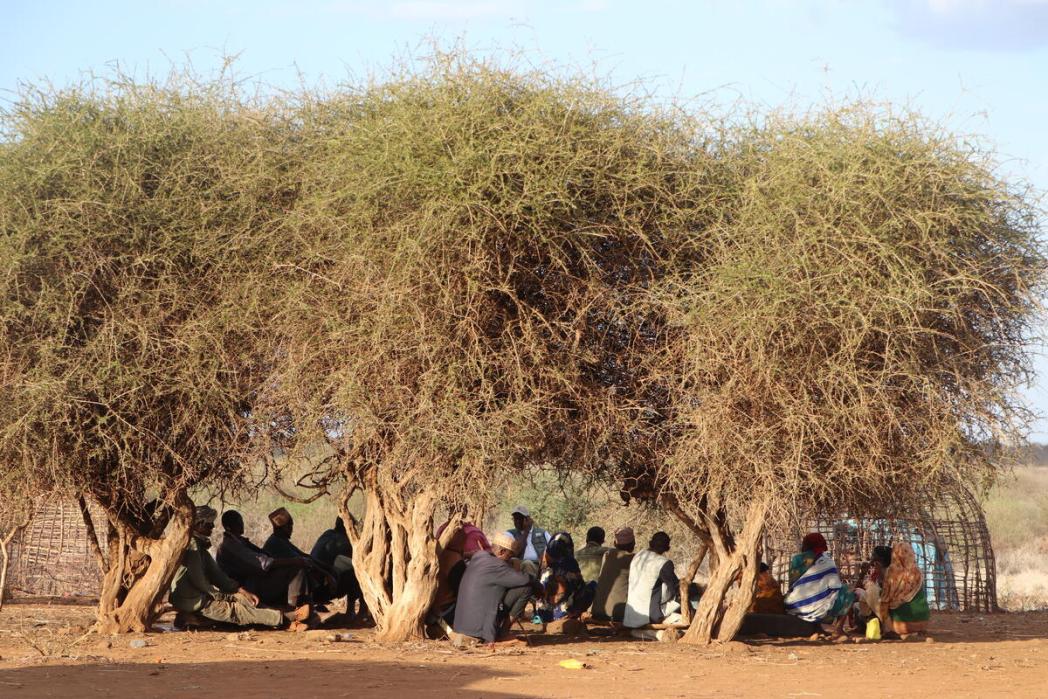
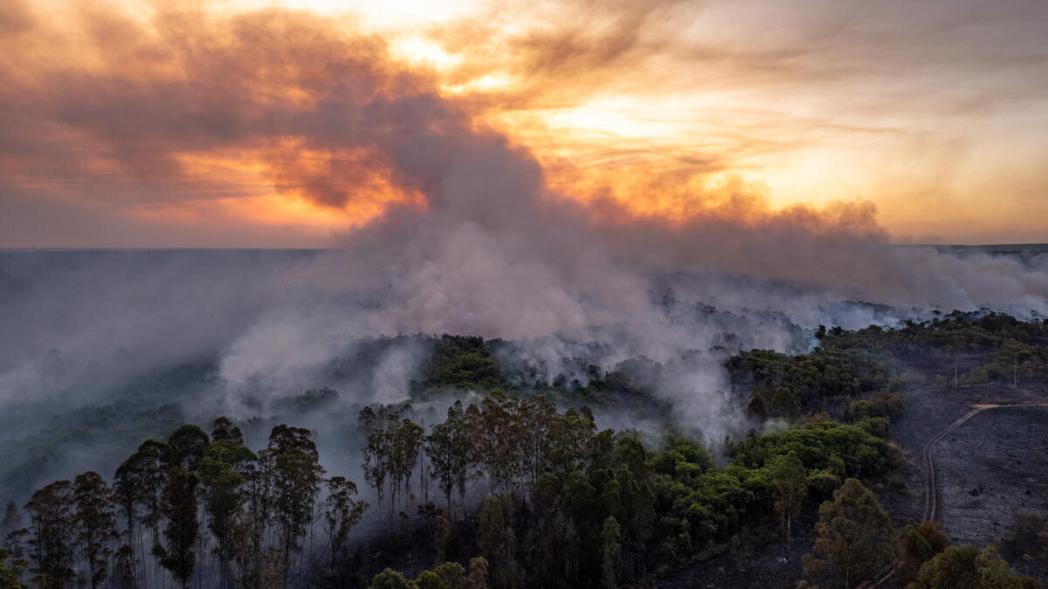
- Drought in already dry regions, increasing risks to water supplies, agriculture, and wildfires.
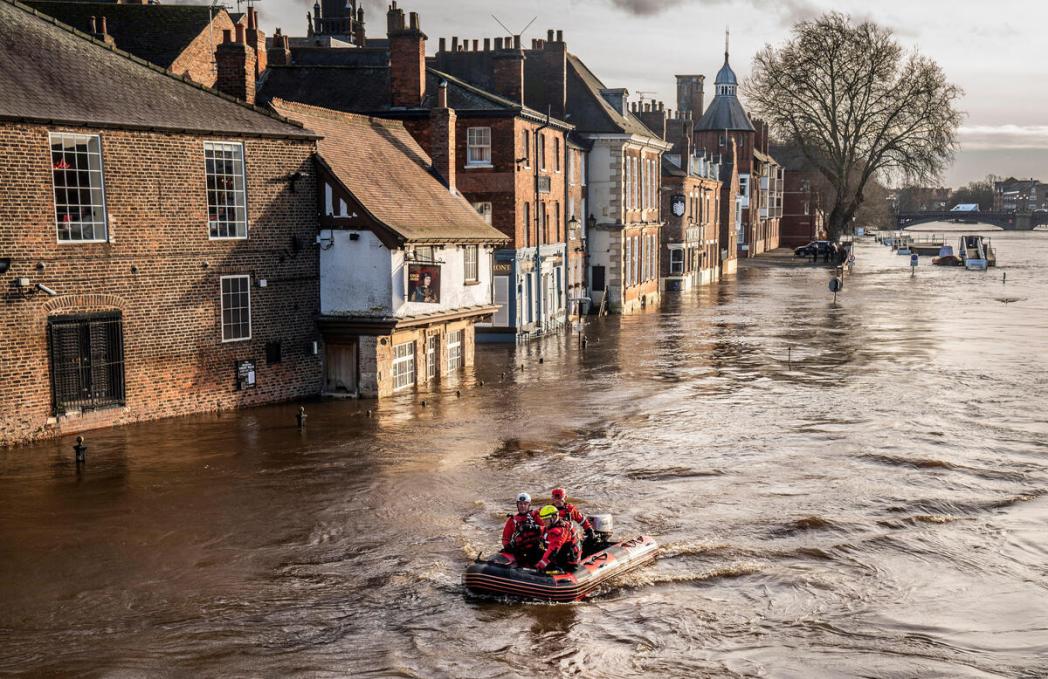
- Heavier rainfall and flooding elsewhere, as warmer air holds more moisture.
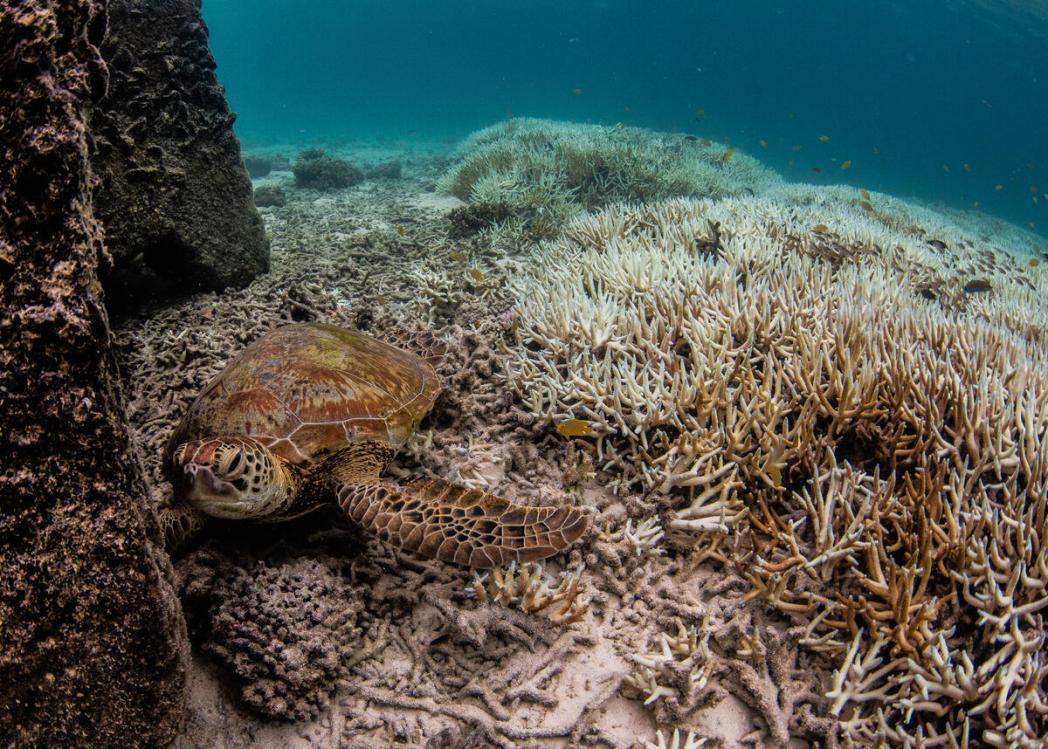
- Ocean heat stress, affecting fisheries and triggering coral bleaching.
Countries should prepare for the impacts El Niño could bring to their region. These impacts can vary by latitude, meaning the regions with the most extreme weather are often the ones with the least resource to adapt and prepare. Countries in the Global South also face greater vulnerability with a lack of advanced multi-hazard early warning networks, a heavy reliance on rain-fed agriculture and lower insurance coverage.
WMO (World Meteorological Organisation) Secretary-General Celeste Saulo said:
“We need to prepare for a potentially strong El Niño event – which will exacerbate drought and heavy rainfall and increase the risk of heatwaves both on land and in the ocean. The most recent El Niño, in 2023-24, was one of the five strongest on record and it played a role in the record global temperatures we saw in 2024.”
Will it have an impact on UK weather?
Scientists have been predicting the arrival of a strong El Niño between July and August 2026, with above-average temperatures forecast for most of the world. Many scientific institutions are saying this El Niño event may be unusually intense, but cannot yet say with confidence how strong it will get.
El Niño is one of the Earth’s strongest drivers of year‑to‑year climate variability.
Although it develops far from the UK, its effects can ripple across the globe. That said, the UK’s Met office advises it is still too soon to draw firm conclusions about what this developing El Niño might mean for UK weather patterns.
Was it caused by climate change or is it naturally occurring?
El Niño is a natural climate pattern. It has always occurred and will continue to do so, but it is now happening in a world that has already been warmed by human activity – amplifying its effects and making impacts more severe.
Scientist are continuing to study the relationship between climate change and El Niño, there is currently no clear evidence that climate change is making El Niño events more frequent. However, these events now take place against a backdrop of rising global temperatures and increasingly extreme weather. This means that when El Niño develops, it can intensify existing climate risks and push both people and nature closer to their limits.
How long does it last and when was the last one?
El Nino events don't follow a schedule, the gap between them varies as does the strength and duration.
WMO state that there is an 80% chance of an El Niño event between July and August this year, and there is a 90% probability it will continue until at least November.
There have been reports in the media of a “super” El Niño. While that term isn’t a scientifically recognised, there is growing confidence that this event could be particularly strong.
In summary
El Niño will amplify the impacts of climate change, pushing an already overheating planet into more dangerous territory for people and nature. It increases the risk and severity of Amazon forest fires, damages ocean ecosystems and disrupts weather patterns around the world.
Here in the UK, with record-breaking temperatures, extreme weather is becoming the new normal, putting lives, livelihoods and wildlife at risk. We need to end our dependence on fossil fuels, invest in clean energy, and restore nature at scale.
UN Secretary General Antonio Gueterres said: “The world must treat it as the urgent climate warning it is. El Niño conditions will pour fuel on the fire of a warming world. Impacts will hit even harder, travel even farther, and cross borders with devastating speed.”
While we can’t stop El Niño, we can tackle the climate crisis that’s making its impacts worse. This means:
- Cutting greenhouse gas emissions
- Ending our reliance on fossil fuels
- Investing in clean, renewable energy
- Protecting and restoring nature at scale
- Improving early warning systems to protect vulnerable communities
At WWF, we’re working around the world to restore ecosystems, support climate resilience, and help build a future where people and nature can thrive.
But while El Niño is part of the Earth’s natural system, we still have the power to reduce the risks it brings.
For more information see NOAA useful ‘El Nino in a nutshell’ guide that explains this simply.
-
 © WWF-UK
Author
Dr Ruth Fuller, Chief Advisor Climate Change
/
Have a question about this article?
Get in touch: contentunit@wwf.org.uk