
Nature in transition: what to spot as the clocks go back
Accurate at time of publication: 23 October 2026
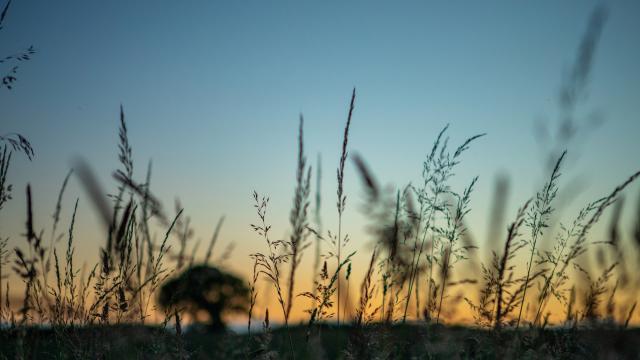
When the clocks go back on Sunday 25 October, [1] it can feel as though winter arrives overnight. But in the natural world, the transition has been underway for weeks.
Across the UK, wildlife has been responding to shorter days and cooler temperatures. Hedgehogs are searching for safe places to hibernate, squirrels and jays [2] are busy storing food for the months ahead, and millions of migratory birds are arriving from northern Europe to spend the winter on our shores. [3]
As daylight fades and temperatures fall, woodland, wetland and garden habitats become the backdrop for one of nature's great seasonal changes.
And that extra hour in bed? It could also be an extra hour to step outside and experience nature. Even a short time in nature can lift our mood and help us feel more connected. Here's what to look and listen out for during that extra hour of your day.
A spectacular change of colour
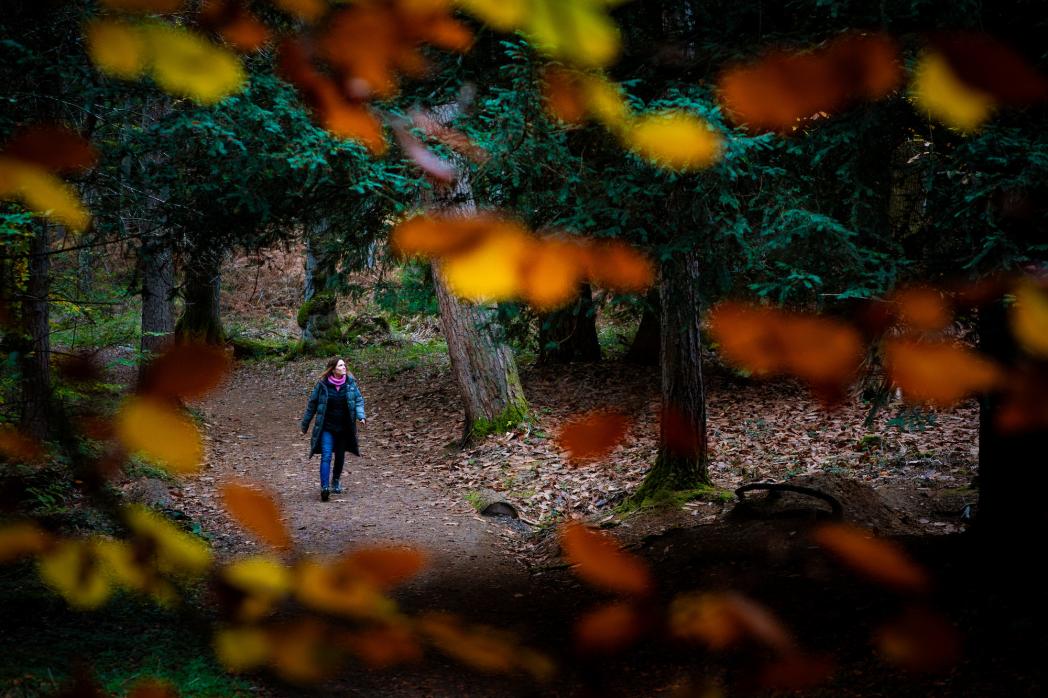
One of the most striking signs of the changing season is the transformation of our trees.[4]
As daylight hours shorten, deciduous trees begin to shut down the production of chlorophyll, the pigment that makes leaves green. Hidden shades of yellow and orange are gradually revealed, while reds are produced just as the leaves prepare to fall. The process helps trees conserve energy and reduce water loss during winter, [5] transforming woodlands from summer green to rich mosaics of gold, amber and crimson.[6]
Stocking up for winter
For many animals, autumn is a season of preparation. As food becomes harder to find and temperatures begin to fall, species across the UK are working hard to build up reserves for winter.
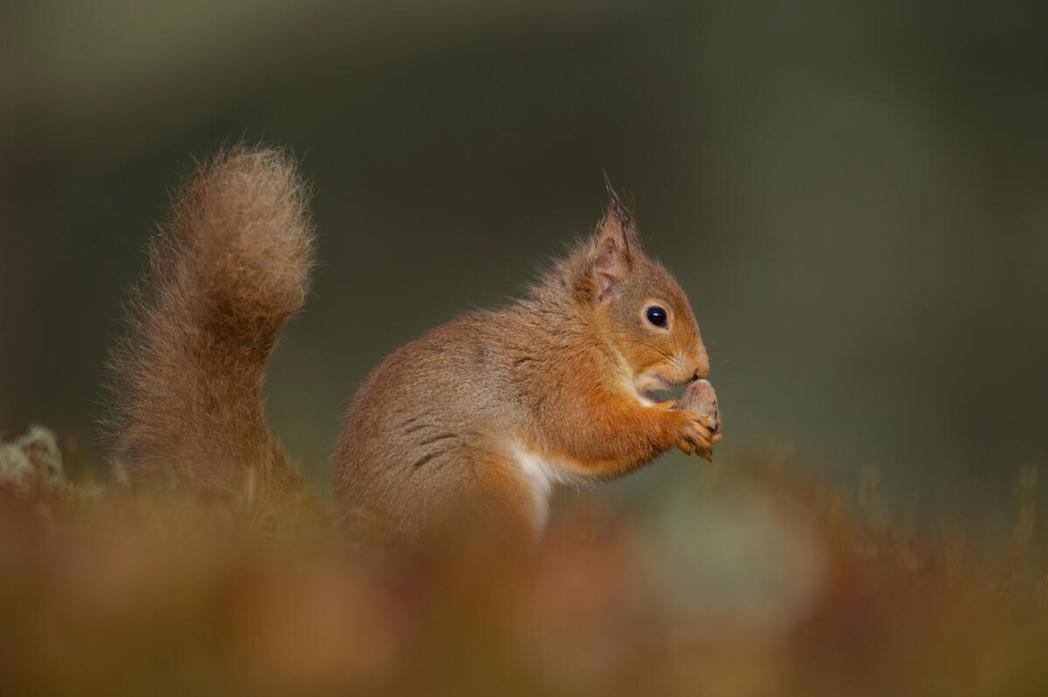
Squirrels can be seen burying nuts and seeds in parks, gardens and woodlands, returning to their hiding places when food is scarce. Not every stash is recovered, which helps new trees grow in unexpected places. [7]
They're not the only ones planning ahead. Jays, one of the UK's most colourful members of the corvid family, are famous for collecting and hiding thousands of acorns each autumn. [2] Although remarkable memories help them relocate many of their caches, some are forgotten, giving future oak trees the chance to take root.
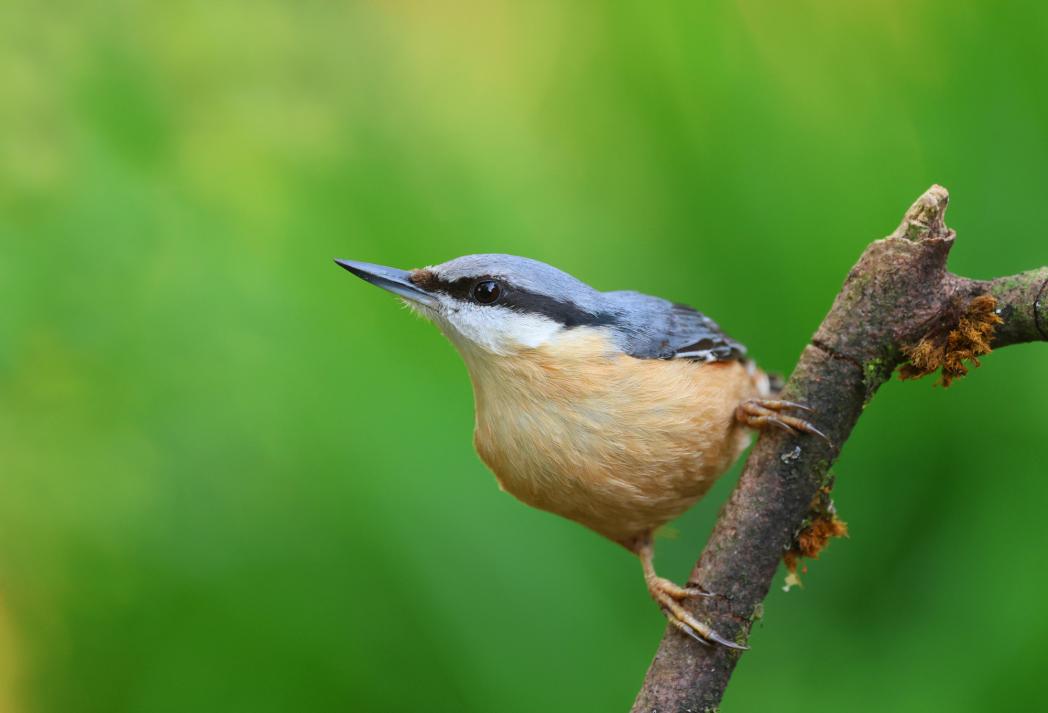
Nuthatches are busy too, wedging seeds and nuts into cracks in tree bark, creating miniature food stores they can return to during colder weather. [8]
Ivy flowers provide a final feast for pollinators before winter. Later, their berries will help sustain birds through the colder months. [4]
If you're walking through woodland this autumn, keep an eye out for acorns, beech mast and sweet chestnut scattered across the woodland floor. These seasonal treasures are a reminder that, while the year may be winding down, nature is making the most of autumn’s abundance.
Preparing for hibernation
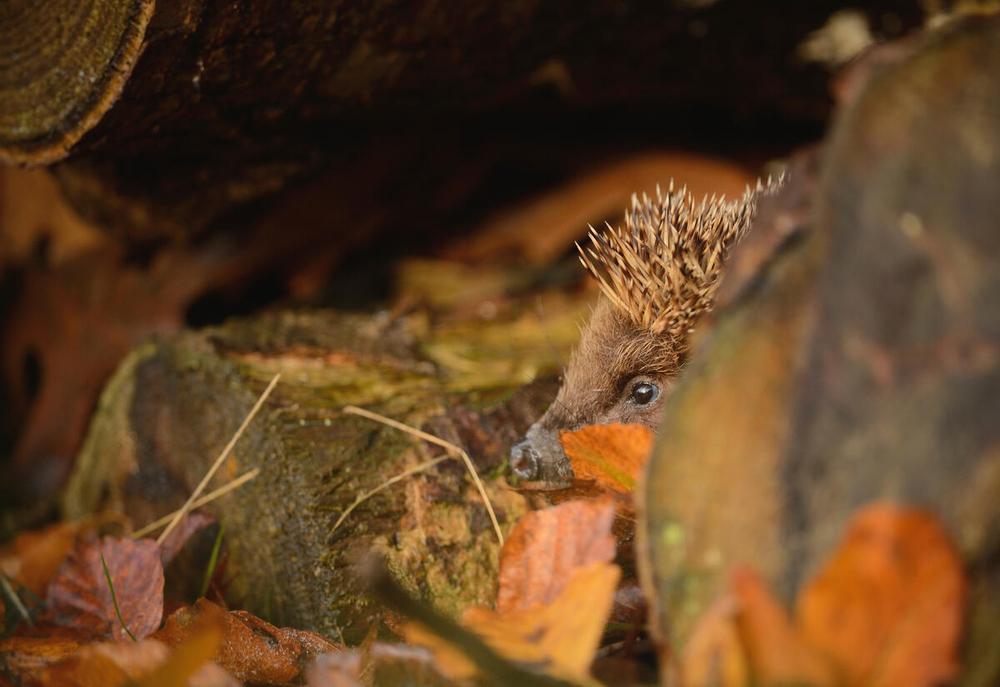
As leaves gather on the ground and nights grow longer, hedgehogs begin one of the most important periods of their year.
Throughout autumn, they build up fat reserves and search for safe places to hibernate. As they forage for insects, worms and other invertebrates, they also search for leaves, long grass, dense vegetation and other materials to create a warm nest.
You can help by leaving piles of leaves in quiet corners of your garden, creating log piles or installing a hedgehog house. What might look untidy to us can be a valuable lifeline for wildlife. You can also make sure there is a hedgehog-sized gap in your garden fence to allow them to move freely.
Hedgehog populations have declined significantly in many parts of the UK in recent decades, and they are now classified as Near Threatened, [9] so wildlife-friendly spaces where they can feed, shelter and successfully hibernate matter more than ever. [10]
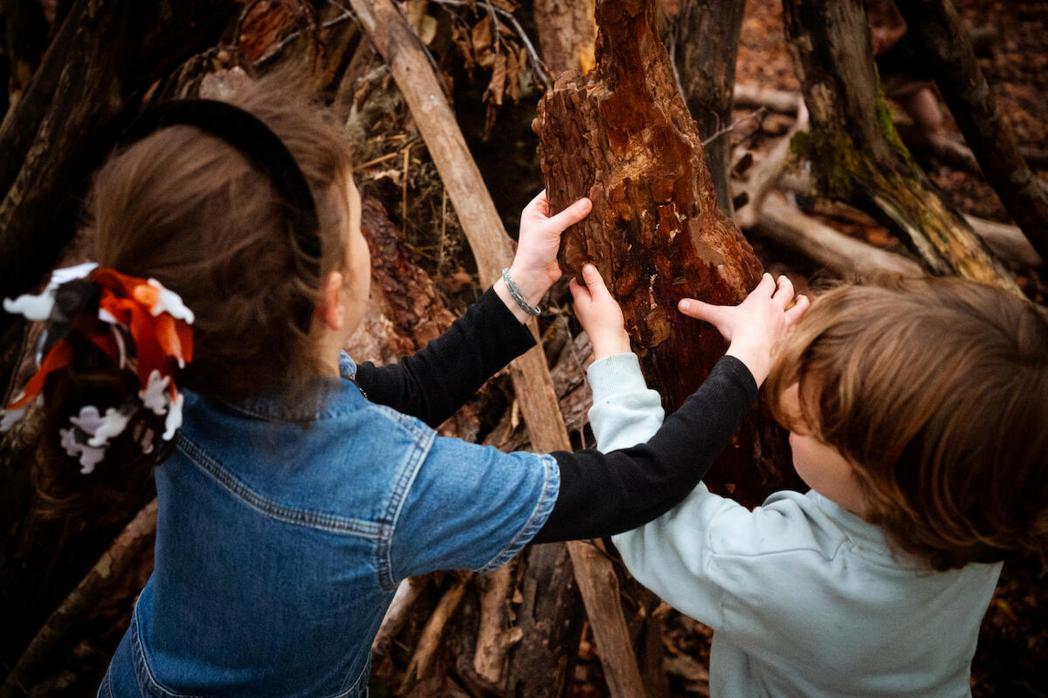
These habitats don't just benefit hedgehogs. Many insects seek refuge beneath loose bark, among leaf litter and inside fallen logs, seeking shelter from the colder weather that’s on its way. [2] Remember this if you’re planning a bonfire. Try to build it on the day you plan to light it and carefully check it for any hidden visitors beforehand.
Winter visitors arrive
While some birds leave the UK in autumn, others are just arriving.
As winter tightens its grip across Scandinavia, Iceland and other parts of northern Europe, millions of birds travel south in search of milder conditions and reliable food supplies. [3]
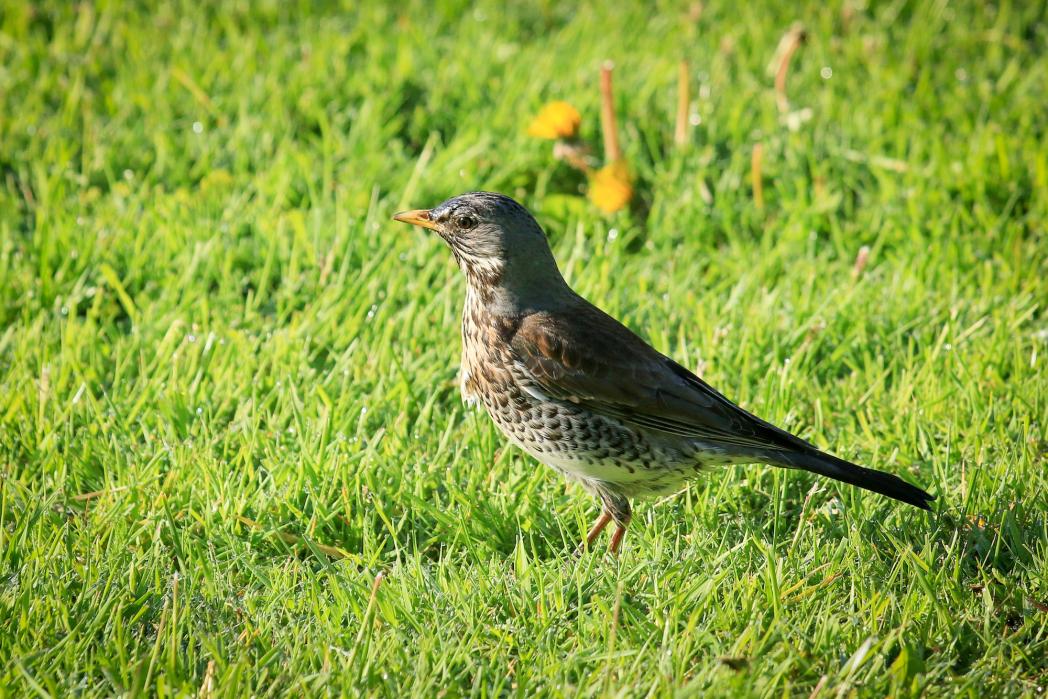
Look and listen out for redwings, recognised by their distinctive rust-red flanks, and fieldfares, larger thrushes that often gather in noisy flocks. Overhead, pink-footed geese arrive in huge V-formations from Iceland and Greenland, and barnacle geese escape the harsher Arctic winter. Robins continue to sing to defend their territories, bringing bursts of birdsong to cold mornings when many other species have fallen quiet. [11]
For many people, the sight and sound of these birds overhead is one of autumn's defining wildlife moments. Listen carefully and you'll hear nature's soundtrack shifting, from the energetic chorus of summer to the calls of birds arriving for the winter ahead. [3]
Beneath Fallen Leaves
While hedgehogs, squirrels and migrating birds prepare themselves for winter, something else is going on underfoot.
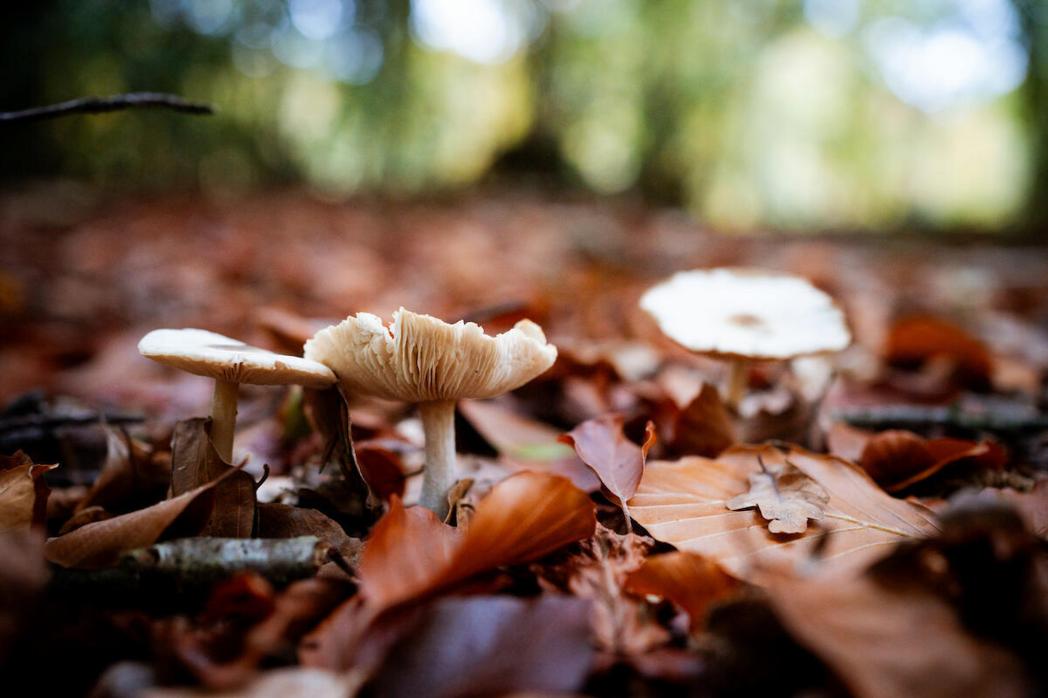
Woodland floors become dotted with fungi, from delicate toadstools to broad-brimmed mushrooms, that feed on fallen leaves and dead wood. Far from being just a seasonal spectacle, these fungi play a vital role in breaking down organic matter and recycling nutrients within the ecosystem. [4]
With around 15,000 species recorded in the UK, [12] fungi are more diverse than most people realise. Autumn is a great time to discover their remarkable variety of shapes, colours and textures. Just remember to admire them where they are, as some species can be harmful and fungi are a valuable habitat and food resource for wildlife.
As the nights draw in
As daylight fades earlier each evening, a different side of autumn is revealed.
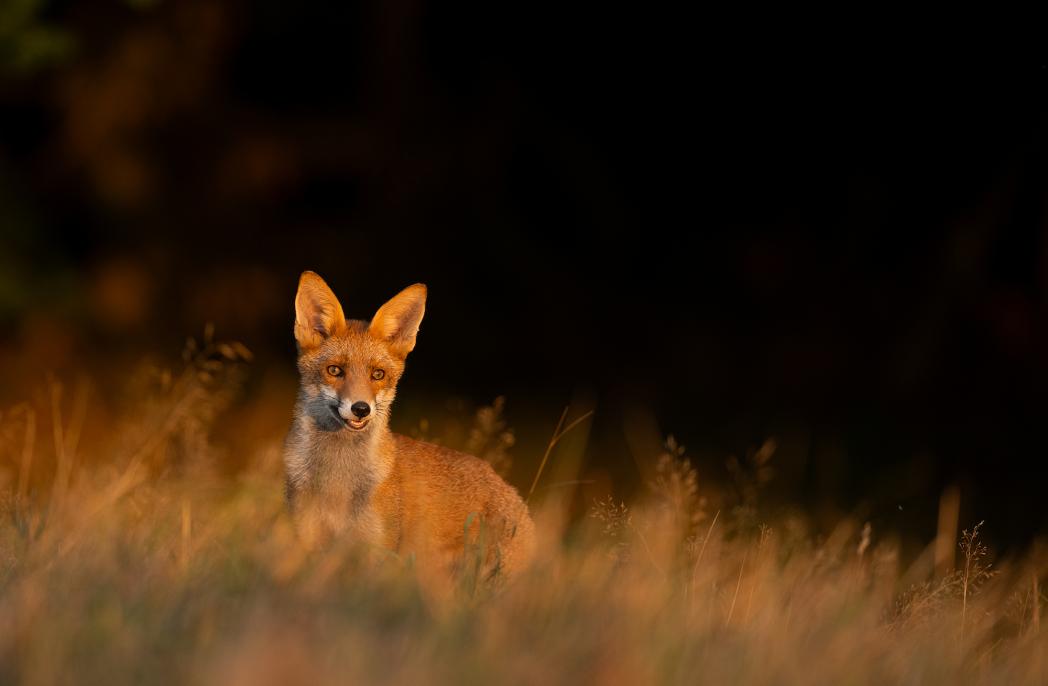
Tawny owls become more vocal, their familiar calls carrying through the darkness as they begin establishing territories ahead of the breeding season. [2] Foxes can often be spotted at dawn and dusk patrolling through parks and gardens in search of food, [13] while badgers emerge earlier from their setts under the cover of darkness to continue their nightly foraging before becoming less active during the coldest months of winter. [14]
On milder evenings, some bats may still be seen on the wing, taking advantage of any remaining insect prey before entering hibernation. [15]
Together, these twilight encounters reveal a different side of autumn, one that becomes more visible as the nights lengthen and winter approaches.
Take time for nature
On the day the clocks go back, many of us gain an extra hour. Why not spend some of that time outdoors?
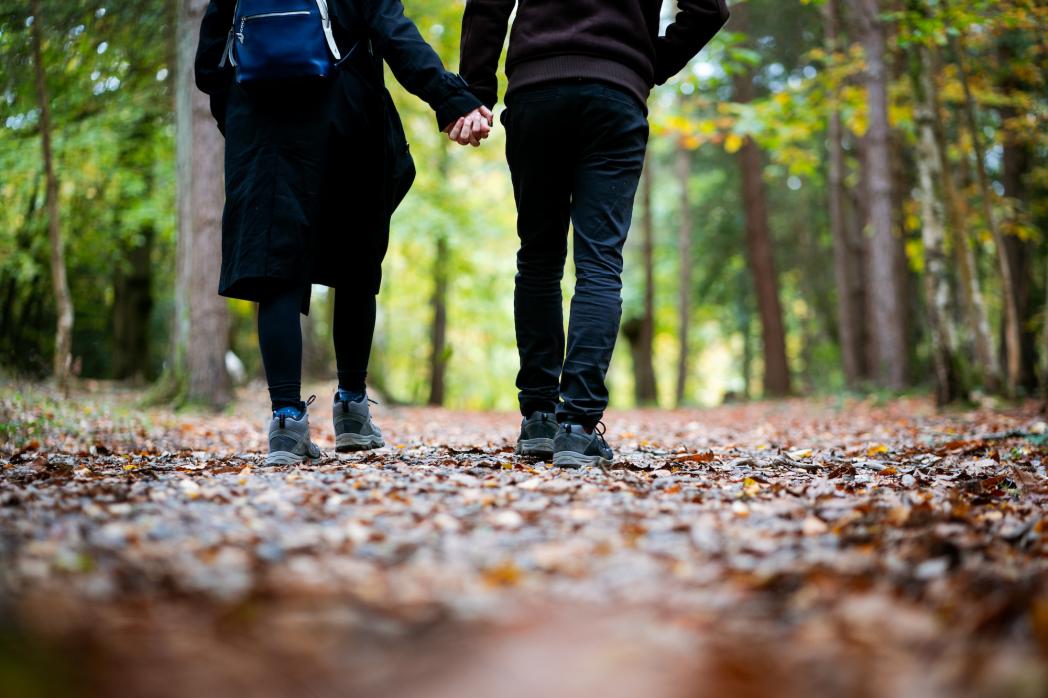
Whether you're listening for the calls of winter visitors, watching leaves drift from the trees or looking out for signs of wildlife taking advantage of nature’s final bounty, autumn offers countless opportunities to connect with nature.
By paying attention to the changing colours, sounds and wildlife around us, we can witness the seasons unfolding exactly as they have for thousands of years. An extra hour may not seem like much, but it can be enough to discover fungi on a woodland path, spot a hedgehog rustling through fallen leaves or hear the call of a tawny owl. The more connected we are to nature, the more nature restores us, and the more likely we are to help protect it for future generations.
-
 © WWF-UK
Author
Hanna Brunt, Copywriter & Editor, WWF-UK
/
Have a question about this article?
Get in touch: contentunit@wwf.org.uk
Sources
- Royal Museums Greenwich, When do the clocks go back? https://www.rmg.co.uk/stories/time/when-do-clocks-go-back
- Forestry England, A busy season for wildlife, https://www.forestryengland.uk/blog/autumn-wildlife
- RSPB, Which birds head to the UK for winter?, https://www.rspb.org.uk/birds-and-wildlife/autumn-arrivals
- Woodland Trust, First signs of autumn: 6 seasonal changes to look out for, https://www.woodlandtrust.org.uk/blog/first-signs-of-autumn-6-seasonal-changes-to-look-out-for/
- Forestry commission, Welcoming autumn: a season of transition, https://forestrycommission.blog.gov.uk/2025/09/16/welcoming-autumn-a-season-of-transition/
- The national forest, the turning giants of autumn in the National Forest, https://www.nationalforest.org/whats-new/article/the-turning-giants-of-autumn-in-the-national-forest
- National History Museum, Squirrels in the UK: What they’re up to, when and why, https://www.nhm.ac.uk/discover/uk-squirrel-behaviour-what-when-and-why.html
- BTO, Caching food: saving for a rainy day, https://www.bto.org/learn/about-birds/behaviour/caching-food
- Red list, Western European Hedgehog, https://www.iucnredlist.org/fr/species/29650/213411773
- Scottish SPCA, When and Why Hedgehogs Hibernate, https://www.scottishspca.org/advice/hedgehog/when-and-why-hedgehogs-hiberernate/
- BBC, How does winter weather affect birdsong?, https://www.bbc.co.uk/weather/articles/czr1em8regxo
- Royal Botanic Gardens Kew, Rare British fungi: genuinely uncommon or simply ignored?, https://www.kew.org/read-and-watch/rare-british-fungi
- RSPB, foxes in the UK, https://www.rspca.org.uk/adviceandwelfare/wildlife/foxes
- Department of Agriculture, Advice on badgers, https://www.daera-ni.gov.uk/articles/advice-badgers
- Woodland Trust, Do bats hibernate in Winter? https://www.woodlandtrust.org.uk/blog/do-bats-hibernate-in-winter-and-more-bat-facts/