
A Truly Wild Father’s Day
Accurate at time of publication: 09 June 2026
Across oceans, forests, grasslands, snow and ice, our animal dads show that fatherhood isn’t just about brute strength - it’s about patience, sacrifice and care.
From male seahorses carrying new life within them to emperor penguin fathers enduring freezing temperatures and months without food, these remarkable dads remind us that raising the next generation is one of nature’s greatest challenges and greatest achievements. Celebrate the fathers of the natural world with us this fathers day.
Seahorse
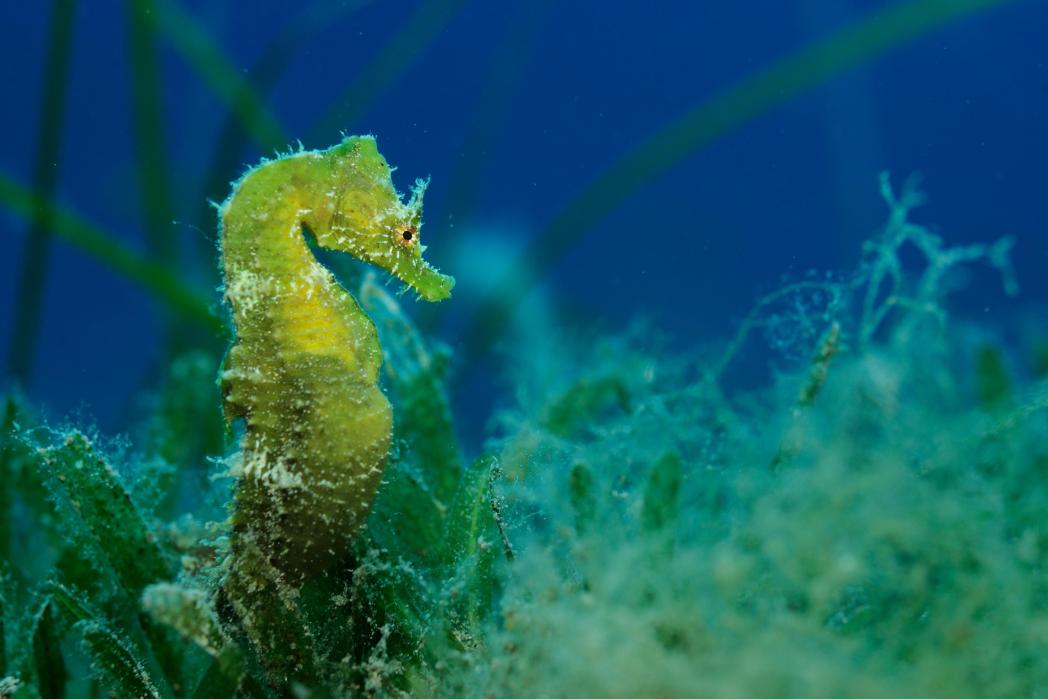
Male seahorses turn parenting on its head because they’re the ones who get pregnant and give birth. After the female deposits her eggs into the male’s brood pouch, he fertilises and incubates them until about 14 to 28 days later, he gives birth to dozens, sometimes even hundreds, of fully formed baby seahorses.
Emperor penguin
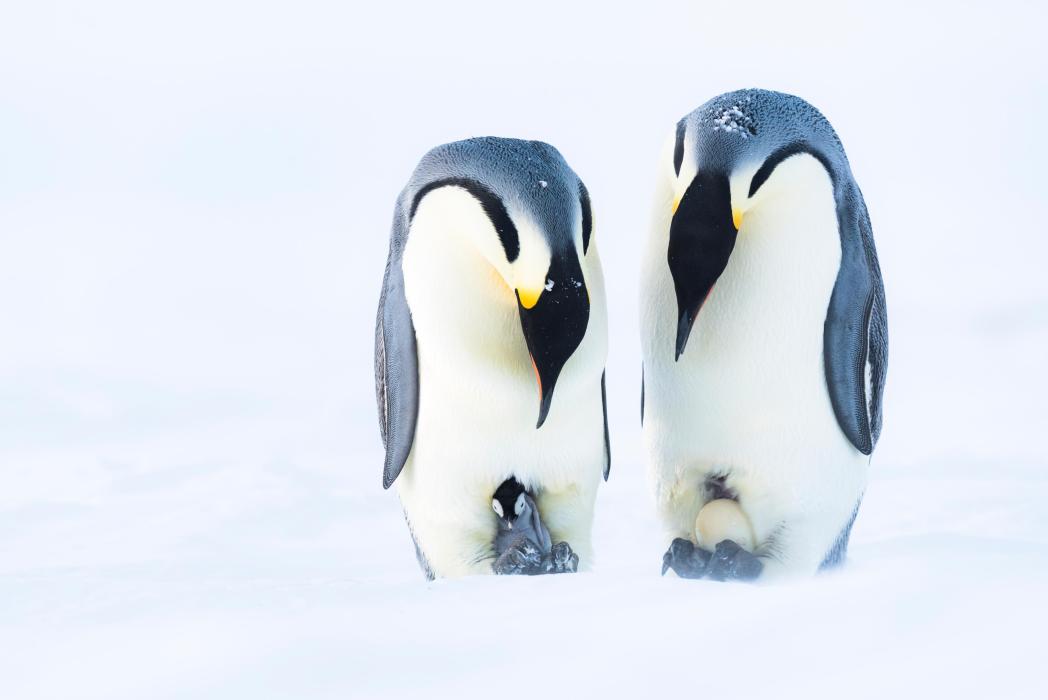
Male emperor penguins endure one of the most extreme fatherhood challenges on Earth. After the female lays her egg, she heads back to the sea to feed, leaving the male to keep the egg safe and warm through the brutal Antarctic winter - enduring temperatures as low as – 58°F (- 50°C), winds up to 124 mph (200 kph), and weeks of darkness.
For more than two months without food, he balances the precious egg on his feet and covers it with a fold of skin and feathers called the brood pouch, depending on his fat reserves to survive. This pouch keeps the egg warm, protected and insulated from the extreme cold of the Antarctic. When the female finally returns, he can at last make his long journey to the sea for a well-earned meal.
Rhea
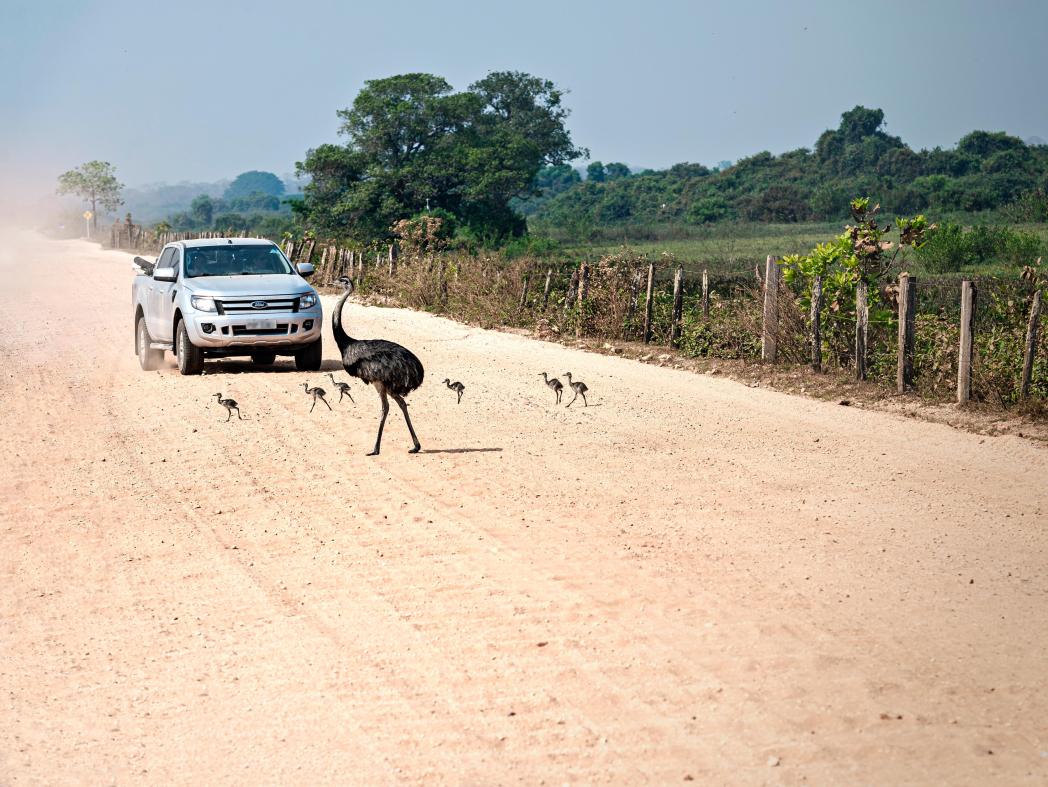
Male rheas might be the ultimate “daddy daycare” champions of the animal kingdom. They build the nest, incubate eggs from multiple females, and raise the chicks entirely on their own. A devoted male may incubate up to 50 eggs for six weeks in a single nest on the ground, often surviving on very little food and rarely leaving his post. Once the chicks hatch, he protects them fearlessly from predators, teaches them to forage and cares for them for the first six months. Their parenting instincts are so strong that males will often adopt stray or orphaned chicks, gathering together enormous mixed broods.
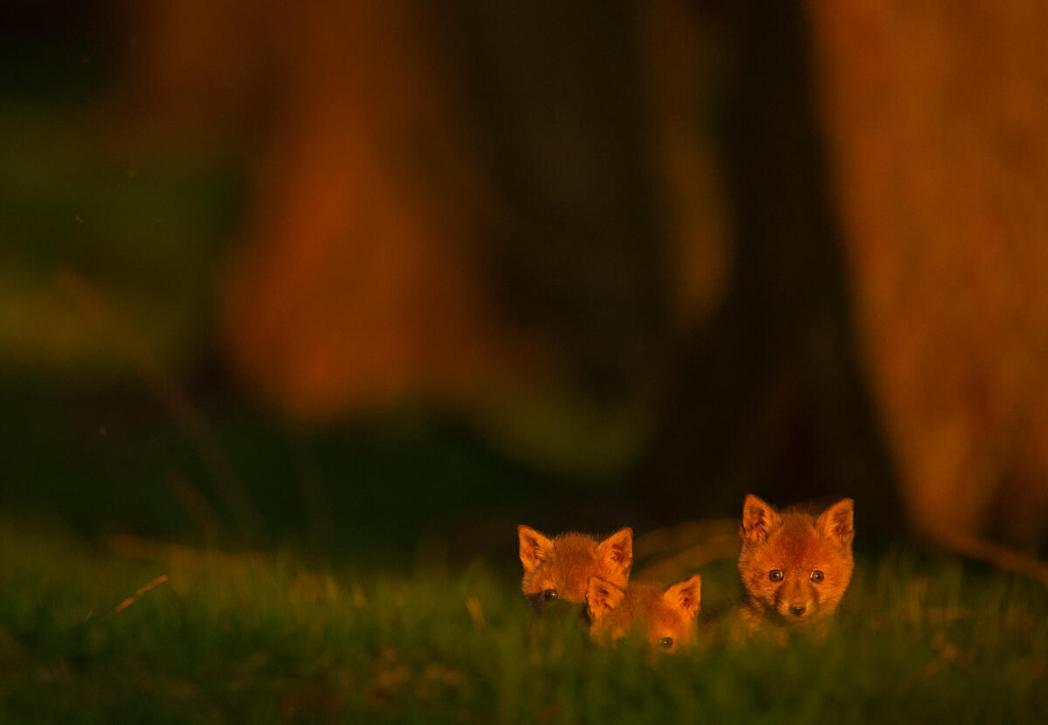
Red fox
Red fox fathers are dedicated providers, playing a vital role in keeping the family thriving during the early weeks of life. After the female gives birth, the father brings food to the den every few hours, allowing the mother to stay with the kits, who are blind, vulnerable and entirely dependent on their parents. As the young grow, the male red fox continues to support his family, helping to feed and protect the young as they begin to explore the world beyond the den.
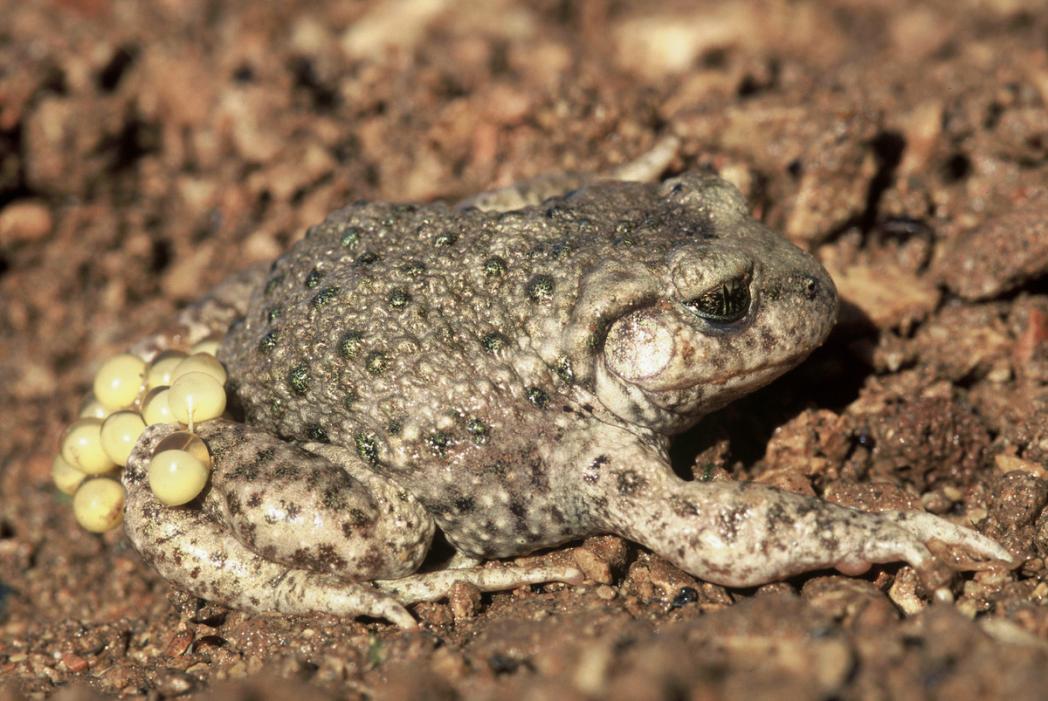
Midwife toad
While male seahorses carry the fertilised eggs within their body, male midwife toads carry the eggs around on their hind legs. Most frogs and toads lay eggs in the water, but that leaves them vulnerable to predators. By keeping them safely tucked on his hind legs for up to six weeks, the male midwife toad takes care of them until they are ready to hatch. He’ll hide away under logs and other dark places to help keep his skin damp, taking the occasional dip to freshen up. When the eggs are ready to hatch, he will take them to shallow water, so the newly hatched tadpoles are ready for their next stage of life.
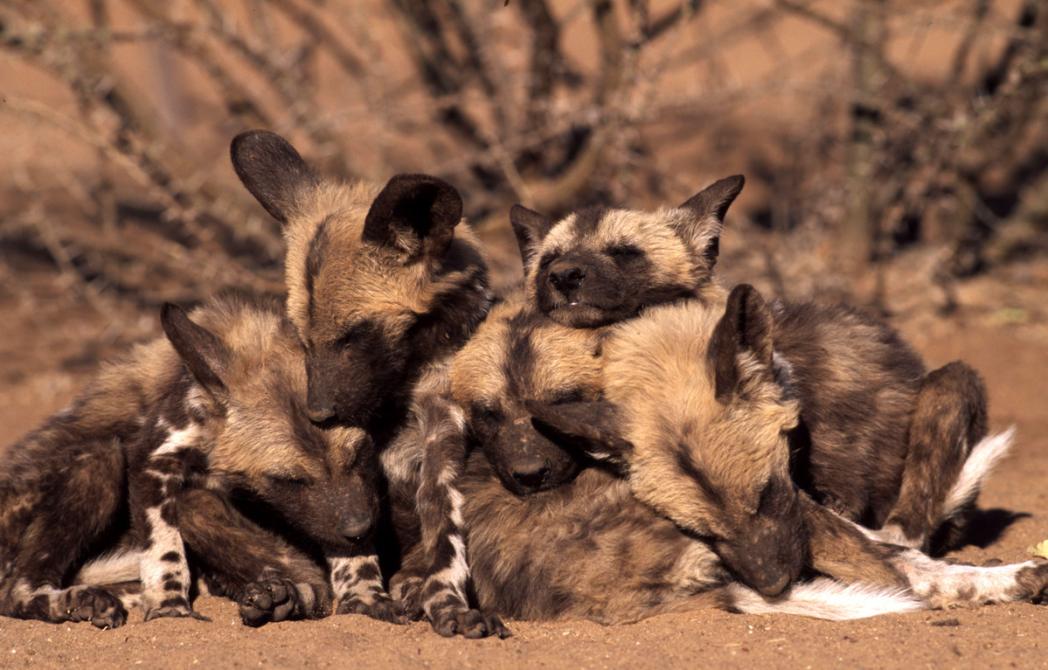
African Wild Dog
African wild dog pups are extremely active and expend quite a few calories throughout the day. Since the pups are unable to eat solid foods until they are about 10 weeks old, their father will swallow food and then regurgitate a ‘softer’ version for the pups to eat, making sure they get enough nourishment. Some parents will stop at nothing to make sure their kids have a square meal!
This feeding practice serves another purpose, too; since the pups have to rely on their father for food, it keeps them from wandering too far from home, so they don’t fall prey to potential predators.
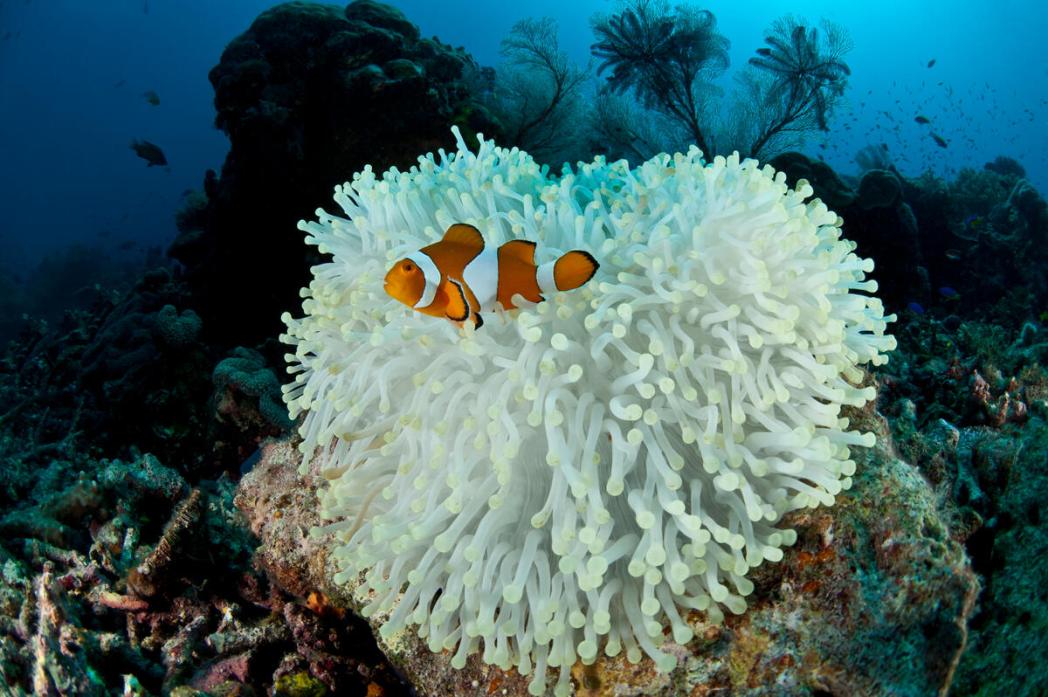
Clownfish
Clownfish are doting fathers. After the female lays a clutch of eggs, the male clownfish will fertilise them and take on the lion’s share of the work. He will guard the eggs for six to ten days, fanning them with his fins. This is a crucial part of successful development, as it helps oxygenate the eggs and remove waste from the nest site.
Perhaps most interestingly, clownfish dads can become mums, too! If the dominant female dies, the largest breeding male will change its sex, becoming female. The largest juvenile clownfish in the colony (which usually consists of a reproductive male, a reproductive female, and several male juveniles) then undergoes rapid growth to become the new breeding male.
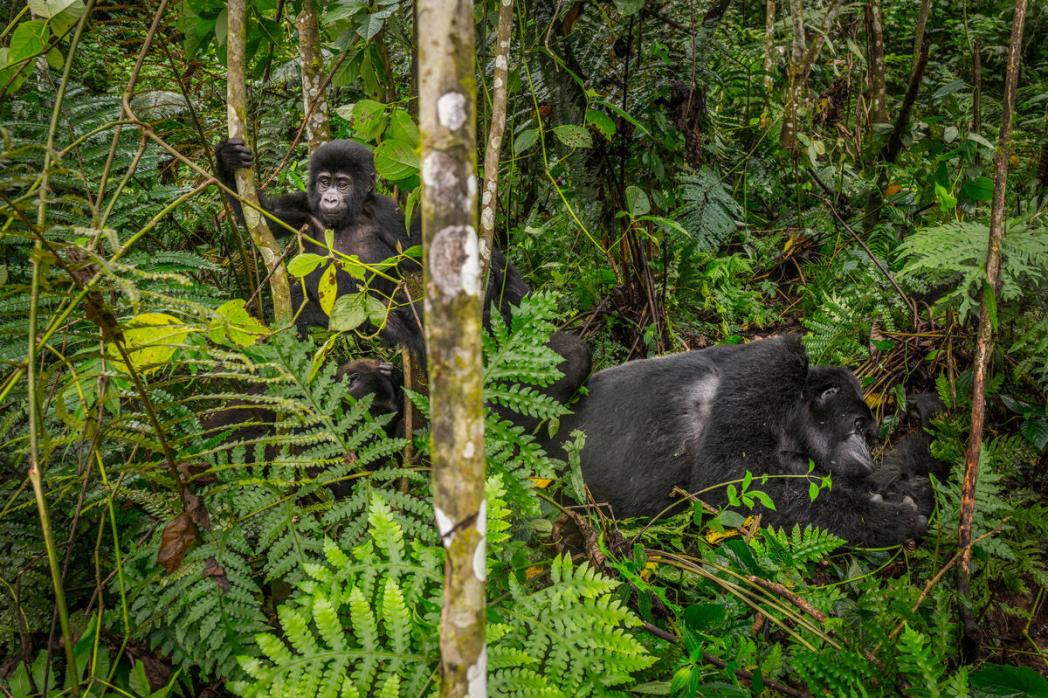
Mountain gorilla
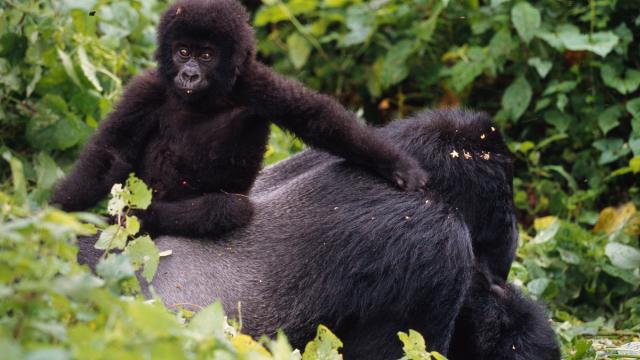
Silverback mountain gorillas are both powerful protectors and gentle caregivers. Dominant silverback males lead cohesive families, defending them from threats and deciding where to feed and rest.
But their role goes far beyond protection. Silverbacks are deeply involved in family life and often play an important role in infants’ upbringing from socialising with the youngsters to offering reassurance and stability within the group. They can also play an especially important role in caring for youngsters who become separated from their mothers at an early age. Infants often stay close, using the silverback as a safe base while they explore their new surroundings.
-
 © WWF-UK
Author
Hanna Brunt, Copywriter Editor, WWF-UK
/
Have a question about this article?
Get in touch: contentunit@wwf.org.uk