
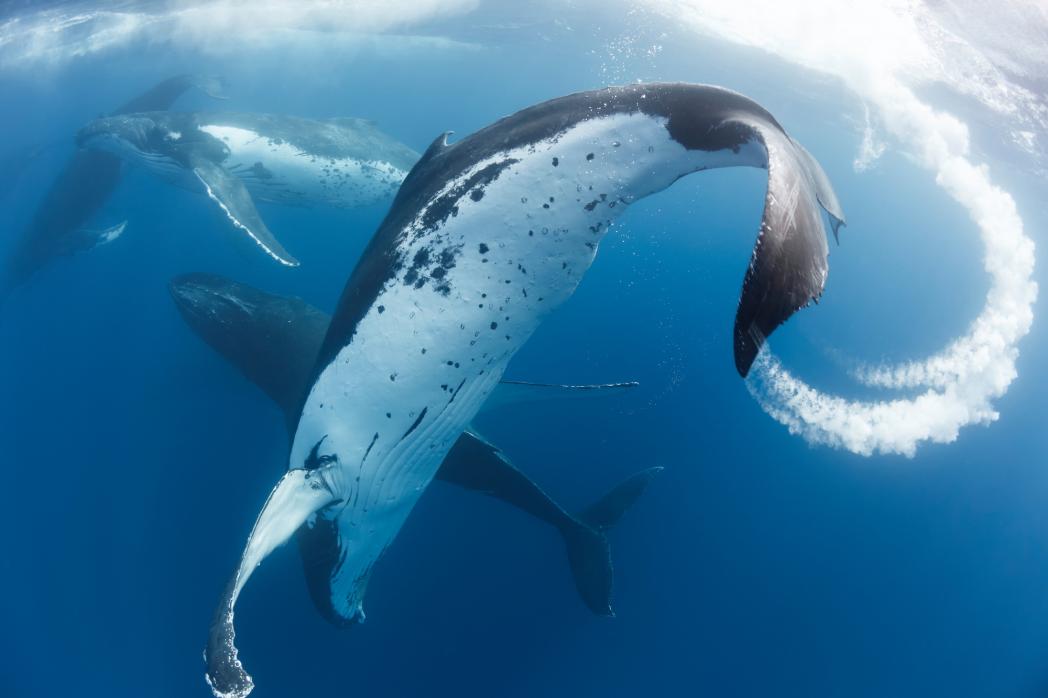
Each year, between July and October, hundreds of humpback whales gather in the warm waters off northern Peru to breed and nurse their calves.[1] While the importance of these areas are well known, much of their movements after remain a mystery. Scientists still know little about how these whales move through the Pacific, the habitats they rely on throughout their migration, and the other whale populations they interact with.
To help close this knowledge gap, WWF-Peru and partners set out to track humpback whales off Peru in late October 2025, a first of its kind project using satellite tags. The tags send GPS signals whenever the whales surface, making it possible to track their daily and seasonal movements, recording detailed information on migratory routes and priority areas for conservation.
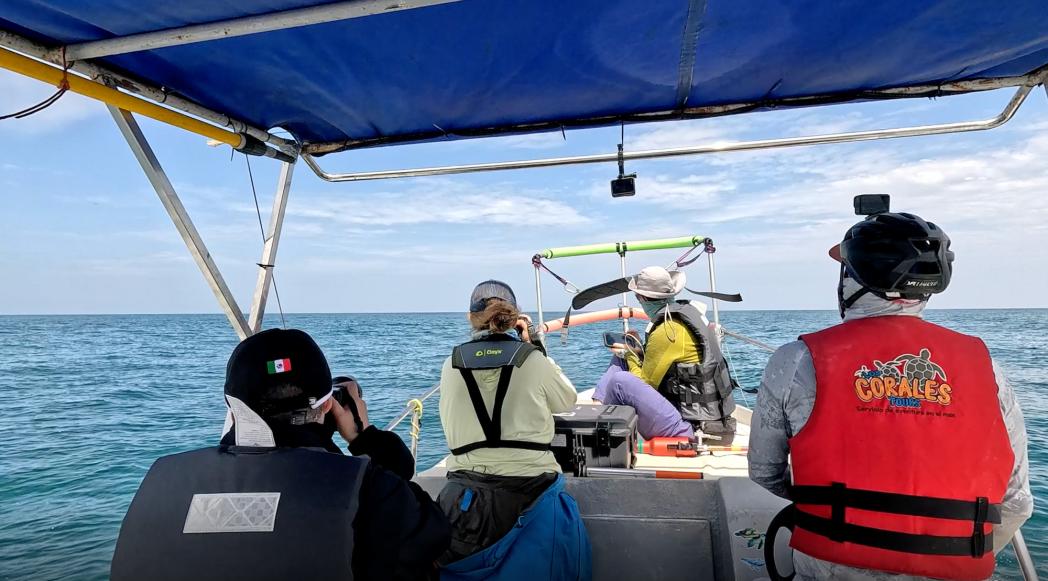
Three adult humpbacks were successfully tagged. The researchers named them Wallina, Encanto and Tuta. Each was accompanied by her calf as they began their return journeys to southern feeding grounds. Encanto was named after a well-known hill, ‘El Encanto’, located in the coastal community where the tagging was carried out. Wallina comes from the Indigenous Quechua word for 'whale'. In Tuta’s case, when tagging her, the team noticed she was accompanied by a very small calf, no more than two weeks old. Such a late birth is quite unusual for the end of the breeding season. For that reason, they decided to name her Tuta – ‘Late’ in Quechua.
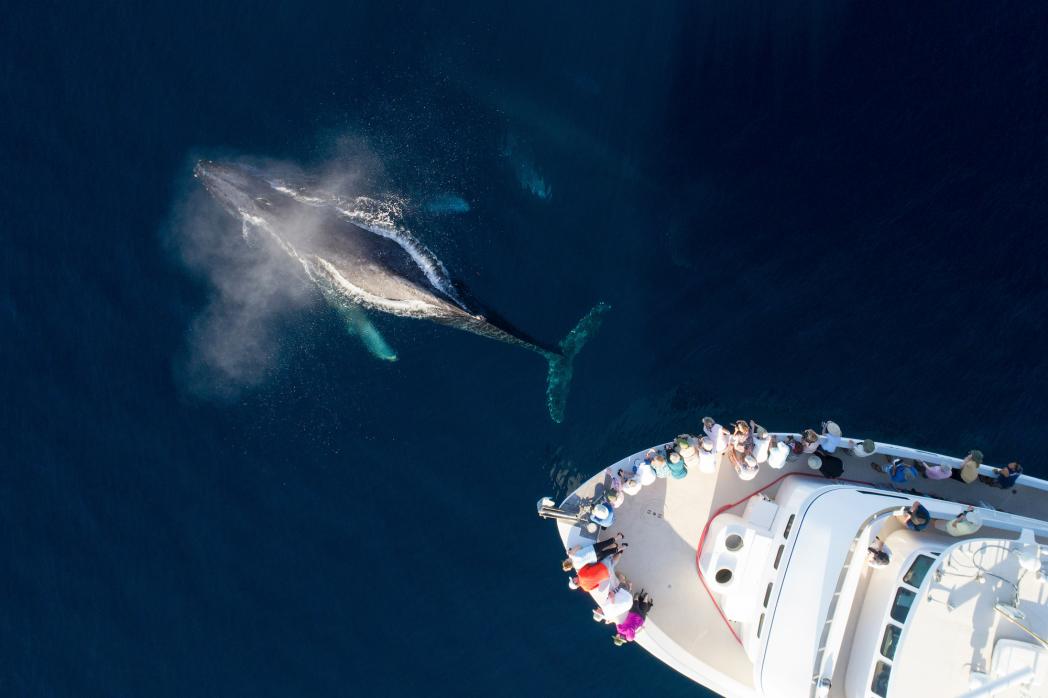
The tags confirmed that the during their journey south, these whales passed through areas of intense fishing and shipping activity. Thanks to this research, we can now see what was once invisible, helping us to understand what the whales are doing on a day-to-day basis in a non-invasive way. Tags are the only way to comprehensively understand how these whales use their habitat.
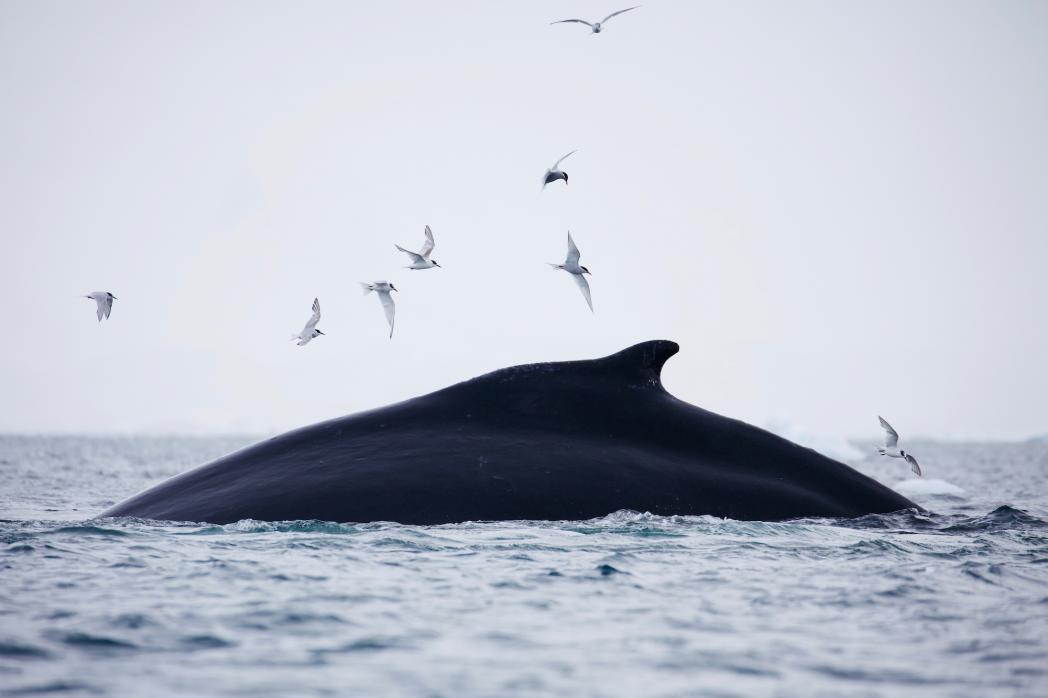
The tag on the whale named Tuta remained attached the longest, and has revealed quite a journey. Over 89 days of continuous migration, this whale travelled more than 6,800km from Peru to the Antarctic Peninsula.[2] This provides concrete evidence of something conservationists have been saying for years – whales know no borders! So, efforts to protect them must also look beyond borders.
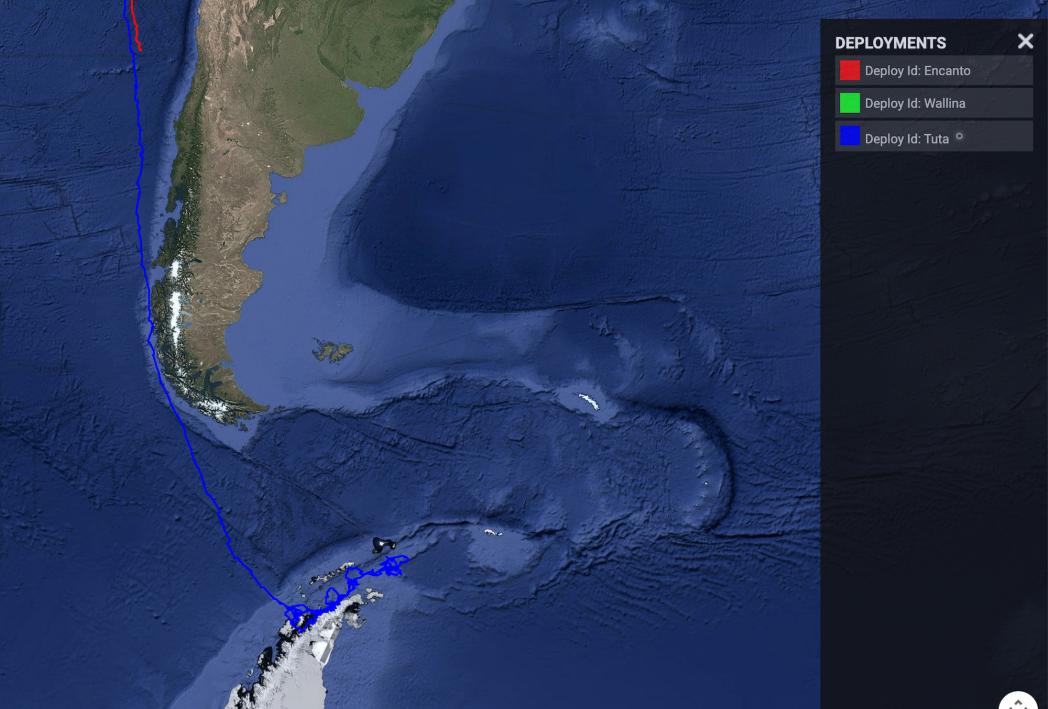
For several years, WWF has been developing the Eastern Pacific Blue Corridor initiative, a regional vision to protect migratory routes of highly mobile species including humpbacks like Tuta, as well as blue, fin and sei whales. This marine corridor extends from Mexico all the way to the Antarctic Peninsula, crossing national and international waters. The initiative’s objective is to maintain ecological connectivity across the corridor - between feeding, breeding, and nursery areas, reducing threats such as collisions with vessels, underwater noise, bycatch, pollution, and the accelerated impacts of climate change on marine wildlife.
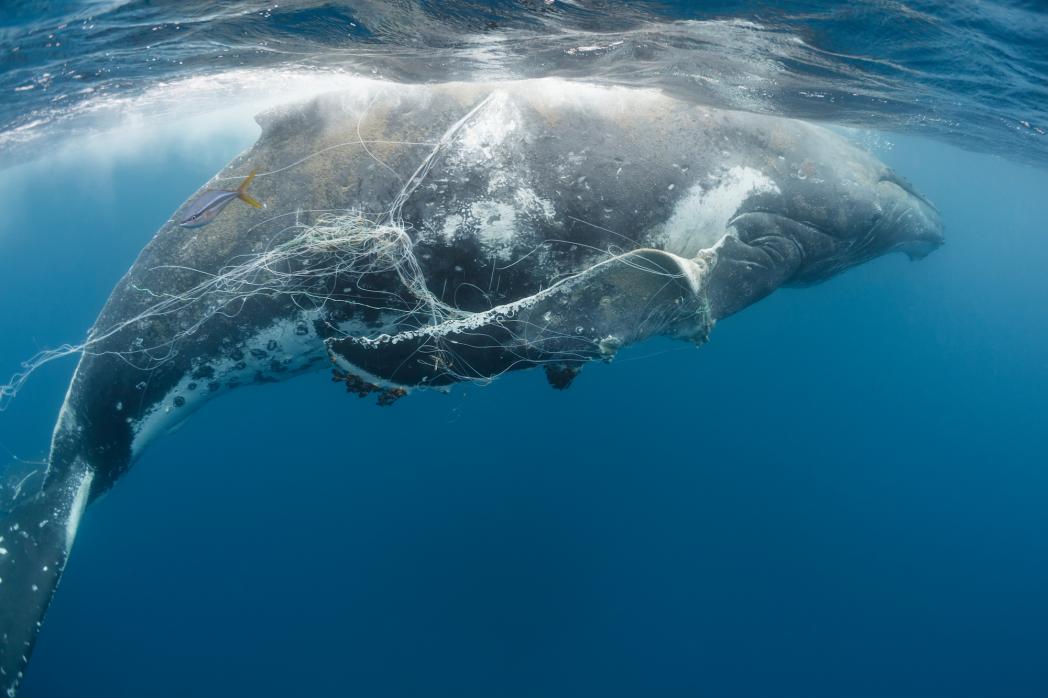
After her epic journey, Tuta’s movement slowed, suggesting she was searching for food in the cool Antarctic waters. It is expected that Tuta has been feeding here intensively over the last few months to accumulate the energy necessary to complete the migratory cycle north again.
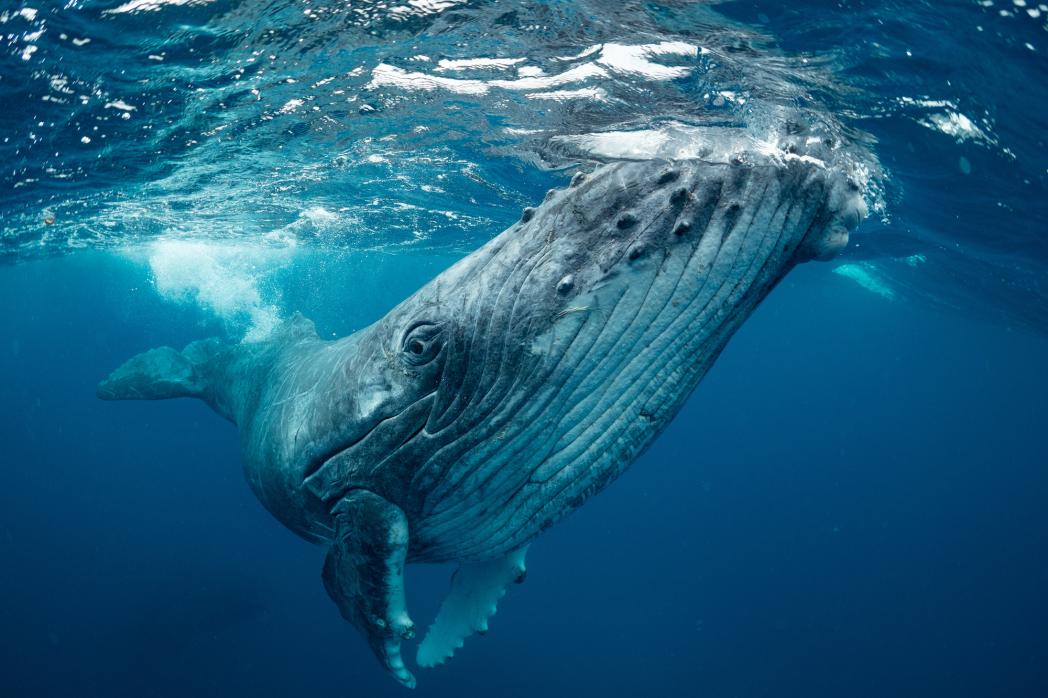
This tracking data demonstrates why protecting migration routes across the Pacific is so important, helping to guide conservation efforts for whales, like Tuta, and other wildlife that use these blue corridors.
-
 © Bethany Whant
Author
Bethany Whant, Stories & Content Researcher, WWF-UK
/
Have a question about this article?
Get in touch: contentunit@wwf.org.uk