
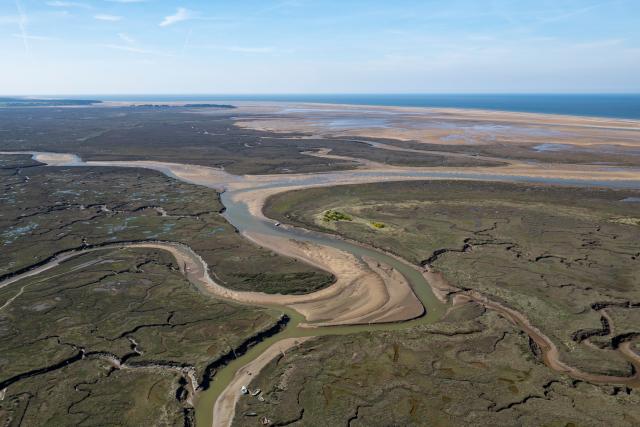
Sounds of saltmarshes
Features of a saltmarsh
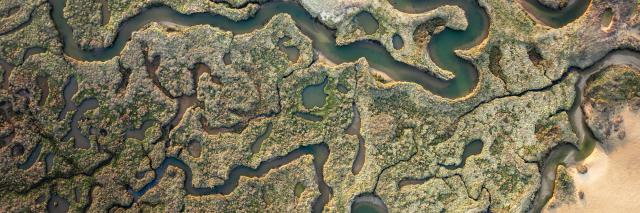
Saltmarshes are unique coastal habitats found where rivers meet the sea. They may look like peaceful, muddy meadows - but they’re full of life and incredibly important for both people and nature. Here’s some of their key characteristics:
-
 © ScotlandBigPicture.com/ WWF-UK
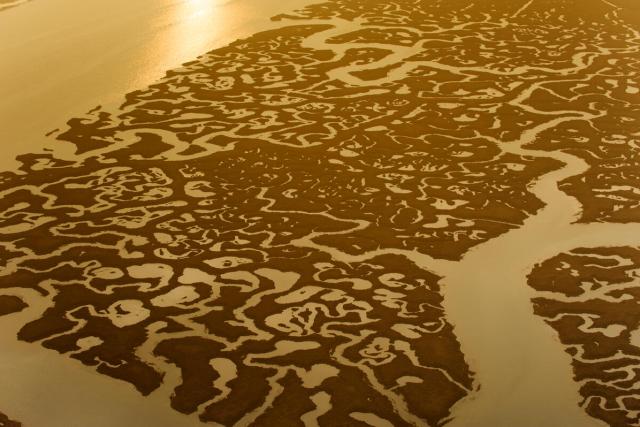
Tidal movement
MoreClose Saltmarshes flood and drain with the tide every day. This movement shapes the land and brings in fresh nutrients that feed plants and animals. The rhythm of the tides is what form a saltmarsh, supporting many different species that have adapted to life in this changing environment between land, rivers and sea.
-
 © Rose Summers / WWF-UK
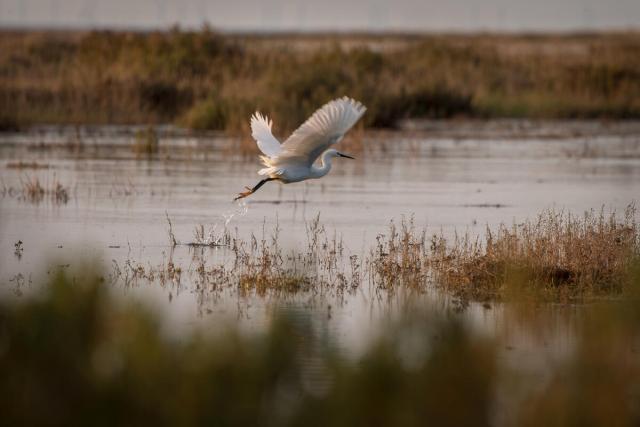
Wildlife hotspots
MoreClose Saltmarshes are bursting with life. Birds, fish, crabs, and insects all rely on them for food, shelter, and safe places to raise their young. Some migratory birds travel thousands of miles just to rest and refuel in saltmarshes, making them one of the most important habitats for coastal wildlife around the world.
-
 © Cvandyke / Shutterstock / WWF-UK
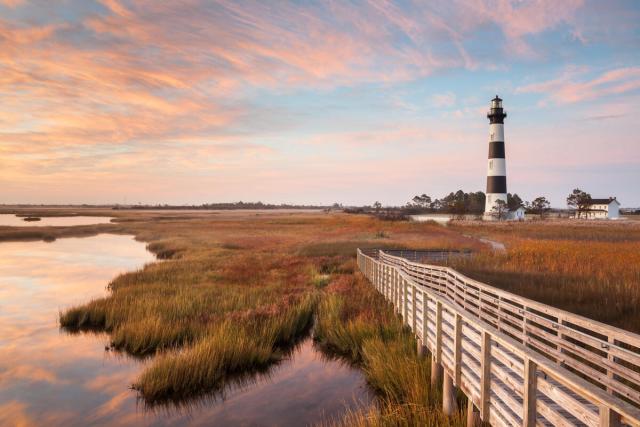
Natural flood defences
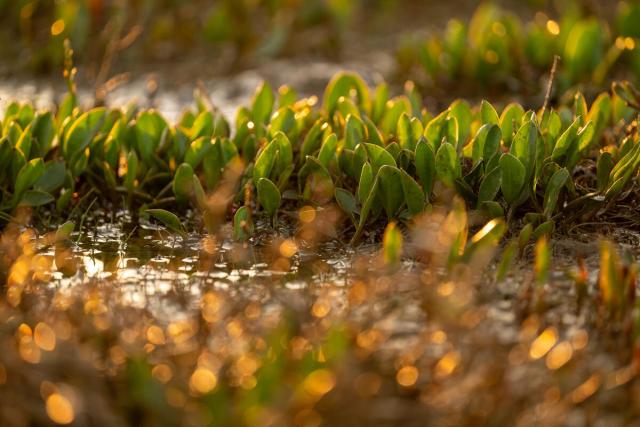
MoreClose Saltmarshes help protect our coasts. When waves or storms hit, these wetlands act like natural barriers: absorbing water, reducing erosion, and helping prevent flooding. They’re especially important for nearby communities, providing an effective way to help fight coastal flooding.
-
 © Rose Summers / WWF-UK
Carbon storage
MoreClose Saltmarshes are powerful carbon sinks. Their plants trap carbon dioxide from the atmosphere and store it in the soil – often at rates faster than other habitats. This makes them a natural ally in the fight against climate change, helping to remove greenhouse gases from our atmosphere.
/
Saltmarshes around the world
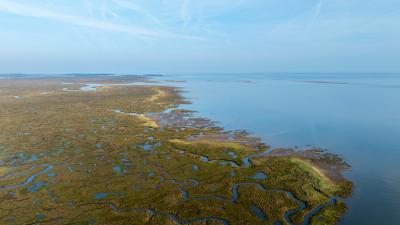
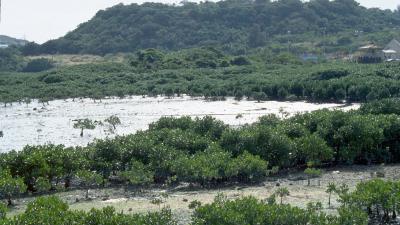
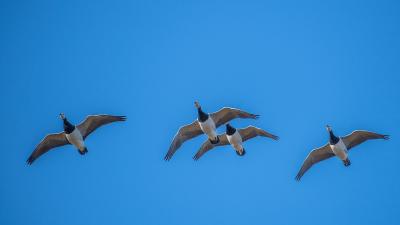
Saltmarshes are found on every continent except Antarctica - spanning coastlines from temperate zones to the tropics. Though often overlooked, these intertidal habitats are vital ecosystems. They protect coasts from storms, store vast amounts of carbon, and support rich biodiversity. Whether in the UK, China, Australia, or Argentina, saltmarshes quietly contribute to the health of our planet.
-
 © Joseph Gray / WWF-UK
 -
 © WWF-Japan / Mima Junkichi / WWF
 -
 © Ola Jennersten / WWF-Sweden
Wildlife that live in saltmarshes
Saltmarshes provide food, shelter, and safe spaces for many animals. Birds stop here during long migrations, fish use the shallow waters to grow up, and insects, crabs, and even small mammals make their homes in the muddy ground and tall grasses.
-
 © Joseph Gray / WWF-UK
Migratory birds
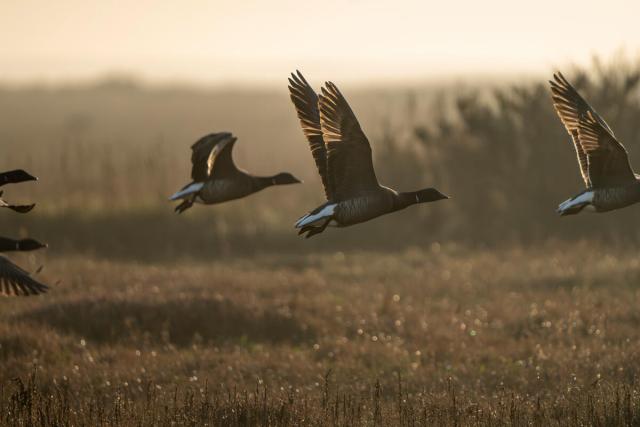
MoreClose Saltmarshes are like pit stops for birds on long journeys. Every year, millions of birds fly thousands of kilometres between places where they breed and where they spend the winter - these paths are called flyways. Saltmarshes give them a place to rest and eat along the way. Without saltmarshes, many birds wouldn’t have the energy to finish their journey. Some even rely on the same marshes every year!
-
 © Neil Aldridge / naturepl.com / WWF
Fish nurseries
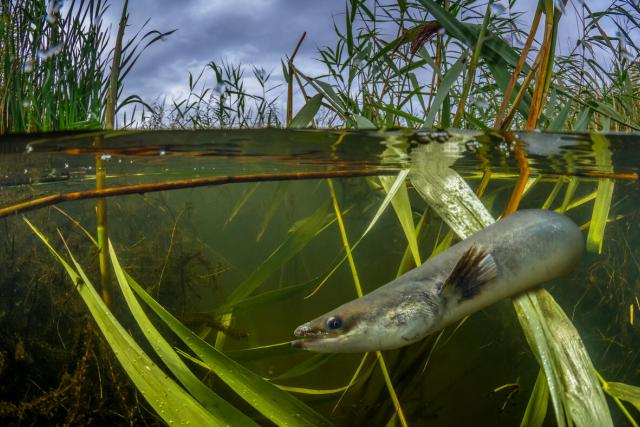
MoreClose For many fish, saltmarshes are the perfect place to grow up. The shallow, calm waters and thick plants protect young fish from bigger predators. Some species come here just to lay their eggs, while others spend their early lives hiding in the muddy creeks before swimming out to sea. Without saltmarshes, many fish populations - including ones people eat – would struggle to survive.
-
 © Greg Armfield / WWF-UK
Incredible insects & awesome arachnids
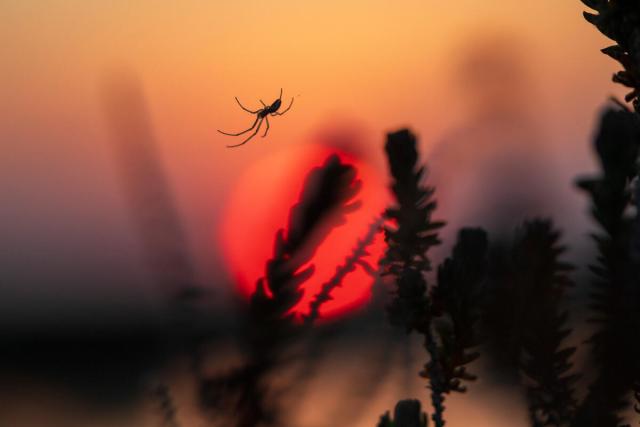
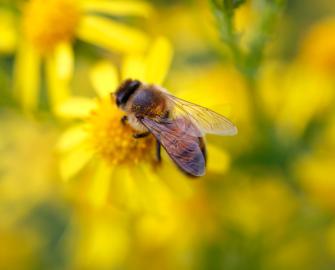
MoreClose Saltmarshes are buzzing with insect life. From butterflies and bees to beetles and flies, insects help saltmarshes stay healthy. Some pollinate the flowering plants, while others break down old leaves and feed birds and fish.
Even the spiders have adapted to the tides. As seawater floods the marsh, some climb the vegetation to escape, while others simply wait it out underwater, surviving for hours until the sea retreats.
/
Why are saltmarshes so important?
Saltmarshes are powerful allies in the fight against climate change. Their muddy soils lock away large amounts of carbon – capturing it from the atmosphere through the plants that grow there, and from the sea as the tide brings in organic material from the ocean. They are so effective, in fact, that they have been known to store carbon at rates up to 10 times higher than terrestrial forests.
They also help us adapt to the effects of a changing world. By absorbing wave energy and soaking up excess water during storms and high tides, saltmarshes protect coastlines from flooding and erosion. In a time of rising sea levels, they act as natural buffers that grow and adapt with the landscape.
But despite their importance for climate, nature, and people, we have lost almost half of the world’s saltmarshes. Protecting what remains - and restoring what we've lost - is critical for a safer, more resilient future.
-
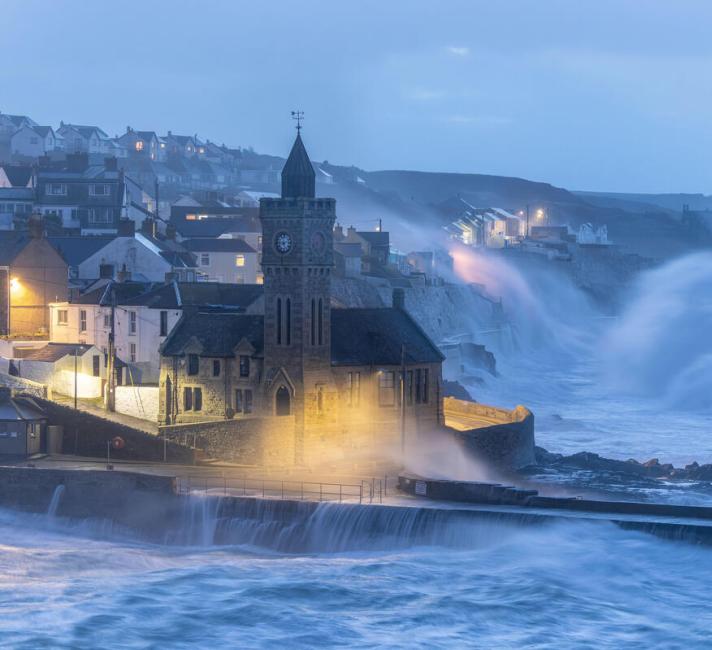 © PA Images / Alamy Stock Photo
 -
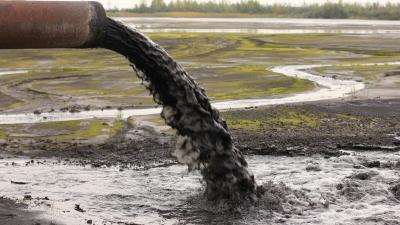 © Shutterstock / Belovodchenko Anton / WWF
 -
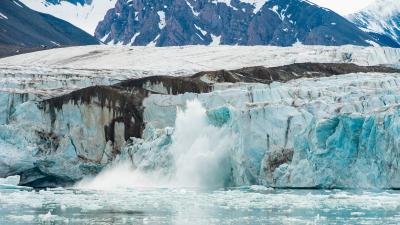 © naturepl.com / Wim van den Heever / WWF
 -
 © Global Warming Images / WWF
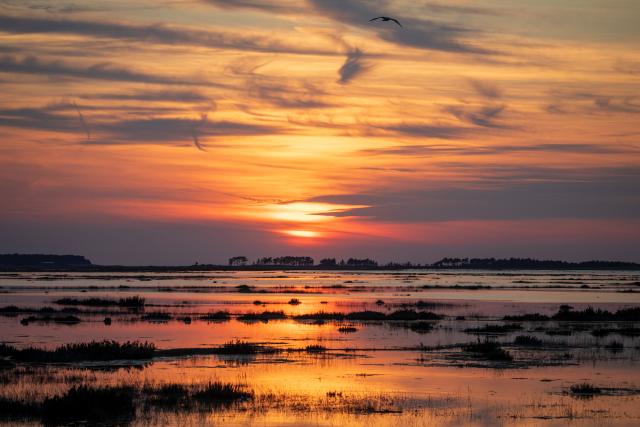
What's the impact on saltmarshes?
When saltmarshes are damaged or destroyed, the impacts ripple across the environment. One of the biggest risks is the release of carbon. The muddy soils of saltmarshes store carbon for hundreds or even thousands of years. But when they’re drained, polluted, or eroded, that carbon is released back into the atmosphere – potentially worsening climate change.
Loss of habitat also affects wildlife. Saltmarshes support birds on long migrations, young fish looking for shelter, and tiny creatures at the bottom of the food chain. Without these habitats, many species struggle to survive or can disappear entirely.
Pollution and rising seas can also weaken the plants and animals that hold saltmarshes together, making them more likely to collapse. And when saltmarshes vanish, so do the benefits they give us - like flood protection, clean water, and healthy coasts.
How we're helping saltmarshes
-
 © Joseph Gray / WWF-UK
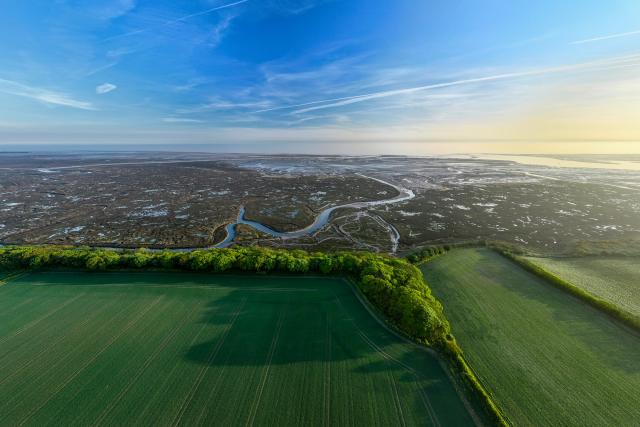
Establishing a baseline
MoreClose This first State of the World’s Saltmarshes report integrates saltmarshes into the broader blue carbon agenda – putting them at the heart of global efforts to tackle climate change, restore nature and build coastal resilience.
Published as part of WWF’s partnership with Sky, it shows just how powerful these tidal wetlands are. From carbon sequestration to natural flood defence to fisheries support, saltmarshes are doing heavy lifting with little recognition. This report shines a light on what we have lost and continue to lose, where the biggest opportunities lie and what needs to change. It also looks at the political tools and funding mechanisms that can turn things around — if we act now.
The report was produced in collaboration with Blue Marine Foundation, UK Centre for Ecology & Hydrology, and UN Climate Change High Level Champions.
WWF and Sky have been working in partnership since 2009 to support conservation projects in the UK and around the world, as well as raising awareness about the climate and nature crisis and inspiring public action.
-
 © Andrew Parkinson / WWF-UK
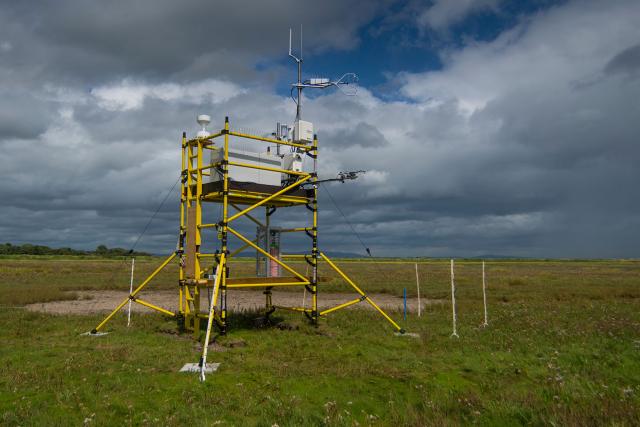
Saltmarsh Science
MoreClose WWF-UK is supporting new research to better understand how saltmarshes store carbon and protect coastlines. By filling key scientific gaps, we can improve how saltmarshes are valued, restored, and protected in the UK. This work is helping shape policies and investments that put saltmarshes at the heart of climate and nature solutions.
-
 © Rose Summers / WWF-UK
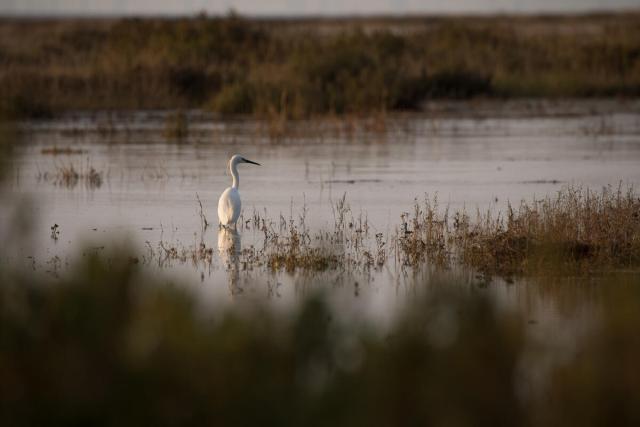
North Wales Saltmarsh Project
MoreClose In North Wales, WWF-UK is working with local partners to map and monitor saltmarsh habitats. We’re also creating engaging education resources to help schools, communities, and visitors learn more about these special ecosystems. Together, we're building awareness of saltmarshes and how they support wildlife, climate action, and coastal resilience.
-
 © Greg Armfield / WWF-UK
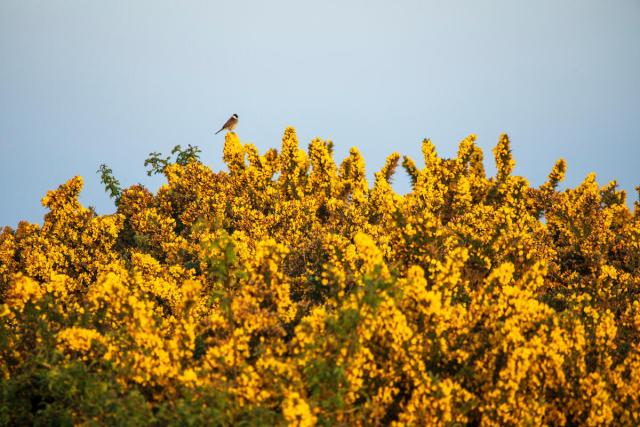
A Saltmarsh Breakthrough
MoreClose WWF-UK is co-leading the development of a global Saltmarsh Breakthrough - part of the UN-backed Ocean Breakthroughs. This new initiative brings together science, policy, and funding to accelerate saltmarsh protection and restoration worldwide. The goal: to unlock large-scale action from businesses and governments that supports climate resilience, biodiversity, and coastal communities.
/
Take action for our world
Explore More
Sights and sounds of the UK’s saltmarshes
Top 10 facts about bees
Our projects