Nature's invoice
Extreme weather is no longer something businesses can afford to ignore. With costs spiralling and extreme events predicted to continue, how can businesses mitigate the risks, build resilience into their supply chains, and protect the landscapes that help keep us safe?
The impact on the economy
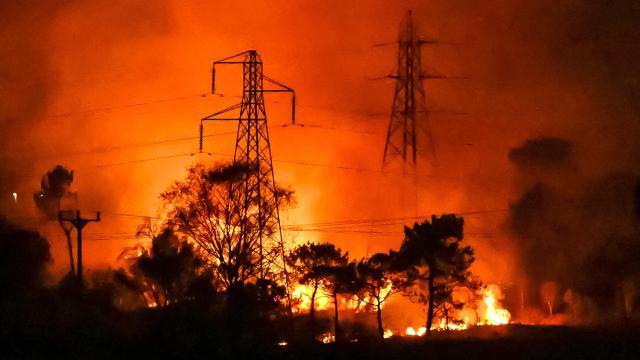
A warming world, exacerbated by nature loss is having an impact on people and the economy. This summer, businesses felt the heat.
The heatwaves of 2026 are likely to have cost €180 billion and are predicted to reduce EU GDP by 1 per cent, virtually wiping out economic growth for the year, according to Hot Summer Economics by Triodos Bank. [1] In the UK, we saw 40 days of 30-degree weather somewhere in the UK. The knock-on effect on the harvest is estimated to cost British farmers £550 million. [2]
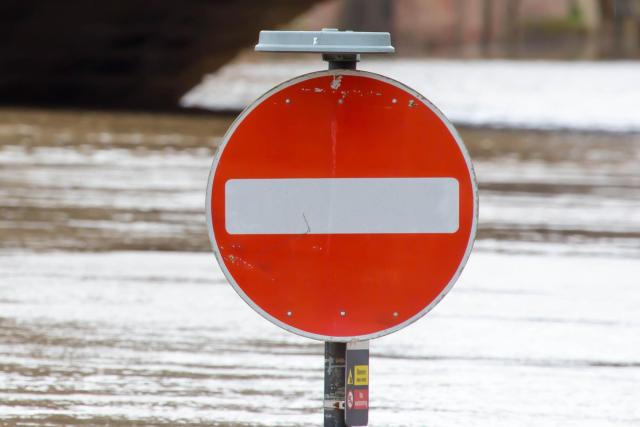
Too much water is also a major risk. In England one in five properties are at risk of flooding, rising to one in five by 2050. [3] British businesses currently face £670 million in flood damage a year also predicted to rise.
Costs to business and risks to households and communities will continue as extreme weather continues around the world.
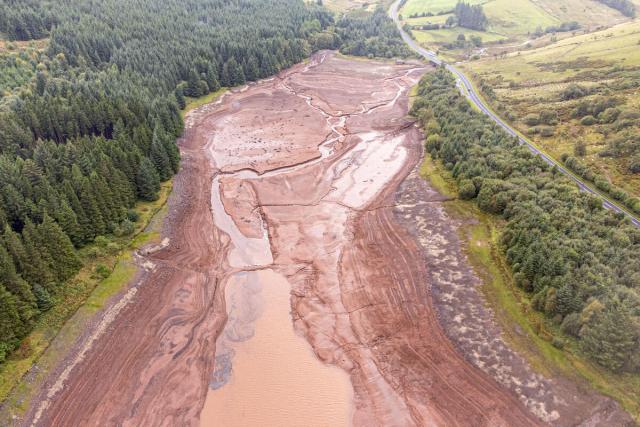
Extreme weather is a threat in itself, but it is putting intense pressure on depleted ecosystems that we rely on for raw materials and commodities, adding a further risk to supply chains.
The end of predictability
The World Economic Forum estimates that over half of global GDP depends on nature, giving it an economic value of $44 trillion. [4] Yet the UK government’s own risk assessment warns about global ecosystem collapse and its effects on food security, national security, supply chain resilience and economic prosperity. [5]
To properly address the risks from extreme weather, nature loss and climate change, businesses must understand how much they depend on the natural world and how much impact they’re having on it, positively and negatively. What can you do to mitigate the risks and tackle the threats?
- Assess your risks and dependencies with some of the tools on this page
- Set science-based targets to reduce your impact over time
- Invest in and restore the landscapes that your business and communities rely on
- Stay up to date with the latest science and find out how others are bringing our world back to life
To help you upskill your teams and identify the material risks to your business, we’ve pulled together five recommended resources. These tools will help you build resilience and begin to protect the ecosystems that your business depends on. In the meantime, if you'd like to discuss what more your business could do to support climate and nature, get in touch. We want to work with organisations who take these threats as seriously as we do.
-
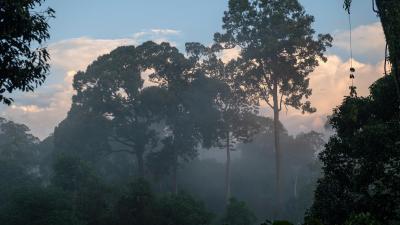 © Chris J Ratcliffe / WWF
 -
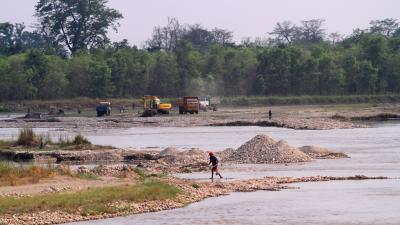 © WWF Nepal / Pallavi Dhakal
 -
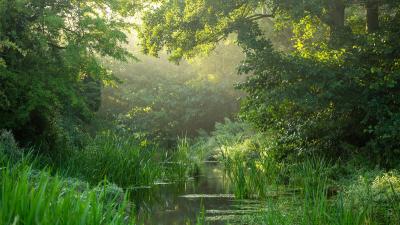 © Greg Armfield / WWF-UK
 -
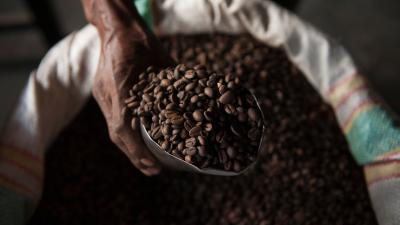 © Juergen Freund - www.jurgenfreund.com
 -
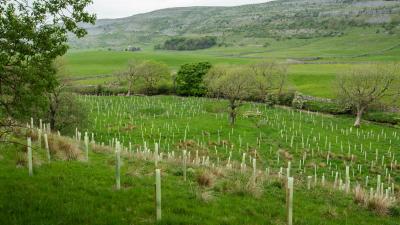 © Andrew Parkinson / WWF-UK
Partner with WWF
Does your business depend on healthy soils, clean water, or a regular harvest of certain crops? Are you sourcing your commodities from deforested landscapes, pushing nature further into the red? How will your investments be affected as the world becomes less predictable and less insurable?
At WWF, we want to work with businesses who are committed to genuine change and can help us protect and restore nature for this generation and the ones that follow.
Through our corporate partnerships, we work with companies to restore the resources and key ecosystems on which communities and businesses depend. Today we’re working with businesses to restore supply chain-critical water basins, scale up sustainable palm oil production, and accelerate the transition to clean, renewable energy. If your business could join us in this mission, we’d love to hear from you.
Contact us
Stay informed
Sources
- Energy & Climate Intelligence Unit | UK harvest even worse than previously thought, https://eciu.net/media/press-releases/uk-harvest-even-worse-than-previously-thought-new-data
- The Fourth Climate Change Risk Assessment – Independent Assessment (CCRA4-IA) Technical Report - UK Climate Risk, https://www.ukclimaterisk.org/publications/technical-report-ccra4-ia/
- National assessment of flood and coastal erosion risk in England 2024 - GOV.UK, https://www.gov.uk/government/publications/national-assessment-of-flood-and-coastal-erosion-risk-in-england-2024/national-assessment-of-flood-and-coastal-erosion-risk-in-england-2024
- Triodos Bank’s, Hot summer economics, https://www.triodos.co.uk/articles/2026/is-the-hot-weather-cooking-our-economy
- WEF, It's time to recognise the economic value of an ecosystem | World Economic Forum, https://www.weforum.org/stories/nature-and-biodiversity/an-ecosystems-economic-value-can-now-be-measured-heres-how/