
Issue
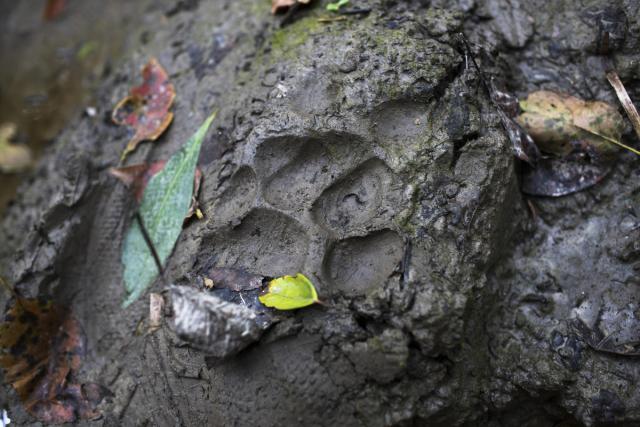
From a population of around 100,000 a century ago, global wild tiger numbers hit an all-time low of as few as 3,200 in 2010, with only 121 of the big cats estimated in Nepal.
Tigers have faced multiple pressures that continue to this day, including poaching for the illegal wildlife trade, habitat destruction and habitat fragmentation through urbanisation and agricultural expansion.
Today, tigers are restricted to around 8% of their historic range and climate change poses a growing threat as extreme weather events can cause flooding or forest fires, and warming temperatures affect tiger habitats.
As their habitat changes, tigers may come into closer contact with people, with the additional risks of conflict between them, and fatalities on both sides.
Solution
A collaborative effort spells success.
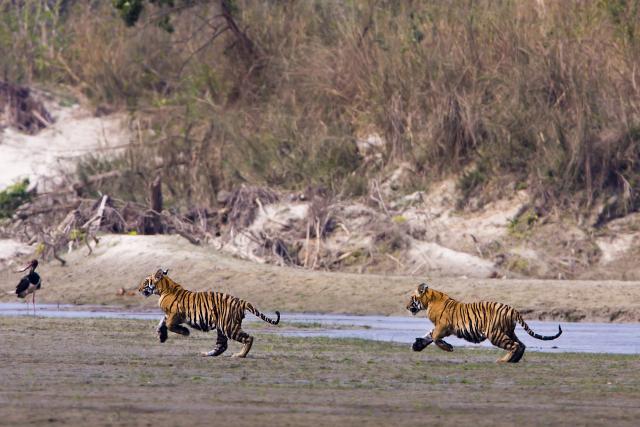
Back in 2022 Nepal announced that it had more than doubled its number of wild tigers to an estimated 355 individuals according to the results of the national survey.
Nepal was able to achieve these increases through long-term collaboration between its government and partners including WWF, and by placing communities living in tiger landscapes at the heart of conservation efforts.
Initiatives included programmes such as using biogas (fuel from animal dung) to help replace household reliance on forest firewood, as well as community-based anti-poaching units to help drive down poaching.
In addition, forest restoration work helped to transform areas such as the Khata Forest Conservation Area from 115 hectares (about 161 football fields) in 2001 to a 3,800 hectare (about 5,322 football fields) thriving wildlife corridor and expanding tiger habitat.

Result
As of Global Tiger Day 2026, Nepal’s tiger population has now reached over 429 individuals.
This is an incredible recovery of an iconic endangered species, and shows the importance of long-term investment in nature recovery.
Adopt a tiger
Adopt a tiger
By supporting WWF-UK, whether that’s through a tiger adoption or a one-off donation to our tiger appeals, you are helping to fund critical work in important tiger landscapes in India, Nepal and China.