
Nature's most devoted mothers
Accurate at time of publication: 25 June 2026
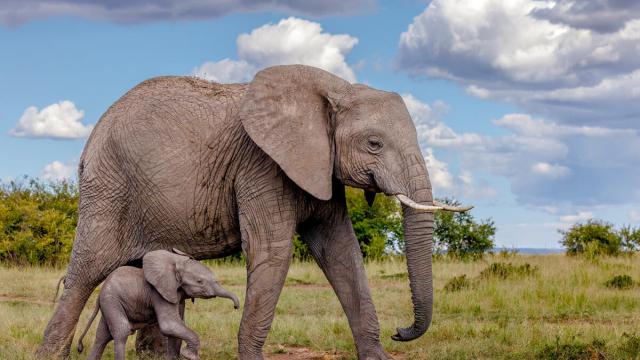
Mothers carry great responsibilities in the natural world. But as the animal kingdom shows, the matriarchy is strong, and these mums are powerful role models for the next generation.
Across forests, oceans, grasslands, snow and ice, animal mothers prove that parenthood is no small feat. It takes strength, patience and instinct to raise young in the wild, often against incredible odds.
This Mother’s Day, celebrate the mothers of the natural world with us – from the fierce protectors to patient teachers, and everything in between.
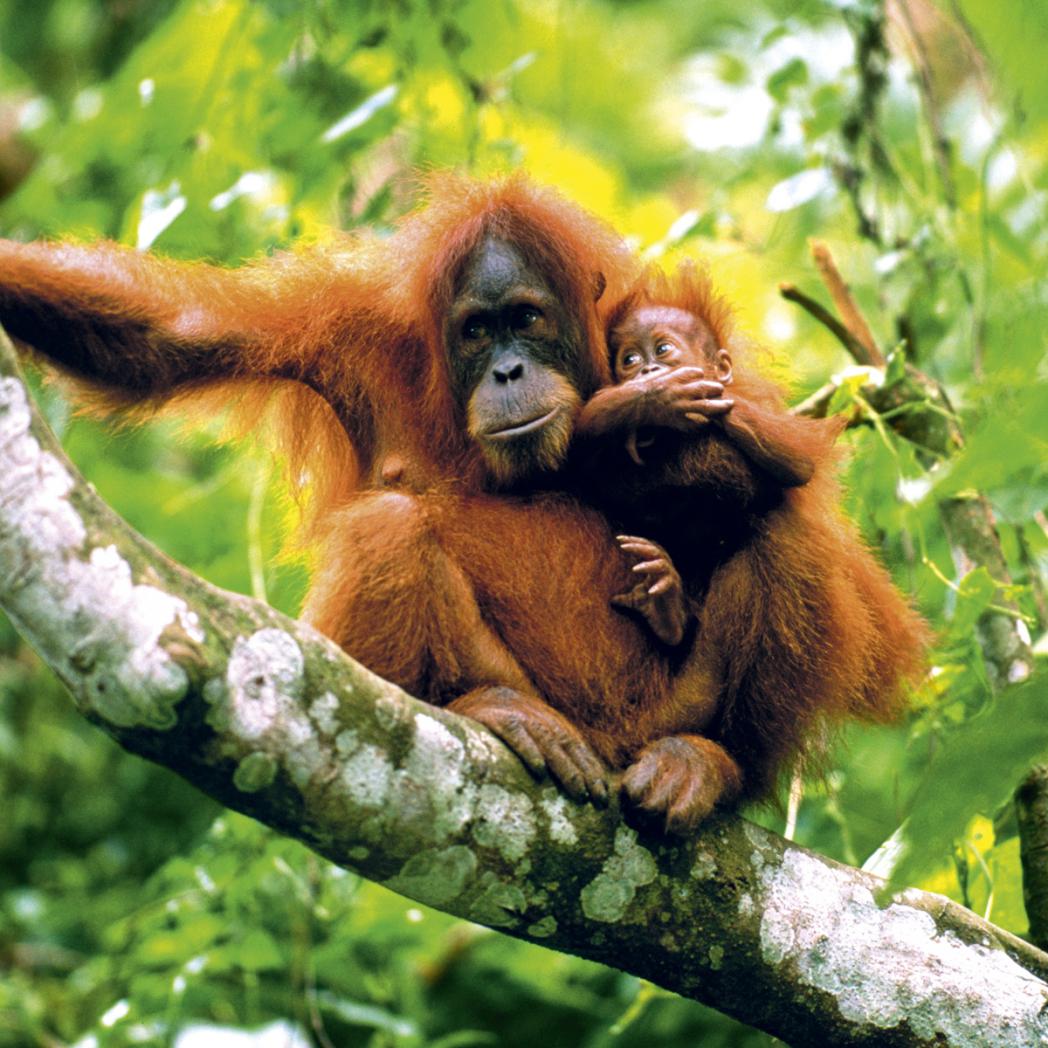
Orangutan
Young orangutans stay with their mothers for up to seven years – one of the longest periods of infant dependency among mammals. During this time, they learn everything they need to survive, from what to eat to how to build nests high in the trees. Infants ride on their mother’s body and sleep in her nest until they develop the skills to survive on their own.
Because of this long learning period, orangutans give birth only once every seven to nine years, which is the longest birth interval of any land mammal.
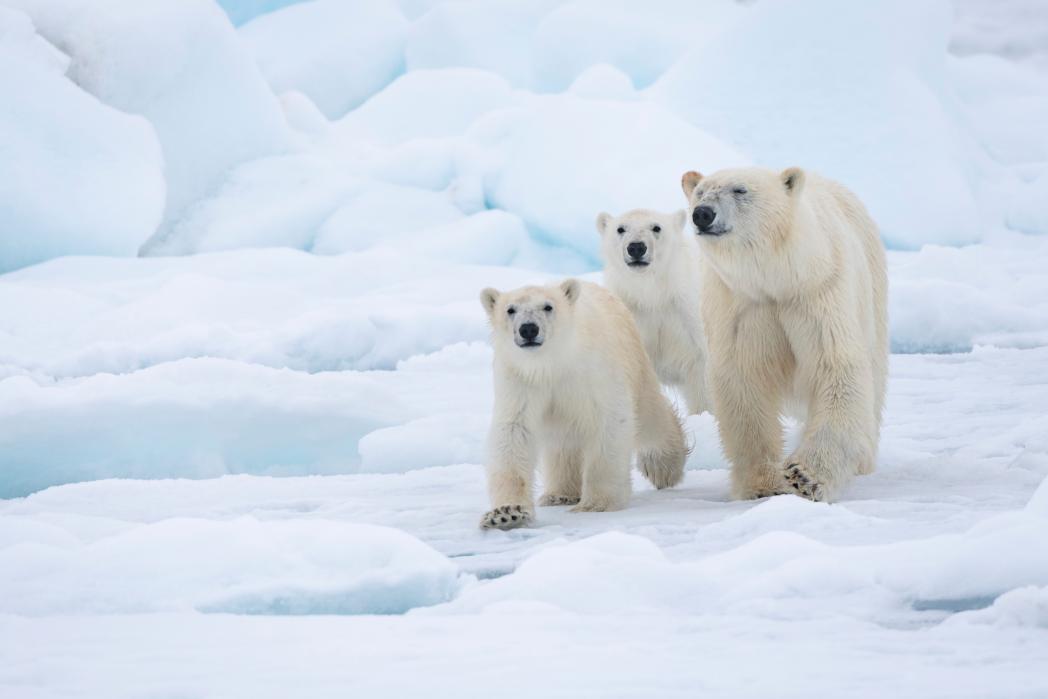
Polar bears
Polar bear mothers are fierce protectors and skilled teachers. They keep their cubs close, guiding them across the ice and stepping in when danger appears - even taking on much larger males if necessary.
During their two or three years together, the cubs mimic their mothers’ every move, learning how to hunt, swim, den and migrate in one of the harshest environments on Earth. When she is ready to mate again, males drive the cubs away, and the cycle begins anew.
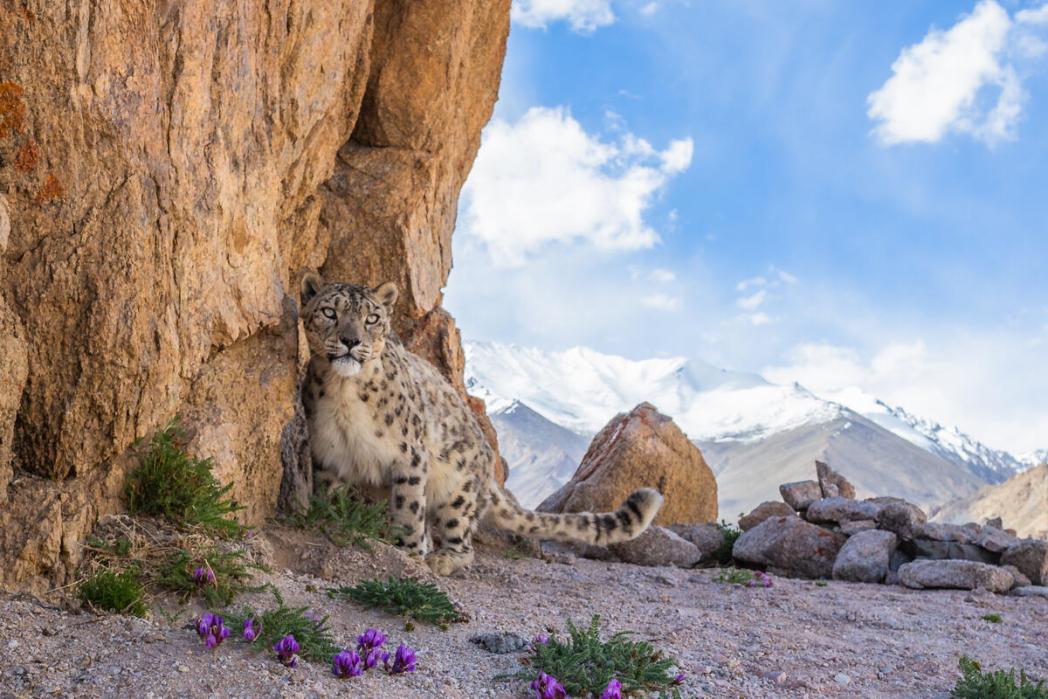
Snow leopard
Mother snow leopards raise their cubs in some of the most rugged landscapes on the planet. They form a close bond with their young, and for up to two years, teach them how to navigate the tough terrain and develop vital skills they need to survive.
Snow leopards are famously elusive, which means there is still much for us to learn about them. However, recent WWF camera trap footage is providing valuable insight into their lives, the threats they face, and how best to protect them.
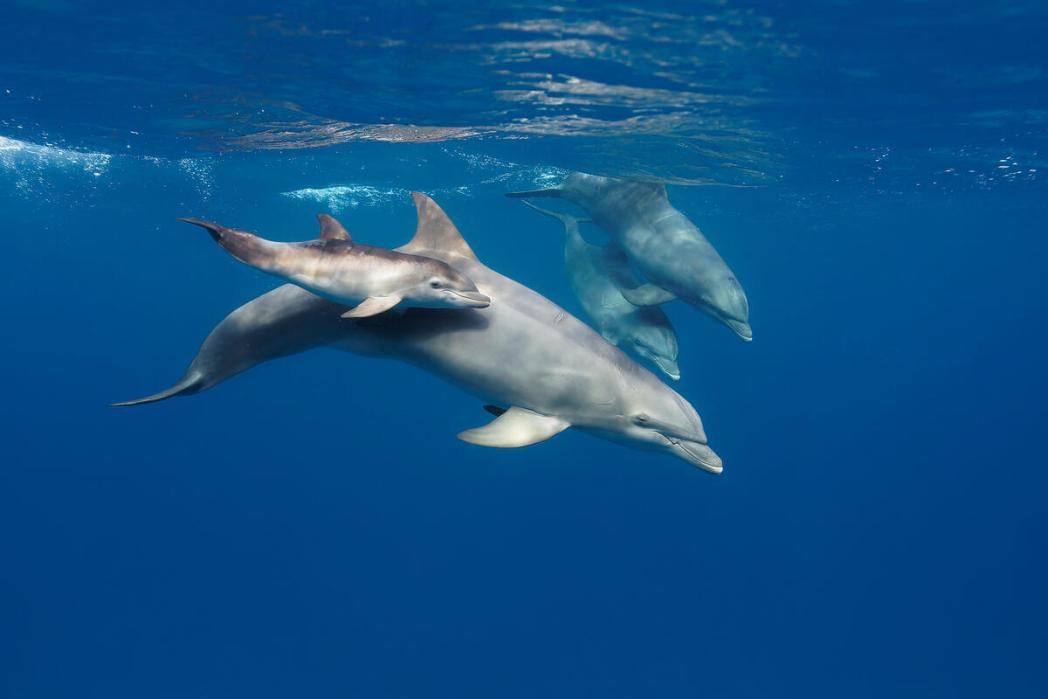
Bottlenose Dolphins
Like many whales and dolphins, bottlenose dolphins live in matriarchal societies led by experienced females. Mothers, daughters and even grandmothers all play a role in raising young - sharing knowledge, supporting one another and helping protect the group. This strong family structure is key to survival in the oceans.
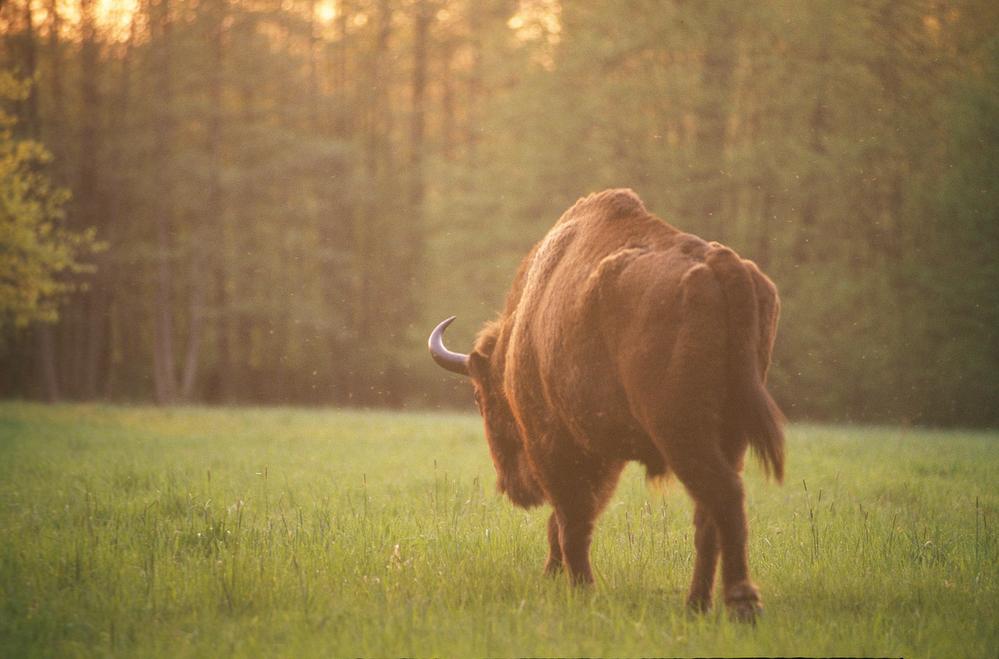
European bison
In European bison herds, females lead the way. Groups are made up of several mature females, a few males and young adults which are not ready to breed. Mothers typically give birth away from the herd in secluded locations, returning a few days later with a single calf. They care for their young closely, fiercely protecting, grooming and nursing them for up to a year.
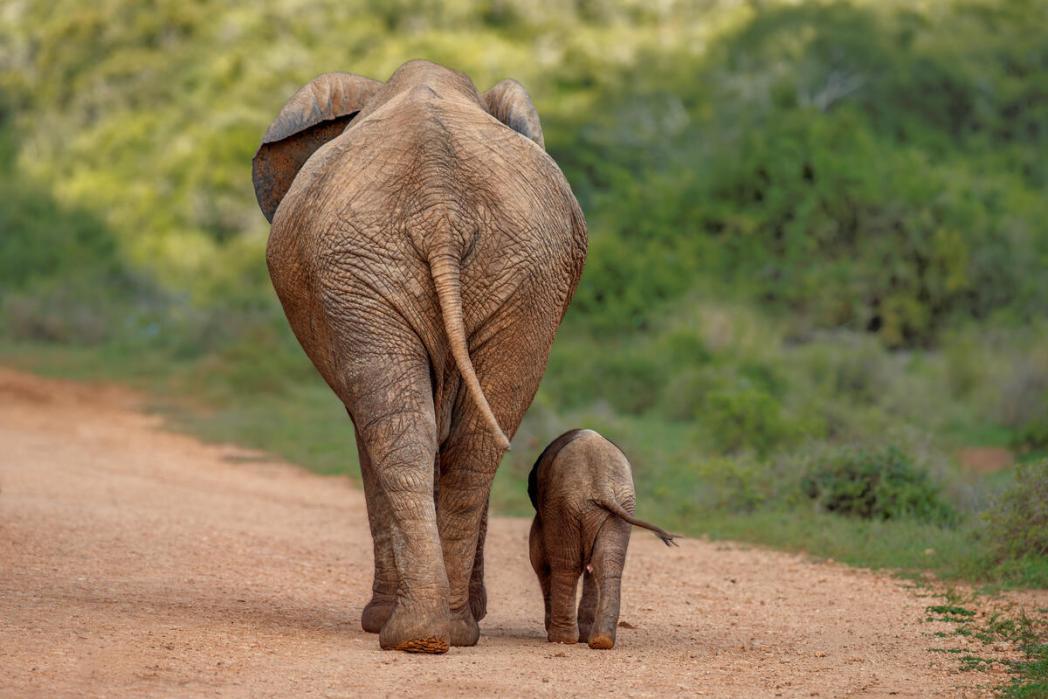
Elephants
Elephant mothers are the heart of their family groups and among the most devoted parents in the natural world. They endure the longest pregnancy of any mammal and raise their young within close-knit matriarchal herds, where females work together to protect and care for each calf. Older, experienced “grandmothers” help guide the group, supported by sisters and aunts acting as “allomothers”.
In the early months, calves rely entirely on their mother’s rich milk, drinking up to 20 pints a day, and stay close for years as they learn essential survival skills. With a childhood lasting up to 15 years, one of the longest of any land mammal, young elephants develop strong bonds and complex social behaviours under their mother’s constant care.
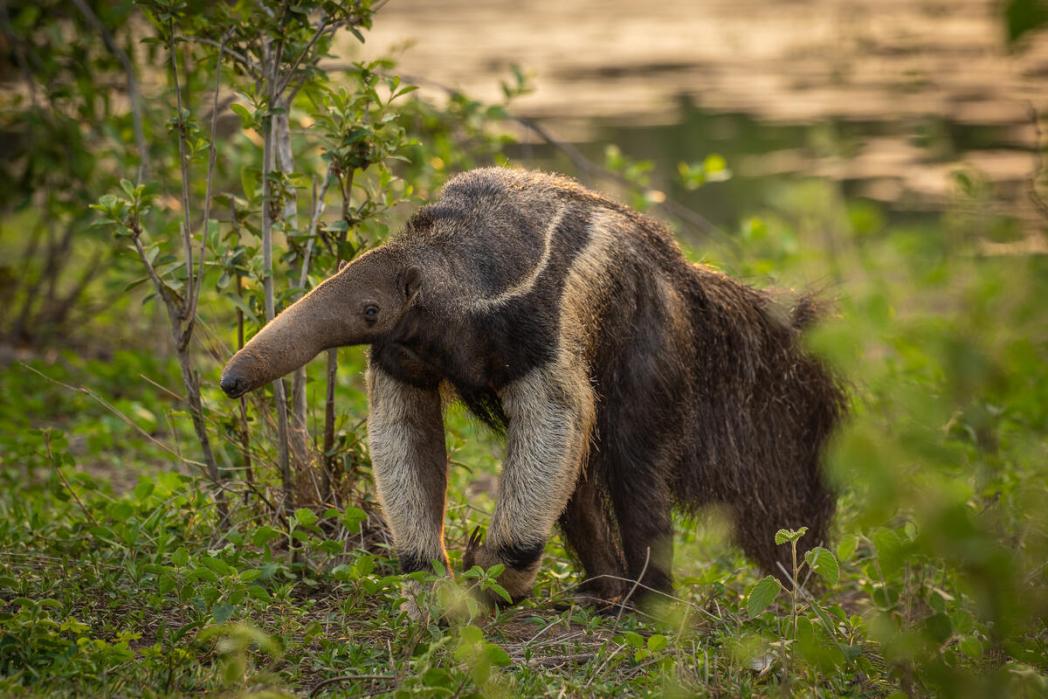
Giant anteater
Giant anteater mothers are devoted caregivers, carrying their single pup on their back for up to a year, keeping it safe and hidden from predators. The youngster’s markings mirror its mother’s, acting as the perfect camouflage as they move through the landscape.
The pup nurses for around six months but remains with its mother for up to two years, learning essential survival skills. As it grows, it’ll need to eat tens of thousands of ants and termites a day, but for the first few years, it’s safer to hitch a ride with mum.
-
 © Bethany Whant
Author
Bethany Whant, Stories & Content Researcher, WWF-UK
/
Have a question about this article?
Get in touch: contentunit@wwf.org.uk