Rising Risks and a Well-Adapted UK: What the latest climate adaptation assessments mean for business, people, and nature
Accurate at time of publication: 4 June 2026
The impacts of climate change are already here and accelerating. The cost of inaction is rising rapidly, while early action is both affordable and delivers strong economic returns.
“The CCC’s new adaptation assessments make it crystal clear: climate change poses real and immediate risks to the UK’s communities, food supply, economy, and finance sector. Impacts from extreme rainfall to extreme heat are battering the UK more often and more severely, yet current plans to adapt are falling short.
Together, climate change and nature loss are undermining the UK’s resilience, as the Government’s own National Security Assessment acknowledged. The Government must act now to cut emissions and prepare for climate impacts side by side, using nature as our best ally to protect people and build a more resilient and prosperous UK.”
What are the Climate Change Risk Assessment and the Well-Adapted UK report?
The UK government’s independent advisors on climate, the Climate Change Committee (CCC), published two new reports in May 2026. These will inform the government’s own Climate Change Risk Assessment (CCRA) and National Adaptation Plan.
- Climate Change Risk Assessment Independent Assessment – how climate change is affecting the UK and the scale of the risks ahead.
- Well-Adapted UK report – a package of solutions to address the growing impacts of climate change, with clear recommendations for government.
These reports highlighted that the UK is dangerously underprepared due to a lack of adaptation. Climate change is no longer a distant threat – it is already reshaping the UK, with impacts across society. The UK is entering a future for which it was never designed. Without a substantial increase in adaptation measures, climate impacts will cause significant damage, with the cost of inaction far outweighing the costs of action today.
What does this mean for business and the economy?
Climate risk is now a material economic issue. Over 40% of UK business-critical infrastructure is located in areas at risk of flooding. Extreme heat costs the UK economy around £1.2 billion each year in lost productivity. UK agriculture businesses are already seeing losses of around £1 billion per year due to extreme weather.
The UK is also highly exposed to international climate risks, importing around 40% of its food. Climate impacts overseas are already disrupting supply chains, contributing to price rises and affecting the availability of goods, including food, and services in the UK. Without further action, the economic cost of climate change could rise up to £260 billion or 1-5% of GDP per year, within the next 25 years.
However, there is also a major economic opportunity. The global adaptation market is growing rapidly and could reach £36.5 billion by 2032, opening up new markets for UK businesses in areas such as climate-resilient infrastructure and services. The Well-Adapted UK report sets out measures that businesses, individuals and communities can take to ensure they are prepared for incoming climate shocks.
The net zero economy is already a major driver of UK growth, supporting over one million jobs nationwide and contributing £105 billion in gross value added (GVA), according to CBI Economics and the ECIU. Rolling out and maximising the use of clean homegrown energy can help stabilise household bills and cut our dependence on expensive gas imports.
For more information, read our Business Briefing.
What does this mean for people and nature?
Our dependence on a healthy, resilient natural world has never been clearer. Climate change is hitting communities and nature at the same time, with rising heat, flooding and drought already causing devastating impacts. Climate adaptation is essential to protect the plants, animals, and landscapes that make Britain unique.
There are currently nearly seven million properties in flood-risk areas across the UK, with annual flood damages estimated at £3.3 billion per year. By 2050, under 2°C of warming, the number of at-risk properties could increase by 40%, with damages rising to £4.5 billion per year. Without action, some houses will be left uninsurable, as flooding becomes more frequent and severe in high-risk areas, and new areas become at risk.
The UK’s ten hottest years on record have all occurred since 2002. Extreme heat already causes thousands of excess UK deaths each year – by 2050, under 2°C of global warming, the number could more than double without additional adaptation. Heatwaves are already placing growing pressure on health services, with hospital overheating incidents increasing by 53% in the last decade in England.
At the same time, nature is under growing strain. Rising temperatures and extreme weather are accelerating biodiversity loss and affecting iconic species, from bumblebees to oak trees. Seabird populations such as puffins could decline by up to 80% as seas warm, and in the most severe cases, entire groups of species could be lost.
Climate impacts are also disrupting the UK’s food and land systems. Agriculture, fisheries, and forestry are currently experiencing impacts, from soil erosion driven by heavier rainfall to marine heatwaves impacting fisheries. These changes are placing growing strain on food production which threatens the UK’s food security, and risks further worsening the cost-of-living crisis.
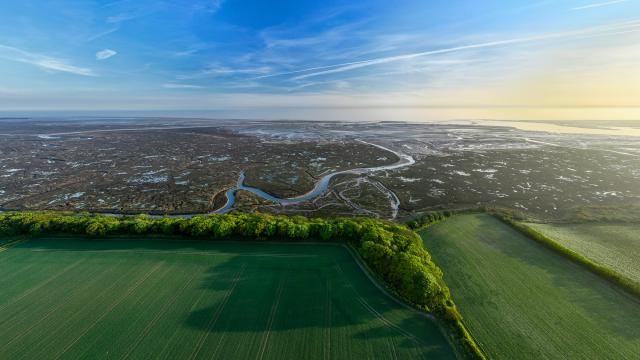
Nature is not only at risk, but is also central to the solution. Scaling up nature-based solutions is critical to improving the UK’s resilience to the impacts of climate change, restoring habitats such as wetlands and peatlands can reduce flood risk, improve water security, and store carbon – supporting mitigation and adaptation for both people and nature.
What needs to happen next?
The Well-Adapted UK report makes clear that early investment in adaptation is essential and would deliver substantial returns in avoided damages over time.
Priority actions include investing in flood defences and nature-based solutions, improving water efficiency, adapting infrastructure, protecting food systems, and supporting businesses and communities to manage climate risks. Businesses also have a key role to play – by integrating climate risk into decision-making, investing in resilience, and supporting supply chain adaptation.
Delivering a well-adapted UK will require stronger and more coordinated government action. This includes embedding climate risk into economic and financial decision-making, supporting nature-based solutions, and ensuring that adapting to and mitigating climate change are both treated as key national priorities.
The upcoming UK Government CCRA (due in 2027) and the next National Adaptation Programme (due in 2028) will be critical opportunities to set a more ambitious course.
The latest climate risk assessments send a clear message: the UK cannot afford to delay. Climate impacts are already here, costs are rising, and action to date has not kept pace with the scale of the challenge.
But with decisive action now, the UK can protect communities, strengthen the economy, restore nature, and seize the opportunities of a more resilient future.
Authors
-
 © Aoife Blanchard
Aoife Blanchard
Senior Policy Advisor (Climate), WWF-UK
-
 © Alex Allenby
Alex Allenby
Policy Advisor (Climate), WWF-UK.
/
Have a question about this article?
Get in touch: policyinsights@wwf.org.uk