The soy moratorium
The soy moratorium, was a multi-sectorial zero deforestation agreement to block soy sales from farms on land deforested after 2008. It helped reduce deforestation across the whole of the Amazon for nearly two decades. Following the collapse in 2026, WWF are working with experts to demonstrate why and how forests can continue to be protected by the international soy sector.

Project overview
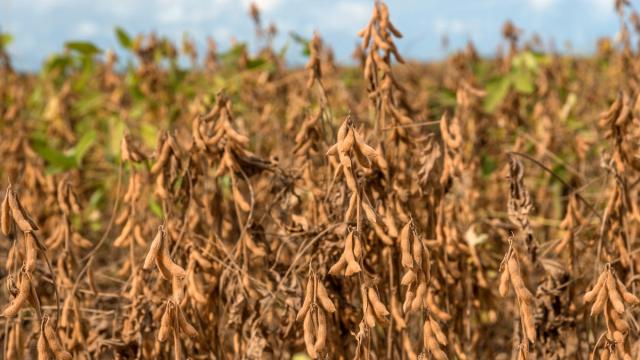
For nearly two decades, the Amazon Soy Moratorium has helped protect the Amazon rainforest from both legal and non-legal deforestation. A rainforest that is home to millions of people and astounding wildlife - from jaguars to sloths, tapirs to turtles.
The multi-sectoral zero deforestation agreement meant that traders covering 90% of Amazons soy sales stopped buying soy grown on Amazon land cleared after 2008, proving that farming could continue to grow without driving large-scale deforestation.
A scientific research report, co-authored by WWF Brazil and other leading scientists, set out to show that the soy moratorium played a major role in reducing forest loss while having little negative impact on farmers.
However, after nearly two decades of success, in 2026 the moratorium collapsed. Traders have ended their commitments, in response to state governments removing tax subsidies to those that maintain environmentally responsible sourcing beyond legal requirements.
Why we are doing it
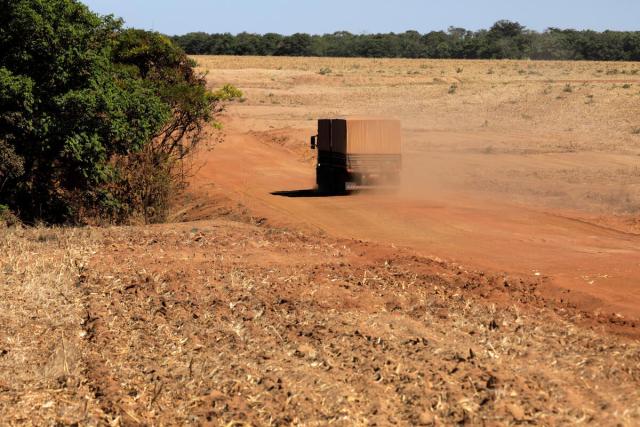
Following the moratorium collapse, 2026 is a critical opportunity to decide what is next for the Amazon and how we better maintain protections. Researchers estimate that without the moratorium protections, at least 1.4 million additional hectares of Amazon forest are at risk of clearance over the next decade. This will amount to the equivalent 17% increase over historic deforestation rates and carbon emissions equivalent to annual emissions of Canada.
This comes despite there being an existing 1.7 million hectares of previously cleared land suitable for soy production. Moreover, scientific studies have found no evidence that ending the agreement would bring major economic benefits to farmers, challenging claims that the moratorium has been unfair or ineffective.
Project impact
WWF has been at the heart of efforts to defend and strengthen Amazon protections. Working with scientists, businesses and policymakers, WWF has helped build the evidence showing that deforestation-free soy is both practical and essential.
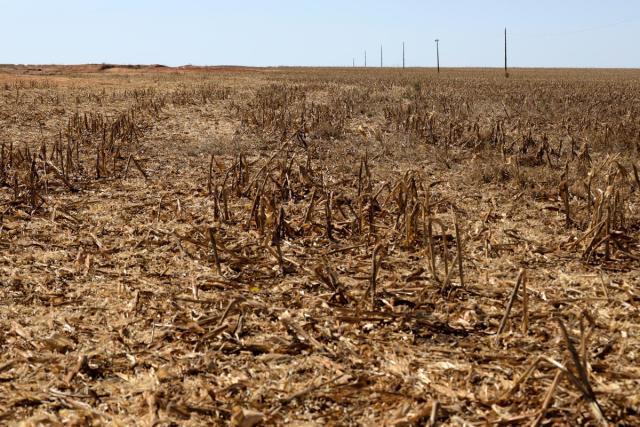
Research from WWF-Brazil and global scientific experts provided encouraging news that the Amazon Soy Moratorium has been one of the most effective initiatives in reducing deforestation linked to soy production. The agreement has helped prevent an estimated 1.8 million hectares of forest loss, proving that agricultural growth can occur without expanding into natural habitats.
WWF is working closely with food companies, industry groups and investors to encourage strong market action to stop market incentives for deforestation.
Next steps
WWF advocates that the private sector must prioritise ending all commercial support for deforestation in their embedded soy supply chains for animal feed. They can do this by maintaining the 2008 cut-off date, enhance supply chain monitoring and reporting, and invest in solutions that protect forests while supporting sustainable agricultural production.
WWF continues to work with businesses, financial institutions and governments to ensure that future food systems protect forests, support local livelihoods and build long-term resilience for people and nature.
Now has never been a more important time to work with WWF and others to strengthen public policies and economic instruments that contribute to responsible production, free of deforestation and conversion, and compatible with the challenges imposed by the climate and biodiversity loss crises.

Climate recovery fund
Climate recovery fund
100% of every pound you donate goes directly towards forward-thinking projects focused on the four areas where we can collectively have the greatest impact. The Amazon, Polar regions, Forests, Influencing UK Government policy.