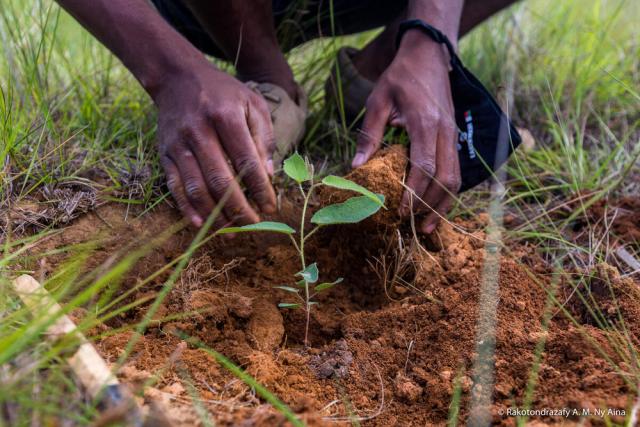
Nature is under serious pressure. The Living Planet Report 2026 shows the average size of monitored global vertebrate wildlife populations has declined by 73% since 1970*, highlighting the immense pressure facing the natural systems that underpin our economies, businesses, health and security.
Nature provides services that every business depends on, from pollination and healthy soils to clean water, climate regulation and raw materials. More than half of global GDP is moderately or highly dependent on nature and the services it provides. Yet the ecosystems that support economic growth and resilience are being degraded at an unprecedented rate.
The Living Planet Report measures this decline in nature, but also highlights reasons for optimism. Around half of the wildlife populations monitored by the Living Planet Index are stable or increasing, showing that nature can recover when governments, businesses, communities and conservation organisations work together.
*Based on monitored vertebrate populations measured through the Living Planet Index
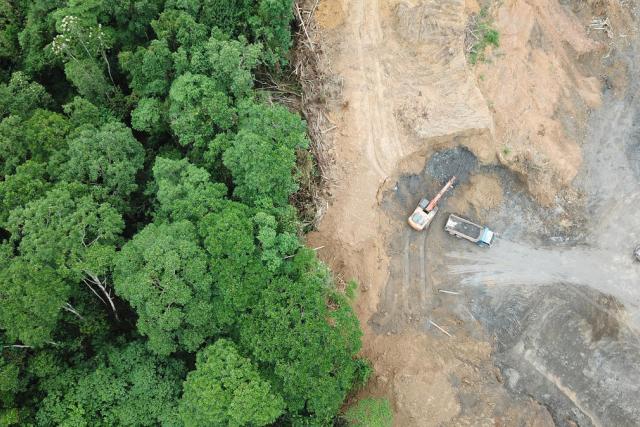
Nature loss is a business risk
Nature loss is emerging as a material risk to business operations, value chains and investment decisions. It’s already contributing to supply chain disruption, resource scarcity and rising costs.
Demand for natural resources is expected to increase significantly in the coming decades, while climate-related disasters are becoming more frequent and costly. Businesses are also preparing for greater scrutiny from investors, regulators and customers, with more than 70% of companies expecting mandatory sustainability disclosure requirements.
The underlying drivers of nature loss are well understood, including habitat destruction, overexploitation of natural resources, climate change and pollution. Many of these pressures are linked to the systems businesses rely on every day, including food, energy and finance.
Understanding and managing nature-related impacts, dependencies and risks is becoming essential for long-term business resilience and competitiveness.
Signs of hope
Nature can recover and there are clear pathways to accelerate progress.
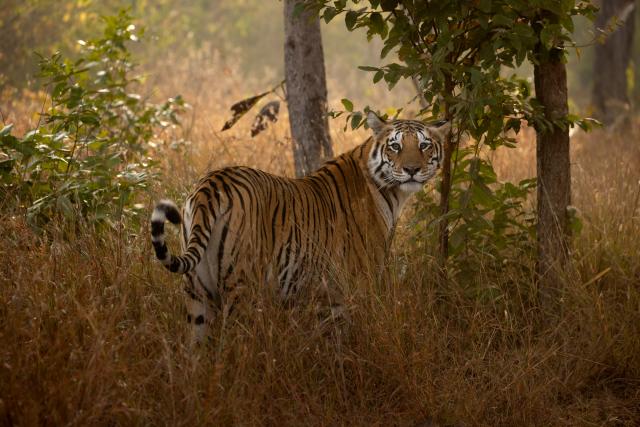
Across the world, wildlife populations and ecosystems are rebounding when action is taken. Wild tiger numbers have increased significantly through coordinated conservation efforts, while species such as bluefin tuna and green sea turtles have recovered thanks to science-based management, long-term investment and collaboration across sectors.
The Living Planet Report describes this as the "science of hope". Major systems often change slowly at first before reaching a tipping point where progress accelerates. The global energy transition is a powerful example. After decades of innovation and policy support, renewable energy is now becoming cheaper, more competitive and increasingly dominant.
The same principle can apply to nature. Transforming food systems, energy systems and financial systems can help tackle the root causes of biodiversity loss while creating more resilient economies.
We know many of the solutions already. The challenge now is scaling them quickly enough to create lasting, self-reinforcing change.
How businesses can lead for nature
Business leadership
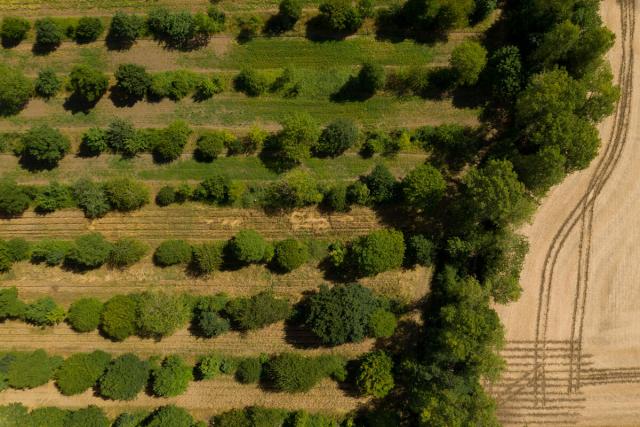
Food

Finance
What businesses should do
1. Assess and disclose climate and nature risks and dependencies.
2. Set science-based targets and plans to reduce impacts.
3. Invest in nature-positive solutions and resilient landscapes.
4. Advocate for policies that enable nature recovery.
Resources
Communications toolkit
Partner with us

Our films for business
Contact us