
Village Paths and Elephant Trails: The Hidden Riches of Ruvuma
Accurate at time of publication: 15 October 2026
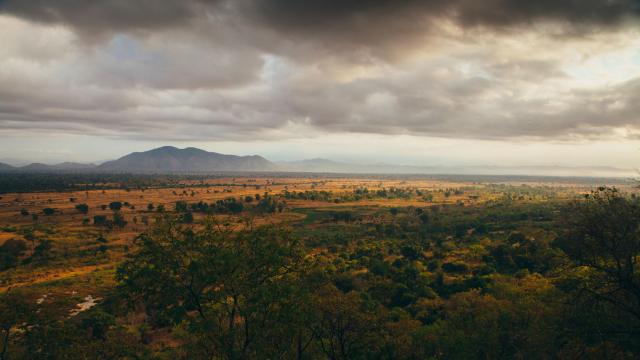
A wildlife refuge revealed
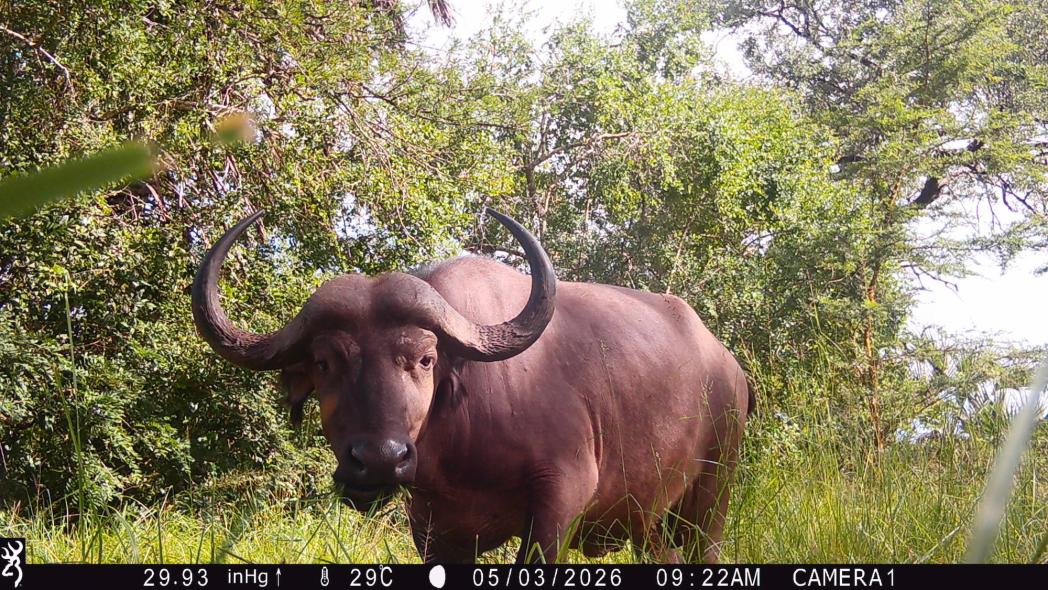
As communities in southern Tanzania go about their daily lives, herding livestock, farming, and travelling along village paths, another bustling world exists beyond sight. Along hidden trails winding through forests, woodlands and bushlands, buffalos roam, zebras graze, elephants wander and baboons march in search of food.
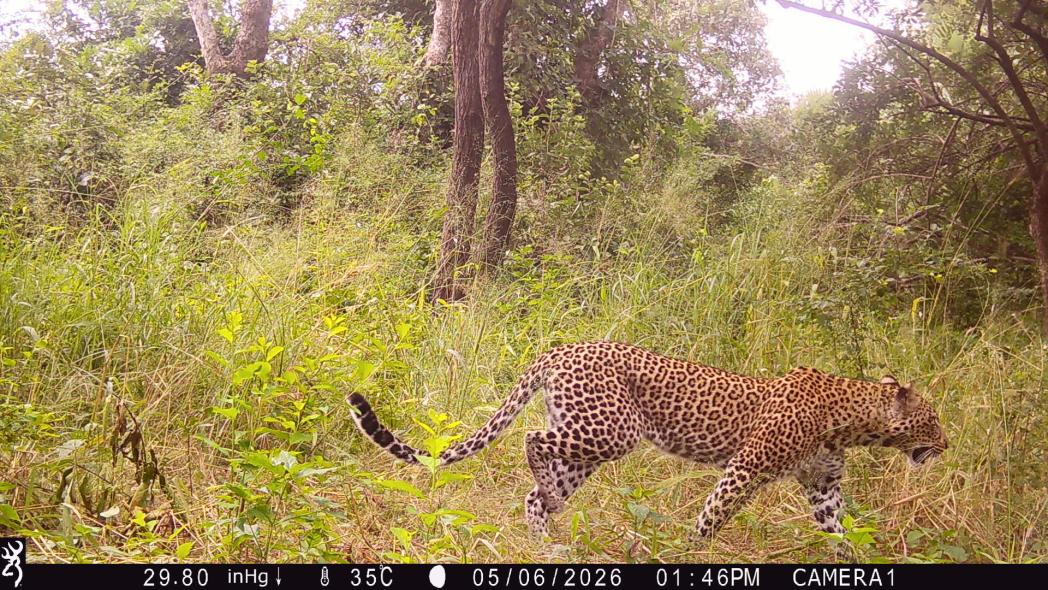
For two months during the 2026 wet season (April and June), researchers from the University of Dar es Salaam supported by WWF-Tanzania deployed 26 camera traps throughout the JUHIWANGUMWA* Wildlife Management Area (WMA) in the Ruvuma Landscape to monitor these mammals. The cameras captured thousands of images that have now revealed one of the most comprehensive snapshots of wildlife in the WMA.
The survey recorded 26 mammal species, confirming that JUHIWANGUMA remains an important refuge for wildlife within the greater Selous Nyerere ecosystem.
*This is an acronym. The full name is: Jumuiya ya Hifadhi ya Wanyamapori Ngorongo, Utete na Mwaseni. It is known by the acronym.
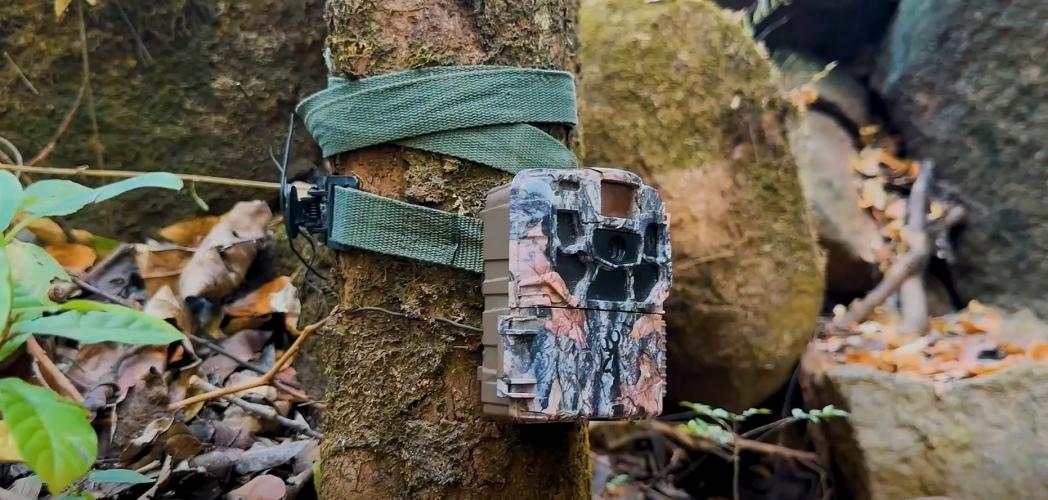
Wildlife thriving beyond protected areas
JUHIWANGUMWA is located in the Rufiji district of Southern Tanzania, and is a vital habitat within the greater Selous-Nyerere ecosystem.
Wildlife Management Areas (WMAs) are a form of community-based natural resource management. They’re designed so that communities and wildlife can share the same landscapes, whilst supporting local livelihoods, conservation and helping maintain habitats.
But despite their importance, information about wildlife populations in many WMAs remains limited.
This camera trap survey has now provided valuable evidence that JUHIWANGUMWA continues to support a diverse community of large mammals. The findings reinforce the value of community-managed landscapes which function as important wildlife corridors and dispersal areas outside national parks and game reserves.
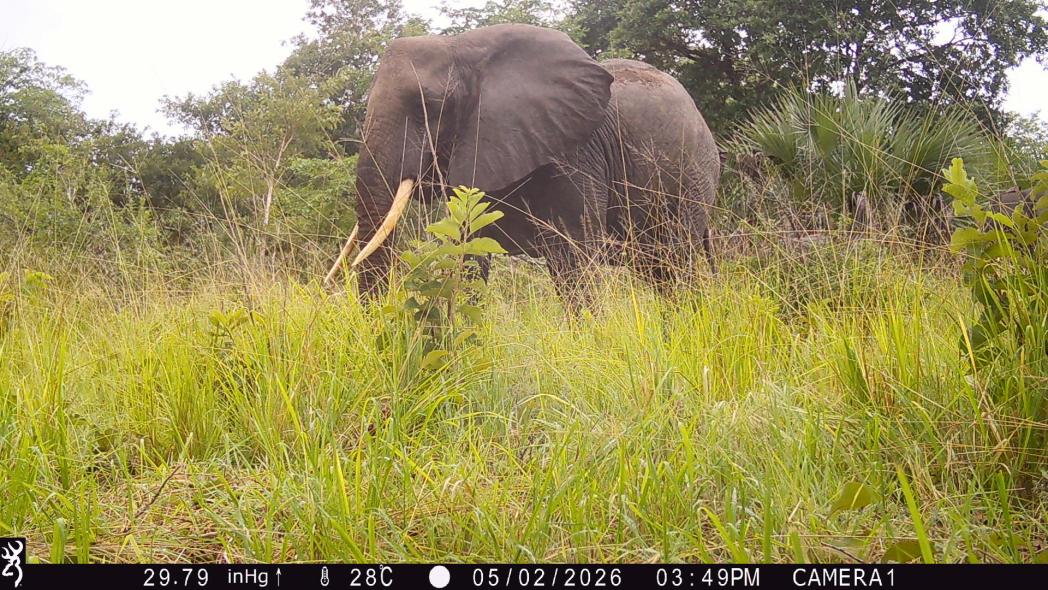
Following the footsteps of elephants
Among all species recorded, elephants were one of the most frequently detected animals. But the cameras revealed more than just their presence; it showed where they spend most of their time.
Using camera trap detections and spatial analysis, researchers identified areas of particularly high activity. These hotspots are likely to contain resources that elephants rely on, such as food, water, shelter or important movement routes connecting different parts of the ecosystem.
Understanding how elephants use the landscape is critical for long-term conservation.
As human populations grow and land use changes, identifying and protecting key wildlife hotspots can help reduce potential human-elephant conflicts, maintain habitat connectivity and ensure species can continue moving safely across the wider Selous-Nyerere landscape. This kind of knowledge allows conservationists and communities alike to make more informed decisions about protecting wildlife and livelihoods.
Wildlife and livestock sharing space
The survey also revealed another important reality of life in JUHIWANGUMWA. Wildlife and livestock are sharing the same landscape.
Livestock were among the most frequently detected categories captured by the cameras, reflecting the close interaction between community livelihoods and conservation areas.
While the coexistence of livestock and wildlife demonstrates the multiple-use nature of the WMA, the researchers caution that increasing grazing pressure could affect habitat quality and resource availability if not carefully managed.
Despite its incredible biodiversity and critical importance, the Ruvuma landscape is under intense and growing pressure from a number of threats. Clearing land for farming and raising livestock is fragmenting forests and grasslands. Overgrazing and illegal logging, along with firewood collection and charcoal production, are all adding to the problem. The landscape is also home to a population of over 8 million people, the majority of who depend heavily on its natural resources.
The findings of this survey underline the importance of collaborative land-use planning that supports both conservation goals and community livelihoods.
Looking ahead
Continued support is required to strengthen community-based natural resource management and ensure that communities living alongside wildlife can coexist safely while directly benefitting from conservation.
Going ahead, researchers recommend establishing long-term camera trap monitoring to track changes in wildlife populations and habitat use over time. They also recommend conducting similar surveys during the dry season, to better understand seasonal wildlife movements, particularly those of elephants.
-
 © Greg Armfield WWF
Authors
Zoe Brown, Content Research Executive, WWF-UK
Sadam Mselem, WWF-Tanzania
/
Have a question about this article?
Get in touch: contentunit@wwf.org.uk