
New science: first of its kind range-wide jaguar corridor study
Accurate at time of publication: 17 November 2026
The issue
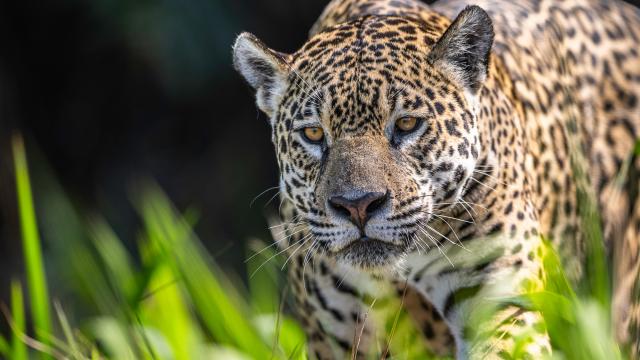
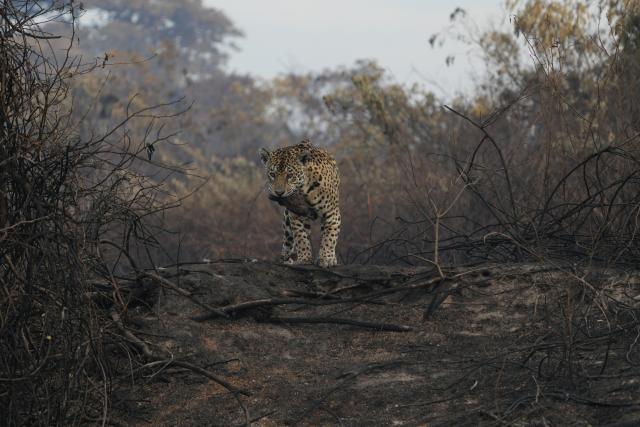
The jaguar’s forest home is increasingly being destroyed, driven by deforestation for uses such as agriculture and mining, with fires adding growing pressure. Jaguars now occupy less than half of their historical range.
Although they still occupy an area of approximately 9 million km2, most populations outside the Amazon are isolated and highly threatened. In remaining habitat, conflict is growing with farmers and local communities as the big cats are driven closer to human settlements.
The Solution
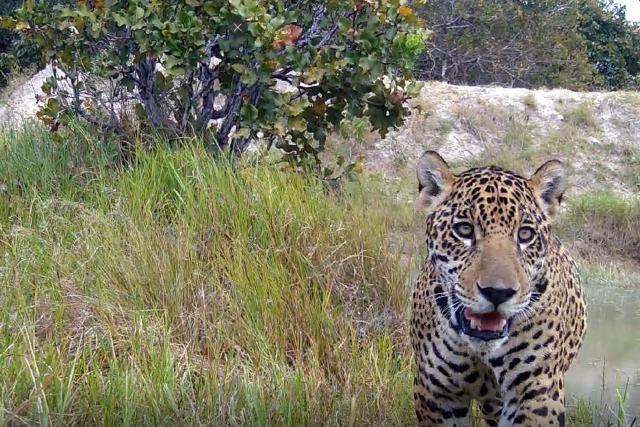
While protected areas and Indigenous lands are known to safeguard large jaguar populations, as apex predators and wide-ranging animals, these big cats depend on vast, connected landscapes to survive. We must protect and restore habitat connectivity too.
15 years after the last range-wide assessment of jaguar connectivity, landscapes across the species’ range have changed considerably. In 2026, for the first time, we can use jaguar movement data to understand how they navigate these changing landscapes.
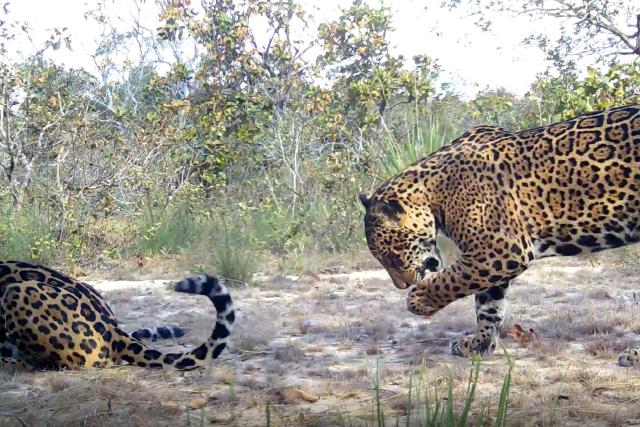
Supported by WWF-UK, Dr Guilherme Costa Alvarenga from the University of Oxford analysed data from 172 individual collared jaguars. This is the largest movement dataset ever assembled for the species, made possible thanks to a vast collaboration of researchers.
Result
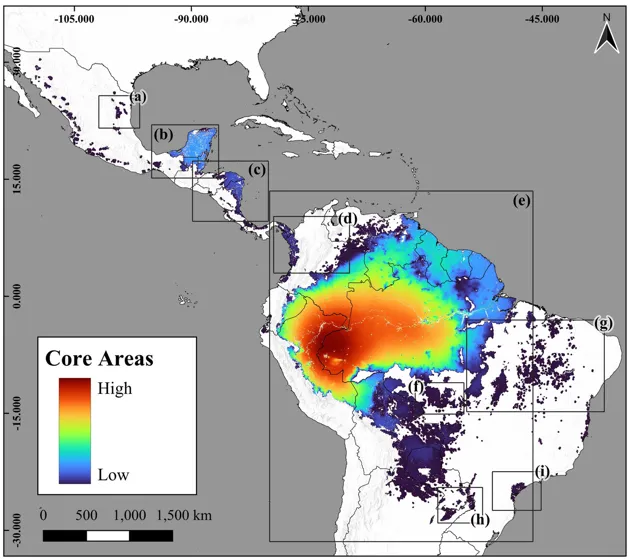
The study found an extensive, highly connected core habitat area spanning 11 South American countries. It was found to support some of the largest and most connected jaguar populations. But the study also identified major connectivity gaps and threatened corridors.
WWF hopes the findings will help guide conservation action where it is needed most. For example, the findings from the study will be used to identify priority areas for restoration within the identified corridors. Working with people who share these landscapes with jaguars will be vital.
Adopt a Jaguar
Adopt a Jaguar
Your adoptions will help protect jaguars in the Amazon and help fund our other vital work around the world. When you choose an animal adoption, you are supporting both your chosen animals as well as wider work to help bring our world back to life.