
Hope for Fiji’s green and hawksbill turtles
Accurate at time of publication: 16 October 2026

The issue
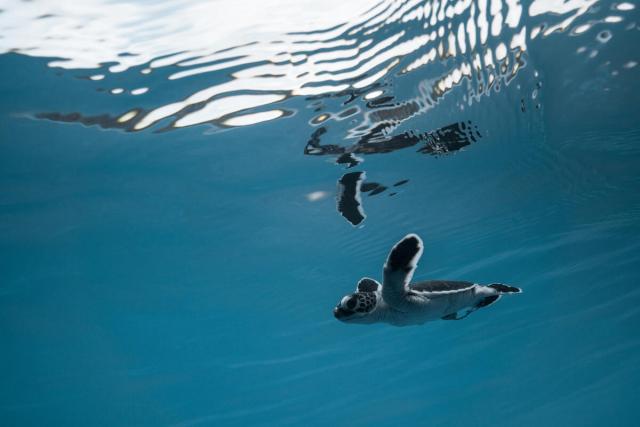
Fiji’s beaches provide vital nesting habitat for green and critically endangered hawksbill turtles, but these populations face continuing pressures. Beach erosion, storm surges and egg poaching all threaten nests and hatchlings. Although the global outlook for green turtles has improved, the South Central Pacific population that includes Fiji remains at risk, making reliable local evidence and long-term protection essential.

The Solution
WWF-Fiji works hand in hand with volunteers and local turtle monitors, known as Dau ni Vonu, to understand and protect nesting sites. Over four years, the team has carried out month-long annual surveys across four priority nesting beaches, recording nests and hatchlings, collecting DNA information and documenting threats. The work is delivered in close partnership with communities, traditional leaders and resource custodians, strengthening local ownership of turtle conservation.
Result
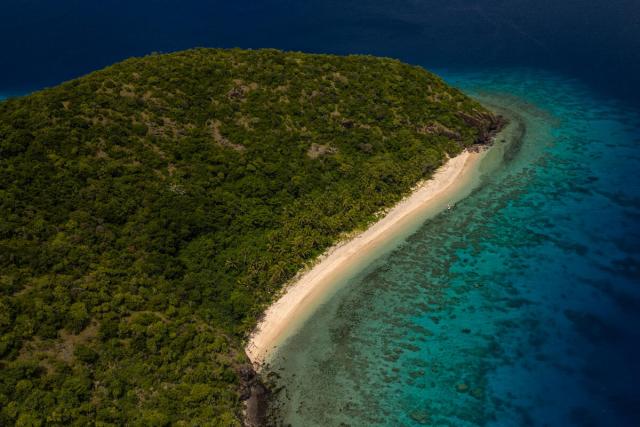
Four years of community-led monitoring are beginning to provide a clearer picture of turtle nesting in Fiji. Green turtle nest numbers appear to have increased across 3 of the monitored sites and have shown around 94% hatchling success. Although longer-term monitoring is needed before a population recovery can be confirmed, these are encouraging signs.
All four monitored beaches are low-density nesting sites, but the findings confirm that Fiji continues to support important green and hawksbill turtle nesting populations and good nesting conditions in community-monitored areas. The nesting results are being analysed alongside in-water survey and satellite-tracking data to build a fuller picture of Fiji’s marine turtle populations. In April 2026, WWF also visited potential monitoring sites in western Fiji, where turtle tracks and community knowledge offered promising signs for future collaboration.
Adopt a Turtle
Adopt a Turtle
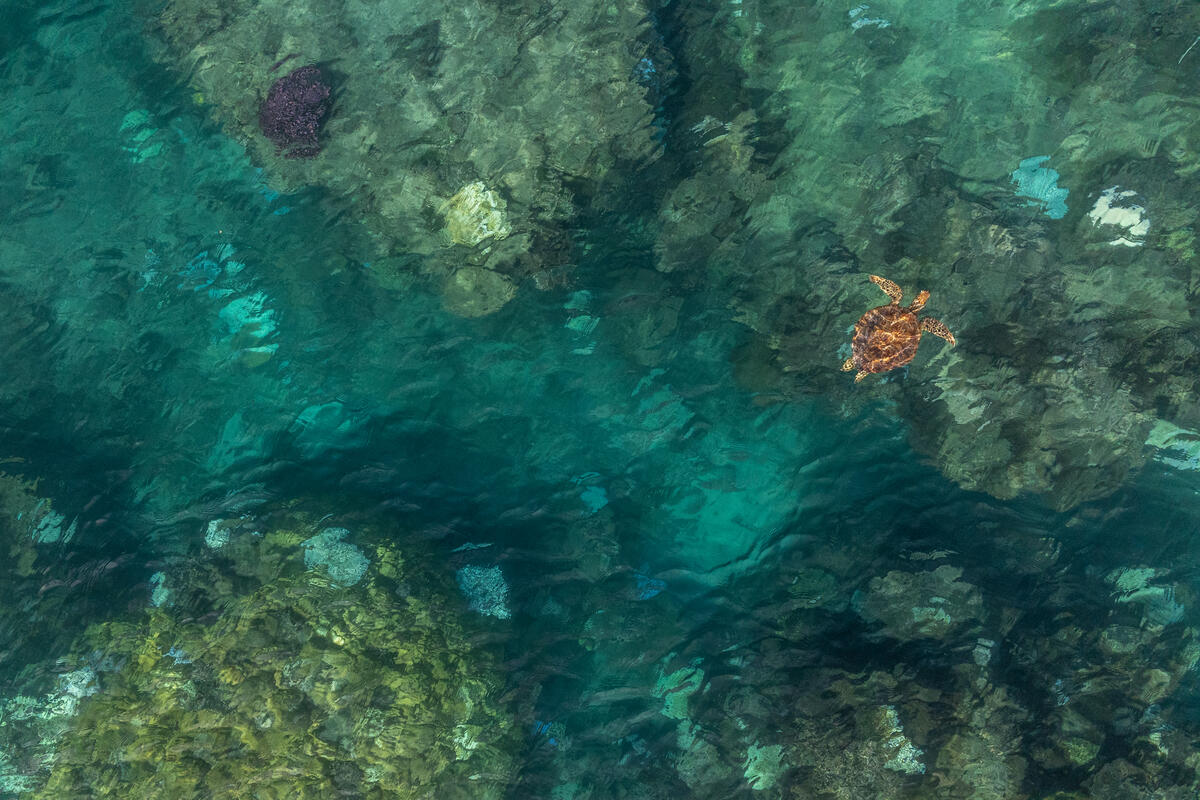
Adopt a marine turtle and help support our work in Fiji. We’re identifying important nesting sites and working with local people to help protect those beaches and the marine turtles that use them. When you choose an animal adoption, you are supporting both your chosen animals as well as wider work to help bring our world back to life.