Issue
Bagmati Province, Nepal, includes areas of wild beauty, from the ancient sal forests and tall grasslands in the south where tigers roam and rhinos graze, to the alpine meadows and Himalayas to the north, and meandering rivers flowing through the region.
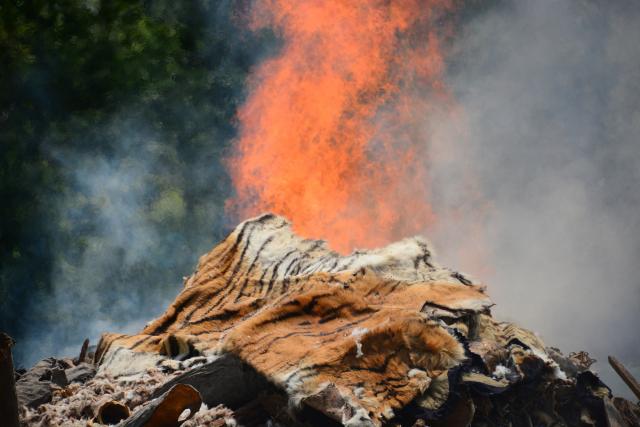
But there is a darker side to this vibrant scene. Cloaked in secrecy, some animals are killed for the illegal wildlife trade and traffickers move illegal wildlife parts across the region’s borders, hidden in buses, trucks and other cargo. Transportation workers, knowingly or unknowingly, carry illegal wildlife parts, and socio-economically disadvantaged people are paid as poachers around Chitwan and Parsa National Parks.
This is the Illegal Wildlife Trade (IWT), and it threatens the country’s treasured and endangered species.
At the start of the project, Bagmati Province had Nepal’s highest rates of wildlife seizures. Traders exploit systemic weaknesses, like inadequate law enforcement, to transport wildlife parts throughout the region and beyond.

Solution
WWF-Nepal, in partnership with WWF-UK and with funding from the UK Government’s Illegal Wildlife Trade Challenge Fund, as well as WWF-UK’s tiger adoption, launched this project in 2023. It aimed to work with transportation workers, enforcement agencies and local communities to reduce Illegal Wildlife Trade in the Bagmati Province.
One element of the work began with Nepal’s youth: the next generation of protectors. Across five Protected Area buffer zones, one hundred young people stepped forward to lead change and undergo locally appropriate employability training and IWT awareness training.
Over two years, these Conservation and Youth Champions staged 55 creative awareness and behavioural change campaign events, from street theatre performances to schools. Their message, ‘protect wildlife, protect our future’, reached more than 2,500 people.
These young people were also equipped with skills required for livelihood options linked to tourism-related benefits of having wildlife nearby. Today, they’re able to work, for example, as licensed nature guides, baristas or mechanics – no longer reliant on poaching to make a living.
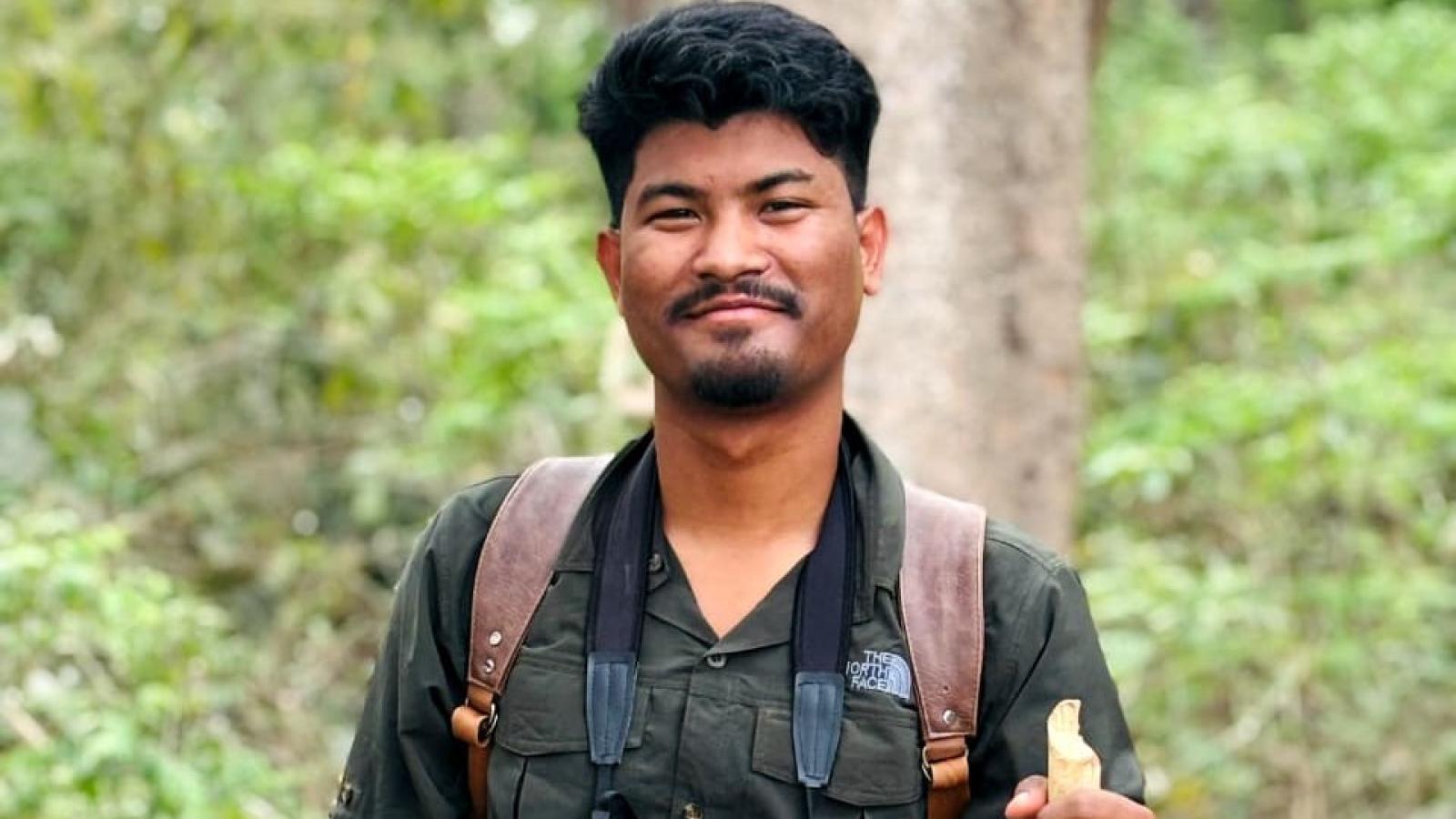
“Through the programme, I trained as a nature guide and learned to identify birds, lead tours, and run awareness activities in schools and communities. We taught people about protecting wetlands and forests, and why species like Sarus cranes and migratory geese matter.
In recent years, I have started seeing changes. Villagers who once harvested the forest without limits now seek permits, and when poaching happens, they report it instead of ignoring it. I think our awareness activities have also contributed to this change in a small way.
This journey has given me both confidence and a livelihood. Conservation is no longer just about protecting wildlife, it has become a path for opportunity, resilience, and hope for the future.”
result
Alongside certified livelihood skills, young people have become agents of change in creating awareness and changing community behaviours. They have positioned themselves at the start of breaking IWT chain: not engaging in wildlife crimes, and influencing their family members, relatives and neighbours to do the same. The transportation workers were also better informed about the risks associated with illegal wildlife trafficking, and the enforcement agencies became better equipped to identify wildlife parts. Together, all these measures helped to make a difference during the project period.
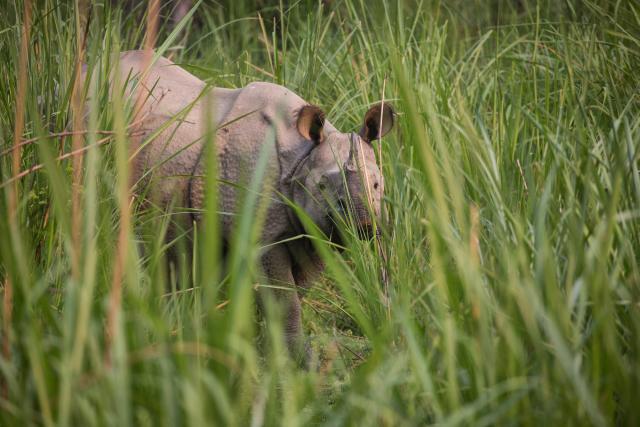
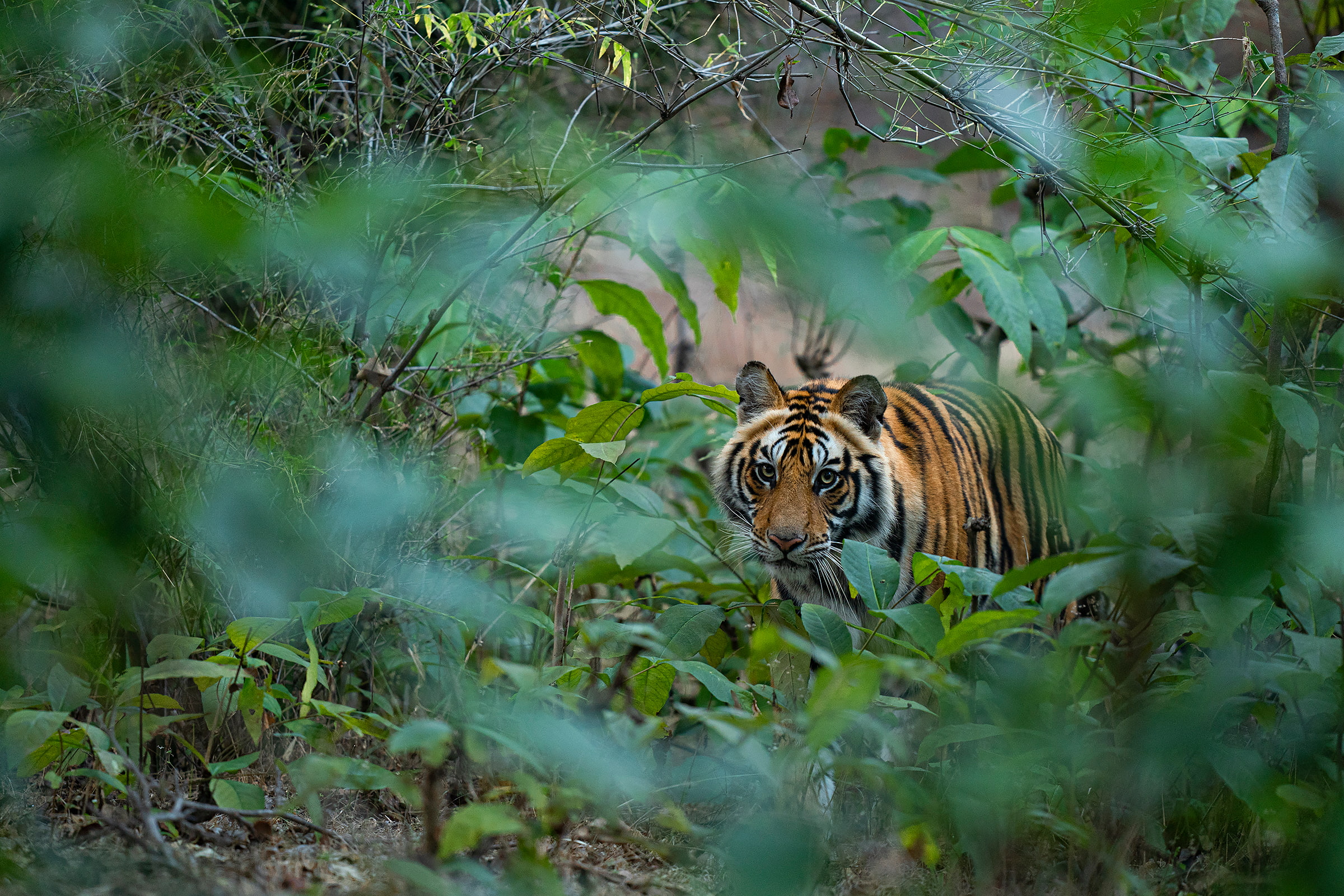
During the project period, there were zero cases of rhino and tiger poaching in Bagmati Province, while poaching cases were recorded in neighbouring provinces. This is a positive indication that IWT is reducing in Bagmati Province.
Adopt a Tiger
Adopt a Tiger
By supporting WWF-UK, whether that’s through a tiger adoption or a one-off donation to our tiger appeals, you are helping to fund critical work in important tiger landscapes in India, Nepal and China.