
Restoring Rivers and strengthening Communities in the Karnali Basin
Accurate at time of publication: 29 May 2026
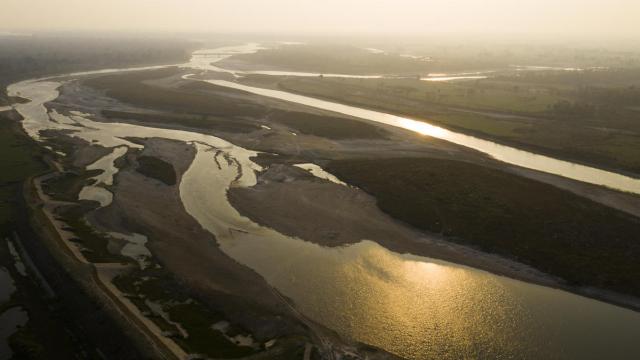
In Nepal’s Lower Karnali watershed, WWF and partners, with support and funding from the UK Government through the Darwin Initiative, are supporting Indigenous river communities to protect biodiversity while building resilient livelihoods. Through community-led river management, alternative income opportunities, and strengthened governance, the project is transforming how conservation happens, placing local people at the centre. From reducing illegal fishing to empowering women leaders and documenting aquatic biodiversity, this project shows that healthy rivers and thriving communities go hand in hand.
The issue
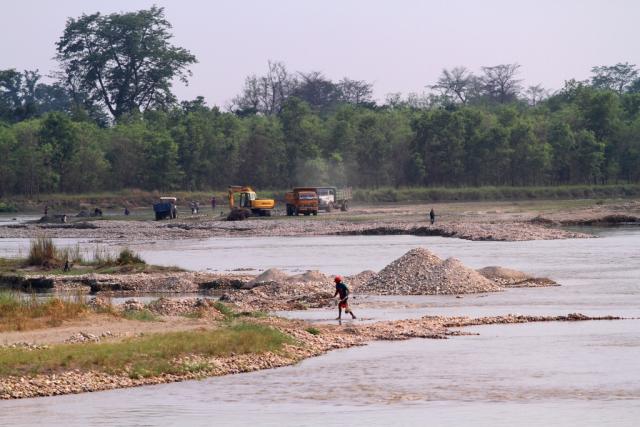
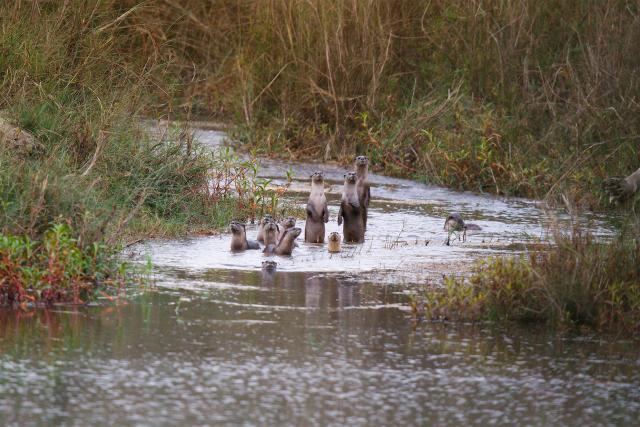
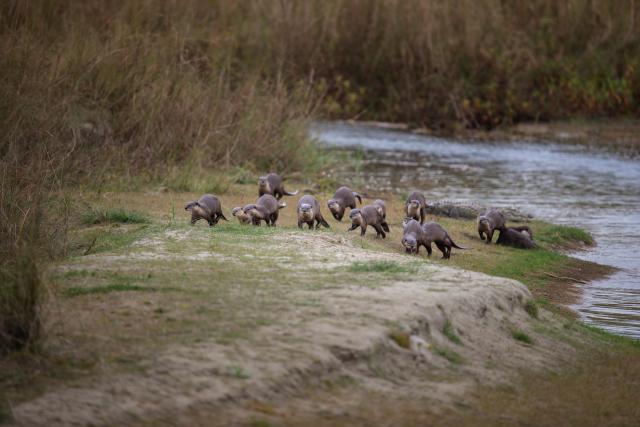
The Karnali River system is a biodiversity hotspot, home to over 130 fish species and endangered wildlife such as smooth-coated otters and river dolphins. Yet unsustainable fishing, sand and gravel extraction, and weak enforcement have degraded habitats and reduced fish stocks.
For Indigenous Sonaha and Tharu communities, these changes threaten not only ecosystems but also livelihoods, food security, and cultural traditions closely tied to the river. Limited alternative income sources have increased pressure on natural resources, creating a cycle of environmental decline and economic vulnerability. Addressing these interconnected challenges requires solutions that support both conservation and community wellbeing,
The Solution
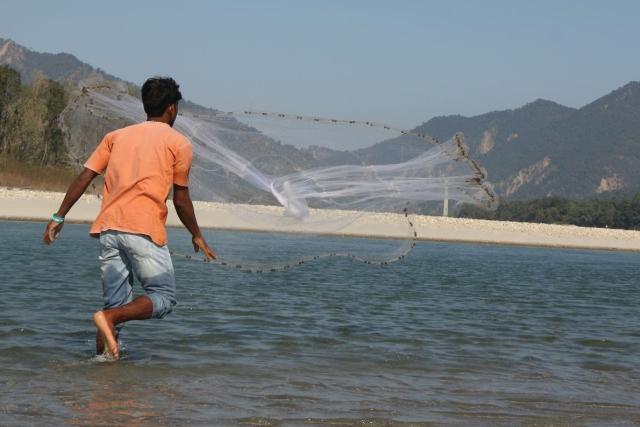
WWF Nepal and partners implemented an integrated approach combining conservation, livelihoods, and governance. Fifteen Community River Stretch Management Groups (CRSMGs) were established to monitor river health, reduce destructive fishing, and strengthen local stewardship.
At the same time, households were supported to diversify incomes through enterprises such as fish farming, vegetable cultivation, and small businesses, reducing dependence on river extraction. Training and collaboration with local authorities improved enforcement capacity and awareness of biodiversity laws. Scientific surveys and stakeholder engagement also contributed to developing Nepal’s first draft National Smooth-coated Otter Conservation Action Plan.
Together, these actions created a community-led model linking conservation outcomes with livelihood security and inclusive governance.
The result
This project delivered real, measurable change for both people and nature in the Lower Karnali River Basin. Rivers are healthier, wildlife is returning, and communities are thriving.
Otter presence more than doubled at the project site, a strong sign that river habitats are recovering. Fish diversity and abundance also increased significantly, reflecting improving ecosystem health. At the same time, harmful practices declined, illegal fishing incidents dropped by nearly two-thirds, driven by community-led monitoring and stewardship. Local people have been at the heart of this change. The community groups now actively manage river stretches, with almost all members adopting sustainable fishing practices. Their regular patrols and monitoring are helping to protect rivers for future generations.
The project has also transformed livelihoods. More than 220 households have developed alternative sources of income, from farming and aquaculture to small businesses, reducing pressure on the river. As a result, average household incomes have risen substantially, improving resilience and wellbeing. Awareness activities reached nearly 1,000 people, while citizen science initiatives documented 18 fish species, strengthening conservation knowledge. This project has also influenced policy. For the first time, aquatic biodiversity has been embedded into local government systems. New conservation laws have been adopted, Nepal’s first fish sanctuary has been declared and a national plan to protect smooth-coated otters is underway.
Together, these results demonstrate that when communities are empowered, conservation works -for rivers, wildlife, and people.
Become a member
Become a member
Help scale this proven model to protect rivers, wildlife, and livelihoods across Nepal and beyond.