
Rhino recovery in Tanzania
Accurate at time of publication: 21 September 2026
Issue
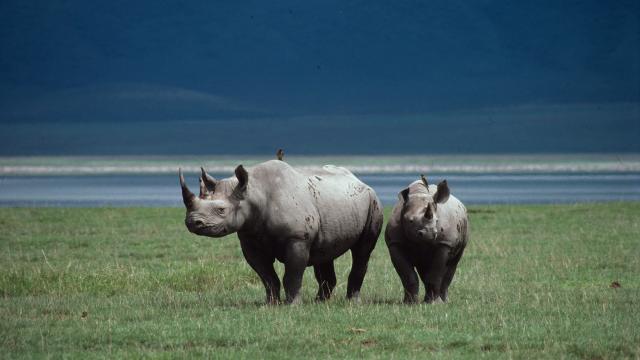
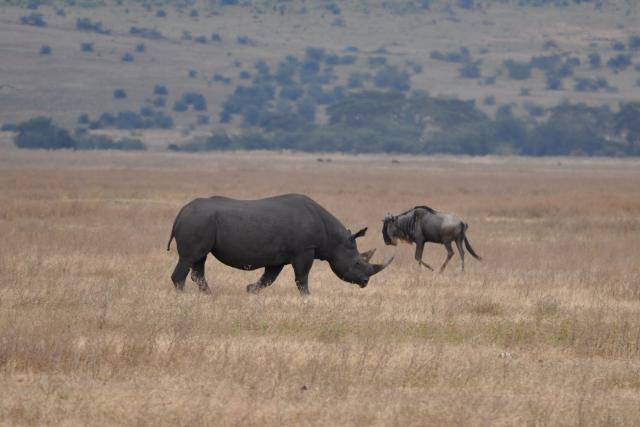
In the 1970s, Tanzania was home to around 10,000 black rhinos. However, over the following decades, widespread poaching driven by high demand for rhino horn in international illegal wildlife trade drove large-scale poaching.
By the 1990s the species was nearly lost in the country, with fewer than 100 individuals estimated to survive.
Other threats include habitat loss and fragmentation causing rhino populations to be more isolated and vulnerable. Climate change and broader human pressures on ecosystems, including unsustainable natural resource use, continue to create challenges for rhino conservation today.
Solution
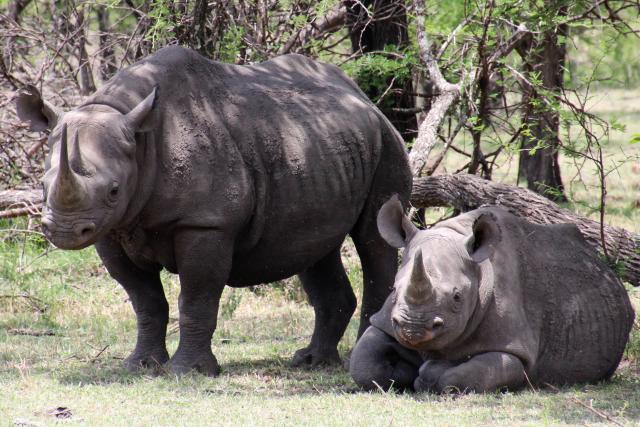
Dedicated conservation efforts have helped the black rhino population in Tanzania to slowly increase in protected areas, including the Mkomazi Rhino Sanctuary.
Ongoing collaboration between government agencies, conservation organisations and local communities has enabled improved monitoring, anti-poaching measures and habitat management to support continued recovery of the country’s black rhino population.
In recent years, WWF has supported a review of Tanzania's National Rhino Management Strategy and development of a national rhino database. We have also funded efforts to strengthen rhino monitoring and management, including learning exchanges with Kenya rhino experts.
This year WWF-Tanzania also supported habitat restoration in Mkomazi Rhino Sanctuary through the removal of invasive species.
results
The Tanzanian government recently shared insights of its latest (2024-2025) National Wildlife Census, which assessed large mammal populations in the country.
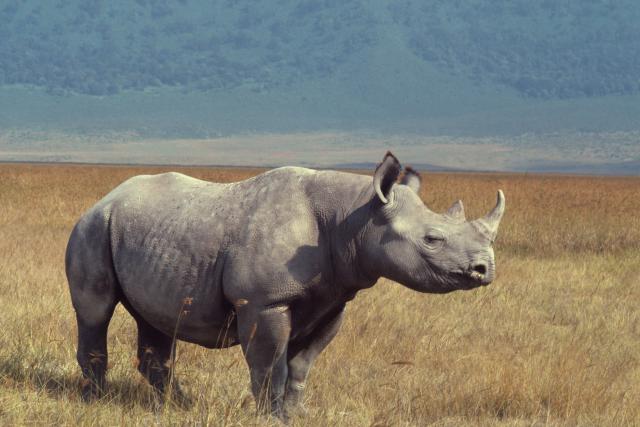
Encouragingly, it’s good news for rhinos – total numbers of black rhinos have reportedly doubled from 142 in 2014 to 285 in 2025. While numbers remain low, this increase demonstrates the potential for future recovery of critically endangered black rhinos in Tanzania.
Other statements from Tanzania's Wildlife Research Institute paint a cautiously optimistic picture. Several more of Tanzania’s most iconic species, including elephants and buffaloes, are also showing signs of recovery, including elephant numbers increasing by around 46% since 2014.
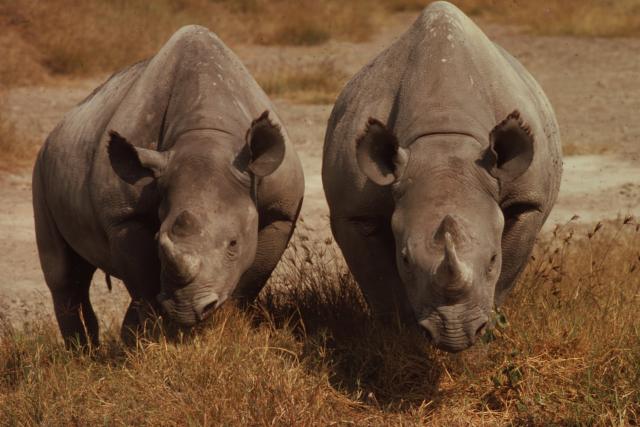
However, wildlife in Tanzania continues to face challenges including habitat loss and fragmentation from agricultural expansion, livestock grazing and settlement developments. Moreover, climate change, human-wildlife conflict, and unsustainable use of natural resources place immense pressure on ecosystems.
Ongoing dedication from government authorities, conservation organisations including WWF and community members has made strong progress to protect wildlife populations in Tanzania. With threats increasing, this strong collaboration is needed now more than ever to continue the country's wildlife recovery.
“Behind every encouraging statistic is a story that will never appear in a graph or statistics. It is the story of a ranger walking long patrols to protect wildlife. A researcher patiently monitoring animal movements over many seasons wet and dry. A village choosing coexistence over conflict. A government investing in protected areas. A young conservation champion planting trees in their community.”
Joan Itanisa, Head of Communications, WWF-Tanzania Country Office
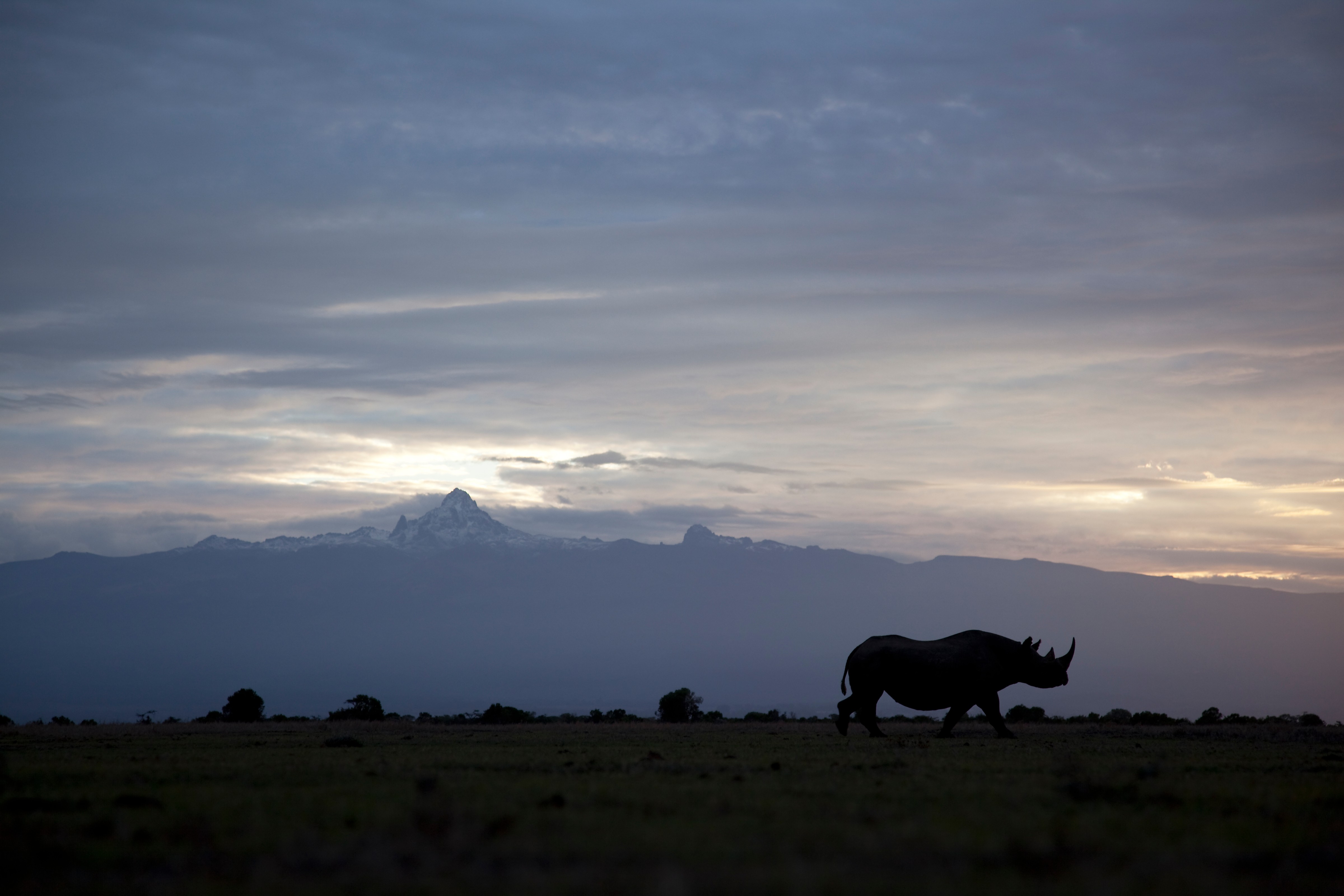
Adopt a Rhino
Adopt a Rhino
Your adoptions will help protect rhinos in Africa and help fund our other vital work around the world. When you choose an animal adoption, you are supporting both your chosen animals as well as wider work to help bring our world back to life.