NATURE Impacts
A National Assessment Tool for Understanding Relative Environmental Impacts.
Project overview
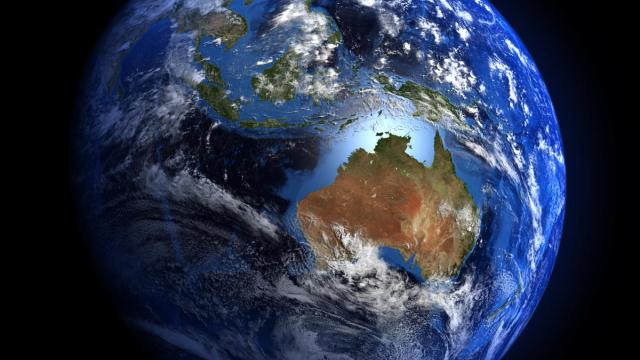
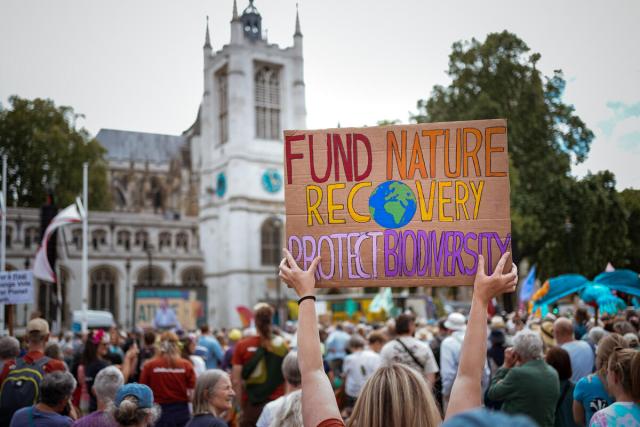
We’re working with Oxford University, to build an assessment tool to help countries find the actions they can take that will have the greatest impact on nature recovery at both national and global levels.
NATURE Impacts is a forward-looking approach that works by combining scientific evidence, existing datasets, modelling and local expertise.
In 2025 our supporters were the first to help fund the development of NATURE Impacts and they collectively raised £110,000 to bring NATURE Impacts to life. Their support to our appeal showed that our supporters want to help businesses, governments and countries improve their efforts to protect nature and meet global environmental goals. And thanks to them we have been able to move from concept to action.
We’re developing and testing the approach through a series of interconnected steps that together support nations to set their priorities based on evidence.
- Understanding national contexts: Connecting ecological, social and economic evidence to understand each country’s current context, biodiversity status and key pressures on nature overseas.
- Assessing current action: Reviewing existing commitments, policies, actions and outcomes to understand current progress and find opportunities for greater impact.
- Exploring future scenarios: Using models to examine how different policy and management options could influence future biodiversity outcomes.
- Considering fair national contributions: Exploring how different approaches to sharing responsibility between countries influence the level of effort each nation may need to make towards achieving the Kunming-Montreal Global Biodiversity Framework goals.
- Identifying national priorities: Working with in-country experts and stakeholders to combine evidence, local knowledge and diverse perspectives to find the most impactful national priorities.
- Monitoring and refining priorities: Supporting an ongoing process where priorities are reviewed, modelled and updated as new evidence, data and progress become available.
Why we are doing it
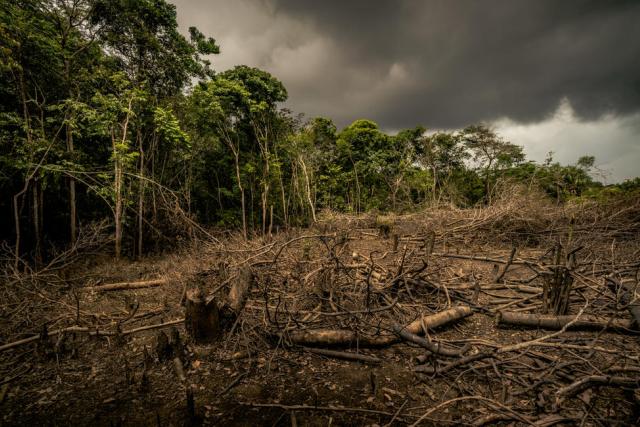
Biodiversity is declining despite decades of global commitments. The size of monitored vertebrate wildlife populations has declined by 73% on average between 1970 and 2022, according to the 2026 edition of WWF’s Living Planet Report. This loss of nature risks us crossing irreversible tipping points in critical Earth systems. But there is hope. Positive tipping points are being achieved too, and we know what we need to do to turn the tide. People want more action and more ambition.
Achieving global goals such as the Kunming-Montreal Global Biodiversity Framework, the Paris Agreement and the Sustainable Development Goals requires transformative action across society including governments, businesses, financial institutions and individuals. While existing initiatives provide valuable information on biodiversity status and progress, national action is often not at the scale needed and countries still face difficult decisions about where to focus limited resources to achieve the greatest impact.
Project impact
NATURE Impacts goes beyond assessing a nation’s progress in meeting its commitments. It finds the most impactful and context-appropriate actions for countries to bend the curve on national and global biodiversity loss.
The proposed approach:
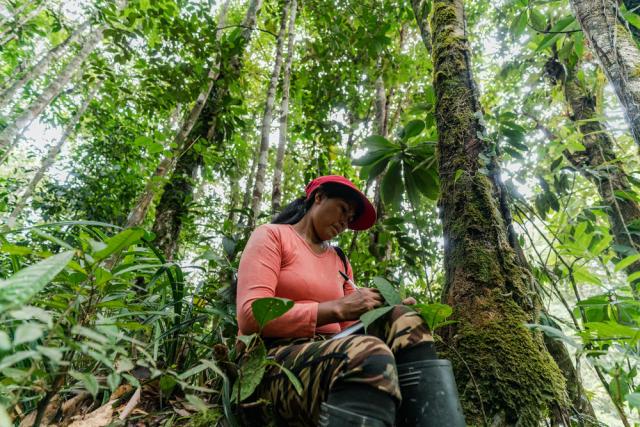
- Is grounded in local knowledge
- Builds upon existing data and scientific initiatives
- Recognises the cross-border impacts (both positive and negative) of national action
- Ensures equity and fairness are considered in decision making
- Draws on expert knowledge to navigate data gaps, combine evidence sources and integrate different values.
Additionally, NATURE Impacts is an approach that could democratise action and accountability. This would ensure that all impacts - both positive and negative - are recognised. It would support all parts of society to contribute to achieving global goals, and directing bottom-up, science-based pathways towards more impactful, fair and effective nature recovery.
Next steps
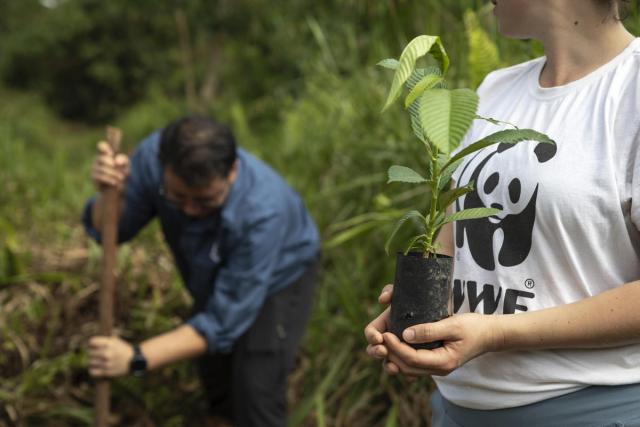
We are currently building this framework with the aim to test the approach with real-life examples to ensure it is fit for purpose. Then, we will create a user-friendly dashboard to bring together all the available data and make it accessible.
Resources
For more information and related resources, please visit our partner website, Leverhulme Centre for nature recovery.
Become a member
Become a member
Join over 100,000 people who have taken action to help bring our world back to life. Join us with a WWF membership.