
Project overview
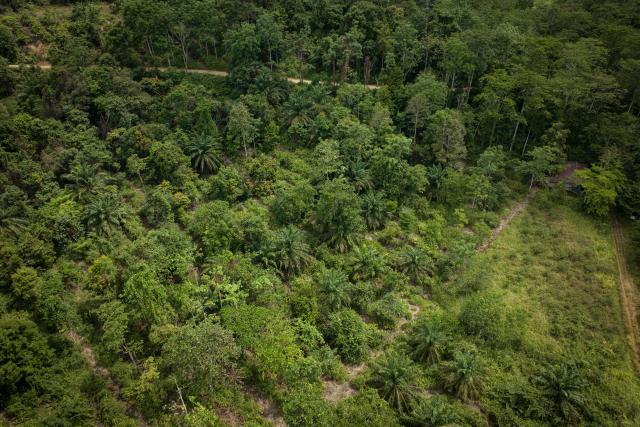
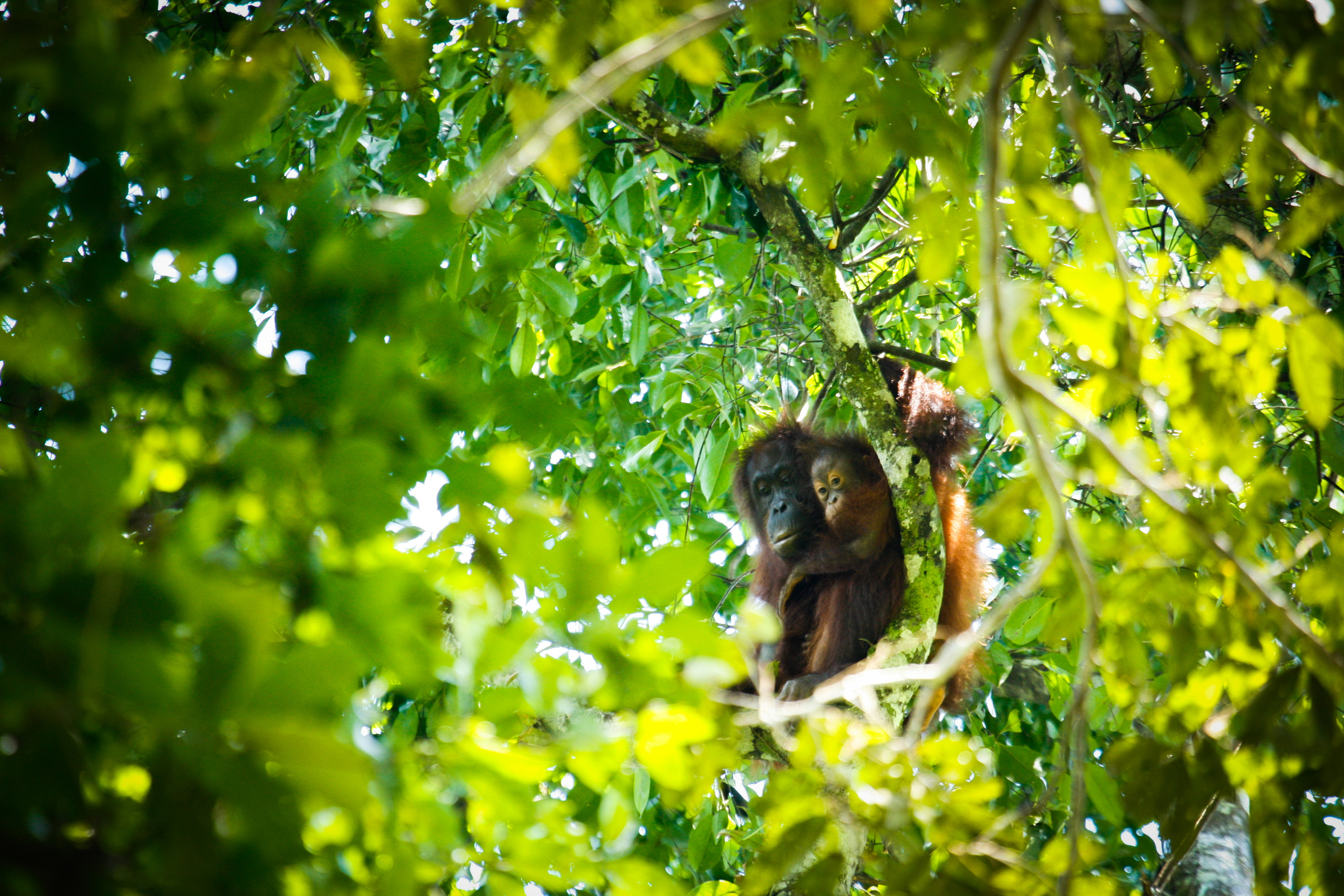
Hundreds of thousands of hectares of forest have been cleared to the south and east of the forest reserve in Sabah, Malaysia over many decades, almost entirely for present-day oil palm plantations. Through WWF-Malaysia’s Sabah Landscape Programme, WWF-UK alongside partners has supported the restoration work on Mt Wullersdorf wildlife corridor to remedy past degradation and encroachment. Covering 150 ha of degraded forest, Phase 1 of the project will help to improve habitat connectivity and restore populations of the critically endangered orangutans. The main goal of replanting in the wildlife corridor is to reconnect orangutan habitats from Ulu Kalumpang Forest Reserve to Mount Wullersdorf.
Why we are doing it
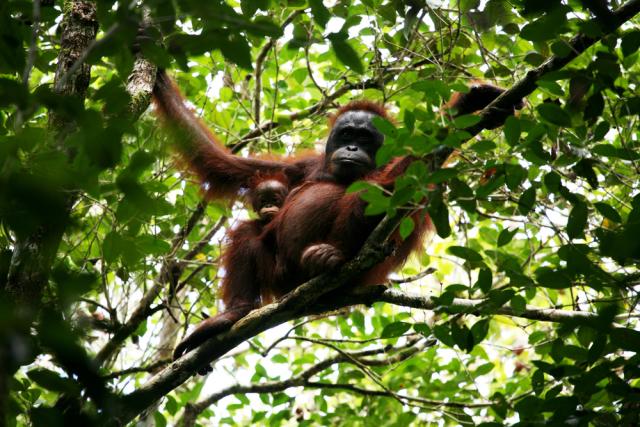
These forests in Malaysia are home to globally endangered wildlife such as the Bornean elephant, clouded leopard and the critically endangered Bornean orangutan, the mixed montane forest is remarkable. But historical forest loss and fragmentation have had serious ecological impacts, affecting orangutans and other key wildlife species in Sabah. In 2019, as few as 10 orangutans were recorded in Mt Wullersdorf, down from more than 30 in 2010 according to nest survey data.
Project impact
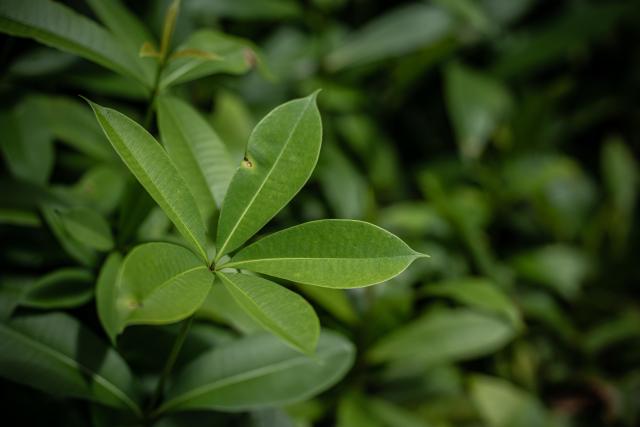
Over the past three years, the WWF-Malaysia team cleared away weeds and oil palms in degraded or converted areas, to make way for healthy forest growth. Seedlings for native tree species and orangutan fruit trees were planted in the cleared areas. Since the start of the project, a total 23,831 seedlings from varieties of indigenous species such as, Pulai, Talisay Paya, Laran, Binuang, Salung Apid, have been planted. Now, four years after planting began, fast-growing trees at Mt Wullersdorf are growing tall and dense and shade cover has returned.
This work is an essential step towards ensuring the survival of orangutans and other endangered species, by restoring the habitat and enabling connectivity between forest fragments. Not to mention the fact that new trees planted through the project will help to absorb carbon that would otherwise make its way into the atmosphere and contribute to global warming.
Next steps
Maintenance after planting is a key part of the ongoing work, and the team in Sabah has been carrying out weeding and pruning. This ‘after-care’ is very important for planted seedlings to be able to receive sufficient sunlight to survive and grow to a safe height.
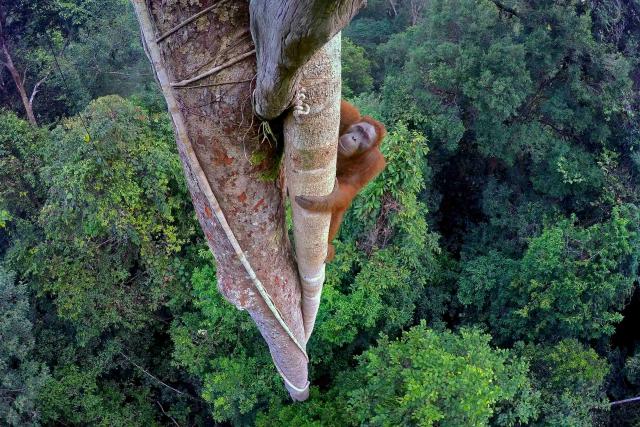
With support from Sabah Forestry Department (the state agency responsible for managing and conserving Sabah’s forest reserves), WWF-Malaysia is continuing to assess the effectiveness of the wildlife corridor, including annual wildlife surveys and monitoring for evidence of orangutans using the planted trees and corridor. To date, no orangutan sightings have been recorded, as the planted trees are still young. But watch this space!
Adopt an Orangutan
Adopt an Orangutan
Your adoptions will help protect orangutan habitats and help fund our other vital work around the world. When you choose an animal adoption, you are supporting both your chosen animals as well as wider work to help bring our world back to life.