Preparing the Amazon for a hotter, drier future
El Niño is adding pressure to an already vulnerable Amazon. WWF is helping communities, scientists and partners prepare for fire, drought and extreme heat before they become emergencies.
Project overview
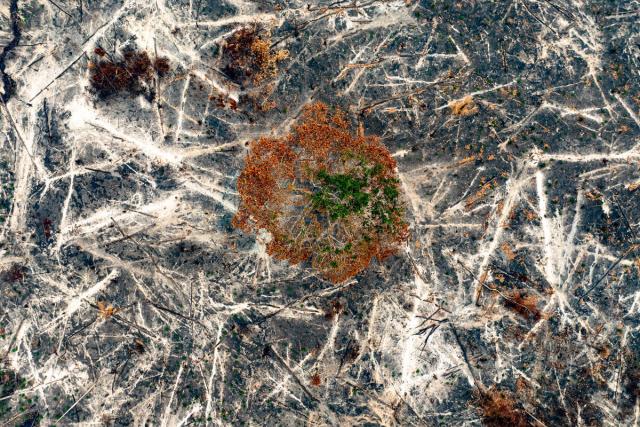
The Amazon should be alive with the sounds of rainfall, jaguars, birds and insects. Instead, picture a once-lush canopy browning under the relentless sun, a river that was once teeming with life reduced to dried, cracked earth.
As climate change, deforestation and El Niño threaten the rainforest and the millions of people and animals that call it home, WWF is preparing for a challenging year ahead, holding close the knowledge that although we cannot stop El Niño, we can prepare to act - to reduce its most serious and devastating impacts.
Why we are doing it
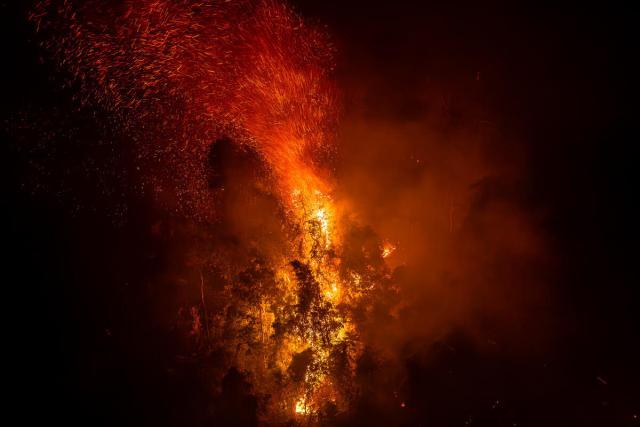
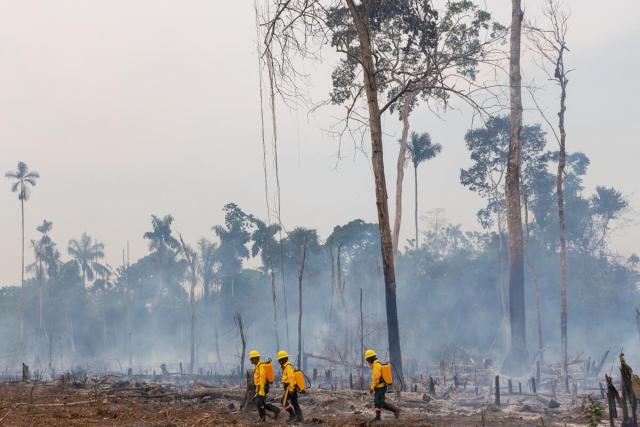
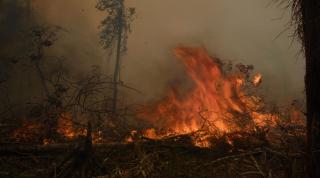
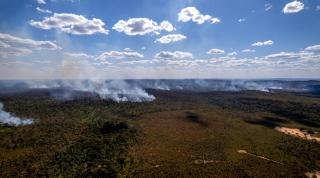
Witnessing the Amazon rainforest burn should not be considered normal. Forty years ago, fires in the Amazon were extremely rare. Yet between 2008–2018, an area the size of England has burned.
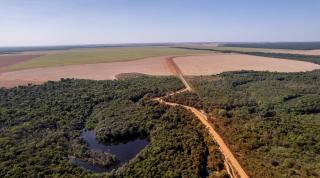
How does a rainforest burn? For a fire to burn, you need three things — fuel, an ignition source and the right climatic conditions. The wide-scale setting of fires by people to clear land and maintain pastures has introduced an ignition source to the Amazon. The impacts of climate change and deforestation, intensified by El Niño, have created a drier and hotter Amazon that gives fire access to the fuel and climatic conditions it needs to spread.
“Fire management begins long before an emergency occurs.”
Project impact
WWF is working across the Amazon to reduce the most devastating impacts of El Niño, climate change and deforestation, and protect the rainforest that plays a vital role in global climate regulation.
- In Bolivia, WWF is working with 54 municipalities to use an early warning system for fires, supporting local officers with training in use of the system and firefighting.
- In Brazil, WWF supports MapBiomas, a tool used to monitor and understand deforestation, fires and water dynamics in the Amazon.
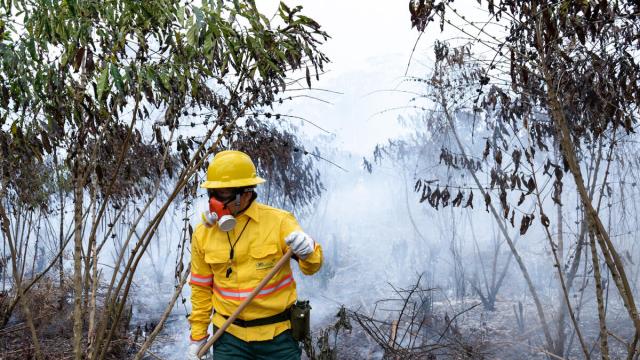
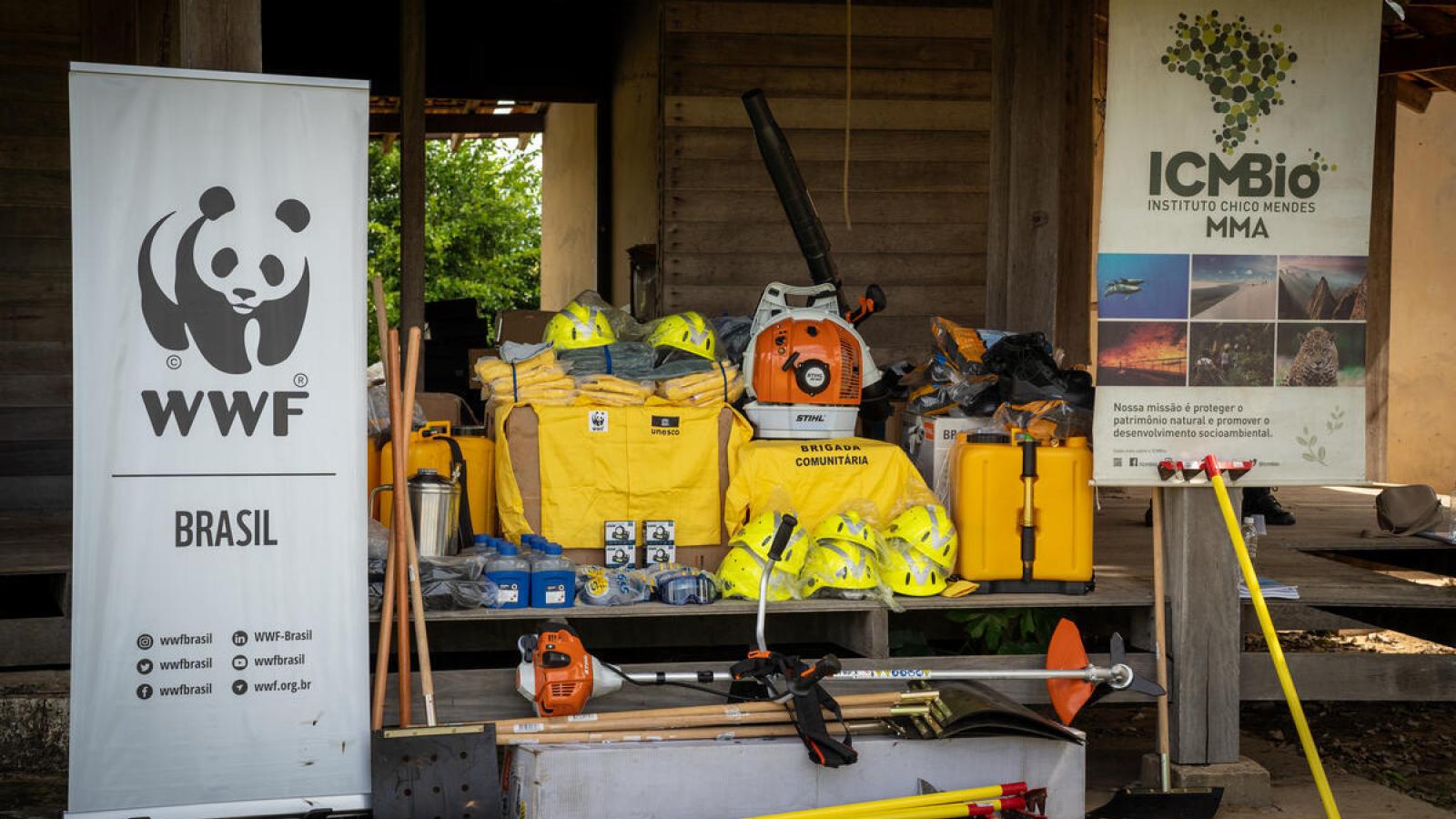
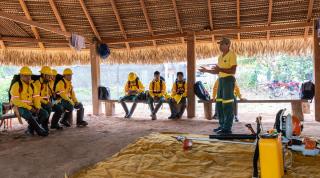
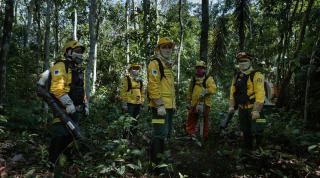
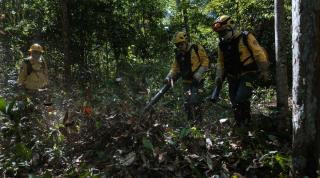
- Since 2019, WWF-Brazil has supported more than 100 local and Indigenous brigades, working with over 1,000 members, including the Paiter-Suruí Indigenous brigade, Rondônia state’s first official Indigenous brigade.
- WWF has also supported the development of firefighting techniques specifically for the Amazon, created to assist training and real-time guidance for community brigades across the region. Four booklets, created for different forest types found in the Amazon, outline tailored firefighting techniques, roles for each brigade member, and important guidance on safety and wellbeing.
Next steps
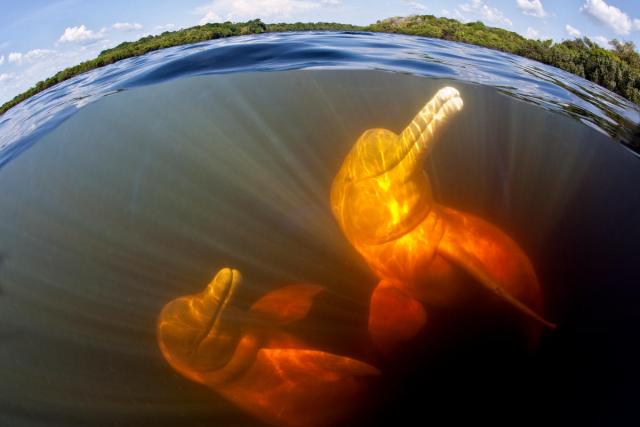
WWF is supporting continued expansion of remotely monitored areas and, through the South American River Dolphin Initiative, has coordinated workshops with local community members to develop guidelines for river dolphin rescue during droughts and extreme heat events. Through these diverse and collaborative efforts across the Amazon, WWF is taking action to protect the Amazon for people, climate and wildlife.
Pictures from the ground
-
© Pí Suruí / WWF-Brazil
-
© Pí Suruí / WWF-Brazil
-
© Tuane Fernandes / WWF-Brazil
-
© Tuane Fernandes / WWF-Brazil
-
© Ubiratan G. Surui / WWF-Brazil
-
© Jacqueline Lisboa / WWF-Brazil
-
© Jacqueline Lisboa / WWF Brazil
-
© Day's Edge Productions / WWF-US
/
Climate recovery fund
Climate recovery fund
100% of every pound you donate goes directly towards forward-thinking projects focused on the four areas where we can collectively have the greatest impact. The Amazon, Polar regions, Forests, Influencing UK Government policy.