Wales & Global Responsibility
What we do, here in Wales, is having a catastrophic effect on the world’s forests and critical habitats.
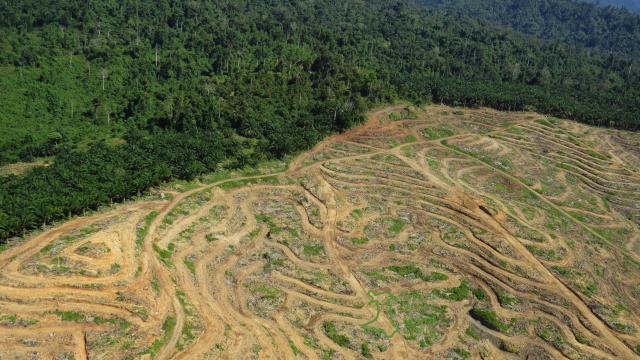
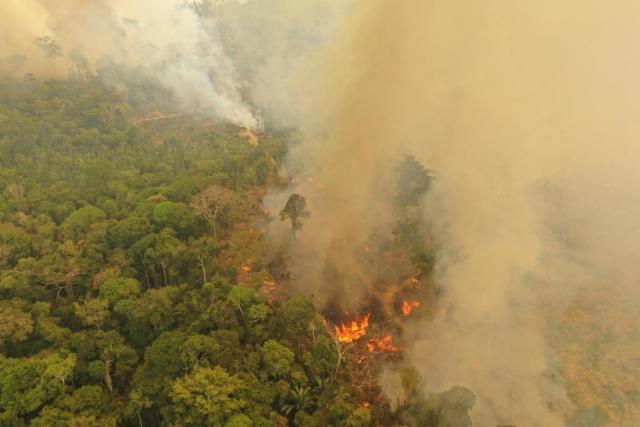
The food and goods we consume in Wales have a large footprint overseas. From soy used in animal feed to our morning pick me up coffee, these everyday products can come with a hidden cost: deforestation, habitat loss, higher greenhouse gas emissions and harm to Indigenous People’s rights and livelihoods. Producing Welsh imports of just five commodities - soy, beef, palm oil, cocoa and coffee - required an average overseas land area equivalent to Pembrokeshire and Ceredigion combined between 2011 and 2025.
Our first Wales and Global Responsibility report, published in 2021, explored the overseas land footprint of agricultural and forest commodities imported into Wales. It examined where these goods came from and the environmental and social risks associated with their production, helping us understand Wales’ role in global supply chains.
Wales and Global Responsibility II builds on that research with a focus on five food commodities: soy, beef, palm oil, cocoa and coffee. It links these commodities to forest and habitat loss, emissions and social harm and highlights the growing pressure from an increase in soy imports used to feed livestock, particularly poultry.
Understanding these connections is a step towards reducing Wales’ global impact. The reports explore the risks behind our consumption. The latest report also sets out action for government, businesses and public bodies to help build supply chains free from deforestation, habitat conversion and social exploitation.
“At COP26 in 2021 Wales was among 140 countries pledging to halt and reverse deforestation by 2030. Yet in 2026, we’re still contributing to catastrophic deforestation, habitat loss and associated social impacts. Welsh Government must use every lever at its disposal to help eliminate these harms from its supply chains. This report sets out the solutions - such as aligning the Sustainable Farming Scheme with deforestation-free goals and supporting farmers to produce high-quality food without relying on imported soy and palm-based feed.”
Shea Buckland-Jones, Head of Policy and Advocacy, WWF Cymru