
Endangered Emperor Penguins: WWF's Commitment To Rewriting Their Story
Accurate at time of publication: 9 April 2026
An icon, endangered
Emperor penguins. Built for life in the natural extremes of Earth’s southern-most continent.
Antarctica is one of the most hostile environments on Earth, yet emperor penguins have historically thrived here. A marvel of evolution, with physical and behavioural adaptations shaped over millions of years.
But on 9 April 2026, the International Union for the Conservation of Nature (IUCN) classified emperor penguins as ‘Endangered’. Official recognition that these previously ‘Near Threatened’ Antarctic icons are now facing a very high risk of extinction in the wild.
How did we get here?
Life on ice
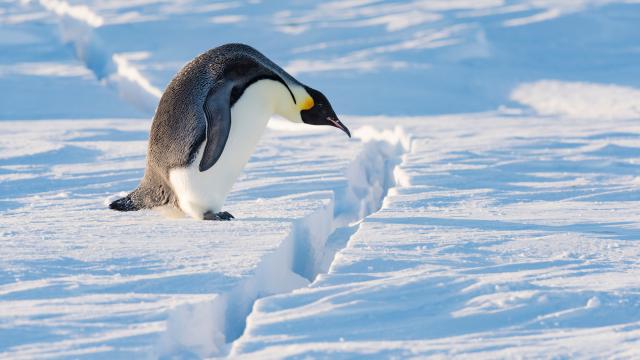
Some emperor penguins may be the only birds never to set foot on land, with a unique life on and around ice.
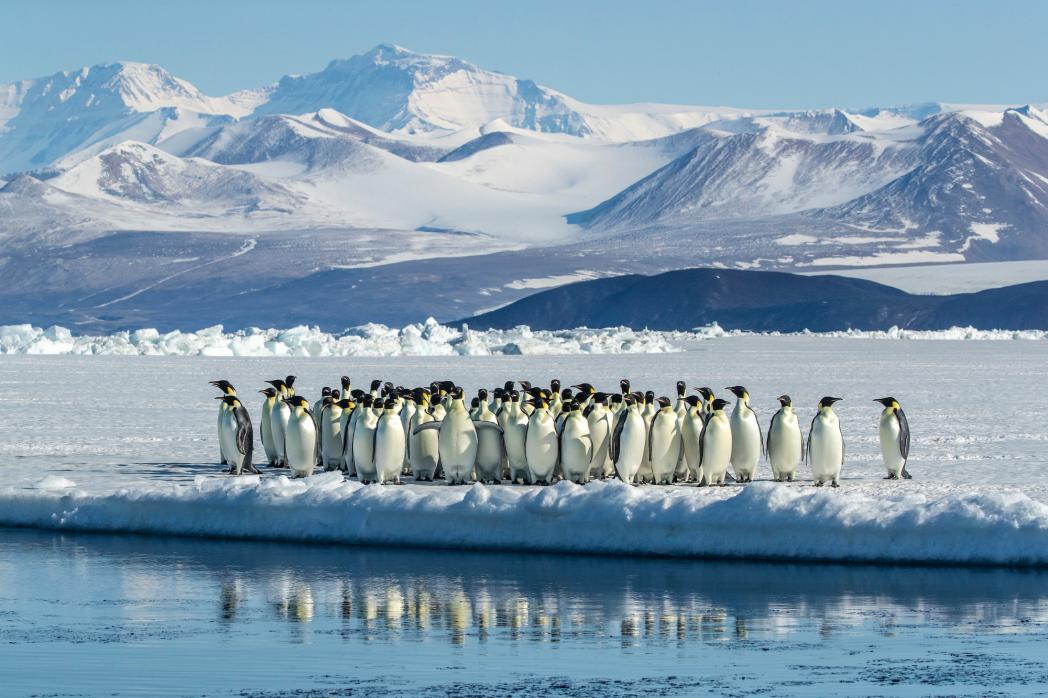
Sea ice – frozen sea water – is vitally important to the penguins’ way of life and their role as predators maintaining balance in the Southern Ocean food web. From providing an important habitat for prey species such as krill, to offering important resting platforms between dives. They rely on Antarctic fast ice - floating sea ice attached to land, ice shelf or the seabed - to breed, raise their young and moult, replacing their waterproof and insulating feathers each year.
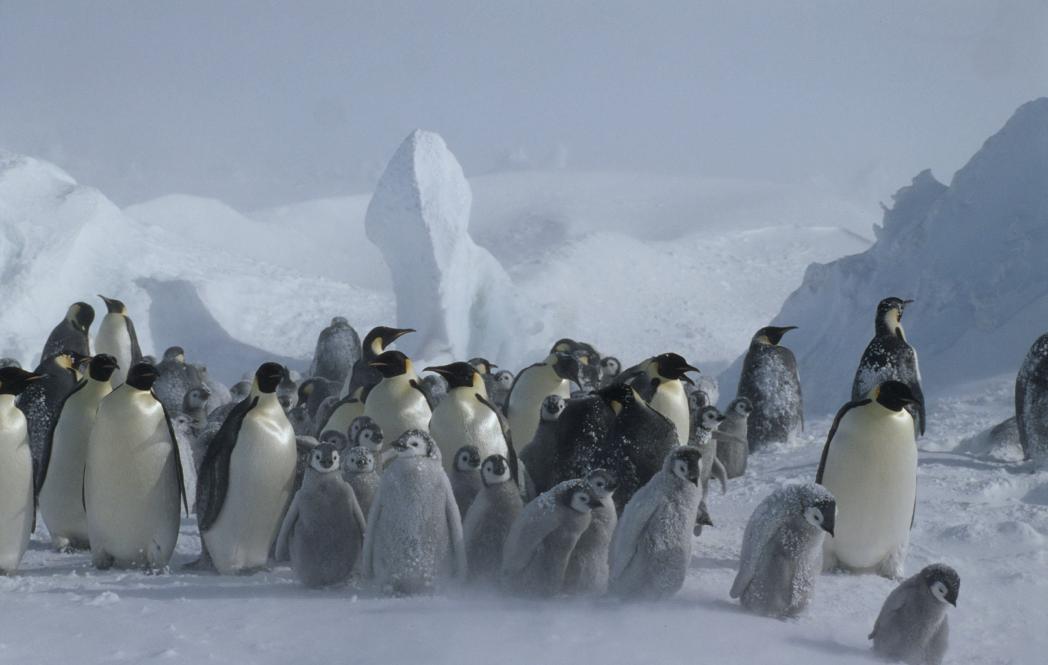
Forming large colonies on the fast ice, emperors breed during the cold, dark winter, with temperatures as low as -50°C and winds up to 200km per hour. Male and female emperor penguins share parenting duties. The male incubates the precious egg while the female feeds. She returns in time to feed the newly hatched chick and for the male to trek up to 100km over the ice to find food once again. Rearing the hatched chick then becomes a joint effort. A perfectly timed juggling act that means their chicks can fledge in the late summer season, when food is most plentiful and the new generation’s waterproof feathers have come through.
Sadly, this has become a precarious way of life.
Alarm bells
Though emperor penguins live on a continent with no permanent human residents, they are feeling the effect of our global population’s actions.
Sea ice levels naturally change throughout the year as the surface of the ocean around Antarctica freezes over in the winter and melts back each summer. But as the climate warms, we’re seeing extremes, breaking records we don’t want to break. WWF has supported the British Antarctic Survey (BAS) in monitoring emperor penguin populations in Antarctica, since 2013. Together we have witnessed a grim picture unfolding.
Four of recorded history’s lowest summer sea ice extents have occurred since 2022. In 2022 in the central and eastern Bellingshausen Sea, the vital ice beneath the penguins’ feet broke up too soon. Early break-up of the fast ice is thought to have resulted in catastrophic, unprecedented chick mortality. The colonies’ next generation almost certainly lost to the frigid water before they had grown their protective waterproof feathers.
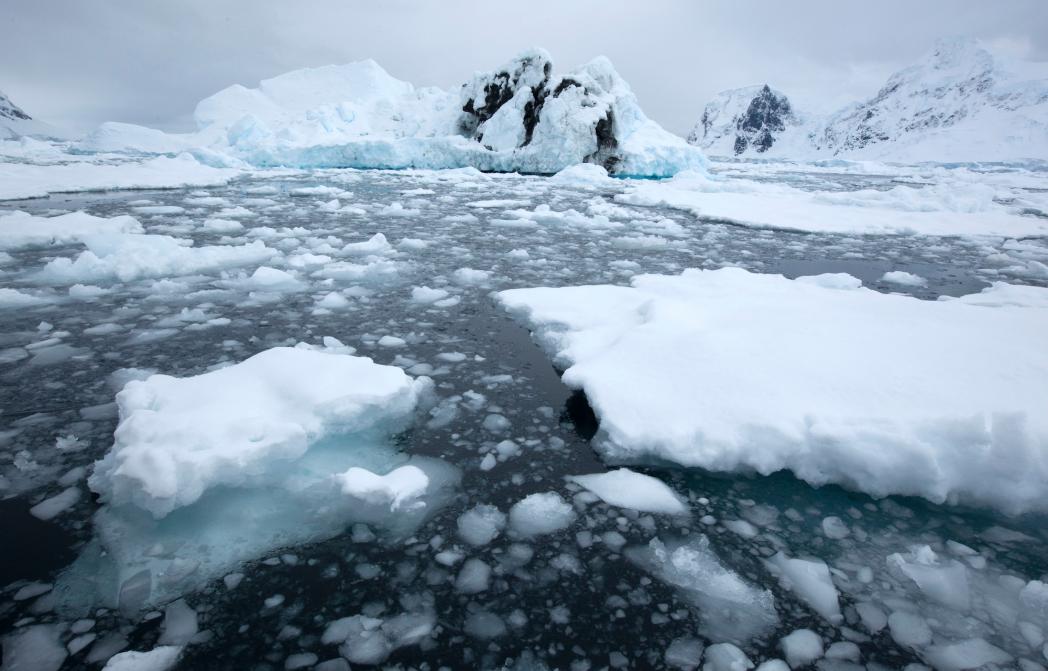
In 2023, the winter sea ice reached historically low levels across the continent, with over 2 million square kilometres less ice than usual – equivalent to about ten times the size of the UK. Longer-term decline in sea ice extent is expected from the current generation of climate change modelling.
Our monitoring shows us that adult emperor penguins have previously responded to incidents of sea ice loss by moving to more stable sites the following year. However, it is unlikely that this strategy will work if sea ice habitat across an entire region is affected.
And adult emperor can’t always respond to sea ice loss by simply relocating – a 2026 study from the BAS research team discovered moulting groups of emperor penguins in satellite imagery for the first time but revealed a grim reality. In 2022-2024, the sea ice broke up before the adult penguins had finished moulting. Forced into the ocean without their waterproof feathers, they faced exhaustion from increased energy use, hypothermia and increased risk from predators.
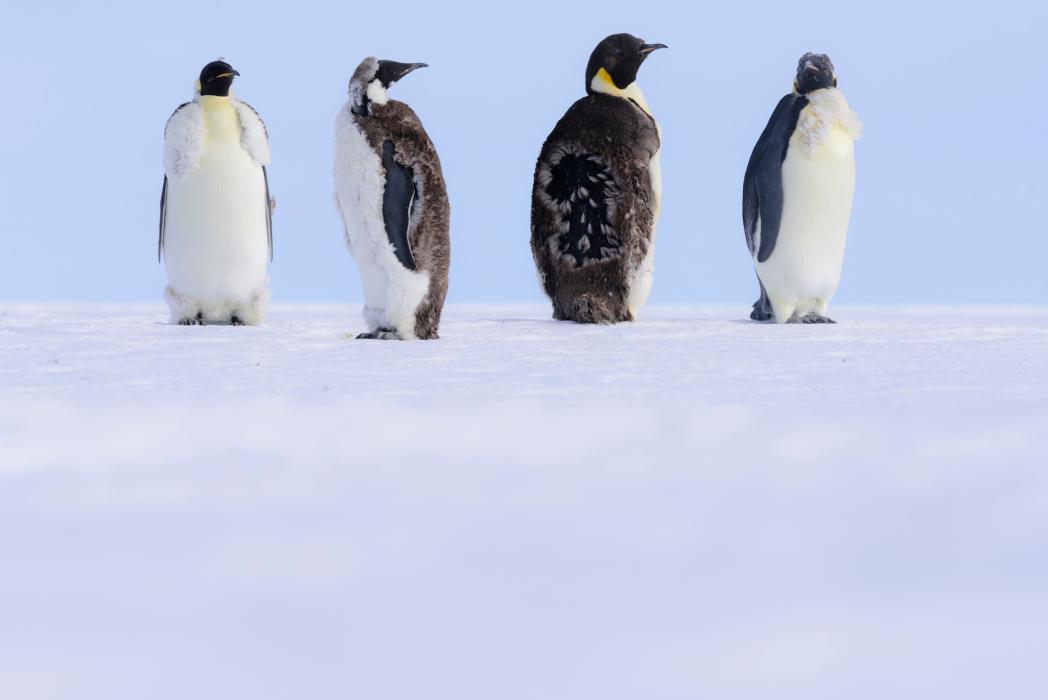
Continent-wide population estimates have shown emperor penguin populations declined by nearly 10% between 2009 and 2018. Now consider the catastrophic losses in more recent years. In the west Antarctic region from the Bellingshausen to Weddell Sea, home to around 1/3 of all emperor colonies, data show a 22% decline between 2009 to 2024. Research carried out independently of BAS and WWF’s partnership also identified a steep population decline between 2020 and 2024 in the Ross Sea, resulting in a decrease of approximately 23,000 birds in 5 years, around 32% of the regional population.
Scientists predict that emperor penguins will be quasi-extinct (populations at critically low levels, making recovery unlikely) by the end of the century, based on current global warming trends.
So, we now see an Endangered species, threatened with extinction. A bleak prognosis. But WWF is working hard with partners to change this penguin’s story.

"With the shocking decline in Antarctic sea ice that we are currently witnessing, these icons on ice may well be heading down the slippery slope towards extinction by the end of this century – unless we act now."
Rod Downie, WWF’s Chief Adviser, Polar & Oceans
Monitoring the sentinels of the Southern Ocean
WWF and BAS are continuing to build upon this vital insight into the lives of the emperor penguins.
These penguins are often referred to as ‘sentinels of the Southern Ocean’, chirping canaries in the coal mine. By studying them in one of the most rapidly warming regions of our planet, we not only understand a single species, but we see early warning signs of the impacts of climate change across the Southern Ocean ecosystem.
But when a species lives in one of the most remote, harsh and expansive habitats on Earth, how do you go about studying them?
Dr Peter Fretwell is a leading polar scientist at the British Antarctic Survey (BAS) and an expert in emperor penguin monitoring. With WWF’s support, Peter and his team at BAS are using a complementary 3-pronged approach.
1. GPS tracking
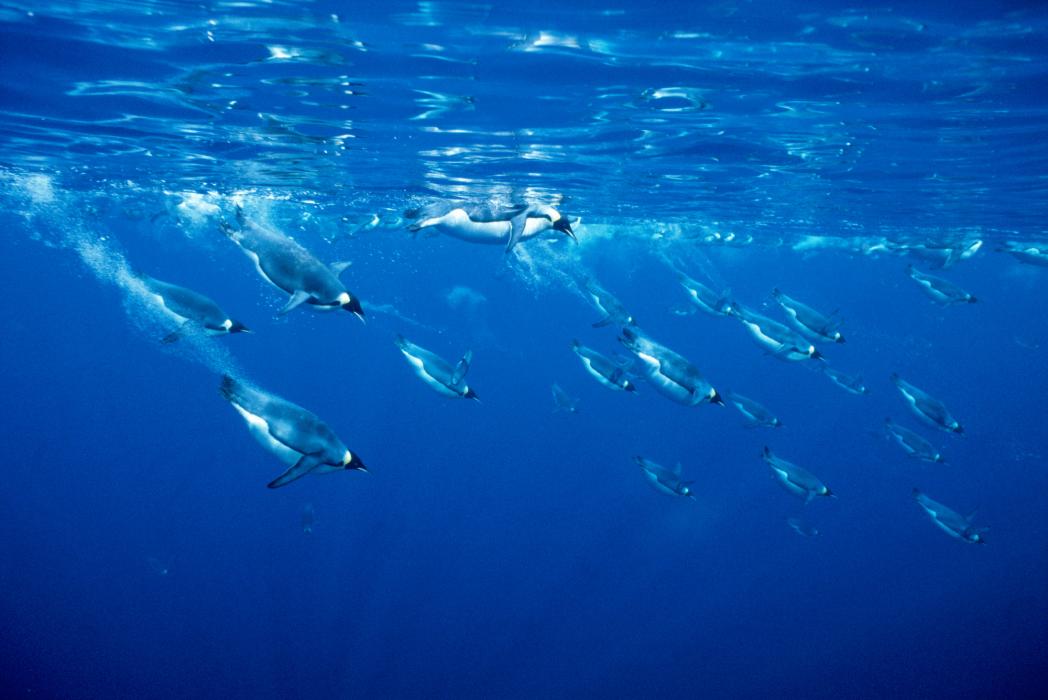
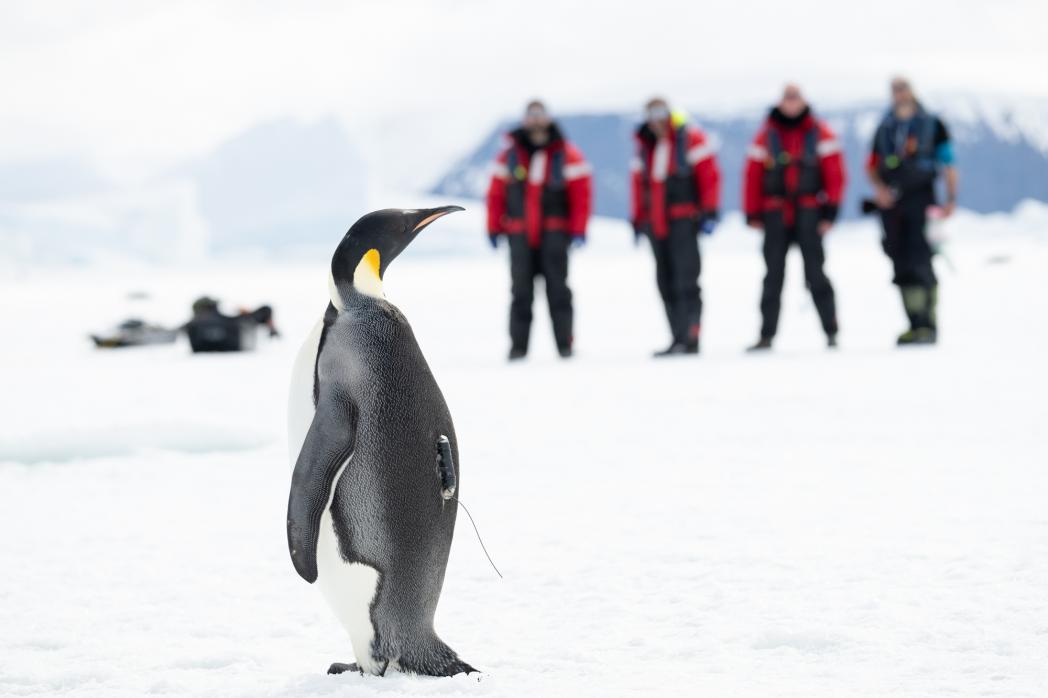
In the slightly more forgiving Antarctic summer, BAS researchers can travel to penguins’ home to fit a small number with special GPS tags. For around three months, before they fall off with moulted feathers, the tags give us special insight into the lives of these birds. How far they travel, where they go to feed and moult, and how this relates to sea ice presence.
In 2015, a WWF-funded BAS fieldtrip to Rothschild Island emperor colony was the first to attach these tracking tags to emperor penguins on the western side of the Antarctic Peninsula. In 2023, a fieldtrip to Snow Hill Island emperor colony allowed the first tagging in the Weddell Sea. The results from the 14 tagged penguins identified important moulting locations and that the emperors’ foraging takes place on or close to the pack ice - a mass of floating sea ice, formed by smaller pieces freezing together.
6 further penguins were tagged here in November 2025, with plans to return and tag another 15 in November 2026. These latest efforts will focus on breeding birds and comparing their movements with key data such as daily sea ice extent.
2. Satellite surveys
It’s important to also look at the bigger, longer-term picture. To ‘zoom out’… all the way to outer space. Using very high-resolution satellite images, BAS and WWF can monitor all colonies, over extended timeframes.
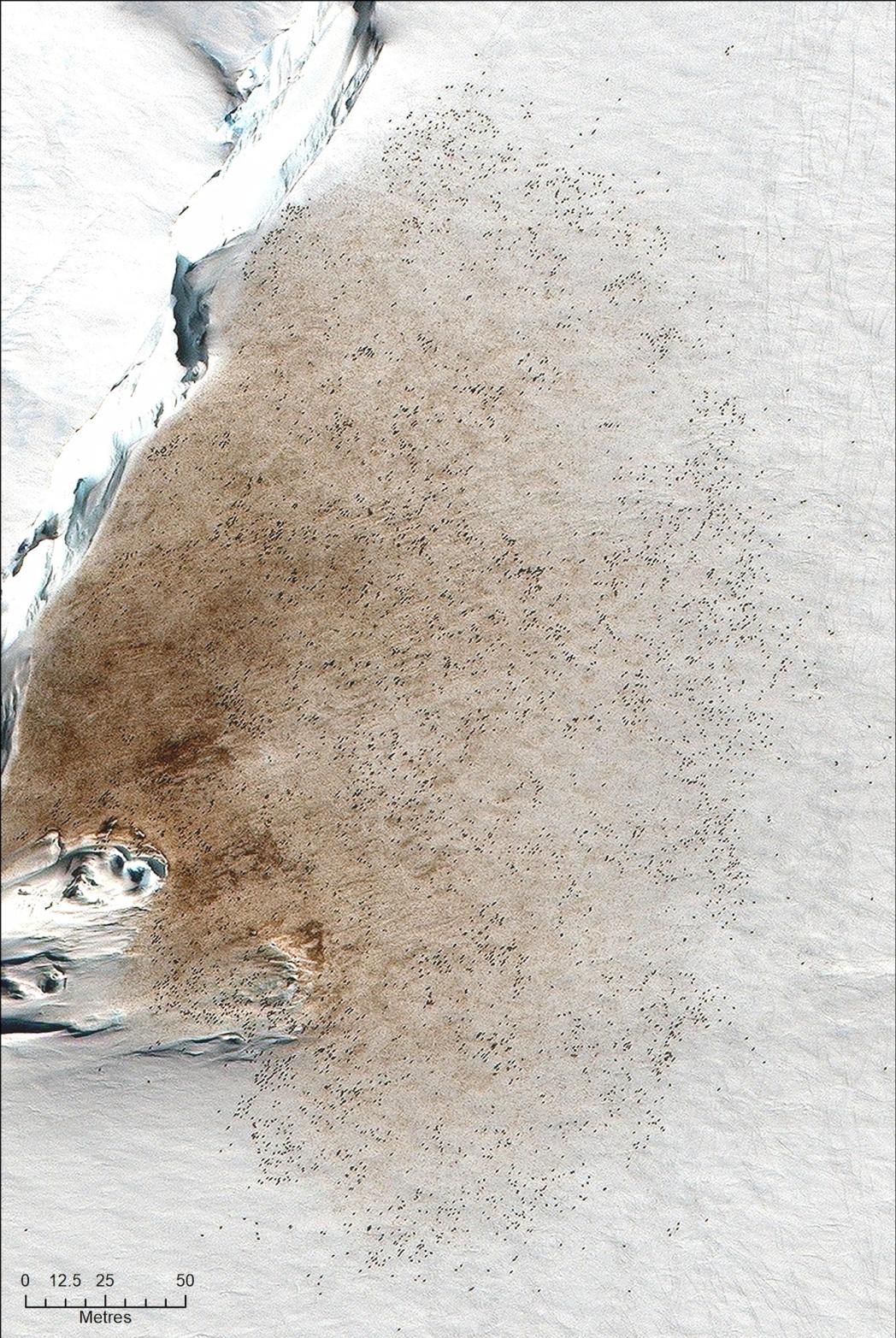
The team scour satellite imagery, looking for the tell-tale pinkish brown stains the penguins’ guano (poo) leaves on the white ice. Once a colony has been identified, researchers can estimate the number of penguins based on the area they cover and existing understandings on huddle density. They then not only keep an eye on the colony going forward, but can even look back in time at archive satellite imagery to understand how it has changed over time – has it moved, grown, shrunk?
While this monitoring has revealed the plight of emperor penguins, from time to time it might just uncover a glimmer of hope too. In 2024, the BAS team shared the news that they had identified four previously unknown emperor penguin colony breeding sites, including a re-located colony previously thought to have vanished. The findings must be celebrated with caution, with three of the colonies appearing to be small, and all still highly vulnerable to climate change. But they show the dynamic nature of emperor penguin colony locations and the importance of ongoing monitoring.
Having identified a 22% population decline in the Bellingshausen to Weddell Sea area between 2009 and 2023, the team will now build on the existing 2009–2024 satellite survey data to update the full Antarctic population dataset through to 2025. To understand how the recent catastrophic years of sea ice break up have impacted the colonies across the continent. This will give a complete circum-Antarctic population trend. The ‘big picture’.
3. Refining research
The historical huddle size-based estimates have given us an important view into the changing world of emperor penguin colonies. But this population estimation method can be impacted by shadows on the ice and variability in the way emperors huddle.
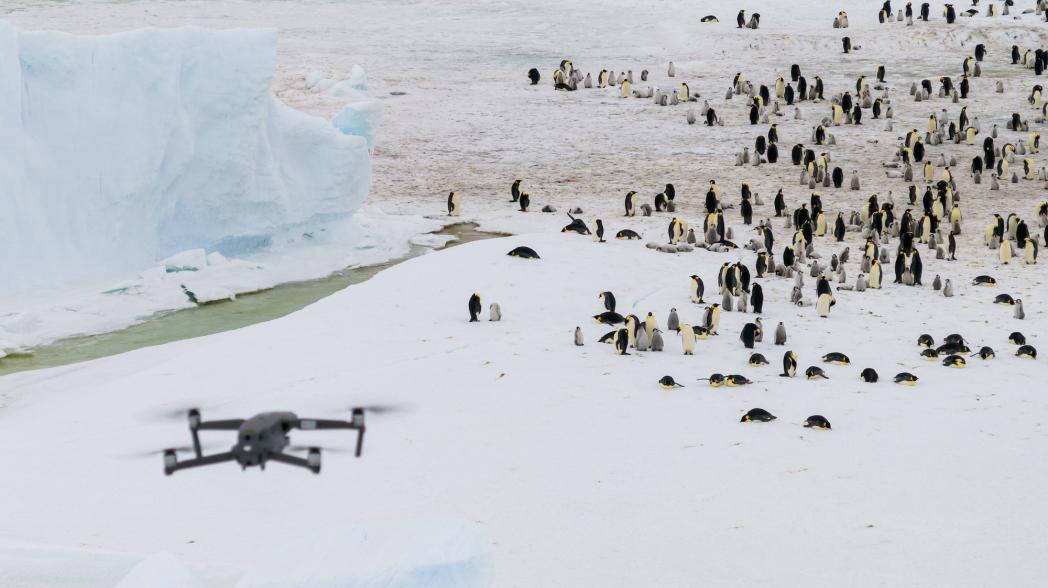
Trials have taken place to count individual penguins in the very high-resolution satellite images that provide 30cm resolution. It’s important to now validate these estimates. Using unmanned aerial vehicles (drones) during field trips to accurately count the penguins in closer proximity, the team can compare these field numbers with satellite counts from the corresponding days to understand whether these satellite counts are accurate. An important potential new way forward for this vital census work.
Catalysing an urgent call to action
There’s power in this data. In fact, it’s data like this that has allowed the IUCN to now accurately classify emperor penguins as Endangered.
With strong evidence from our ongoing long-term monitoring, BAS and WWF are advocating to further enhance protection of emperor penguins. This includes calling for their designation as a Specially Protect Species (SPS) under the Environmental Protocol to the Antarctic Treaty. This designation would support special safeguarding measures such as development of a mandatory conservation action plan and limitations on tourism and shipping activities around their colonies.
Efforts to secure this status have largely stalled in recent years. However, WWF and BAS’ joint project, alongside work from other scientists around the continent, provides a clear picture - strong and influential evidence on nosediving emperor populations and growing future threats. Although their new Endangered classification is shocking news, it is also an important formal recognition of the knife edge on which this species’ future stands.
"The majority of these colonies have never seen a human being. They’ve never seen a human yet here we are leading to the destruction of a species most of us will never see either. It’s good to see the status upgraded, but obviously very sad that this magnificent creature is facing such a bleak future."
Dr Peter Fretwell, leading polar scientist at BAS and an emperor penguin expert
With this formal recognition, at the next Antarctic Treaty Meeting to be held in Japan in May 2026, WWF will once more call for emperor penguins to be listed as a SPS. Over the past 62 years, only the fur and ross seals have been listed as SPS, with the fur seals de-listed in 2006. It’s no mean feat, but WWF stands strong in advocating for this designation.
Furthermore, WWF is working with governments in England, Scotland and Wales to reduce the UK’s carbon emissions, pushing for stronger climate ambition internationally, partnering with businesses to reduce their impact on the environment and advocating for greening of the global finance system to support net zero. To address the root cause of the emperor’s decline – climate change.
-
 © Bethany Whant
Author
Bethany Whant, Stories & Content Researcher, WWF-UK
/
Have a question about this article?
Get in touch: contentunit@wwf.org.uk