
Solar power solutions
Accurate at time of publication: 30 March 2026
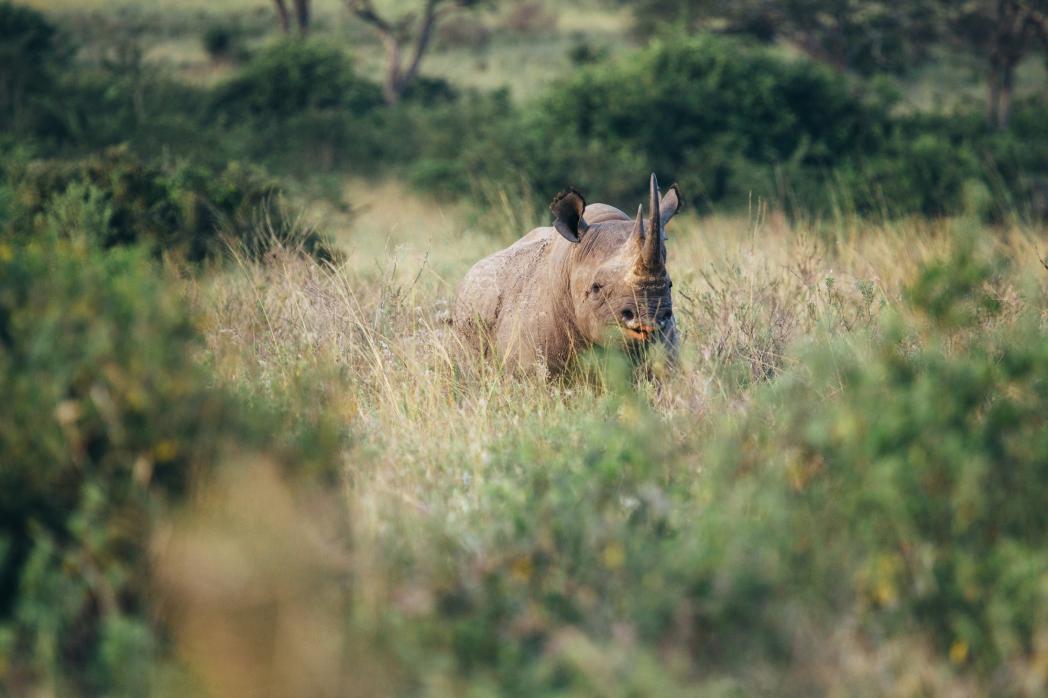
Securing a future for critically endangered black rhinos depends on the dedication and vigilance of skilled rangers. Across Kenya’s rhino habitats, rangers work around the clock, monitoring for signs of suspicious activity – like poaching.
Once driven to near extinction, with fewer than 400 black rhinos remaining in Kenya in the 1980s, dedicated conservation efforts have seen Kenya's black rhino population surpass 1,000 individuals, and poaching rates have fallen significantly.
Though rewarding, it is not without its challenges. Remote ranger camps often lack reliable power, putting ranger welfare at risk.
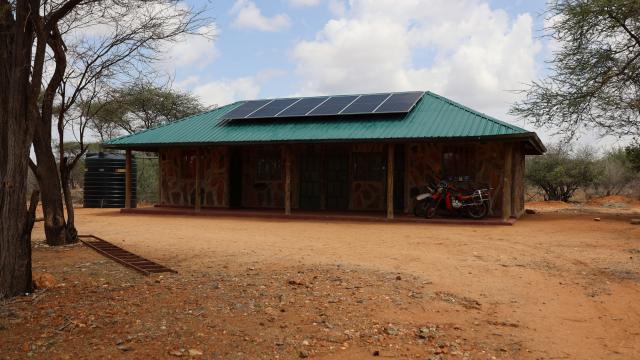
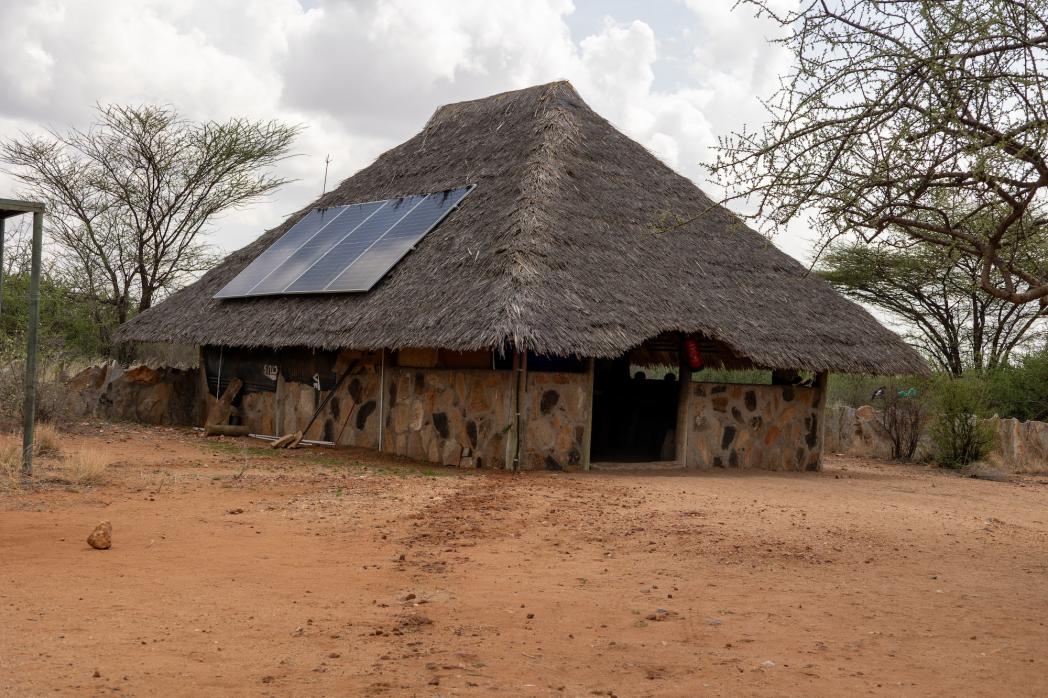
WWF recently supported the solarisation of three ranger camps across two sanctuaries in Kenya, strengthening ranger support and improving protection for black rhinos.
Out with the old, in with the new
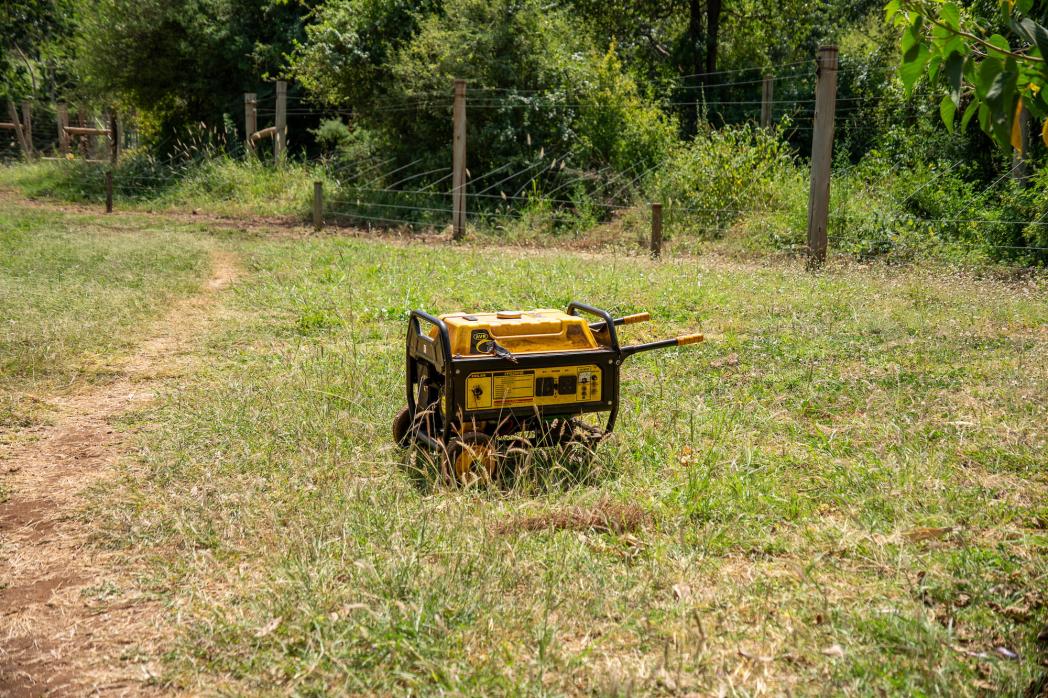
Prior to the installation of the solar power system, the camps relied on a generator for power.
“Our power system was not adequate”, says Alex Kipoki, a Kenya Wildlife Service warden. Alex is in charge of the rhino unit in Meru National Park.
“Initially, we relied on the use of the generator. And the generators themselves are not environmentally friendly.”
The camps lost power from around 8pm every evening, making the most basic and essential tasks – like cooking – challenging. Team members were unable to charge their phones, and with training sessions often running late into the night, limited power was a real challenge.
“We could not charge our equipment, like our camera traps. And our computer systems which carry out reports, we could not use them efficiently. So, there were major challenges that we encountered before the installation of the power system.”
Corporal Philip Michael Odhiambo, Data Administrator for the rhino unit at Meru National Park, recalls a key concern was the safety of the rangers in the camp in the evening, where encounters with wildlife were a risk.
“We have a lot of snakes that are around. So, if the area is dark and you don’t have a source of light, it is a bit dangerous to team that is staying around.”
The high efficiency solar-power systems ensure a reliable 24-hour power availability in the three camps.
This boosts morale among the teams, by enabling rangers to charge their phones for communication, charge essential devices like GPS batteries, and lighting which is critical for night operations.
“Now they can efficiently talk to their families. Before they had a challenge, even with charging their phones. This has motivated them. And we are grateful to WWF for that, for ensuring that our staff are motivated and they can communicate with their families without problems” says Alex.
Kenya’s black rhino population has more than doubled since the 1980s. The latest figures in Kenya’s 2025 National Wildlife Census announced there are currently 1059 black rhinos, showing the huge success of conservation efforts in the area.
Rangers play an essential role in safeguarding black rhinos. Ensuring their welfare and strengthening their capacity is vital to the long-term protection of this iconic species, and to support Kenya’s goal of restoring black rhino numbers to 2,000 by 2037.
-
 © Zoe Brown
Author
Zoe Brown, Stories and Content Executive, WWF-UK
/
Have a question about this article?
Get in touch: contentunit@wwf.org.uk