
What does the science say?
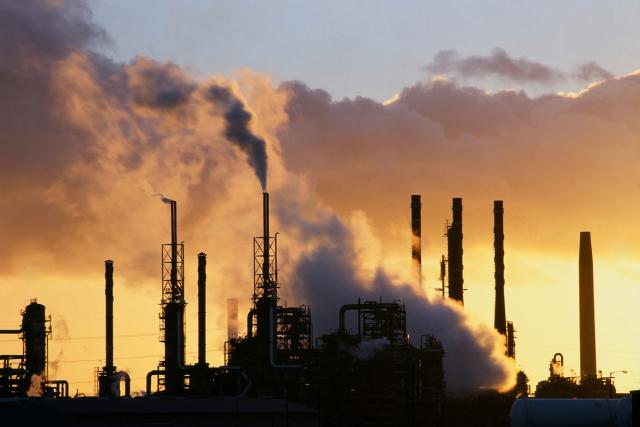
The climate crisis isn’t a future threat – it's already devastating people and nature in the UK and around the world, with the vulnerable suffering most.
- Our world has warmed by approximately 1.1°C since 1970 – and around 1.4°C since the 1850s.[1]
- Each year of the past decade has been one of the warmest years on record.[8]
- As the planet gets warmer we head towards Tipping point. A tipping point is a threshold beyond which a system changes fundamentally, with serious consequences for people and nature. The impacts are often abrupt and irreversible.
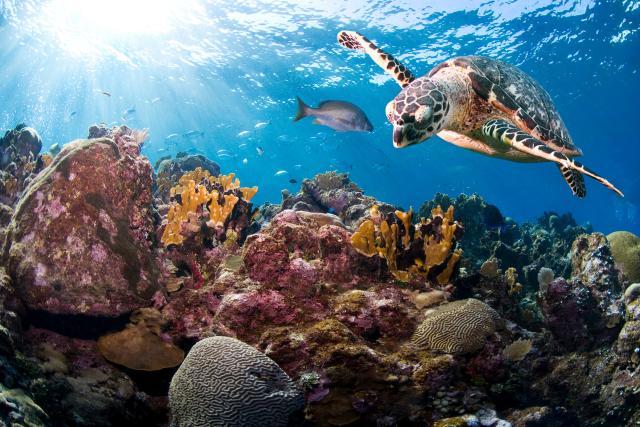
- Some tipping points are already being approached, for example warm-water coral reefs are already crossing thermal tipping points and we are seeing unprecedented dieback of these precious ecosystems.
- At 2°C of global warming, heat extremes would more often reach tipping points for long-term damage to nature, agriculture and human health.
Thankfully, there is hope. The choices and actions we take now will determine the climate of the future. Climate change is already impacting every part of the world, but by acting now we can limit those impacts and secure a liveable future for people and nature. We know the solutions and have the resources and tools to secure a safer climate, stop the destruction of nature, and bring our world back to life.
Climate and nature
Wildlife and their habitats are facing multiple challenges, from habitat destruction, pollution to overfishing and a changing climate.
- Global wildlife populations have declined, on average, by 73% since 1970.[6]
- Global food production is responsible for 70% of biodiversity losses on land, 50% of freshwater biodiversity losses and roughly produces 30% of all greenhouse gas emissions.[3], [4], [5]
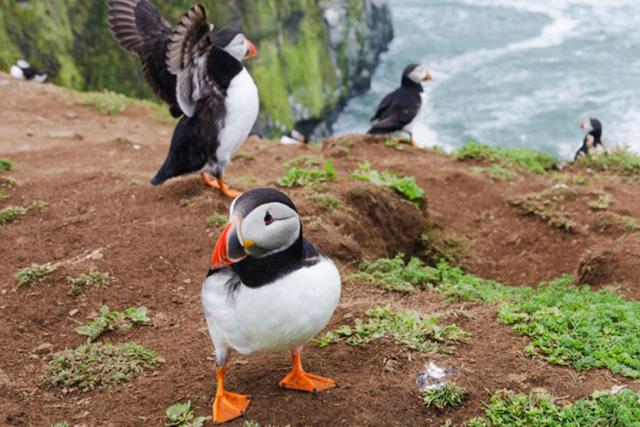
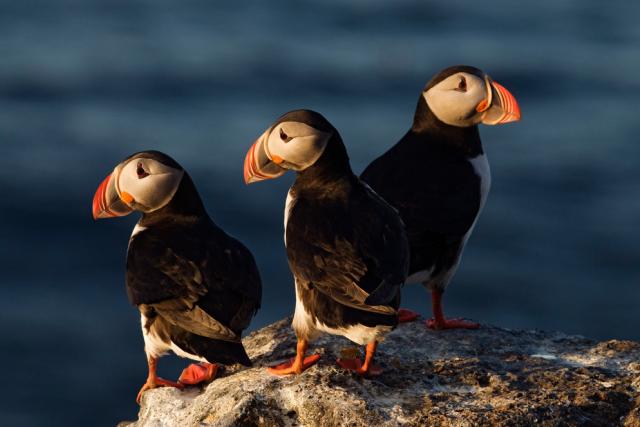
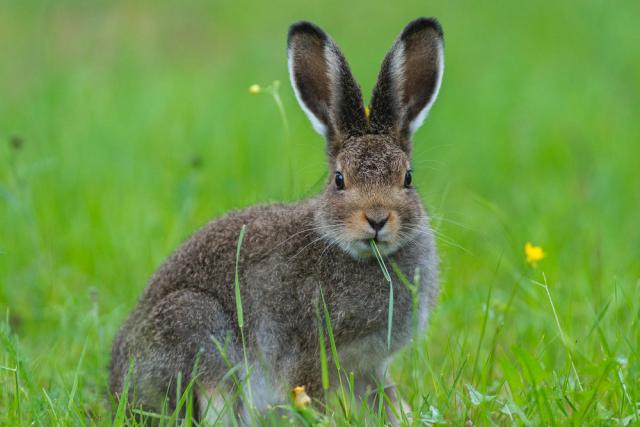
- From puffins to bluebells, bumblebees and mountain hares, UK wildlife is already feeling the heat – and struggling to adapt.
- There’s not a moment to lose. Together we can stop the destruction of nature, secure a safer climate, and bring our world back to life.
The impact on UK nature
-
Bumblebees
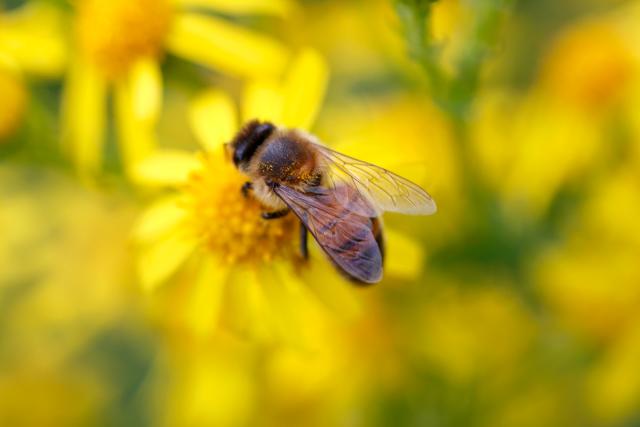
MoreClose Bumblebees are extremely susceptible to overheating, having thick fuzzy coats adapted for cold, their bodies generate heat when flying. They are struggling to adapt to the warming world.
-
 © WWF-UK
Bluebells
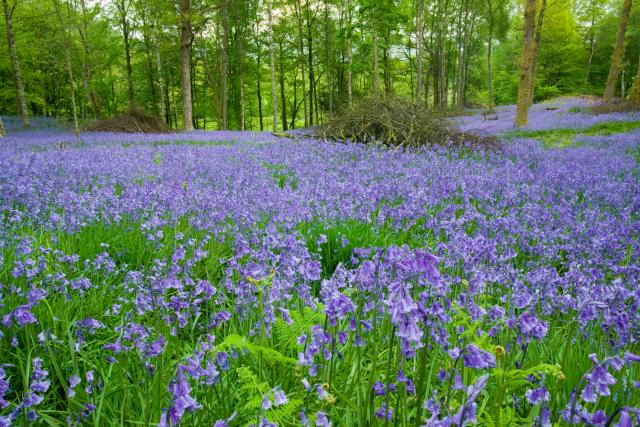
MoreClose Warming temperatures mean bluebells are becoming out of sync with the seasons. Large parts of the country are likely to become inhospitable for the species.
-
 © Wild Wonders of Europe / O. Haarberg / naturepl.com
Puffins
MoreClose Rising sea temperatures are putting marine food chains at risk. Atlantic puffins quickly run out of food for their growing chicks during nesting season.
-
 © Ola Jennersten / WWF-Sweden
Mountain hares
MoreClose Mountain hares have white coats to protect them through snowy winters. But the warmer climate means less snow, and their survival technique no longer works.
/
We need action from our leaders
The UK Government promised – and put into law – that we would reach net zero by 2050. This means that we would reduce our greenhouse gas emissions to as close to zero as possible, then balance out any remaining ones by removing an equal amount from the atmosphere. This is crucial if we are to ensure a more stable climate and a safer future for people, for nature and for the economy. These changes can benefit households, cutting bills, creating jobs, and protecting green spaces.
While the UK has made good progress on cutting emissions, there is more to be done. Rapid action and consistent commitment are needed, particularly in transport, buildings and agriculture, if the UK is to stay the course.
Climate change is a key factor in the extreme weather that we are seeing here and abroad. For example, scientists assess that the temperatures we saw in the June 2026 heatwave would have been ‘virtually impossible’ without human induced climate change.[7] Without urgent action these climate extremes will get even worse. That’s why we want to see our leaders taking urgent action to stop the emissions that are causing climate change and also urgent investment in climate change adaptation.
Nature is an important ally in cutting emissions and protecting us from climate change impacts. That means investing in solutions that deliver both, from clean, resilient energy infrastructure to nature-based solutions like wetlands.
What WWF is doing
- WWF is working with government and business to secure policy change and align investment to stop the destruction of nature, ensure a safer climate and bring our world back to life.
- We’re developing and advocating for solutions to the climate crisis that work for people, including how to quickly reduce bills and emissions simultaneously and how to protect people and nature from climate impacts.
- We're working with farmers and government to improve how we use land that meets climate, nature and food requirements.
How you can help
Become a member
Ways to help our world on a budget in 2026
Sources
[1] State of the climate: 2025 on track to be second or third warmest year on record - Carbon Brief
[2] A Well-Adapted UK Report, Climate Change Committee, https://www.theccc.org.uk/publication/a-well-adapted-uk/
[3] WWF (2020) Living Planet Report 2020 - Bending the curve of biodiversity loss. Almond, R.E.A., Grooten M. and Petersen, T. (Eds). WWF, Gland, Switzerland. Figure 15: The environmental impacts of food production Sources: Adapted from CBD (2014), GSDR (2019) and ELD Initiative (2015)
[4] Mbow, C., C. Rosenzweig, L.G. Barioni, T.G. Benton, M. Herrero, M. Krishnapillai, E. Liwenga, P. Pradhan, M.G. Rivera-Ferre, T. Sapkota, F.N. Tubiello, Y. Xu, 2019: Food Security. In: Climate Change and Land: an IPCC special report on climate change, desertification, land degradation, sustainable land management, food security, and greenhouse gas fluxes in terrestrial ecosystems.
[5] Crippa, M., Solazzo, E., Guizzardi, D. et al. Food systems are responsible for a third of global anthropogenic GHG emissions. Nat Food 2, 198–209 (2021). https://doi.org/10.1038/s43016-021-00225-9
[6] WWF (2024) Living Planet report. A system in peril. https://www.wwf.org.uk/sites/default/files/2024-10/living-planet-report-2024.pdf
[7] World Weather Attribution. Fossil fuel emissions have rapidly worsened European heatwaves in just a few decades.
[8] World Meteorological organisation, WMO confirms 2025 was one of warmest years on record, https://wmo.int/news/media-centre/wmo-confirms-2025-was-one-of-warmest-years-record