Australia’s catastrophic bushfires - helping nature recover
Accurate at time of publication: January 2026
Issue
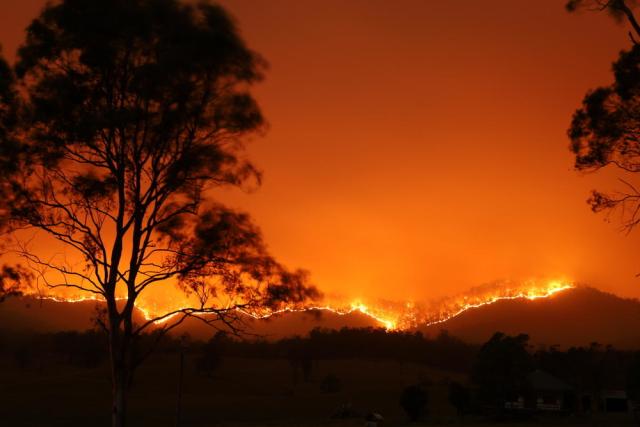
It has been over five years since devastating wildfires swept across much of Australia in 2019-20.
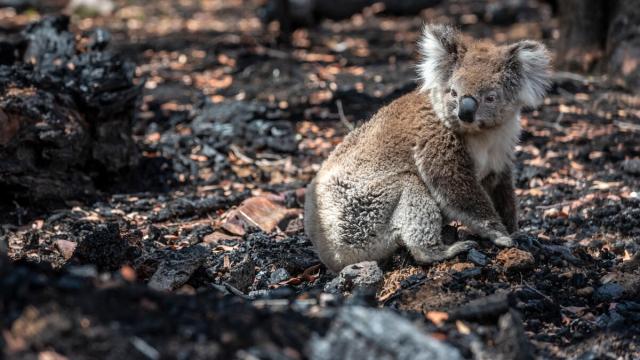
The scale and impact of these bushfires were catastrophic, affecting both people and nature beyond imagination. Over 12.6 million hectares of forest and bushland were burnt, and nearly 3 billion animals were impacted, meaning many populations faced an uncertain future.
In response to this emergency, WWF-Australia launched a critical emergency fund, the Australian Wildlife and Nature Recovery Fund. Thanks to the contributions from generous partners and supporters worldwide, over $51 million was raised for wildlife and nature recovery, including £2.6 million from the WWF-UK supporters.

Solution
Thanks to these funds, WWF-Australia has funded 256 projects and collaborated with over 190 partners since the 2019-20 Australian bushfires. These projects were delivered in three phases: wildlife response, habitat restoration for people and nature and future-proofing Australia.
- Emergency wildlife response: Through funding provided by WWF-Australia, conservation groups Friends of the Koala and Phillip Island Nature Parks were able to build temporary holding facilities and bolster the number of koalas treated at one time and support the establishment and operation of Australia’s largest mobile wildlife hospital.
- Providing homes to animals that had lost theirs: For example, fluffy greater gliders have a specialised diet, relying on native vegetation for food. With Koala and the Kangaroo Island Landscape Board, WWF-Australia
- Working with First Nations Peoples: WWF-Australia proudly supported and worked with more than 85 Indigenous organisations and communities on renewable energy, wildlife recovery and cultural fire projects
results
Here are some of the ways the public’s amazing support helped WWF-Australia to make a difference:
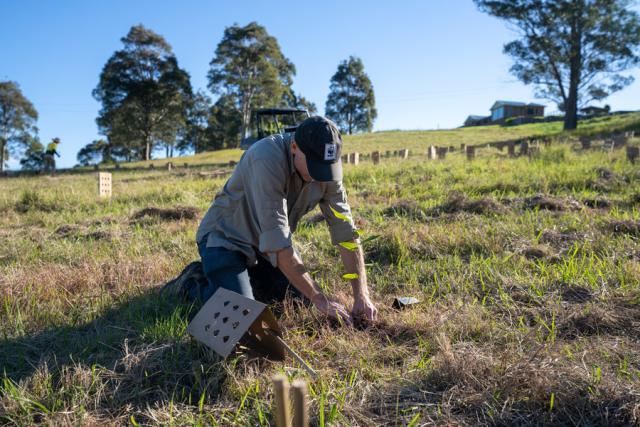
- Habitat restoration: Since the fires, WWF-Australia have worked to restore habitats that were lost by planting over 700,000 trees across private land and known koala territories.
- Species recovery: Conservation efforts targeted 73 animal species. This included installation of 282 nest boxes for greater gliders and glossy black cockatoos, vaccinating 436 koalas against disease, and reintroducing three species to protected areas.
- Community engagement: 22 community partnerships formed, 14 community-led regeneration projects supported and over 700 vets were trained in emergency wildlife treatment.
- Indigenous engagement: 85 Indigenous organisations were supported. The Indigenous Women’s Rangers Environmental Network (WREN) grew by over 205 women and 10 Traditional Owner groups helped apply cultural fire practices across 2.5 million hectares.
- Protection – WWF-Australia were part of an advisory panel on the establishment of a Great Koala National Park, connecting 176,000 hectares of state forests to existing national parks, establishing a 476,000-hectare safe haven for koalas on the Mid North Coast.
Read the full report.