
Helping to create Village Land Forest Reserves
In 2025, WWF-Tanzania supported the establishment of two new community-managed Village Land Forest Reserves (VLFRs).
Project overview
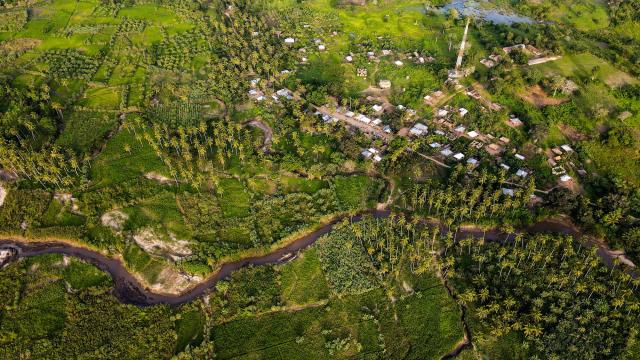
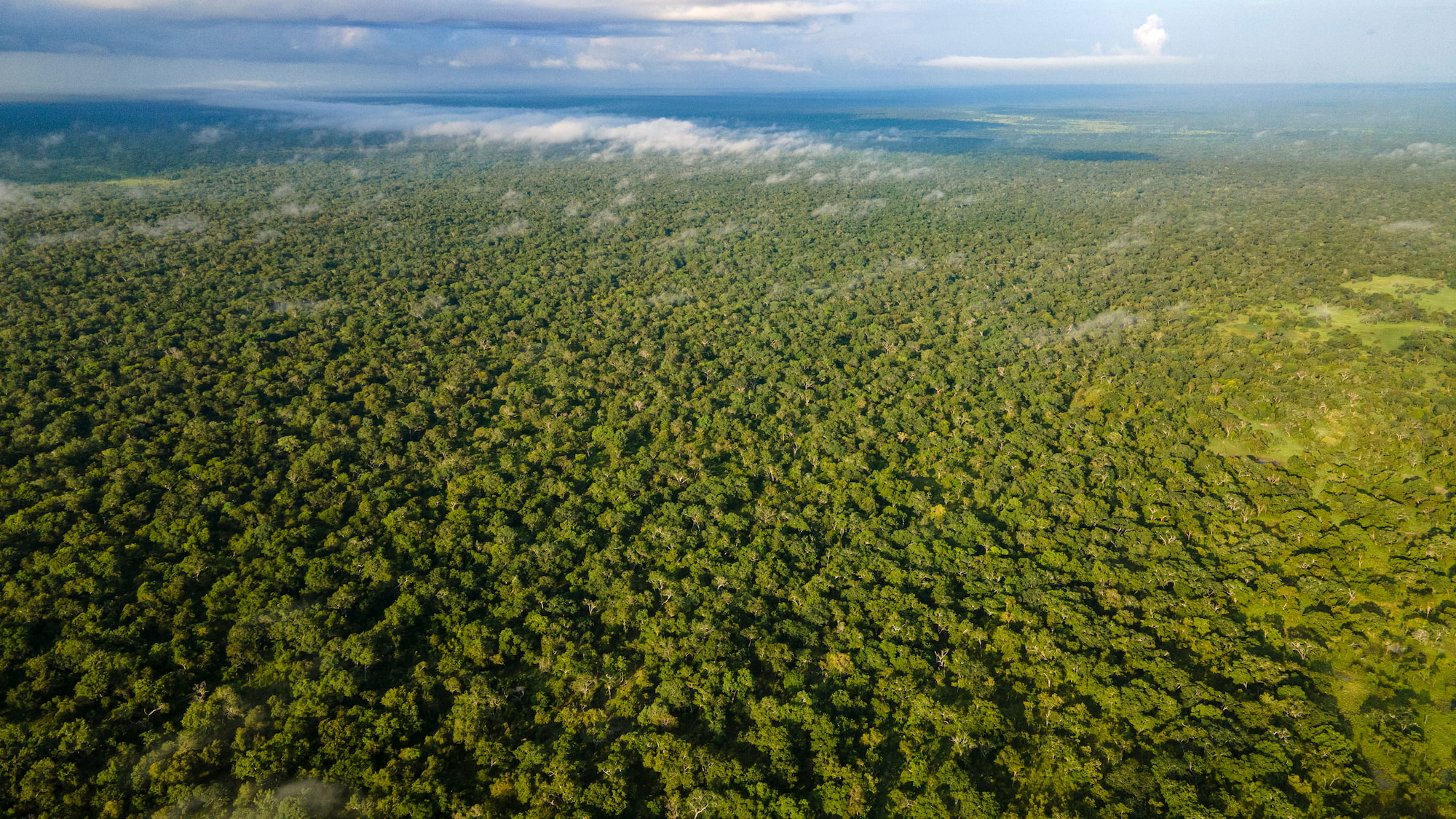
Through WWF-Tanzania, we’re supporting communities to establish Village Land Forest Reserves (VLFRs) and training individuals to manage these miombo woodlands on behalf of the community. The reserves balance the demands of the local community with sustainable extraction rates of the forest.
VLFRs enable communities to practice sustainable timber harvesting, often through Forest Stewardship Council certification (FSC). This means that trees can be felled in a sustainable, controlled way, which keeps the forest healthy.
Money from sustainably harvested timber flows back into the community. Around 50% of the income generated helps to fund school classrooms, healthcare, and other priorities. Approximately 45% supports the continued upkeep of the forests, including staff and patrol costs, and the remaining 5% is shared with the wider district. Because the economic benefits are so significant, it enhances the community’s tolerance of wildlife, enabling coexistence.
Why we are doing it
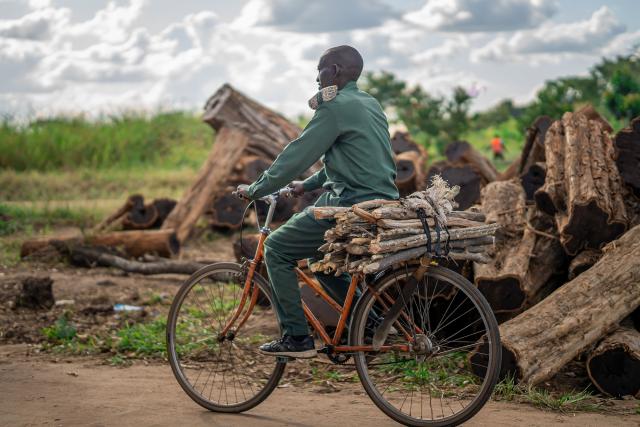
Across the Ruvuma Transboundary Landscape, forests are an important resource for local people. They provide fuelwood, building materials like timber, food, and ecosystem services including air purification and clean water.
But, they’re vulnerable to over-harvesting, particularly as the local human population grows. This can fragment wildlife habitat, forcing animals into closer proximity with local communities, intensifying competition for natural resources and increasing the risk of human-wildlife conflict.
Project impact
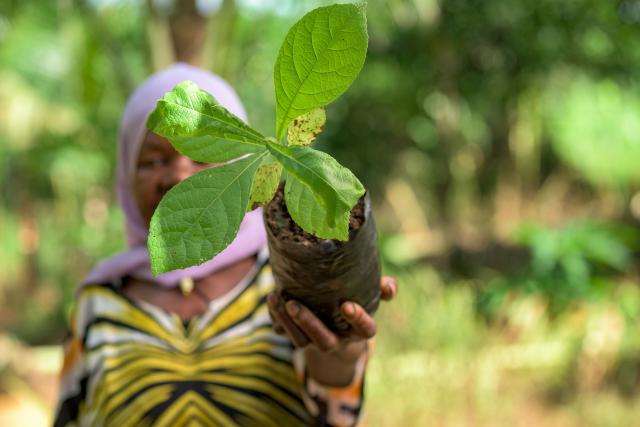
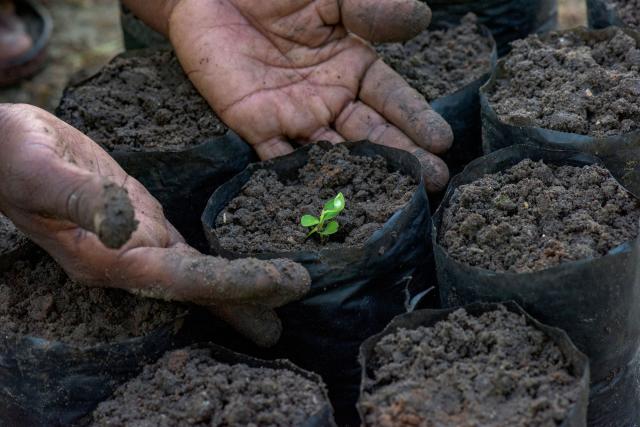
In 2025, WWF-Tanzania supported the establishment of two new community-managed Village Land Forest Reserves encompassing Chawisi village (3,200 ha) and Mnazi mmoja village (3,363 ha). With support from the Trillion Trees ReForest fund, two new tree nurseries were established in Namtumbo and Tunduru, making a total of eight nurseries which have raised approximately 160,000 seedlings to support forest restoration.
The total area under VLFR management in Tanzania’s part of the Ruvuma Transboundary Landscape is around 619,824 hectares, the equivalent of almost 775,000 football pitches. Our work with these reserves is part of a nationwide strategy developed with the Tanzanian government to help deliver its pledge to restore 5.2 million hectares of forest by 2030 – one component of our Forest Landscape Restoration in Africa initiative across nine countries.
Become a member
Become a member
Join over 100,000 people who have taken action to help bring our world back to life.