
Wild Co-Stars - the unknown scene‑stealers that flourish from conservation
Accurate at time of publication: 03 March 2026
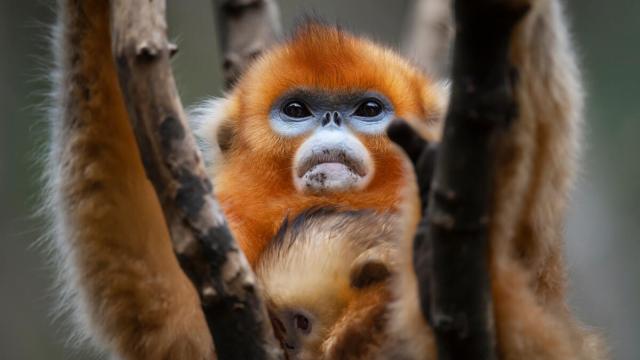
We reflect on the unsung species living alongside our A‑listers
Across the globe, many recognise the central characters in conservation success stories: the solemn gaze of a gorilla, the silent grace of a snow leopard, the gentle drift of a sea turtle. These charismatic species capture hearts and catalyse support for nature.
Yet every time a forest is protected or a migration corridor restored, the impact ripples far beyond the headline species. Hidden in the understory, tucked beneath river stones, or gliding through the canopy, hundreds of lesser-known creatures benefit from the same protection. Some are wonderfully odd. Some are rarely seen. All are essential threads in the ecosystems we’re trying to save.
This World Wildlife Day, 3 March, WWF turns the lens toward these unsung species - the ones whose chances of survival also increase as we fight for the more celebrated species of our natural world.
In protecting the jaguar we also protect…
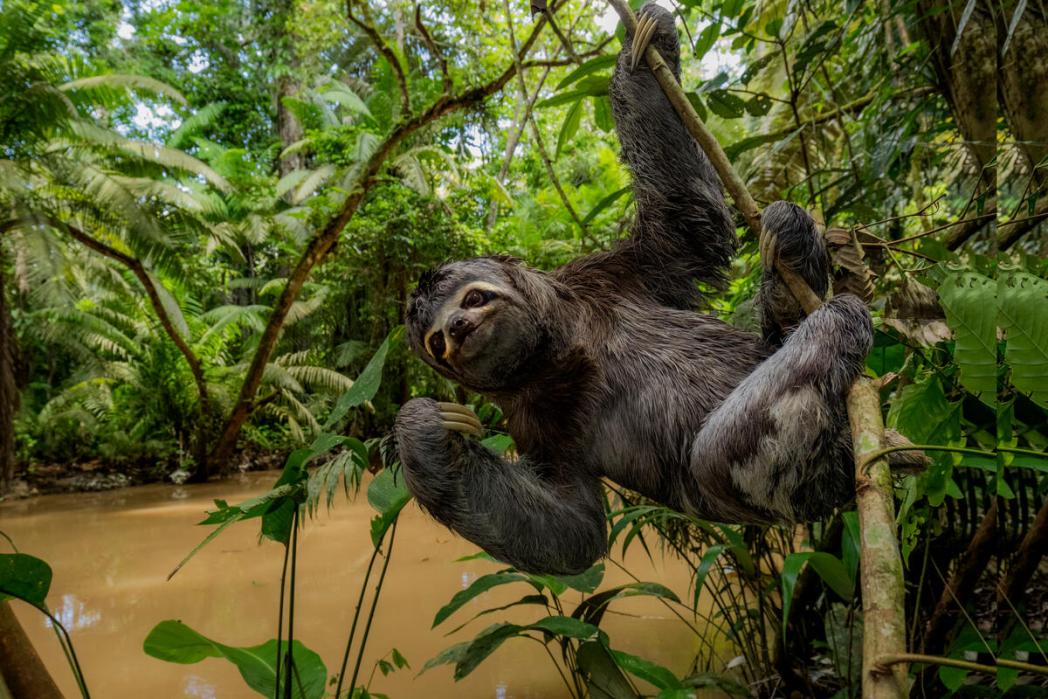
Sloths
The Amazon rainforest isn’t just the realm of iconic predators like the elusive jaguar - it also shelters thousands of extraordinary and wonderfully odd creatures, including several species of sloth. These tree dwelling specialists are famous for their unhurried pace, but their slow-motion lifestyle is actually a clever survival strategy. Living on a diet of low-calorie leaves, sloths conserve energy by moving slowly through the canopy, descending only occasionally to relieve themselves.
Their shaggy coats are miniature ecosystems in their own right - home to algae, fungi, and insects - including a moth found nowhere else on Earth. The algae tint their fur a soft green, providing a helpful camouflage among the leaves and making it harder for sharp-eyed predators like harpy eagles to spot them.
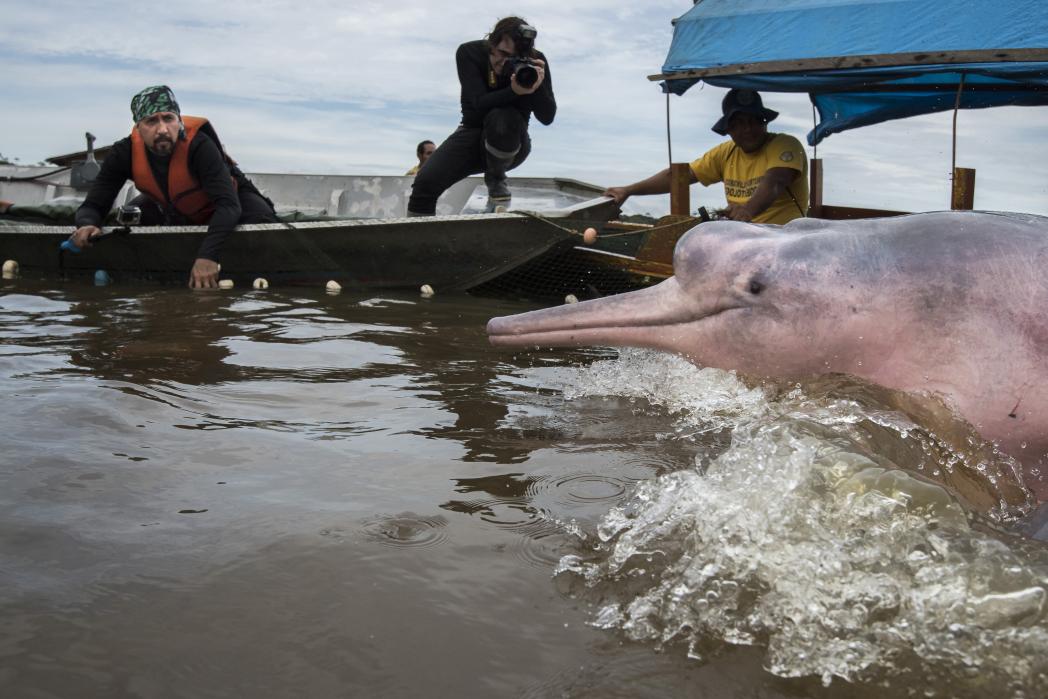
Amazon river dolphins
The future of the Amazon rainforest and its mighty river are inseparable - and so is the fate of one of its most elusive residents, the Amazon river dolphin. When the rains arrive and the river swells, these pink hued dolphins glide among the flooded trees, hunting fish, freshwater turtles, and crustaceans in what becomes a vast underwater forest. Unlike their marine cousins, they have unfused neck vertebrae, allowing them to swivel their heads in almost any direction - an ideal adaptation for navigating the maze of submerged branches.
However, river dolphin numbers are declining due to habitat loss, mercury pollution from illegal gold mining, and accidental entanglement in fishing gear.
In protecting the Bornean orangutan we also protect…
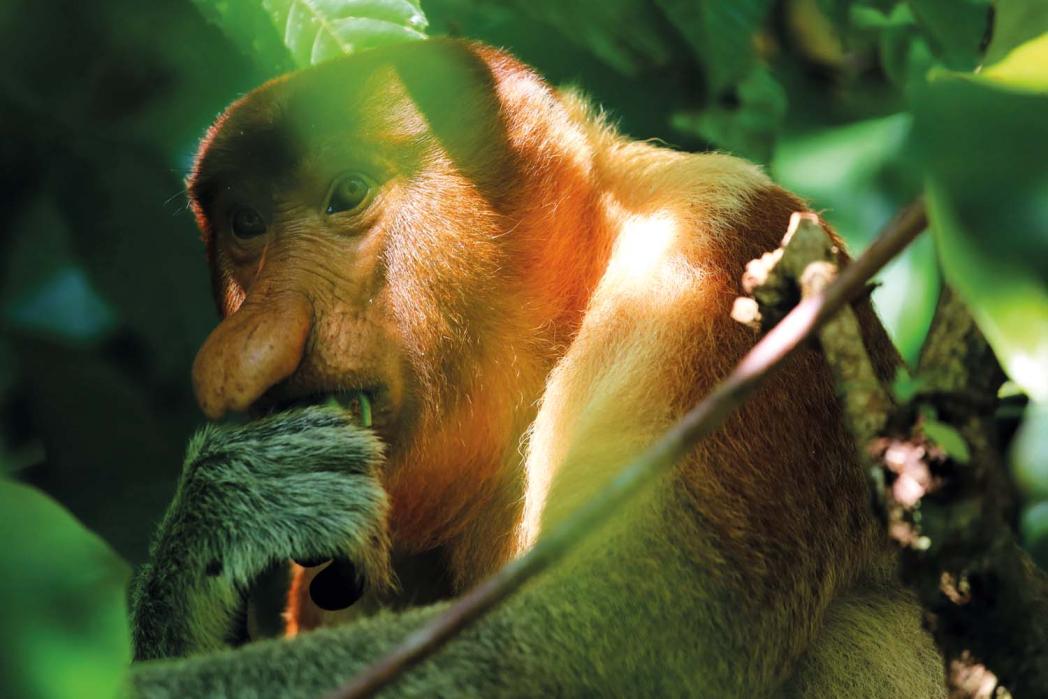
Proboscis monkeys
The tropical forests of Borneo are best known as the last stronghold of the orangutan, but they’re also home to a cast of other remarkable primates. Among the most eye-catching is the proboscis monkey, recognisable by the male’s enormous, pendulous nose that can droop right over their mouth. These magnificent schnozzes aren’t just for show - they act as natural amplifiers, boosting the males’ calls to impress potential mates and warn off rivals.
Sadly, this species with the supersized snout is in trouble. Its numbers are falling due to habitat loss from deforestation, coastal development, and fragmentation of the mangrove and riverine forests it depends on.
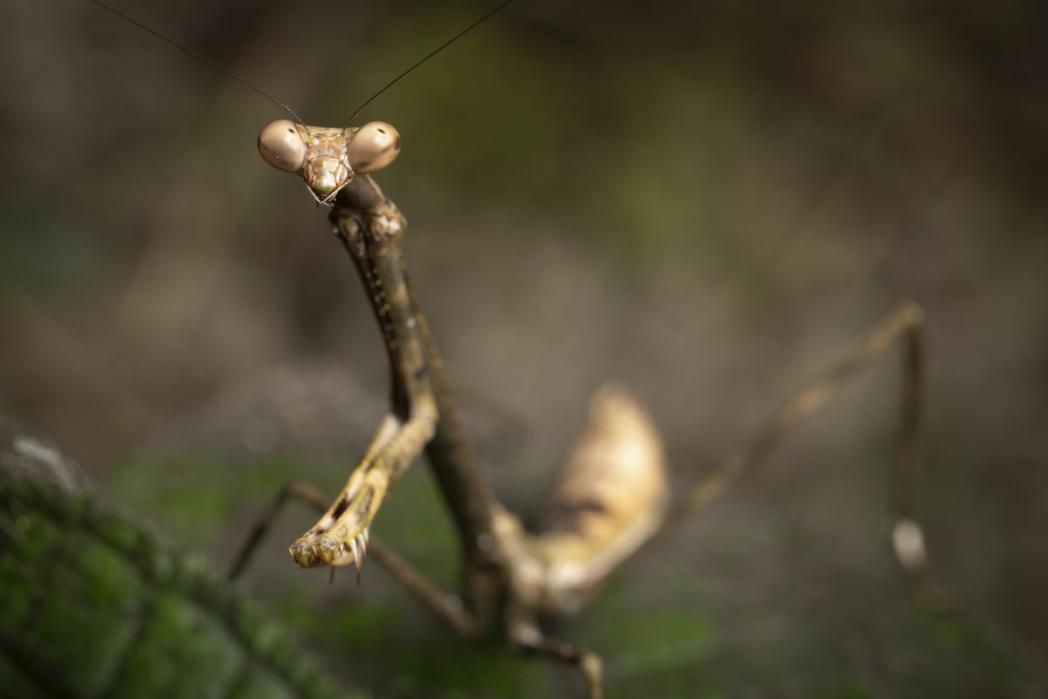
Praying mantis
Sharing the orangutan’s rainforest canopy is one of Borneo’s most elusive residents, the praying mantis. Among the few insects able to turn their head 180 degrees, mantises have very good eyesight. Adding to their strengths – they are masters of disguise, remaining motionless for long periods and relying on shape, colour, movement and texture to blend seamlessly into stems and bark. By preying on other small insects including mosquitoes, flies, and caterpillars, praying mantises help to maintain the balance of ecosystems. The same protections that keep orangutan habitat intact sustains these extraordinary invertebrates.
In protecting polar landscapes we also protect...
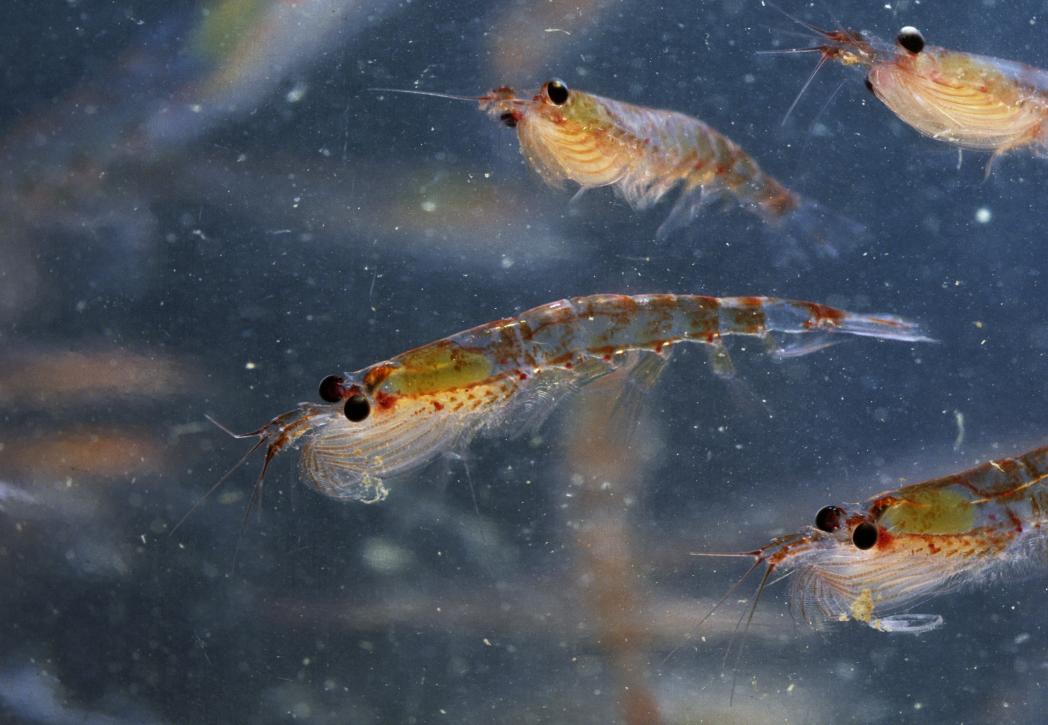
Krill
Abundant across the world’s oceans, are tiny, mighty krill. It's estimated that there are over 700 trillion adult Antarctic krill in the Southern Ocean. Based on their size and sheer abundance, these shrimp-like crustaceans could wrap around the Earth a million times and are estimated to weigh more than 400 million tonnes - about the same collective weight of all people on the planet. Antarctic krill are a key species, supporting populations of penguins, seals, whales and other marine life. Beyond feeding ocean giants, krill play a crucial role in carbon storage. They feed on phytoplankton that absorbs carbon dioxide, then transfer this carbon to the deep ocean through their faecal pellets and shed exoskeletons. However, krill populations face mounting threats from ocean warming, sea ice loss, and the fishing industry. Krill habitat is shrinking, their range contracting southwards, and these combined stresses threaten not just their survival but the entire Southern Ocean ecosystem that depends on them.
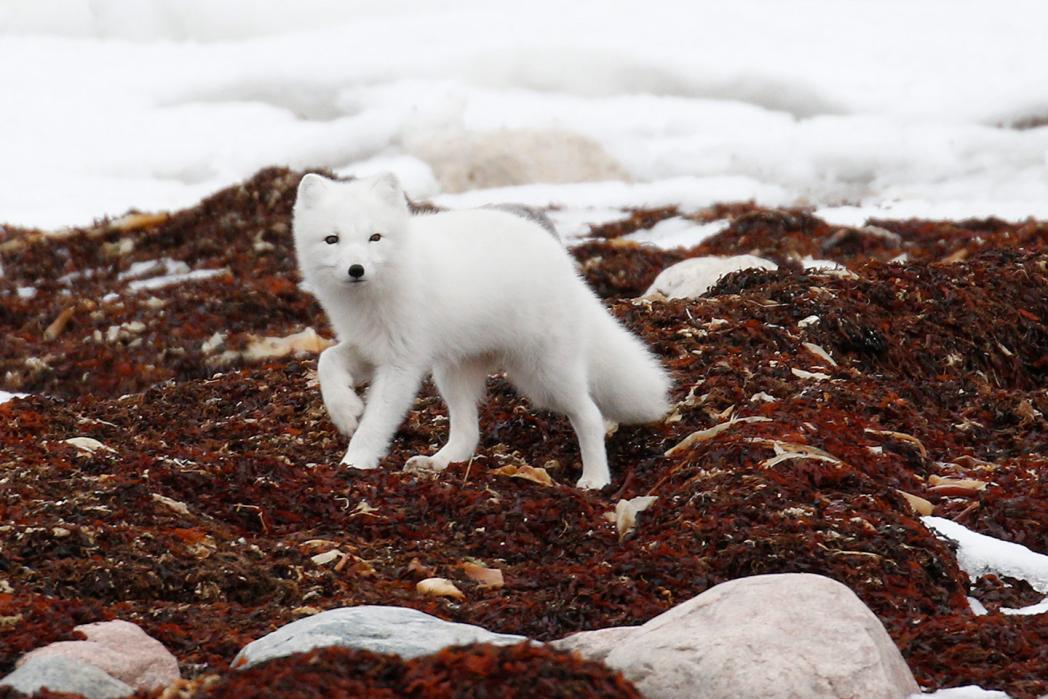
Artic foxes
Another cold weather creature guaranteed to captivate is the pint-sized, expert adapter: the arctic fox. Its fur colour changes between seasons for thermal insulation and camouflage. In winter, their fur morphs into a thick white coating, but as summer arrives and snow melts, arctic foxes shed for a shorter, thinner coat in shades of grey, charcoal brown or bluish brown. However, the Arctic is warming nearly three times as fast as the rest of the world. With snow melting earlier, the Arctic fox's white coat no longer provides an edge. This small fox has been losing ground to the larger red fox, whose range has shifted northwards due to climate change.
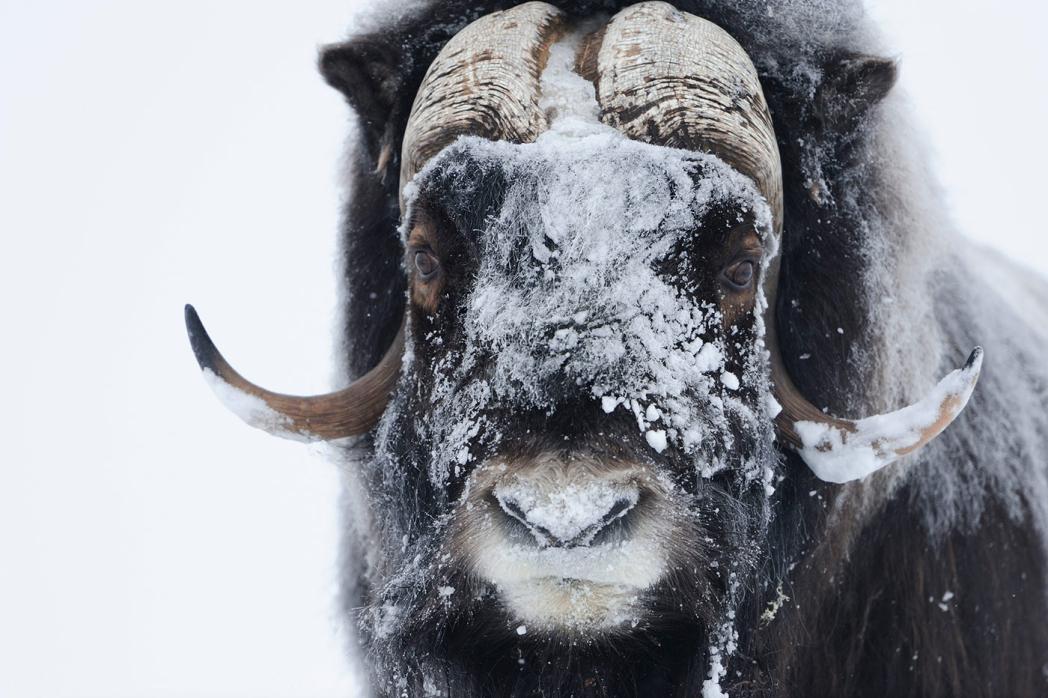
Musk ox
The Arctic tundra is also home to a majestic giant: the musk ox. This shaggy survivor is a powerful force for biodiversity. The presence of large herbivores like musk oxen is crucial to regulating and maintaining healthy Arctic grasslands as a carbon sink.[1] The diverse native plants their grazing, trampling, and fertilising helps sustain provide vital habitat and resources for many species of birds, insects, and small herbivores, which in turn feed carnivores including arctic foxes and wolves. Conservation research and climate mitigation measures in polar landscapes like the Arctic tundra benefit this stubborn, shaggy creature, so that they may continue to roam.
In protecting marine turtles we also protect...
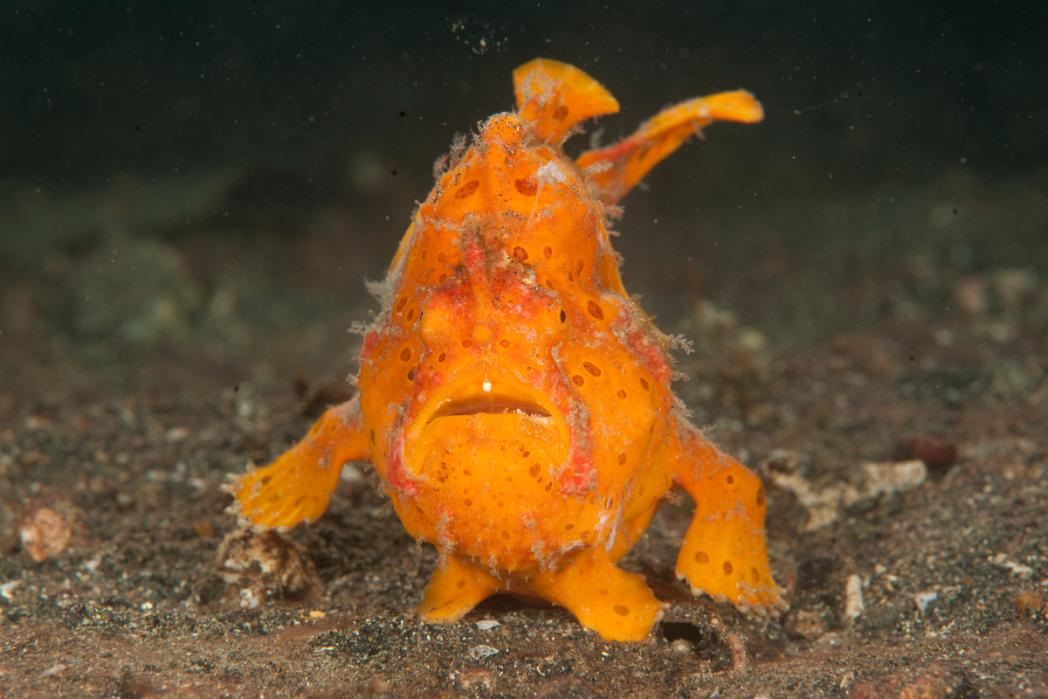
The frogfish
Among them is the frogfish - found throughout tropical waters, especially fond of coral reefs where their excellent camouflage helps them blend in. Frogfish don't swim like other fish - they walk, using their muscular pectoral and pelvic fins like limbs. They prefer walking over swimming because they're ambush predators, relying on camouflage, patience and a jet propulsion mechanism to hunt or evade predators. Many species can blend almost perfectly into their surroundings by changing not only colour but texture - the warty frogfish imitates sponges, while the sargassum frogfish drifts among seaweed.[2]
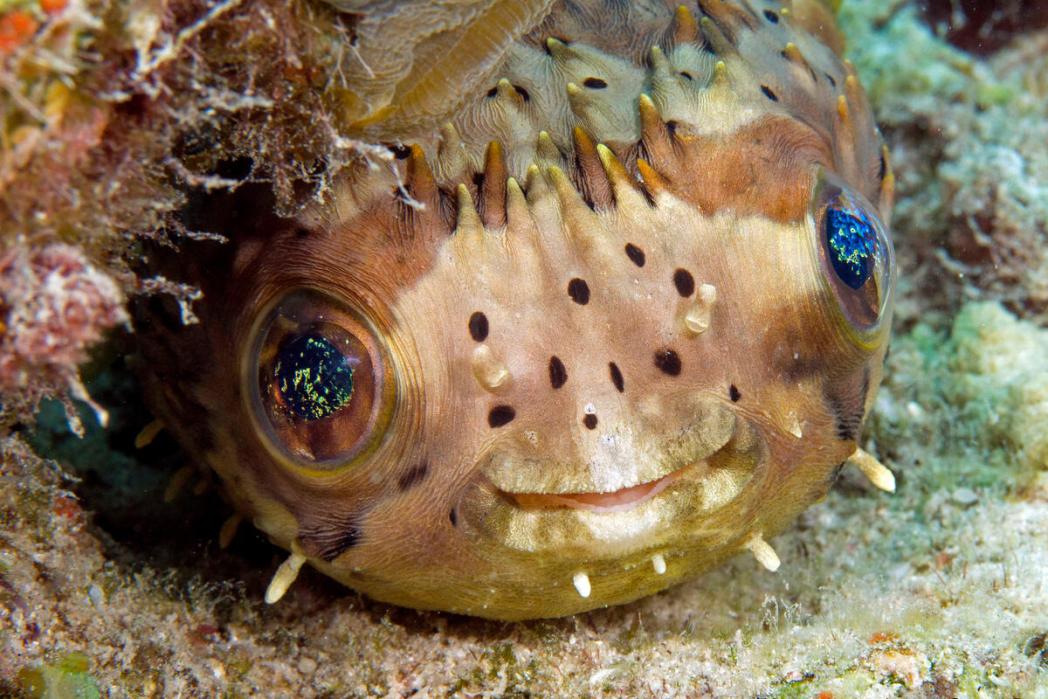
Pufferfish
Also swimming through these tropical waters are nearly 200 species of pufferfish, known by names that relate to their swollen defensive shape, including blowfish, balloonfish, and globefish. These fish are relatively slow moving, reliant on small fins to power through the water. This makes them obvious targets for predators, yet only the toughest species - tiger sharks, octopus and sea snakes - will take them on due to their ability to rapidly inflate in size, combined with their spines and high toxicity. Pufferfish inflate by ‘buccal pumping’: sucking water or air into their incredibly elastic stomachs. With specially modified gill muscles and no ribs, they can swell to an almost spherical shape, three or four times their usual size. [3]
In protecting elephants we also protect...
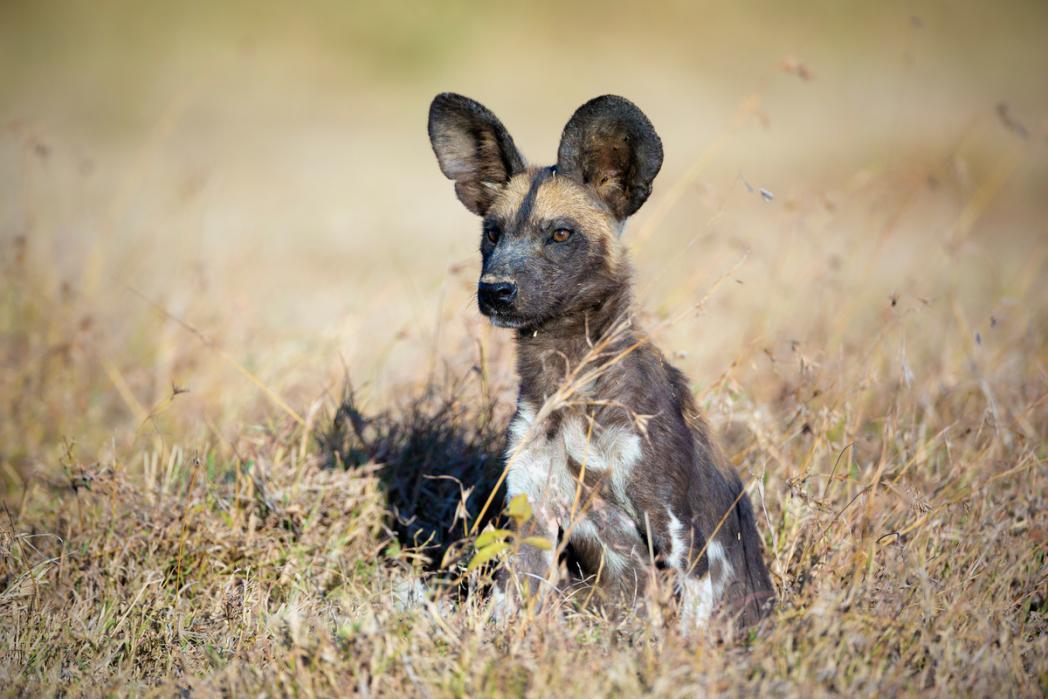
African Wild Dogs
The African elephant dominates the plains of the savannah, but in their shadow walks one of the continent's most endangered mammals - the African wild dog, also known as the painted dog. They are social creatures, gathering in packs of up to 40. Agile hunters, they range over large distances and can reach speeds of more than 44 miles per hour in a sprint for prey such as gazelle or wildebeest. Major threats to the survival of wild dogs include accidental and targeted killings by humans, viral diseases, habitat loss and competition with larger predators like lions. Working to protect wildlife corridors for beloved giants including elephants provides room for other species, helps combat human-wildlife conflict, supporting the threatened survival of these striking predators.
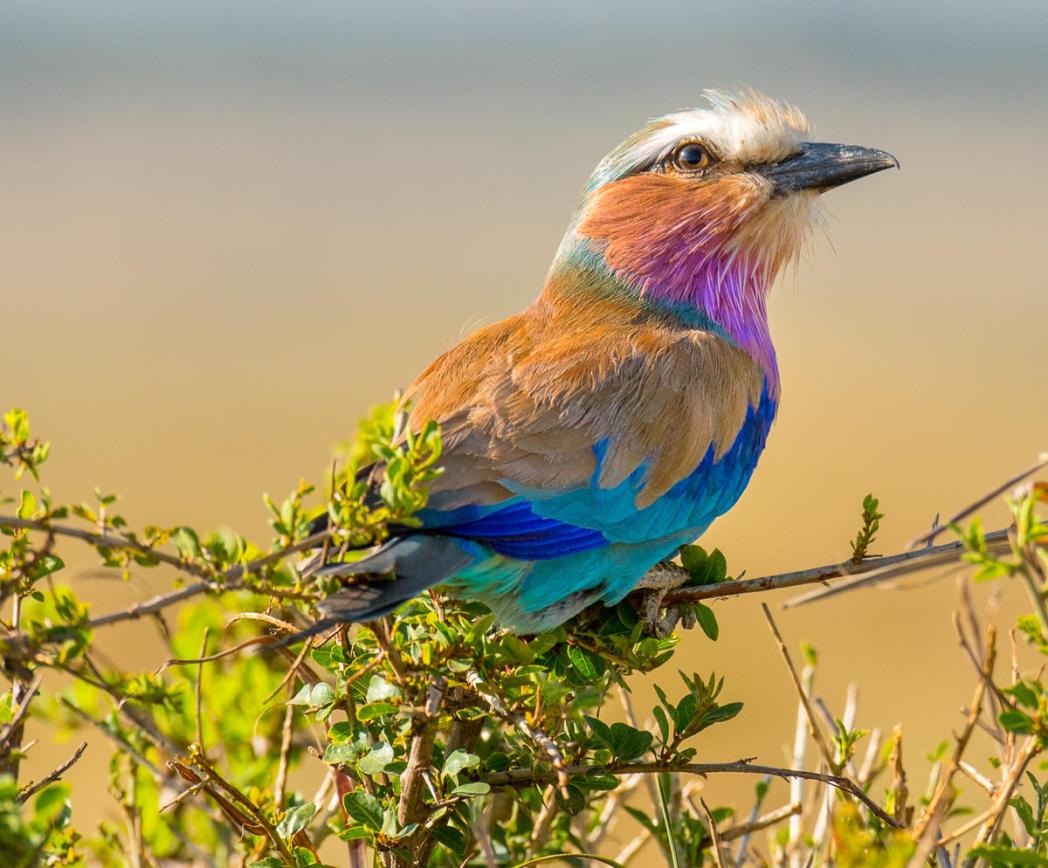
Lilac-breasted Rollers
Filling the skies above elephant herds are hundreds of incredible bird species too. Among them is the vibrant lilac-breasted roller, Kenya's national bird. Its iridescent feathers are a mix of dark purple and brilliant blue with black-tipped turquoise tail feathers, their breasts a soft lilac, and their heads adorned with a green crown and rust-coloured cheeks. These monogamous birds get their name from the rolling and diving they perform during courting rituals - the male swooping down from high perches to impress females in a dazzling aerial display. [4]
In protecting giant pandas we also protect...
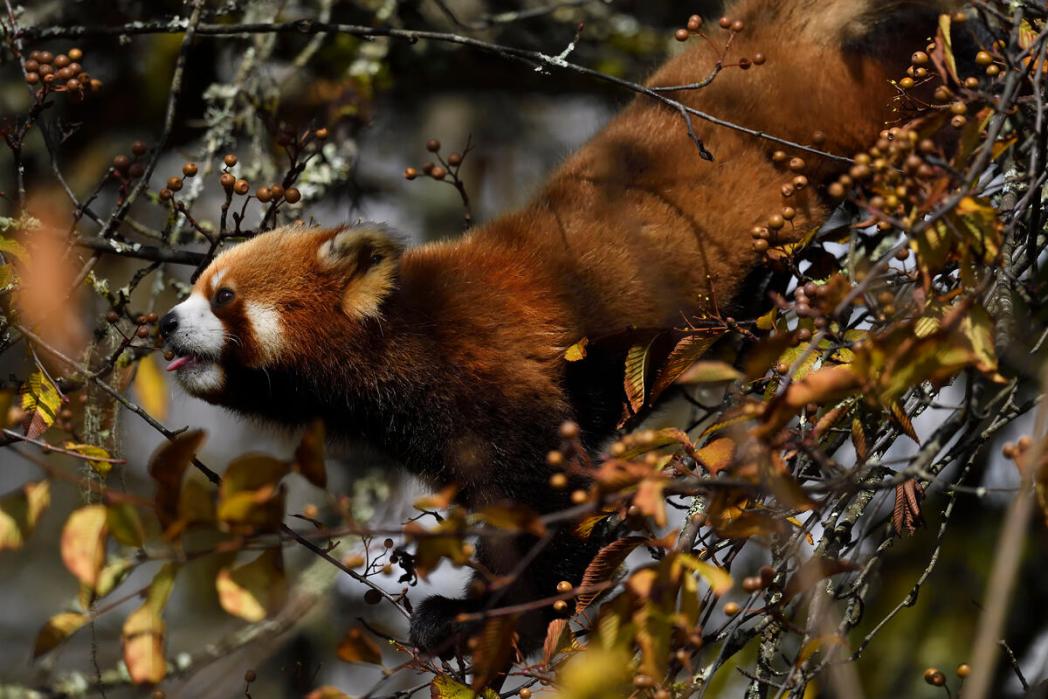
Red Pandas
The charismatic giant panda is a global conservation icon and the symbol of WWF. But the mountain forests of China are also home to a loveable cast of other species. High in the mountain forests, a smaller, russet-furred creature also makes its home: the red panda. Despite sharing a common name, red pandas are not closely related to giant pandas. The red panda was first discovered in 1825, while the giant panda was discovered much later in 1869, both acquiring the name ‘panda’ as they share similar feeding habits. Red pandas feed mainly on bamboo using their false thumb, though it's believed this adaptation evolved for grasping tree branches rather than stripping bamboo. They also eat fruits, roots, grasses, and occasionally bird's eggs. Living in high-altitude forests of Nepal, India, Bhutan, Myanmar and China, these solitary nocturnal and crepuscular creatures rest above ground during daylight, dangled or curled up on tree branches.
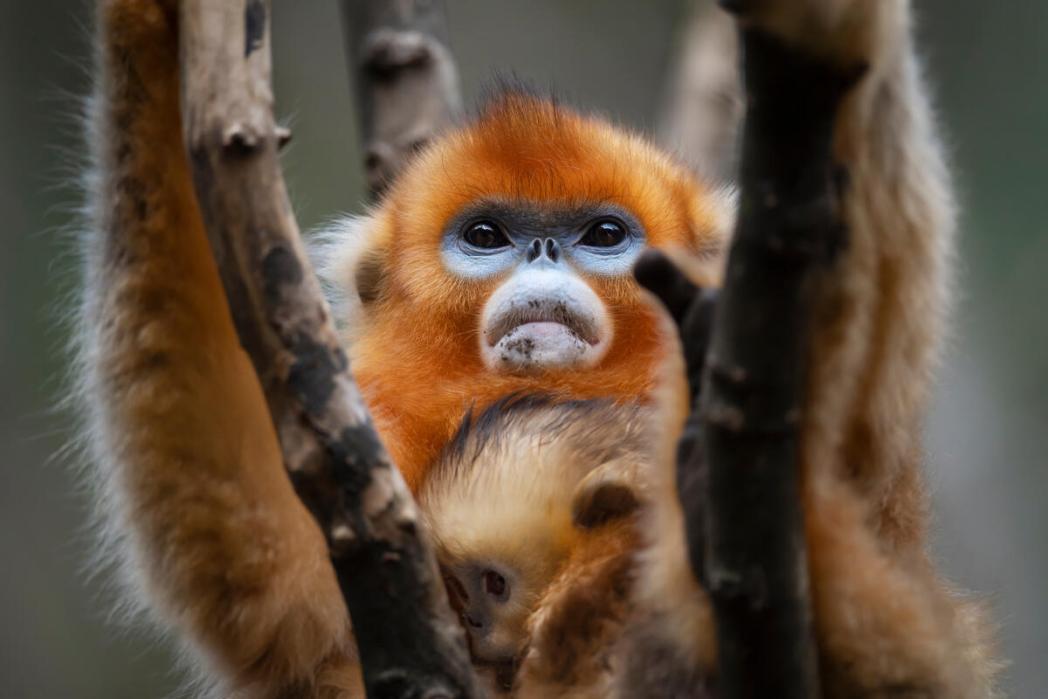
Sichuan Golden Snub-nosed Monkeys
Sharing the same mountain forests as the giant panda is a species often referred to as China's ‘no. 2 national treasure’: the Sichuan golden snub-nosed monkey. These highly social primates have pale blue faces with flat noses, large canines, and golden-orange fur on their foreheads, necks and stomachs. They're remarkably vocal, producing 15-20 types of calls and produce some calls with closed or barely opened mouths. They organise themselves into small family groups that periodically combine into vast troops of hundreds, with patterns of splitting and merging that vary across the seasons. [5] The network of protected areas established for giant pandas provide essential habitat for these extraordinary primates, ensuring both species thrive together.

Join WWF
-
 © Camille Chorley
Author
Camille Chorley - Media Manager, WWF-UK
/
Have a question about this article?
Get in touch: press@wwf.org.uk
Sources
- One Earth, The magnificent Arctic muskox: Ice Age survivor, https://www.oneearth.org/species-of-the-week-muskox/
- National History Museum, Pufferfish: An underwater balloon of death? https://www.nhm.ac.uk/discover/pufferfish-underwater-balloon-of-death.html
- A-Z Animals, The Lilac-Breasted Roller: National Bird of Kenya, https://a-z-animals.com/blog/lilac-breasted-roller-national-bird-of-kenya/
- National History Museum, Frog fish that walk, https://www.nhm.ac.uk/discover/the-fish-that-walk.html
- Natural habitat, Know before you go, https://www.nathab.com/know-before-you-go/asia-the-pacific/china/wildlife-guide/golden-snub-nosed-monkey