Artificial grass and its impact
Accurate at time of publishing: 08 April 2026
The rise of artificial grass
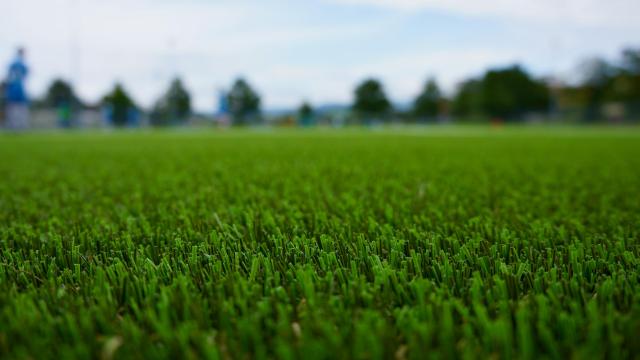
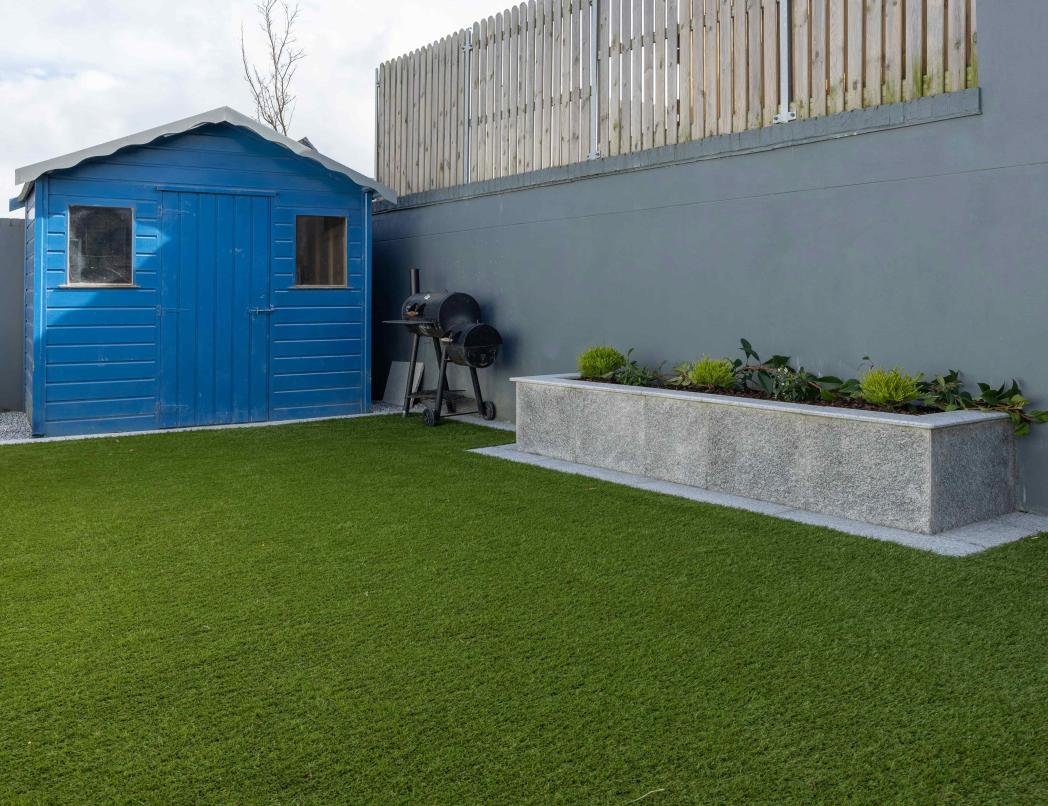
According to research carried out by Aviva, 21% of households across the UK are planning to or have already replaced their natural lawn with artificial grass. [1] Although fake grass is becoming a popular option for homeowners, this is not good news for nature. For some, artificial grass might mean less mud and lower maintenance, letting them swap the lawnmower for a hoover and jet wash. However, artificial lawns negatively impact nature, the environment, people and our pets, and should be avoided where possible.
Its impact on nature
Our world is facing two significant challenges – climate change and biodiversity loss. In the UK, populations of monitored species have declined by 19% since 1970,[2] and habitat loss, reduced food availability, and climate change are contributing to this decline.
Artificial lawns remove habitats and food sources for nature as grass, plants, flowers and trees are cleared to make room for plastic turf. This leaves insects (including important pollinators like bees), birds, and small mammals (like hedgehogs), without food or shelter. Providing potted flowers or a bird feeder helps to combat some of the problems created by artificial lawns, but it removes access to the soil, which is an essential food and habitat source for many species.
Its impact on the environment
60% of all life on Earth lives in the soil.[3] Good soil health is important for sustaining biodiversity, but good soil relies on decomposing organic matter such as leaves, twigs, grass and dying plants. These are decomposed by worms, insects, microorganisms and bacteria and turned into new soil. Additionally, many species spend part of their lifecycle in the ground, including mining bees, ants and ground beetles, some butterflies and moths, moles and badgers. For example, 65 of our UK bee species are ground nesters,[4] relying on access to healthy soil in return for pollinating our plants and crops.
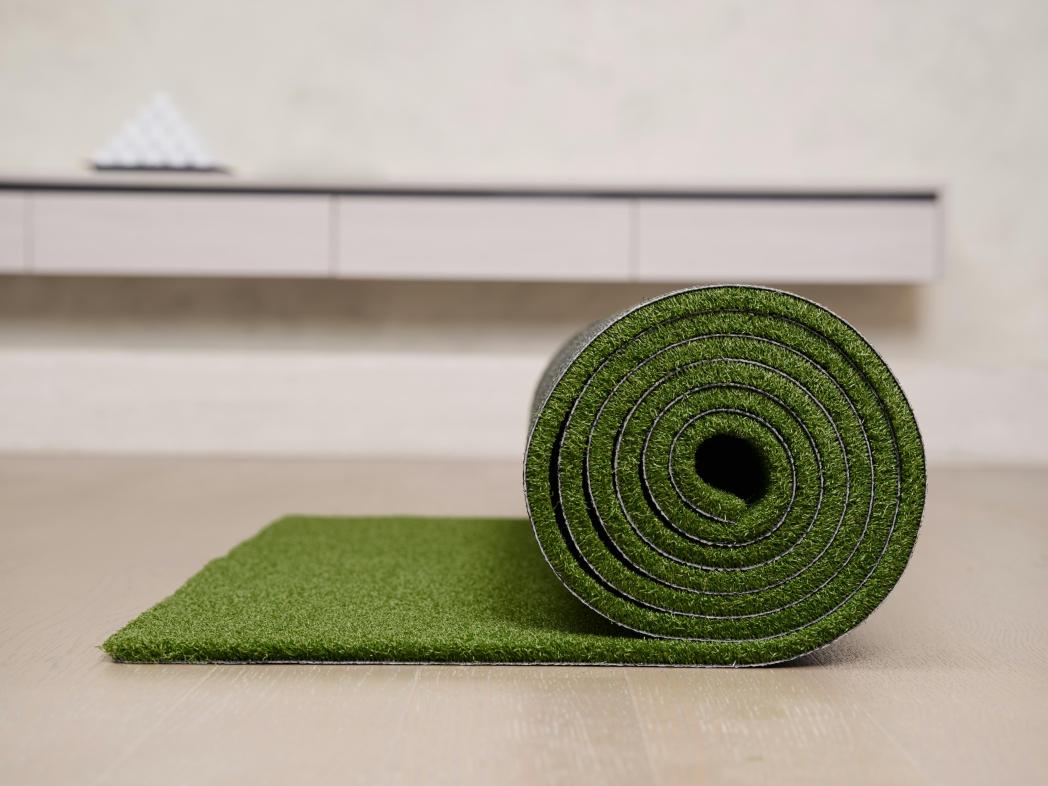
Installing artificial grass creates a barrier which prevents species and nutrients from entering the soil, including water. This can be a problem for areas which are already susceptible to flooding as fake grass is not effective at absorbing water and doesn’t allow it to drain the way that a natural lawn does.[5] Water will instead run off and cause flooding elsewhere.
Plants, including flowers and grass, absorb carbon from the atmosphere and produce oxygen through photosynthesis. When a patch of ground is cleared to make space for artificial lawns, this releases the carbon stored by those plants into the atmosphere. As artificial lawns are made from plastic, they also impact the local environment by releasing microplastics and harmful chemicals into the soil.[6] One study in Catalonia found that 15% macro-plastic pollution (plastic pieces larger than 5mm) in the local waterways came from artificial turf. [7]
Planet, people and pets
Artificial grass is made from plastic, which derives from fossil fuels. To slow climate change, and its impacts on our planet, we need to reduce demand for fossil fuels as they contribute to global greenhouse gas emissions when they are extracted and processed.
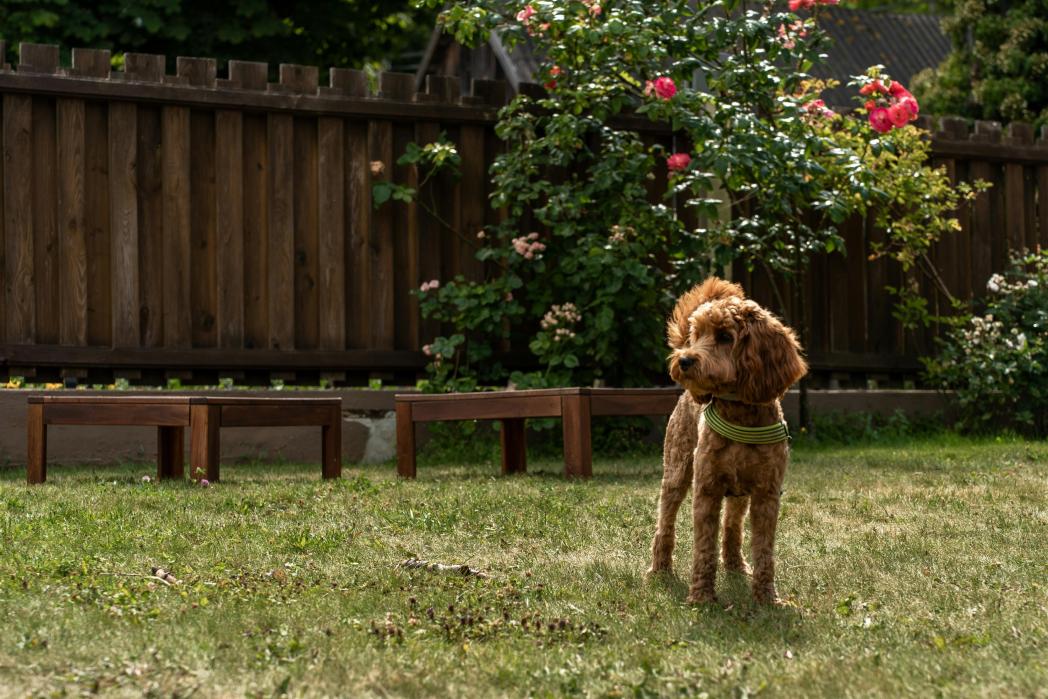
Synthetic materials like plastic get very hot when exposed to sunlight, compared to natural materials like grass. One study in Australia found that daytime temperatures of fake grass reached an average of 20oC more than the temperature of natural grass (49.9oC compared to 29.9oC).[8] When artificial lawns reach such high temperatures, it puts residents at risk of skin burns from coming into contact with hot plastic,[6] a particular risk for children playing, and also for pets as their paws are susceptible to burning on hot surfaces.
Conclusion
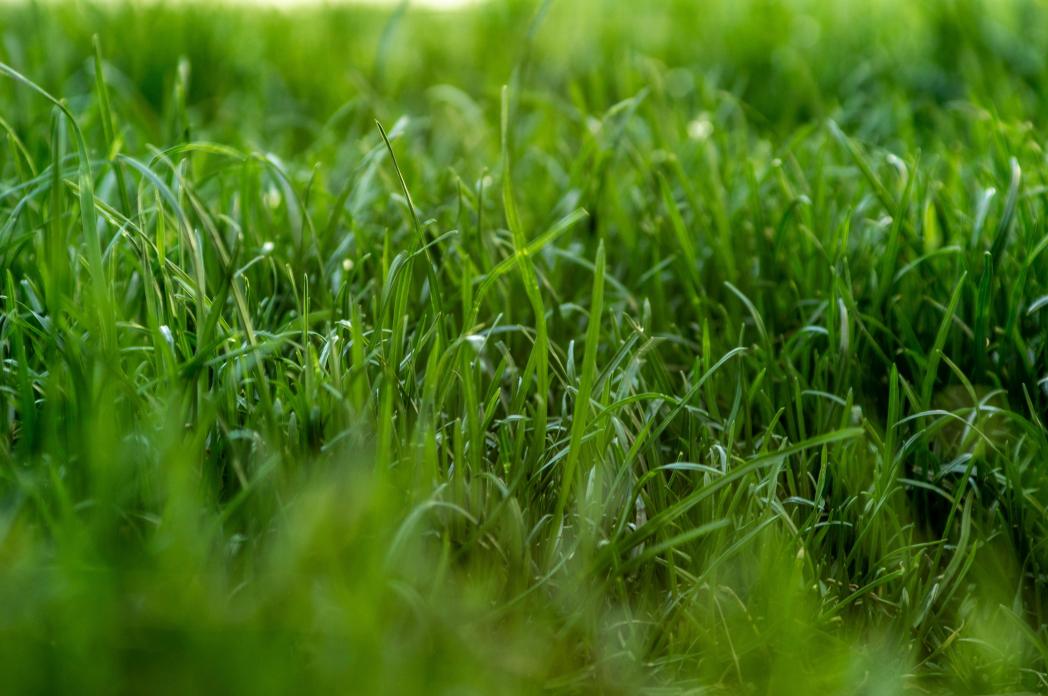
Although artificial lawns can be convenient as they prevent mud and don’t require mowing, they can be harmful to the environment, people, pets and biodiversity. Instead of clearing gardens to make way for plastic grass, consider leaving a patch of wild grass to grow long, requiring less mowing throughout the year, or plant a wildflower meadow which also required little maintenance once established. Natural grass, and all the species that come with it, helps us feel connected to nature. Instead of laying down plastic, consider going outside and feeling the benefits of natural grass between your toes, knowing that you’re doing your bit for local biodiversity.
-
 © Lauren Wiseman
Author
Lauren Wiseman, Sustainability & Facilities Manager, WWF-UK
/
Sources
[1] Aviva, Number of UK home with artificial grass expected to grow, https://www.aviva.com/newsroom/news-releases/2024/05/number-of-uk-homes-with-artificial-lawns-expected-to-grow/
[2] State of Nature Report (2023) https://stateofnature.org.uk/
[3] Anthony et al (2023) Enumerating soil biodiversity https://www.pnas.org/doi/full/10.1073/pnas.2304663120
[4] Wildlife Trust https://www.wildlifetrusts.org/blog/ryan-clark/identify-solitary-bees-uk
[5] Simpson and Francis (2021) Artificial lawns exhibit increased runoff and decreased water retention compared to living lawns following controlled rainfall experiments https://www.sciencedirect.com/science/article/abs/pii/S1618866721002570
[6] Cumberbatch et al (2025) Artificial Turf Versus Natural Grass: A Case Study of Environmental Effects, Health Risks, Safety, and Cost https://www.mdpi.com/2071-1050/17/14/6292
[7] Haan et al (2023) The dark side of artificial greening: Plastic turfs as widespread pollutants of aquatic environments https://www.sciencedirect.com/science/article/pii/S0269749123010965
[8] Cheung and Livesley (2025) The microclimate, surface energy flux and human skin burn risks of artificial turf as compared to natural turf https://www.sciencedirect.com/science/article/pii/S0360132325001611