
Management of forests for tiger recovery in Myanmar
With funding from the UK Government’s Darwin Initiative, WWF is supporting the Indigenous Naga communities to improve Indigenous governance and management of forests to benefit these communities and wildlife.
Project overview
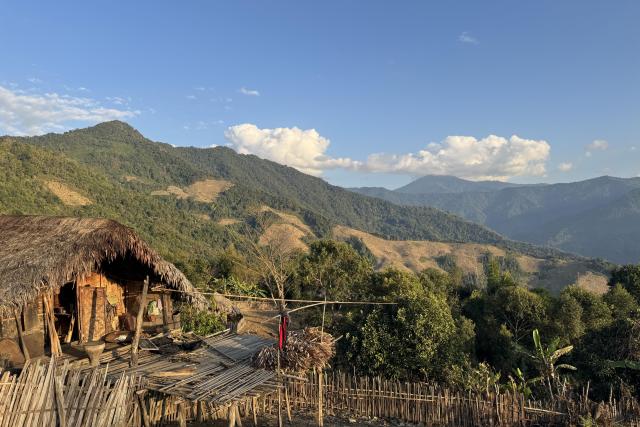
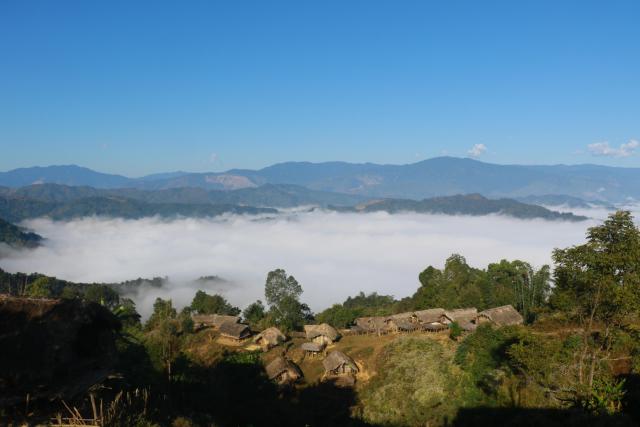
Tanshang Naga, situated within Northern Forest Complex in remote Nagaland, Myanmar, is home to Indigenous Communities, and adjacent to one of Myanmar’s last tiger strongholds, which is impacted by hunting and habitat loss, driven by multidimensional poverty experienced by these communities. This project supports the establishment of an Indigenous Community Conserved Area (ICCA) of around 50,000ha, improving indigenous governance and empowerment, enhancing food and financial security, and changing hunting practices by incorporating beliefs-based approaches, benefiting people and wildlife.
Why we are doing it
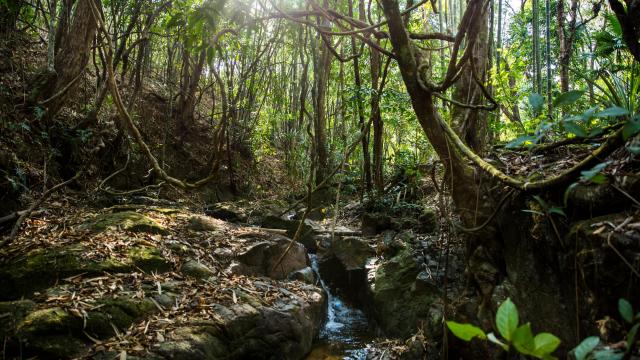
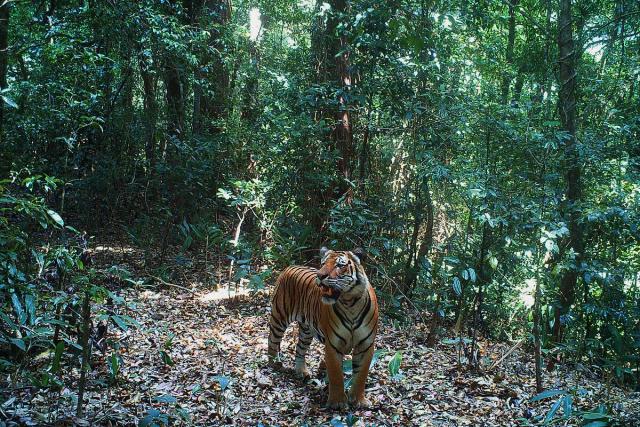
The Northern Forest Complex (NFC) is important for biodiversity and home to Indigenous Communities including Naga, but is becoming biodiversity poor, impacted by deforestation, habitat fragmentation, wildlife depletion, and soil erosion. This is one of Myanmar’s last tiger strongholds, but tiger and their prey populations are low.
The Naga communities are remote and isolated and depend on shifting cultivation (which requires cutting down forest areas and growing crops on a rotational basis), non-timber forest products and hunting.
An Indigenous Community Conserved Area has been identified by these communities as a way of improving the way the forests and land are protected and managed, whilst benefiting wildlife and these communities for the long-term.
We are working with these communities to help improve such practices to protect and sustainably manage their forests and natural resources, whilst supporting wellbeing improvements through engagement in the management of community-held land, and supporting the use of nutritious and climate-resilient agricultural practices and livelihoods. As hunting practices change, there will a reduction in the number of prey species hunted and snared, which is important for tiger population recovery.
Project impact
We are working with Indigenous Naga communities, to support them in fulfilling their plan of establishing an Indigenous Community Conserved Area. This process will involve the strengthening of the local governance structure, development of a management plan incorporating more sustainable land and natural resource use, and identifying and piloting more nutritious and climate-resilient agriculture to support livelihoods.
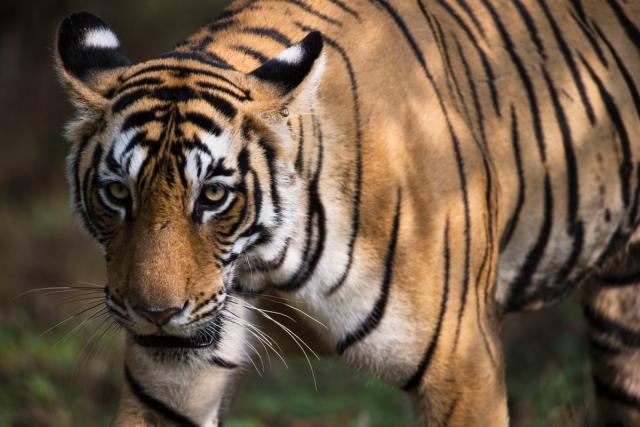
The Naga communities in the project villages are primarily Christian with traditional animist beliefs, which view tigers as sacred. There are many positive faith beliefs regarding wildlife and the environment that will be acknowledged and incorporated into our approaches, to support more sustainable ways forward.
Next steps
This project started in October 2025 and will be funded by the UK Government through Darwin Initiative for 4 years. Engagement and planning with the local partners and indigenous communities in the project villages and collection of baseline information has been undertaken in the first 6 months, together with formulating more detailed plans. This project responds to and builds on the expressed interest of these Indigenous communities to establish an Indigenous Community Conserved Area, which will involve various steps along the way.
Adopt a tiger
Adopt a tiger
Your adoption will help fund tiger conservation projects such as monitoring their populations and improving protection against poaching, and will also help fund other vital work around the world. When you choose an animal adoption, you are supporting both your chosen animals as well as wider work to help bring our world back to life.