Tackling Human-Carnivore Conflicts in Uganda
With funding from the UK Government’s Darwin Initiative, WWF is collaborating with local partners to strengthen efforts to address human-carnivore conflict in Queen Elizabeth Conservation Area, Uganda.
Project overview
WWF is working with local communities and government agencies in the Queen Elizabeth Conservation Area, Uganda. We’re building skills and knowledge and developing collaborative strategies to better prevent, manage and respond to human-carnivore conflict. We’re also supporting communities to implement livelihood strategies that help to reduce the impacts of human-carnivore conflict, reducing the perceived need to kill carnivores in retaliation, whilst also building their ability to advocate for greater conservation benefits for their communities. Through these combined efforts, we aim to reduce human-carnivore conflict and the associated carnivore mortality, whilst improving community livelihoods and wellbeing.
The three-year project (from June 2024 to March 2027) is funded by the UK Government through the Darwin Initiative.
Why we are doing it
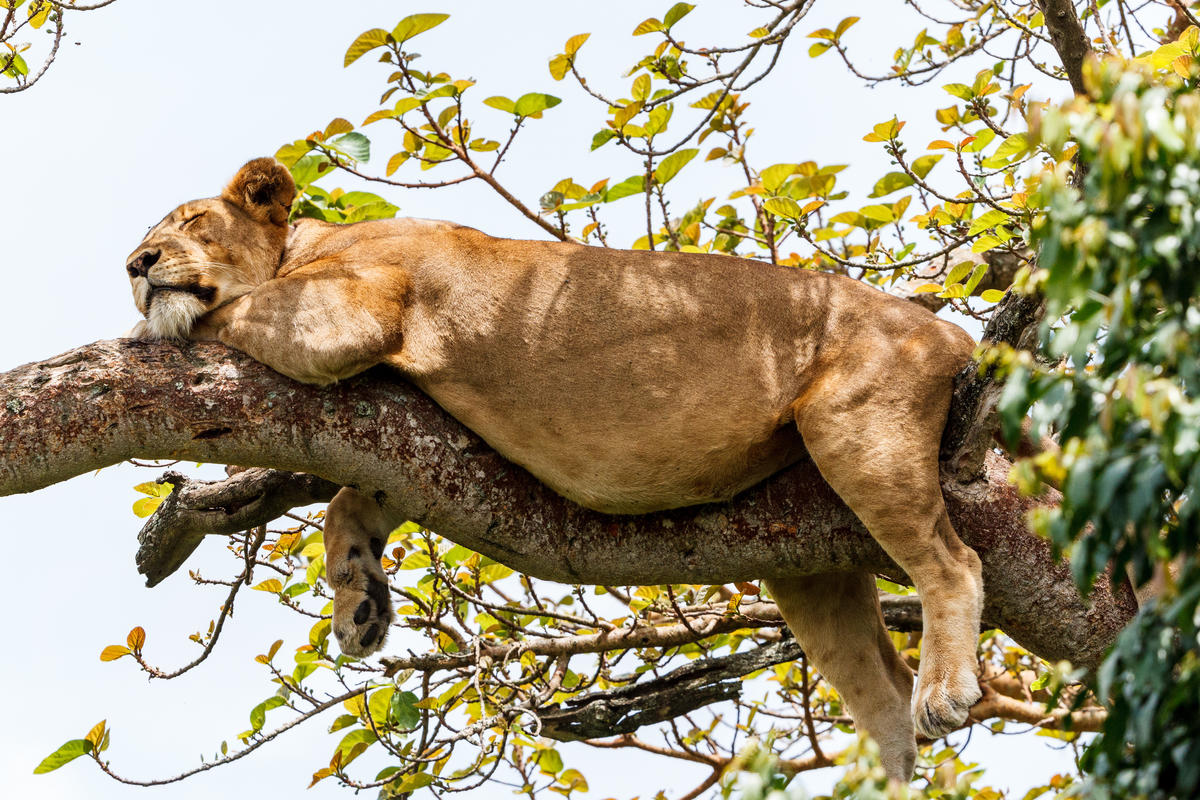
Queen Elizabeth Conservation Area in Uganda is home to approximately 90,000 people, who rely heavily on livestock farming as their main livelihood, while also encompassing valuable natural resources. At its heart lies the Queen Elizabeth National Park, which was once a stronghold for carnivores, particularly lions, but populations have significantly declined in recent years.
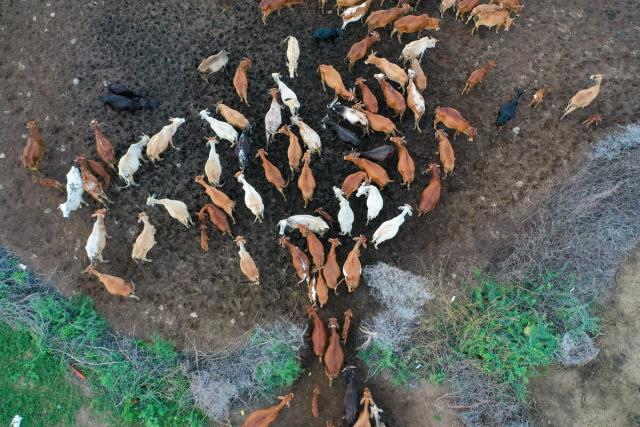
Interactions between carnivores (lion, hyena, and leopard), livestock and communities lead to significant levels of conflict within the Queen Elizabeth Conservation Area, often resulting in the injury or death of livestock and occasionally people. The level of conflict and magnitude of damage negatively affects safety, food security, livelihoods, and wellbeing throughout the community, which is amplified by a lack of alternative income sources. With few other options, people often resort to the killing of carnivores in fear or retaliation. Preventative measures, mitigation and responses to de-escalate human-carnivore conflict are currently limited, uncoordinated, and inconsistently applied across the Queen Elizabeth Conservation Area.
A lack of trust and transparency between the park authorities and local communities, and a lack of perceived benefits from living with carnivores, further increases the likelihood and impact of human-carnivore conflict. Mechanisms to share revenue from tourism exist but there are challenges to ensuring that these funds are effectively accessed and distributed fairly.
Project impact
The project is:
- Training rangers and community scouts in the Queen Elizabeth Conservation Area in the Conflict to Coexistence Framework, monitoring tools that enable the adaptive management of human-carnivore conflict, and the skills to be ‘first responders’ to conflict events.
- Supporting households living in conflict hotpots to develop and implement a human-carnivore conflict management strategy and action plan.
- Building the skills of community-based organisations to advocate for increased conservation benefits for communities, more inclusive community participation in decision-making around the management of human-carnivore conflict, and increased access to revenue and other resources from the Queen Elizabeth Conservation Area.