
Reviving faith leadership in Nepal
In collaboration with WWF-Nepal, ANSAB (Asia Network for Sustainable Agriculture and Bioresources), the Sowa Rigpa Association Nepal (SRAN), the Government of Nepal and IP&LCs, we’re helping to revive traditional stewardship and sustainable healthcare to restore Nepal’s high altitude alpine rangelands and support resilient mountain communities.
Project overview
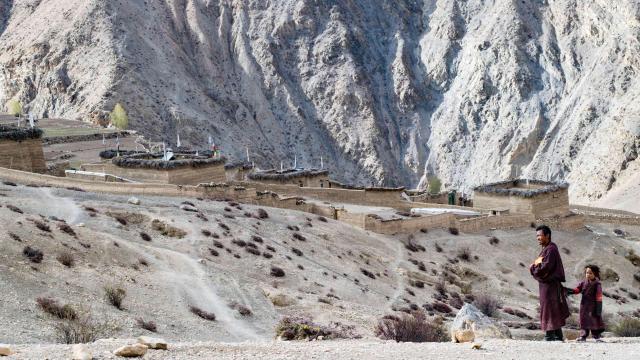
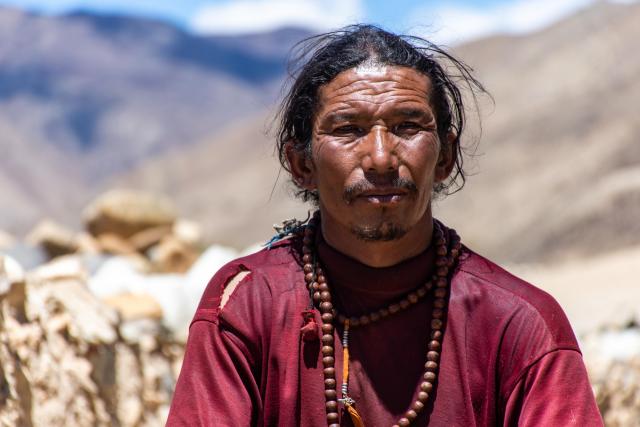
Alpine rangelands are rich in biodiversity and provide vital resources for local communities and economies. For generations, these landscapes have been managed through indigenous systems, including stewardship by Buddhist healers known as Amchis. However, unclear governance and growing pressures on natural resources have contributed to the degradation of these fragile rangelands. At the same time, traditional healthcare provided by Amchis – critical for the local communities’ wellbeing – is also at risk.
With support from the UK Government through the Darwin Initiative, this project is developing an innovative rangeland co-management model in Dolpa. The initiative aims to strengthen community stewardship and revive the role of Amchis in sustainable rangeland management. By promoting sustainable harvesting of medicinal plants and phasing out the use of illegal wildlife parts in traditional medicine, the project supports both ecosystem restoration and new livelihood opportunities for local communities. By working with Amchis and enabling them to adapt to current conditions, the project also contributes to communities’ wellbeing and preservation of the ancient traditional knowledge.
Why we are doing the project
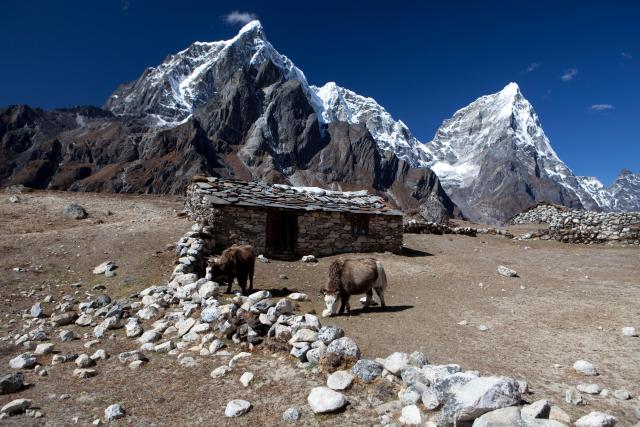
This project will support the development and implementation of an innovative, community-led rangeland co-management model in Dolpa, combining traditional knowledge with modern science to improve the sustainable management of alpine rangelands. Working with Indigenous communities, Amchis (traditional Buddhist healers), and local authorities, the project will establish rangeland management sub-committees to help improve grazing practices, sustainable harvesting of medicinal plants, climate adaptation, and monitoring of ecosystem health. Sacred sites will be identified and protected, and awareness campaigns will engage communities, youth, visitors, and harvesters to encourage responsible use of these fragile landscapes.
The project will also strengthen sustainable healthcare by supporting Amchis to practise Sowa Rigpa (a traditional medical system) using legal and sustainable ingredients, exploring a model to phase out the use of threatened wildlife in traditional medicine. Training, knowledge exchange between generations of Amchis, and collaboration with Buddhist leaders will promote acceptance of sustainable alternatives.
At the same time, the project will help diversify local livelihoods. Communities will be trained in sustainable harvesting and processing of high-value medicinal plants, supported by improved storage, aggregation centres, and stronger market linkages (better connections between local communities and markets). Traditional healing and wellness centres will also be piloted to create new income opportunities linked to cultural heritage and tourism. Together, these efforts aim to restore rangeland ecosystems, strengthen traditional knowledge systems, and improve livelihoods for mountain communities.
Project impact
The project will strengthen community leadership and capacity to manage natural resources sustainably, directly benefiting more than 600 households living in and around the project area. By supporting indigenous communities that depend on rangeland ecosystems, the initiative will help sustain traditional livelihoods while creating new opportunities for income generation, including nature-based tourism. At the same time, it will preserve valuable traditional knowledge and leadership in rangeland management, helping communities adapt to the growing impacts of climate change. Through improved awareness and training in sustainable harvesting practices, at least 300 households will benefit from better management of non-timber forest products (NTFPs), including improved storage and more efficient supply chains that reduce waste and increase economic returns.
The project will also promote sustainable traditional medicine (TM) practices by supporting behaviour change, strengthening community capacity, and establishing traditional wellness and healing centres. These efforts will help phase out the use of wildlife ingredients while maintaining culturally appropriate healthcare and creating additional livelihood opportunities linked to wellness and tourism. Over the long term, healthier and better-managed rangeland ecosystems will strengthen food, water, and economic security for remote mountain communities. The co-management approach developed through this project has the potential to benefit more than 2,500 households across Shey Phoksundo National Park and serve as a scalable model for sustainable, community-led development across Nepal’s Himalayan region.

Adopt a snow leopard
Adopt a snow leopard
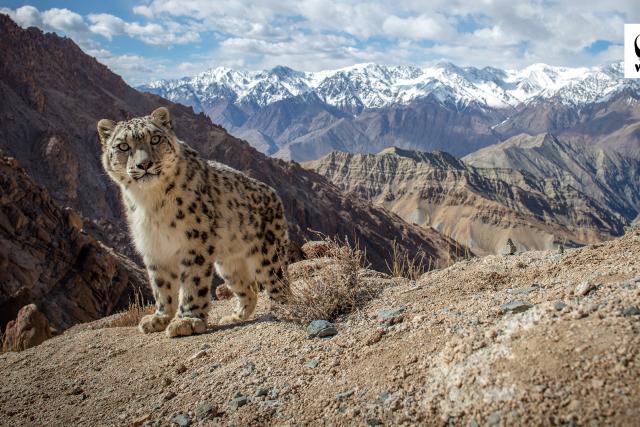
Powerful, captivating and incredibly vulnerable to poaching and reduction in prey. The elegant snow leopard is one of the world’s most elusive cats. Your adoptions will help protect snow leopards and help fund our other vital work around the world.