Our Reports
Welcome to our knowledge hub, where you can search for and download our published reports and resources

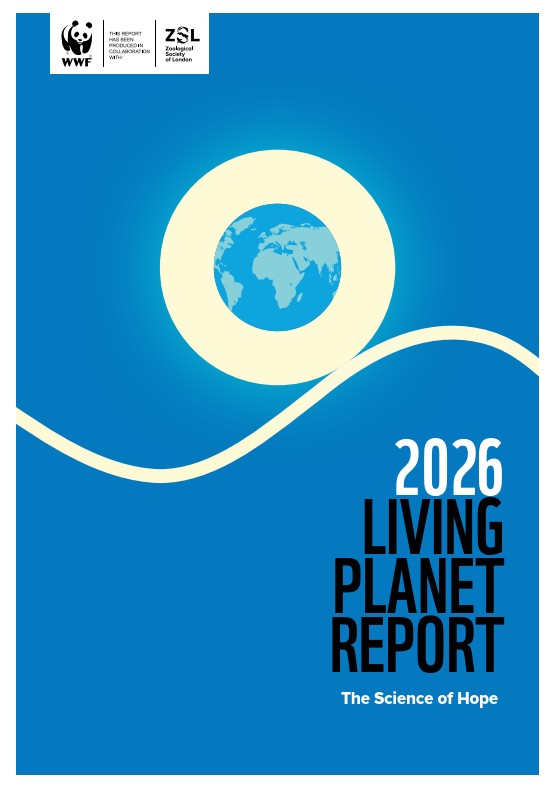
Living Planet Report 2026
The Science of Hope
WWF's most comprehensive health check of the natural world shows that between 1970 and 2022, the average size of monitored vertebrate wildlife populations declined by 73%. Nature is under growing pressure, threatening the ecosystems that support our food, water, health economy, security and resilience.
Conservation efforts show that species can recover even from the brink of extinction. But we need more than this to turn the tide. We need the food, energy and finance systems that currently drive the loss of nature to support its recovery. The good news is that the science tells us we have reason to hope, and the solutions already exist.
-

Emission Possible Action plan Toolkit
-

Emission Possible Carbon Reporting Toolkit
-

Emission Possible Report 2021
A guide to emission reporting
-

Net Zero and Farming
-

WWF - Tuna Strategy Report
-

WWF-UK Annual Report and Financial Statements
2019-20
-

Sky Ocean Rescue
Value of restored UK seas summary report
-

The Living Planet report 2020
Bending the curve of biodiversity loss
-

Knorr 50 report
50 foods for a healthier planet
-

Keeping it cool
How the UK can end its contribution to climate change
-

Life on the Frontline
A global survey of the working conditions of rangers.
-

Sustainable food systems and diets: A review of multi-stakeholder initiatives
The number of initiatives seeking to advance the sustainable food systems and diets agenda has grown rapidly in the past few years. But what do they focus on, who is involved, how do they support each other, and where are the gaps?

What we achieved last year
Other Ways To Help

Donate to the Climate Recovery Fund
Download the My footprint app