
Nature is under serious pressure. The Living Planet Report 2026 shows the average size of monitored global vertebrate wildlife populations has declined by 73% since 1970*, highlighting the immense pressure facing the natural systems that underpin our economies, businesses, health and security.
Nature provides the underpinning that society depends on, from pollination and healthy soils to clean water, climate regulation and raw materials. Yet the ecosystems that support economic growth and resilience are being degraded at an unprecedented rate.
The Living Planet Report measures this decline in nature but also highlights reasons for optimism: reported increases in Tiger numbers and return of Atlantic Tuna show that nature can recover when governments, businesses, communities and conservation organisations work together.
If we are to turn this trend around for all of our wildlife, government must commit to and enable a rapid and just transition to fundamentally shift the economic systems that currently drive nature loss. This means prioritising policies across energy, food and finance to drive positive tipping points that support both people and planet.
*Based on monitored vertebrate populations measured through the Living Planet Index
Summary of headline asks for government
- Deliver climate policies that reduce energy bills and accelerate the clean energy transition.
- Make food system resilience a national priority through nature-positive agriculture.
- Introduce mandatory transition planning for major companies and financial institutions.
- Show international leadership by helping phase out deforestation and conversion by 2030.
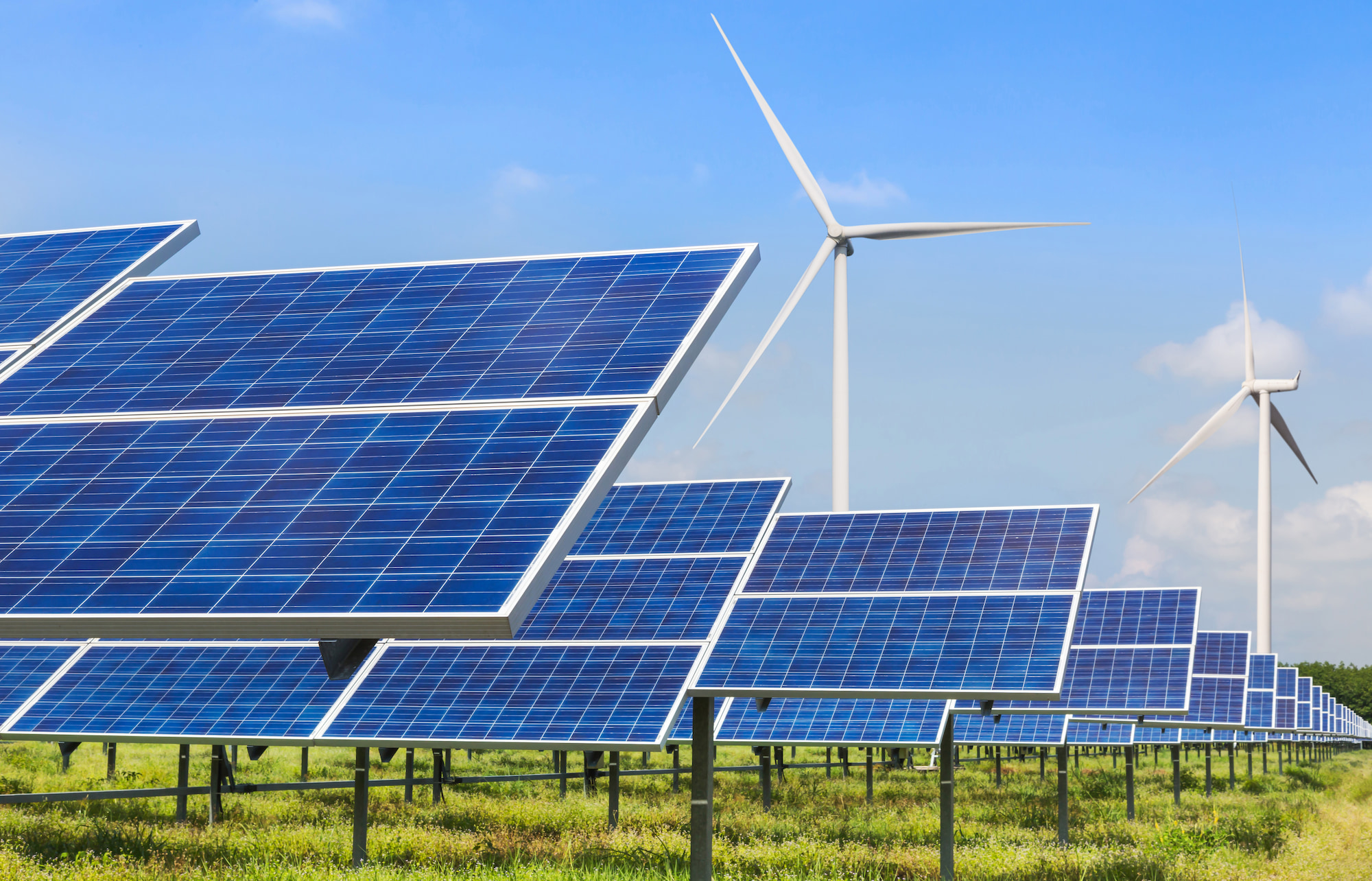
Reduce energy bills and accelerate the clean energy transition
Reduce energy bills and accelerate the clean energy transition
Implement a package of well-designed climate policies to reduce energy bills across the UK, making the benefits of clean energy available to everyone regardless of housing situation and maintaining public support for the green transition.
Policy asks
- Introduce a Renters’ Energy Dividend to enable private renters to access discounted solar electricity through Great British Energy-backed schemes.
- Establish a Home Upgrade Stamp Duty Rebate of up to £3,750 for homebuyers undertaking eligible energy efficiency improvements within five years of purchase.
- Create Government-Backed Guarantees for Heat-as-a-Service Models to reduce financing costs for heat pump subscription products.
- Remove Legacy Policy Levies from Household Electricity Bills and fund them through general taxation over the course of the Parliament.
- Introduce a Social Energy Tariff for low-income households, through automatic enrolment.
- Expand and rebrand the National Wealth Fund’s financial guarantee scheme for social housing retrofits to give it a more visible identity.
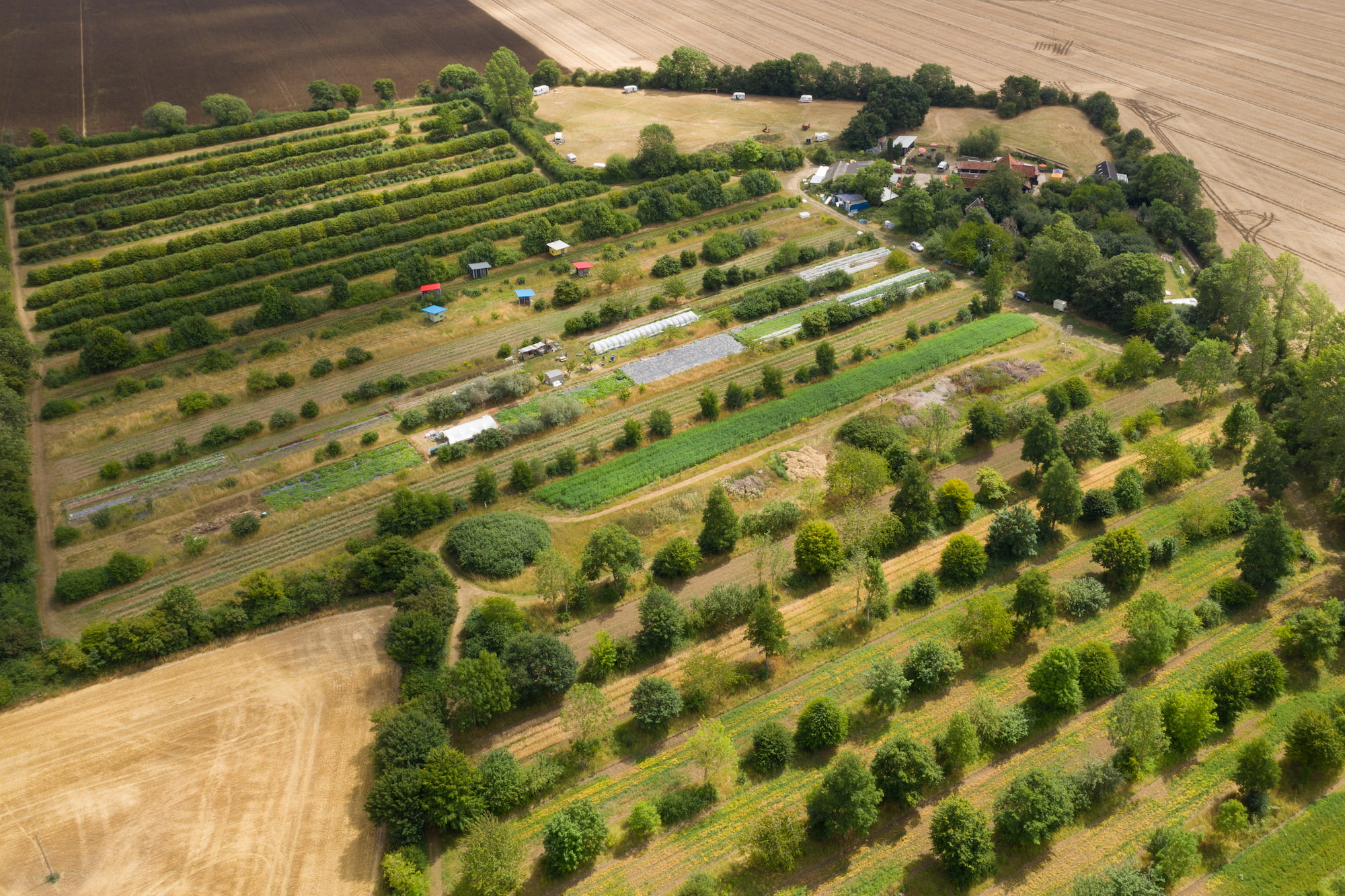
Make food system resilience a national priority through nature-positive agriculture
Make food system resilience a national priority through nature-positive agriculture
The way the world produces and consumes food is the single largest driver of biodiversity loss. The food and agriculture system is the leading cause of habitat destruction, overharvest, and a major source of greenhouse gas emissions.
With growing global insecurity – from climate shocks to international conflicts – it is important the Government makes food system resilience a core priority by addressing the underlying vulnerabilities rather than reinforcing existing fragilities inherent in a fossil fuel-dependent system. To realise a positive tipping point in the food system, build resilience and protect families from food price shocks, we must accelerate the transition to nature-positive agriculture, cut reliance on fossil fuel-derived inputs and fertilisers.
Policy asks
- Bring forward UK deforestation regulation aligned as much as possible with the EUDR and core environmental standards in trade across supply chains to prevent imports linked to deforestation and other environmental impacts and incentivise nature-positive agriculture at home and abroad
- Broaden the debate beyond sewage and water companies in the forthcoming Clean Water Bill to include agricultural pollution catchment management, land use, freshwater biodiversity and nature as critical infrastructure.
- Adopt a more holistic Nutrition Security approach in the food strategy
- Targeted incentives for a new low-carbon organic fertiliser industry replacing fossil fuel derived fertilisers where prices are set by volatile global markets
- Align existing environmental land management schemes and supply chain finance mechanisms to de-risk and scale investment in climate and nature
- Bring forward mandatory reporting for food companies that goes beyond healthy sales to include the split between plant and animal protein, fruit and veg sales and climate emissions.

Greening finance, financing green
Greening finance, financing green
Nature degradation and climate change are systemic risks to the financial system, the wider economy and long-term prosperity. Government should follow through on its manifesto commitment to move towards mandatory transition planning, requiring financial institutions and major companies to set out credible plans for how they will manage climate and nature risks, support the net zero transition and help build economic resilience.
Policy asks
- Require mandatory transition planning for financial institutions and major-listed companies, informed by science and aligned with credible climate and nature pathways.
- Ensure transition plans help firms identify and manage climate and nature-related risks, including biodiversity loss, land use, supply chain resilience and exposure to environmental crime.
- Use transition planning to mobilise private finance for the transition, giving investors clearer signals and helping turn long-term climate and nature goals into practical investment decisions.
- Position the UK as an international leader by using its G7 and G20 presidencies to champion the integration of climate and nature into financial sector policy.
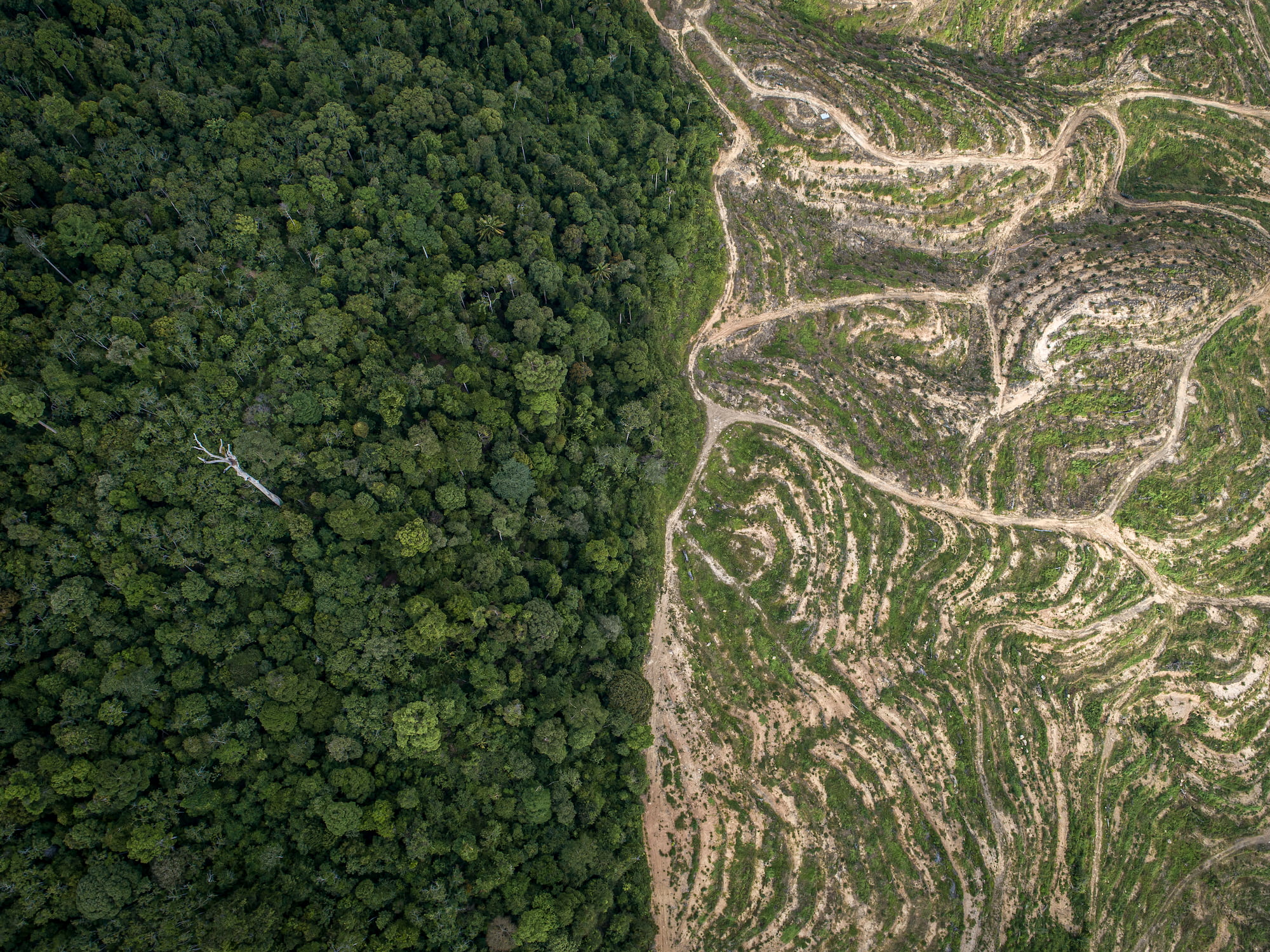
International Leadership to phase out deforestation and conversion by 2030
International Leadership to phase out deforestation and conversion by 2030
Forests are essential for nature, people and a stable climate – in the UK and around the world. But deforestation continues.
Governments are failing to protect forests, and all the people and wildlife that depend on them.
Policy asks
We are asking the UK governments to demonstrate progress at the upcoming UN biodiversity summit (COP17 in Armenia in October) and the UN climate summit (COP31 in Türkiye in November), by becoming one of the founding members of the 2030 Positive Tipping Point Alliance and tangibly commit to work with other countries to phase out deforestation and conversion by 2030. The recent commitment of the UK Government to loan £400m to the Tropical Forests Forever Facility is hugely welcome in creating the financial framework to help fund recipient nations to preserve their tropical rainforests, but more must be done to ensure we have the effective monitoring and disincentives to destroying these forests in the first place.
Resources
-
 © David Bebber / WWF-UK
Power to the Regions report
Read the report -
 © Joseph Gray / WWF-UK
The Triple Challenge pamphlet
Read the pamphlet -
 © Wild Wonders of Europe / Orsolya Haarberg / WWF
Too hot to handle report
Read the report -
 © Pituk Loonhong / iStock
Path to resilience report
Read the report -
 © Tim Laman / naturepl.com / WWF
Our UK Government Manifesto for CBD COP 17 and UNFCCC COP 31
Read the manifesto -
 © Greg Armfield / WWF-UK
Global tipping point
Visit the website
/
Contact us
WWF’s public affairs team works with politicians across the House of Commons and House of Lords to tackle the climate crisis and protect and restore nature through ambitious legislation. We look forward to working with all parliamentarians to ensure that legislative opportunities to protect and restore nature are not missed.
If you are a parliamentarian and require briefing, please contact WWF’s Head of Public Affairs, David Walsh: DWalsh@wwf.org.uk
Follow the Public Affairs team at @WWF_UK_Politics.