Advocating for the high seas
Accurate at time of publication: 15 December 2025
Issue
Covering 2/3 of the world’s oceans, the high seas are the areas of our ocean beyond 200 nautical miles from land, which no one nation has sole responsibility for, and no single state has authority over. Due to their vastness, there is still much we don’t know about our high seas, and so much left to research and discover.
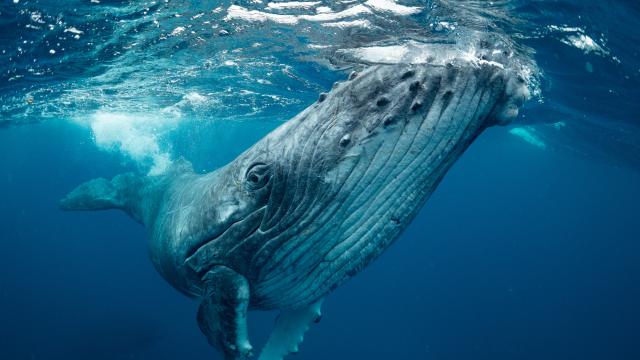
But we do know that though they are owned by no one, they are vital to all. We rely on the high seas for biodiversity, climate regulation and the wellbeing of billions of people. Many species found in UK waters - including basking sharks, bottlenose dolphins and salmon - depend on the high seas, migrating there to feed.
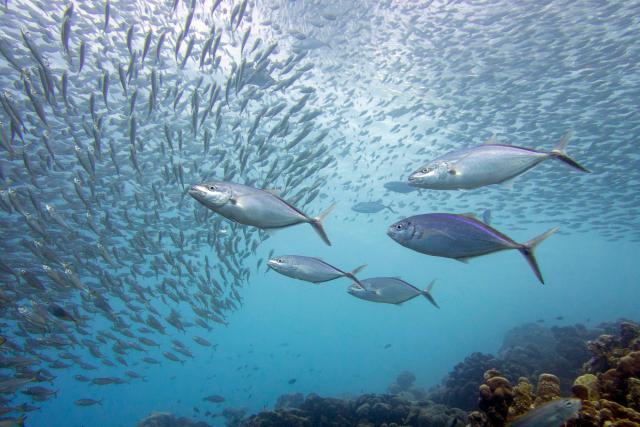
Until now, the high seas have been poorly managed, and now they’re in deep trouble. Only 1% is currently protected. Unsustainable fishing, shipping and deep-sea mining as well as pollution and climate change all threaten the high seas and their ecosystems.
Solution
The High Seas Treaty is a new global agreement designed to protect and manage the parts of the ocean that lie beyond any one country’s borders. These vast areas - known as the high seas - cover nearly half of the planet and include the open ocean, the water column that can extend an immense 10km at its deepest point, and the seabed below. A key objective of the Treaty is to make sure ocean life is used and protected responsibly, with countries working together to care for the high seas. Importantly, it will provide a legal framework and clear process for establishing networks of marine protected areas (MPAs) and other area-based management tools in international waters.
WWF has played a central role in shaping the High Seas Treaty from its earliest stages. From early consultations to the late-night negotiations that helped bring it to life, WWF experts from across our global network have worked to ensure the treaty delivers real conservation impact. Drawing on experience in fisheries management, the design of MPAs, and the protection of migratory species such as whales and dolphins, we helped strengthen the treaty’s provisions to put nature at the heart of this historic agreement.
results
The UK government introduced the necessary legislation for UK ratification of the HST in parliament on 10 September 2025 - a milestone that WWF-UK advocated for. Just days later, on 19 September 2025, the treaty reached its historic 60-country ratification threshold, triggering a 120-day countdown to its entry into force – marking a turning point for global ocean protection.
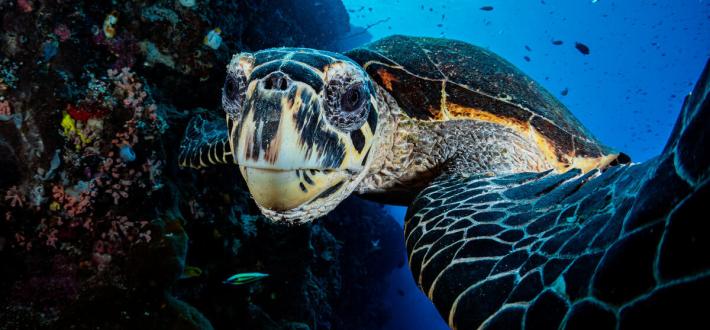
With the treaty set to take effect, WWF now plan to concentrate efforts by helping counties meet their commitment to protect 30% of the ocean by 2030. This includes our existing projects to identify and protect migratory blue corridors for whales and turtles and to inform and advocate for the creation of the first ever ocean-wide network of protected areas in the Arctic.
“This is huge for ocean conservation. It’s huge for many species that are found in the high seas, but it’s also huge for the billions of people that rely on healthy and resilient oceans.”
Rod Downie, Chief Advisor – Polar & Oceans, WWF-UK
Join WWF as a member