
Milestone for snow leopards in Nepal
Accurate at time of publication: 18 December 2025
Issue
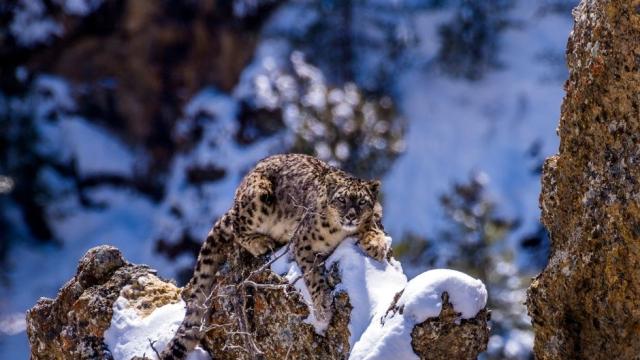
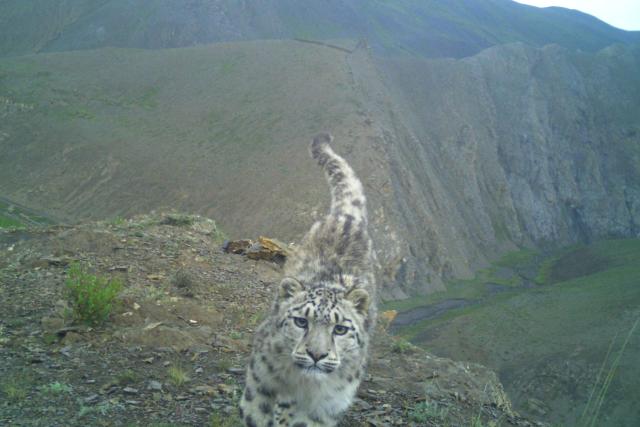
Snow leopards are one of the most understudied big cats because of their vast, remote geographical range. Less than 3% of snow leopard habitat has been scientifically surveyed for abundance.[1]

Solution
In April 2025, Nepal announced its first-ever national snow leopard population estimate using a robust methodology. This follows years of collaboration between WWF-Nepal, government agencies, and communities, with funding support from WWF-UK and other partners.
This study synthesised data from snow leopard surveys conducted between 2015 and 2024, in different regions across different years. This includes Kanchenjunga Conservation Area (KCA) – one of the regions surveyed with WWF-UK funding support.
results
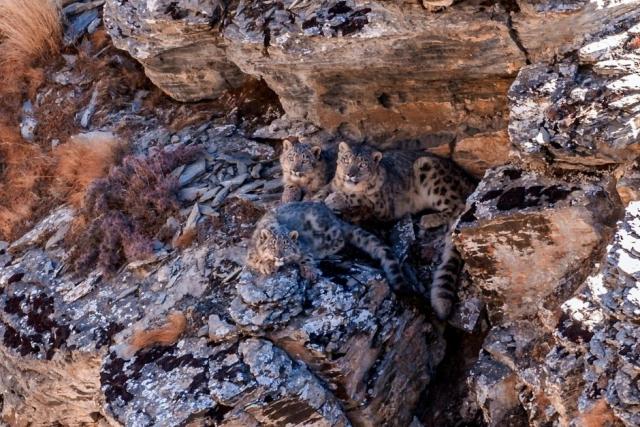
It is estimated that 397 of these big cats live within the country’s borders. This marks a major milestone in the conservation of the snow leopard, providing critical insights into the status of snow leopards and their habitats across Nepal.
The findings represent Nepal’s contribution to the Population Assessment of the World’s Snow Leopards (PAWS), which is a global effort to collate standardised and robust population assessments from right across all 12 snow leopard range countries. It was launched by GSLEP (Global Snow Leopard and Ecosystem Protection Programme) in 2019.
Adopt a snow leopard
Adopt a snow leopard
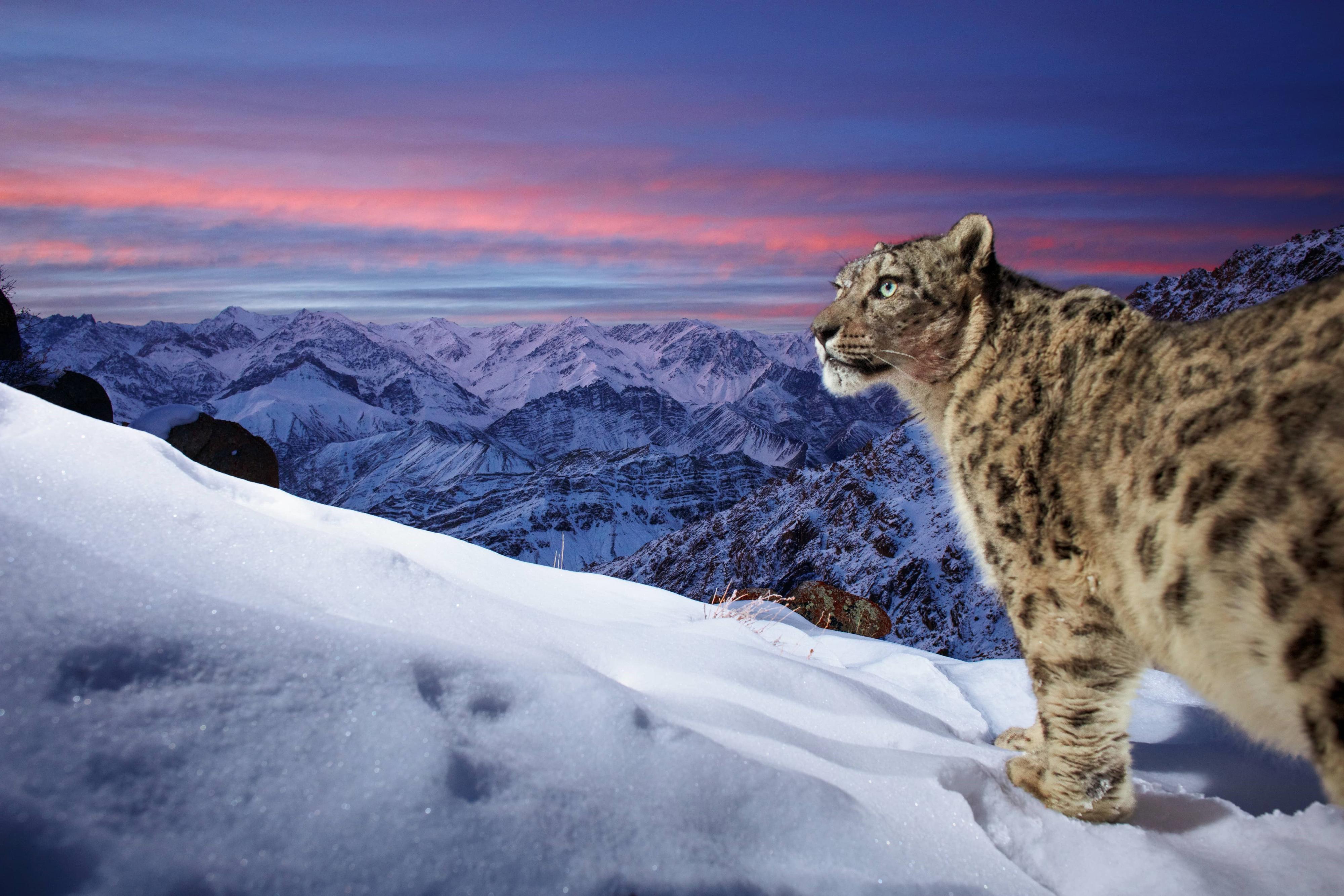
Powerful, captivating and incredibly vulnerable to poaching and reduction in prey. The elegant snow leopard is one of the world’s most elusive cats. Your adoptions will help protect snow leopards and help fund our other vital work around the world.