

In the past five years, Wales has experienced several extreme weather events including flooding, droughts and wildfires that have had a terrible impact on our communities and our environment.
WWF Cymru recently commissioned an independent report that explores the scale of flood risk in Wales and how we can use nature-based solutions to become more resilient in the face of increasing extreme weather events.
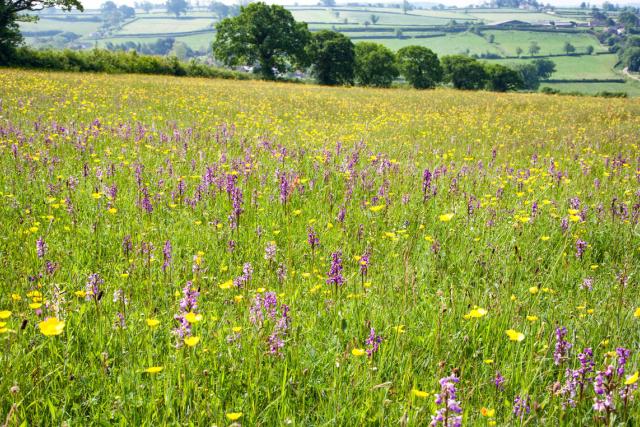
What is Natural Flood Management (NFM)?
Natural Flood Management (NFM) means using nature to slow the flow of water and store it in the landscape - helping to protect farmers and communities from extreme weather events such as floods and droughts.
Natural methods include things like tree planting, restoring wetlands and planting cover crops that allow the soil to retain more water.
As well as addressing flood risk, this approach has lots of other benefits for people and nature helping to reduce river pollution, increasing biodiversity and improving our food system.

The scale of flood risk in Wales
In Wales, there are 275,000 properties at risk of flooding. That’s around one in seven properties affected by damage. Analysis shows that with further climate change, around 4,200 properties in Wales could flood each year, costing about £93 million in annual damage.
In some places, authorities are finding it increasingly difficult to justify investment in flood defences and some difficult decisions have already been made about relocating people as, for example, in Rhondda Cynon Taf. Some coastal areas also face an uncertain future and maintaining existing sea defences is becoming less viable as time goes on.

Opportunities
As our climate becomes wetter and we experience more extreme weather, we can build on the work that’s already been done to promote natural solutions to this growing problem.
Wales has the evidence, political mandate and policy framework to support a significant scale-up in the delivery of nature-based solutions. NFM provides a scalable solution, which delivers multiple benefits and can help towards long-term resilience. And there’s also a significant opportunity for NFM investment to become mainstream.
Challenges
Despite the obvious benefits of growing nature-based solutions in this area, there are several challenges that need to be addressed. Although we have strong policy support, NFM is not used widely enough. It's often treated as a complementary or last resort measure when engineered options are too expensive.
We've seen investment in flood risk management in Wales increase recently. However, less than 2% of the total flood risk management funding for 2022-26 was directed at NFM.

“The Sustainable Farming Scheme in particular provides an excellent opportunity to connect farmers across landscapes to deliver nature-based solutions such as wetlands, tree planting, healthy soils and peatlands. If Wales is to become more resilient to the risks of future drought and flooding, we must embed working with nature as the norm, rather than the exception.”