
Project overview
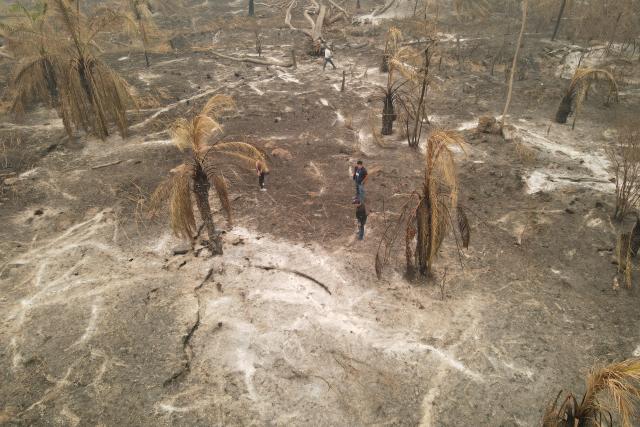
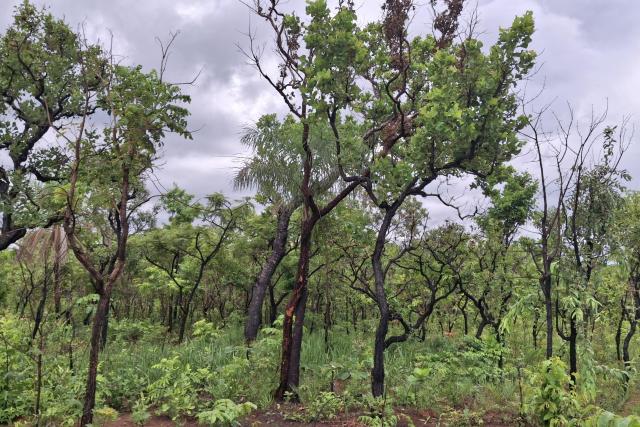
Five communities in the Chiquitanía Monte Verde Indigenous Territory embarked on a project to protect the forest home of the jaguar and learn more about the big cats living here. Everything was going well. Between 2023 and 2024, sustainable forest management and timber harvesting proved effective in conserving the forest and its wildlife, with population densities revealed with camera traps reflecting the health of the ecosystem. Jaguars were roaming the forest here. Until the fires came. Extreme blazes from May-September 2024 disrupted the balance.
In response, WWF-Bolivia and the Autonomous Departmental Government of Santa Cruz joined forces in a strategic alliance to carry out the pilot project “Communities Prepared Against Forest Fires”, with the aim of strengthening the resilience of the territory and communities against future fires.
Why we are doing it
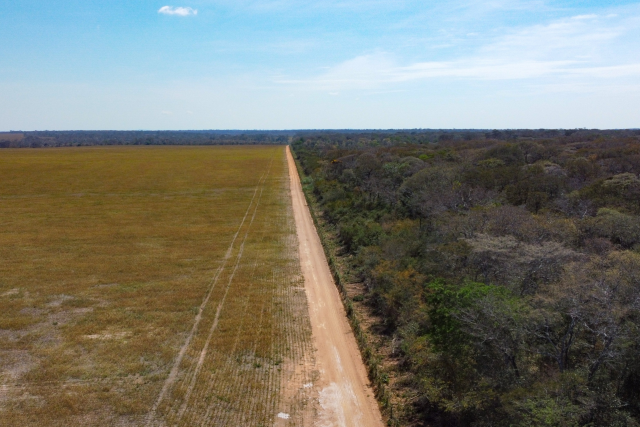
Deforestation for agriculture not only leads to habitat loss, but also drives people and wildlife, like jaguars, closer together. This can lead to human-jaguar conflict. The forests and communities of Chiquitanía, Bolivia, also face mounting threats from increasingly frequent and intense forest fires, worsened by climate change.
Following the 2024 fires, which saw millions of hectares burned in Bolivia, jaguar populations in Palmarito de la Frontera have taken a hit. All population indicators have declined, undoing years of conservation efforts. For example, in 2023, the community recorded 9 individuals, Mauri, Carmen, María, Ribera, Katy, Ceci, Tina, Vianca, and Paulino. Now there are only 5 showing on the camera traps.
Project impact
The fire left deep scars, but it also ignited a collective decision: to prepare better, to act sooner, to restore what was lost.
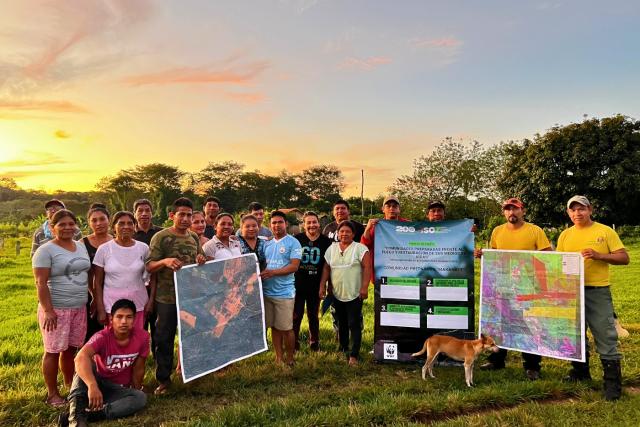
Seven communities are part of this ‘“Communities Prepared Against Forest Fires” initiative: Candelaria, Palmarito de la Frontera, Makanaté, Sagrado Corazón, Río Blanco, San José de Campamento and Colorado. Each community now has its own unique fire prevention plan, developed through a collaborative process that combines the technical knowledge of forest firefighters with the ancestral knowledge of Indigenous communities. The plans tailored to each community’s reality include actions such as creating water reservoirs in the forest for firefighting and convening with neighbouring communities to cooperate on fire management.
This is the first time that many communities have carried out this type of work. Along with causing damage, it seems fire can also sow the opportunity for change. This pilot project demonstrates that if we work together, forests can heal. Paulino’s story, a story of resilience, recovery and hope, gives us a real glimpse into the power of this work.
One jaguar's journey
The community of Palmarito de la Frontera call this Jaguar Paulino, seen here caught on camera in 2023. Paulino is the only jaguar recorded before and after the fires. The name honours Don Paulino Aponte, one of the community’s first leaders, respected for his commitment to the forest.
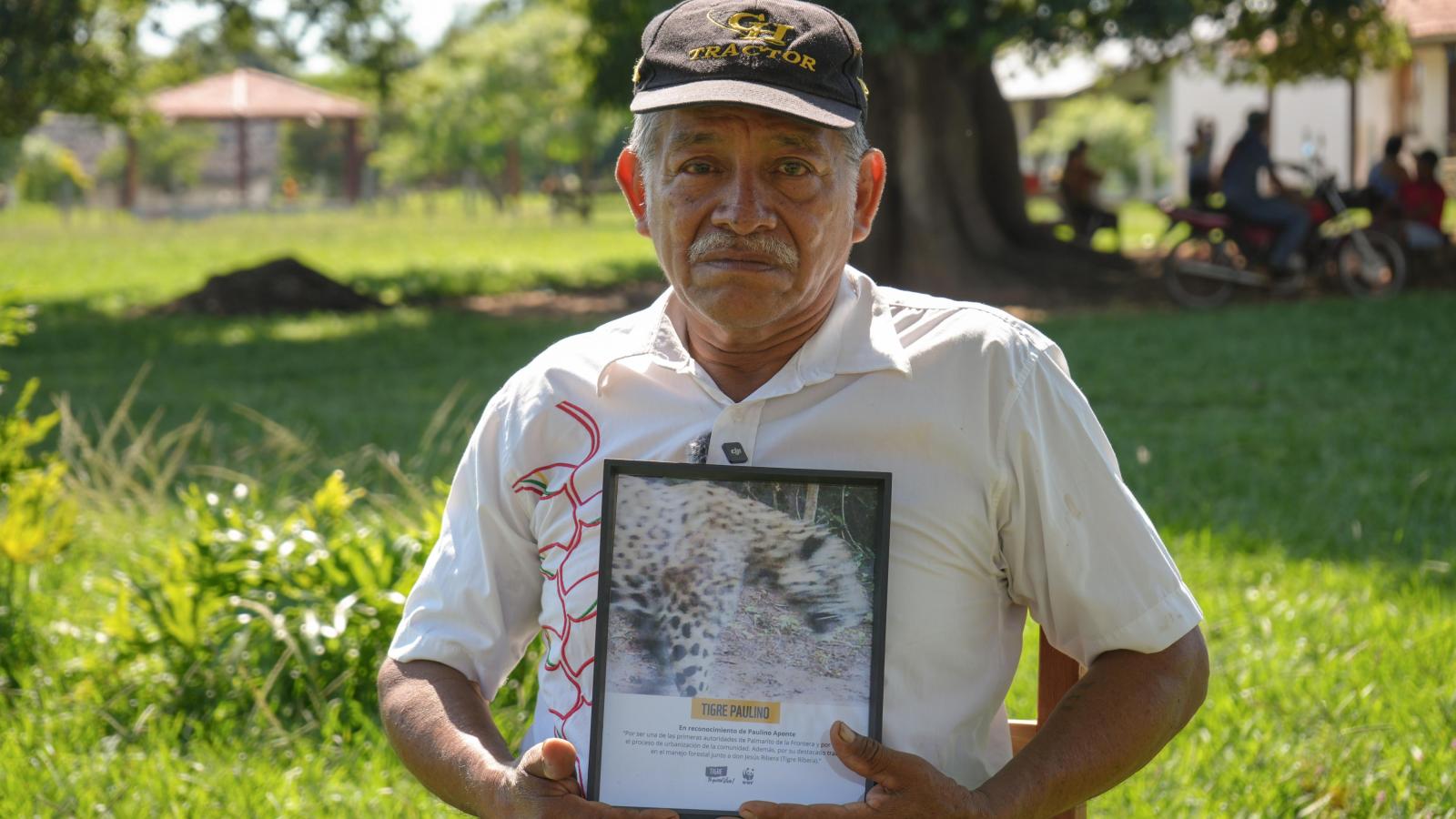
“It was a pleasure for me, because naming a jaguar in my honour is something that will remain as a reminder for the entire community.”
Post-fire camera trap
Post-fire camera trap monitoring in 2025 brought heavy news for the Palmarito de la Frontera community and the WWF-Bolivia team – with jaguar population density declining to only a third of pre-fire levels. But as the team reviewed each video clip in despair, something appeared that brought joy and renewed hope. Among all other absence of familiar feline faces, Paulino appeared, prowling the territory just as he had done in 2023.
Next steps
The WWF-Bolivia team highlight that the forests ravaged by fires in 2024 are in the process of recovery, reinforcing the importance of their work with communities to safeguard the forest from future fires and loss.
It is essential to redouble efforts to protect forests and prevent fires. Only through concrete and collaborative actions can we avoid new tragedies and ensure the balance between communities, biodiversity and the natural environment. WWF-Bolivia, more than ever, remains committed to protecting livelihoods and wildlife.
Adopt a jaguar
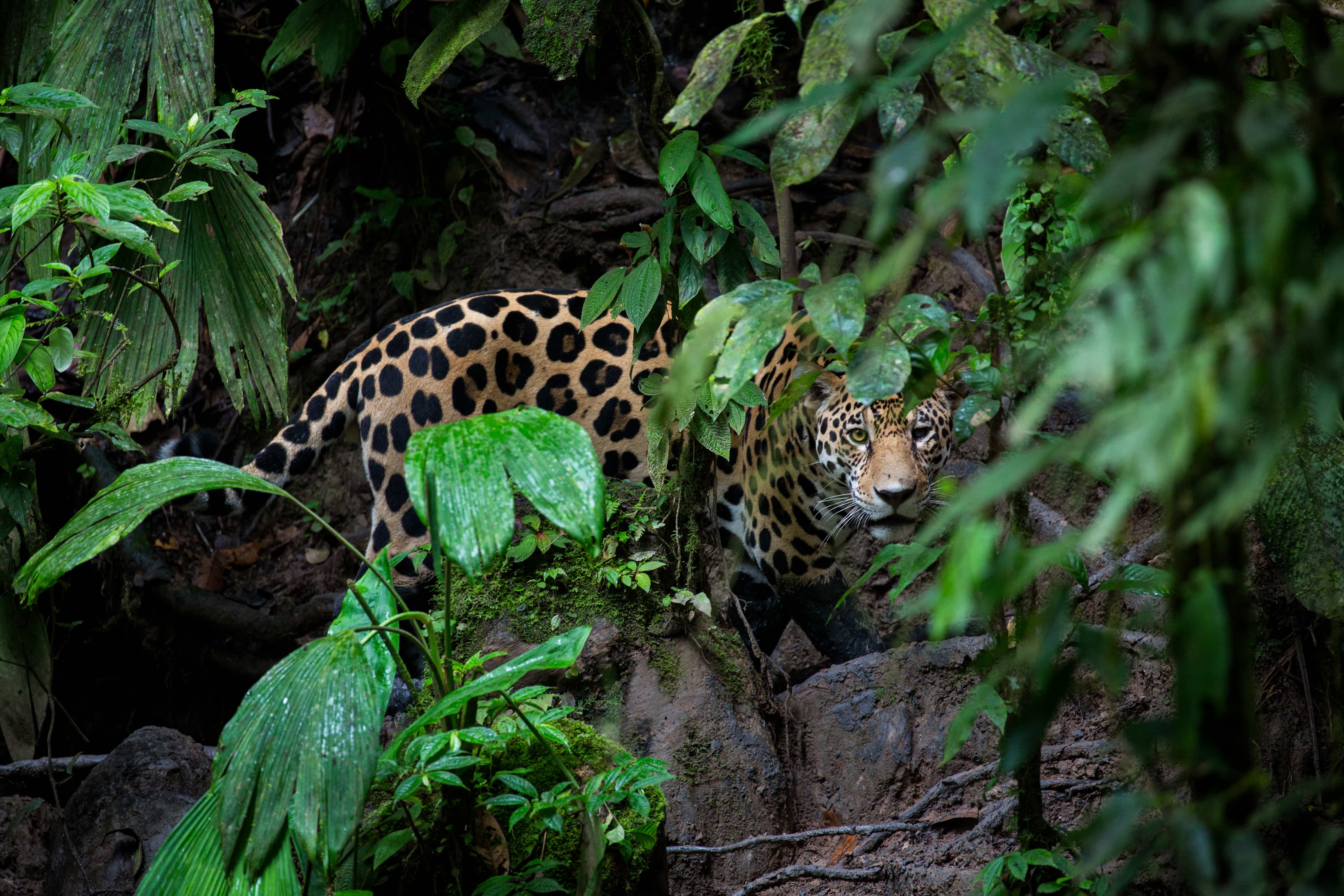
Adopt a jaguar
Your adoptions will help protect jaguars in the Amazon and help fund our other vital work around the world. When you choose an animal adoption, you are supporting both your chosen animals as well as wider work to help bring our world back to life.