
Tiger recovery in India
WWF’s goal is to secure a viable future for wild tigers across their historic range, in coexistence with Indigenous Peoples and local communities.
Project overview
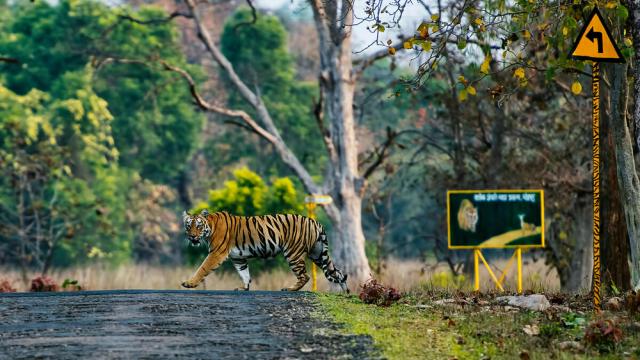
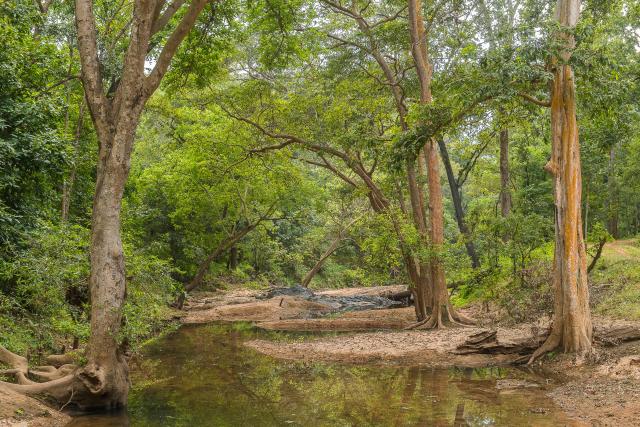
WWF-UK are supporting conservation programmes in tiger landscapes across Asia, including two priority tiger landscapes in India: Terai Arc Landscape (India-Nepal transboundary landscape), and the Central India Landscape.
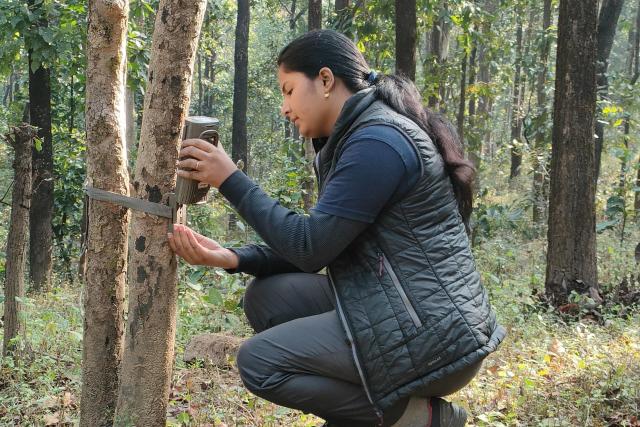
WWF-UK funds have helped to support tiger recovery in India through work such as camera trap wildlife monitoring and data analysis, strengthening protection against poaching, managing and reducing human-tiger conflict, and maintaining and improving habitat connectivity.
Why we are doing it
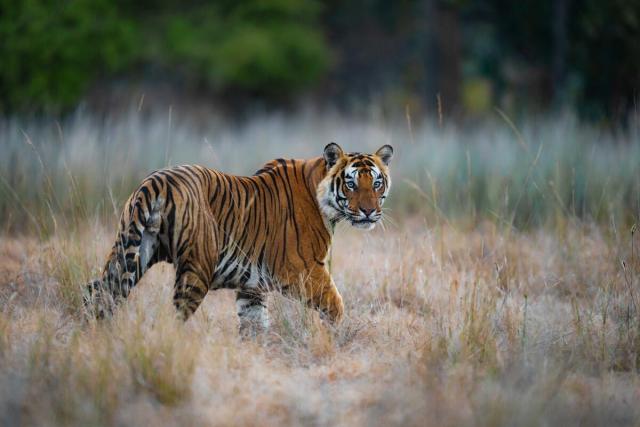
Global tiger numbers plummeted to a record low of as few as 3,200 in 2010 – a mere shadow of the roughly 100,000 that once roamed Asia just a century earlier.
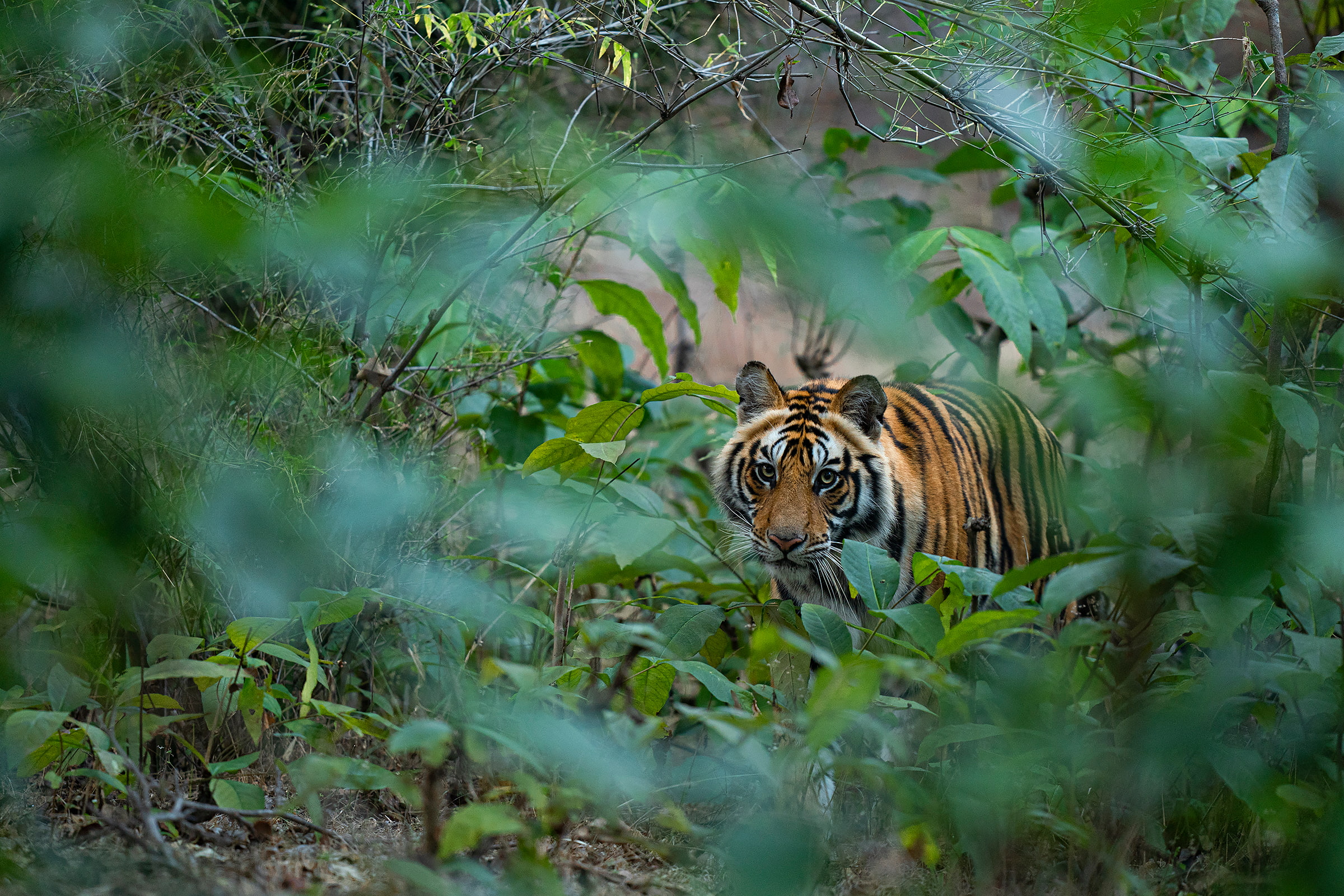
India is home to more wild tigers than any other country. An estimated 3,682 tigers roam the nation’s forests and grassland habitats – and around 16% of this population dwell within the Central India Landscape.
As tiger populations recover and human populations grow, the risk of human-tiger encounters increases. In some cases, tigers fall victim to retaliatory killings. Attacks on livestock and people can lead to rising conflict and intolerance among local communities—an outcome that is devastating for both people and wildlife.
Project impact
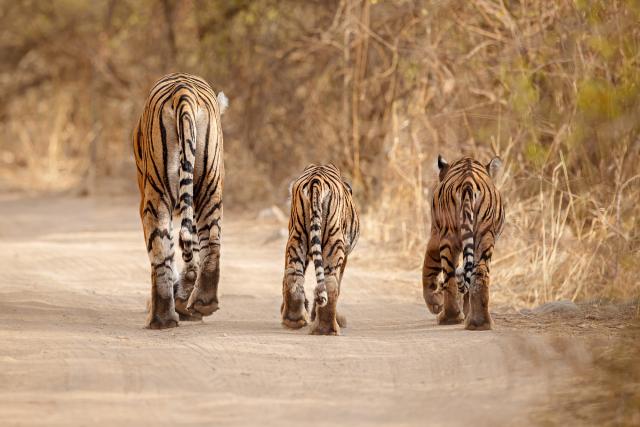
In recent years India has seen remarkable recovery in tiger numbers within many of the tiger reserves, successfully doubling its population – amid some of the highest human population densities in the world.
Today, thanks to the historic global TX2 goal set in 2010 – to double wild tiger numbers by 2022 – the decline in global tiger populations has been halted. WWF played a vital role in this achievement, working alongside the governments in tiger range countries and receiving crucial support from local communities.
Next steps
India’s tiger reserves have made a hard-won recovery in recent years, but challenges remain. Across all tiger landscapes, these apex predators still face relentless threats from habitat loss and poaching.
Achanakmar Tiger Reserve (ATR) in Central India was once a vital corridor between Kanha and Bandhavgarh, but years of depletion have left its ecosystem fragile. By 2017, only 5 tigers had been seen using camera traps, alongside declining herbivore populations. In 2024, 10 tigers were spotted.
Now identified as a crucial tiger recovery landscape, ATR is on the path to restoration. With support from WWF-UK, WWF-India is working with the Chhattisgarh Forest Department to create conditions for tiger recovery while supporting local communities.
Adopt a tiger
Adopt a tiger
Your adoption will help fund tiger conservation projects such as monitoring their populations and improving protection against poaching, and will also help fund other vital work around the world. When you choose an animal adoption, you are supporting both your chosen animals as well as wider work to help bring our world back to life.