
Training rhino monitors
With support from WWF-UK, over 170 rhino monitors underwent training in Kenya on rhino monitoring and reporting in 2025.
Project overview
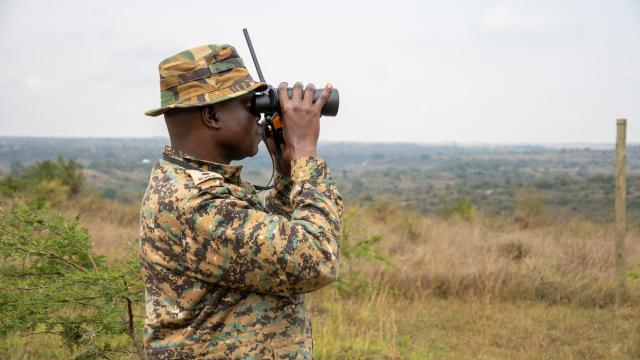
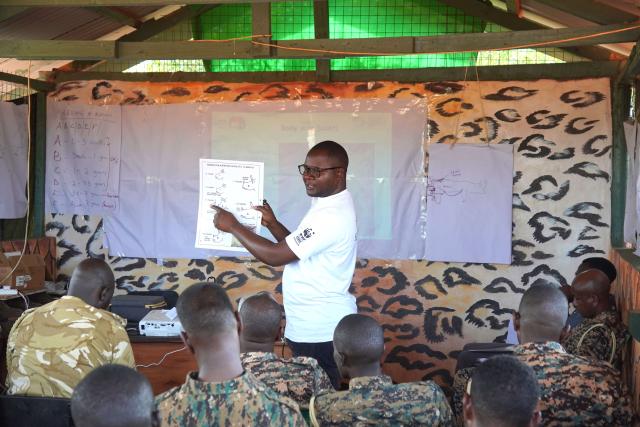
WWF is supporting the training of rhino monitors to help safeguard rhinos. This includes learning about rhino biology and behaviour, patrol and tracking techniques, surveillance, map work, rhino identification, ageing and sexing, body condition assessment, and data collection.
The training was conducted using the revised Kenya Rhino Monitoring Guidelines and Protocols curriculum, updated with WWF’s support in 2024.
"Rhino monitoring training enhances the skills of field rangers to monitor and protect the free-ranging populations of rhinos. It focuses on training the rangers to conduct effective patrols and accurately record information on rhinos — including location, sex, age, body condition, identification of individual rhinos, and reporting. This information is later analysed to generate accurate population estimates and performance metrics to inform management decisions at both site and national levels — i.e., translocation of rhinos to establish new rhino areas and enhance existing ones, ear-notching of rhinos to aid individual identification, and timely interventions for sick and injured rhinos."
Kenneth Ayegio, Rhino Programme Officer at WWF-Kenya.
Why we are doing it
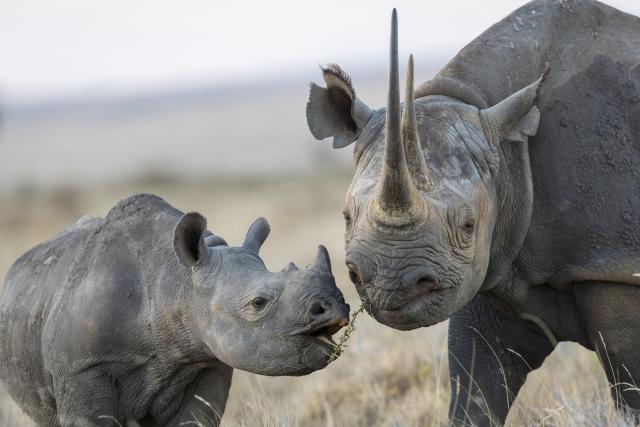
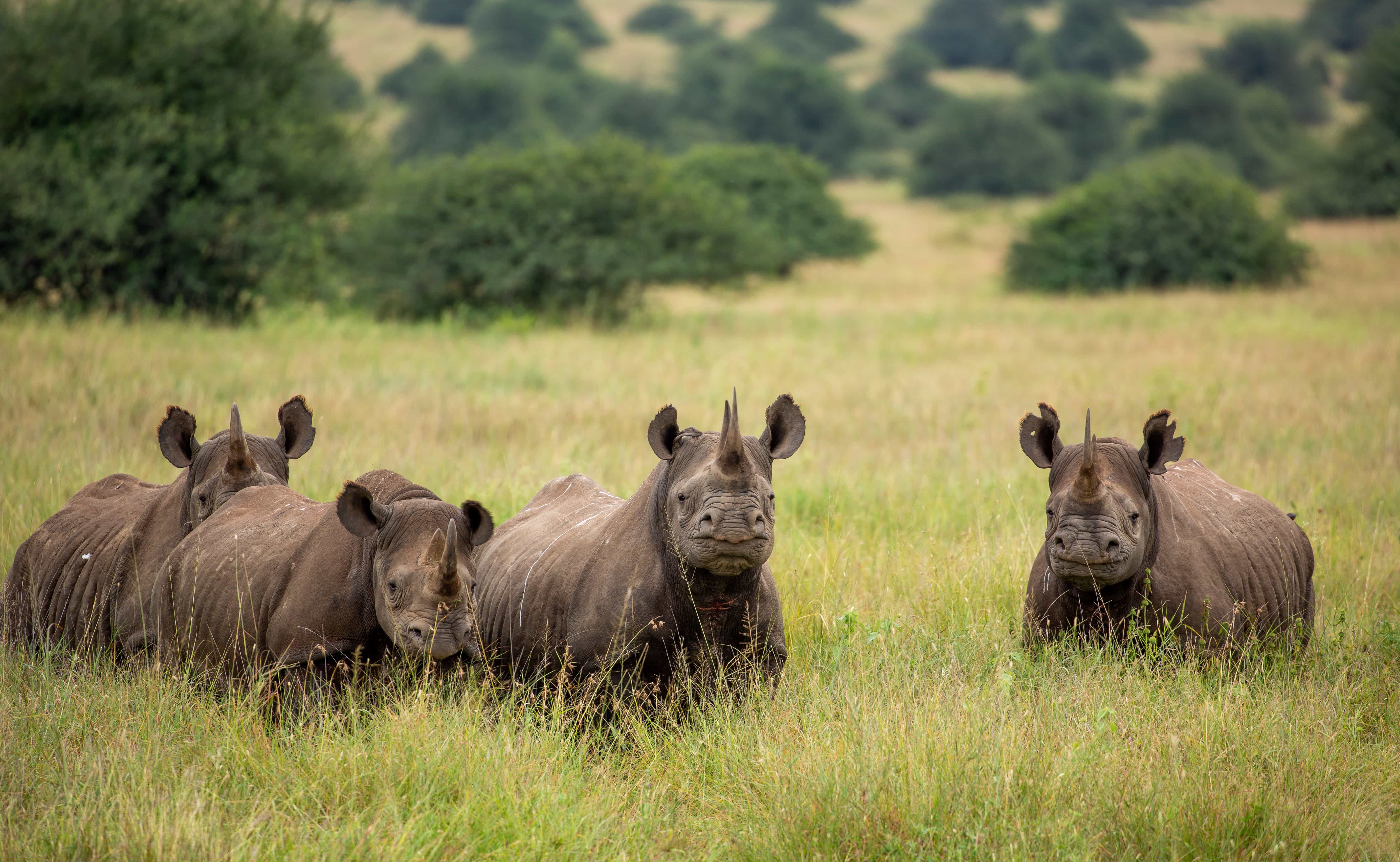
Kenya’s black rhino population passed an exciting milestone in 2024, surpassing 1000 rhinos. This ‘unimaginable’ comeback from fewer than 400 in the 1980s is evidence of the impact of ongoing conservation efforts in Kenya.
But the critically endangered black rhino still needs protection. Relentless pressures from poaching, habitat loss and increased frequency of droughts continue to threaten the future survival of this iconic species.
Project impact
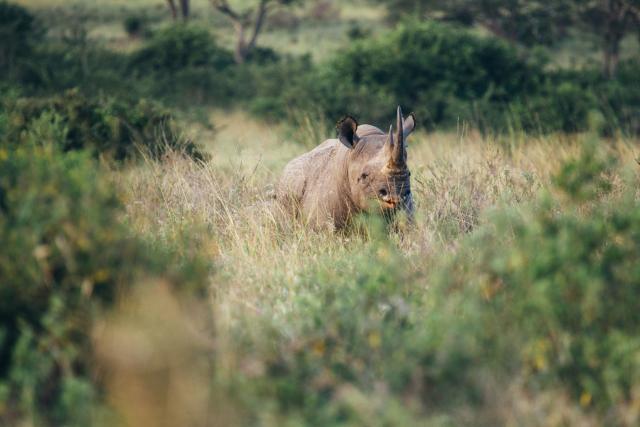
Since the start of 2025, 170 rhino monitors underwent training on rhino monitoring protocols and reporting procedures.
Equipped with this knowledge and skills, these monitors can conduct vital work to reduce poaching levels and contribute to black rhino population growth.
Adopt a rhino
Adopt a rhino
Relentless poaching for their horns and loss of their natural habitats, has led to a catastrophic fall in black rhino numbers, but populations are now on the rise. Your adoptions will help protect rhinos in Africa and help fund our other vital work around the world.