Zero Poaching in the Greater Virunga Landscape
With funding from the UK Government’s Illegal Wildlife Challenge Fund, WWF is collaborating with local partners to strengthen efforts to address illegal wildlife trade in the Greater Virunga Landscape.
Project overview
We're developing a transboundary monitoring and learning system as well as coordination mechanisms to allow governments and communities to share their knowledge and insights on illegal wildlife trade and use this learning to inform practical, locally appropriate responses. We are also supporting the government agencies responsible for addressing illegal wildlife trade by strengthening their capacity to collect and analyse relevant data. Through these combined efforts, we aim to reduce illegal wildlife trade across the Greater Virunga Landscape.
WWF is working with the Greater Virunga Transboundary Collaboration (GVTC); the Protected Area Authorities of Uganda, Rwanda and the Democratic Republic of Congo (DRC); partners (International Gorilla Conservation Programme, Wildlife Conservation Society, TRAFFIC); and local communities in the Greater Virunga Landscape.
This is a three-year project (from August 2024 to June 2027) and is funded by the UK Government through the Illegal Wildlife Challenge Fund.

Why we are doing the project
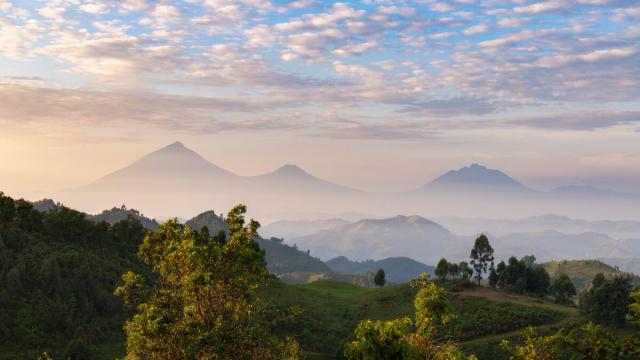
The Greater Virunga Landscape is one of Africa’s most biodiverse ecosystems containing more threatened and endemic vertebrate species than anywhere else across the continent. It encompasses a network of protected areas across the DRC, Rwanda and Uganda, and is home to globally important populations of elephants, hippos, chimpanzees and mountain gorillas.
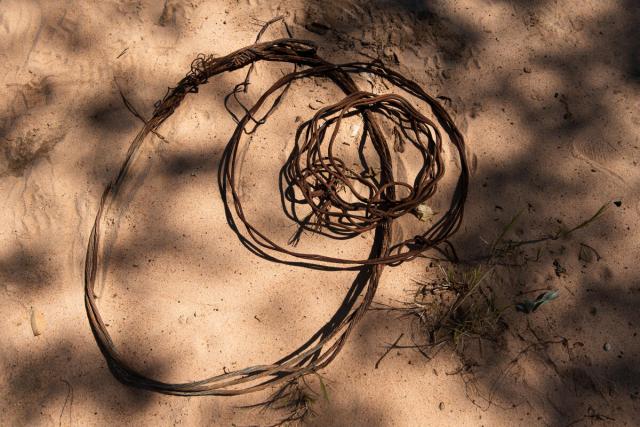
Despite its significance, the Greater Virunga Landscape faces numerous threats. The region is one of the most densely populated in Africa, and in some areas, up to 80% of people live in poverty, relying heavily on natural resources for survival. Poaching and illegal wildlife trade remain major conservation issues, with the region serving as a source location, transit route, and end market for illegal wildlife products.
A lack of harmonised information gathering and sharing mechanisms, including perspectives from local communities, hinders cross-border efforts to address illegal wildlife trade in this transboundary landscape. To feed into this, standardised data on wildlife and threats is needed from the Protected Area Authorities in Uganda, Rwanda, and the DRC and managers need the skills to interpret this data. Currently the capacity to do this is limited.
Project impact
The project is:
- Developing a regional illegal wildlife trade monitoring dashboard, underpinned by a data sharing agreement and framework, to enable data sharing across the Greater Virunga Landscape.
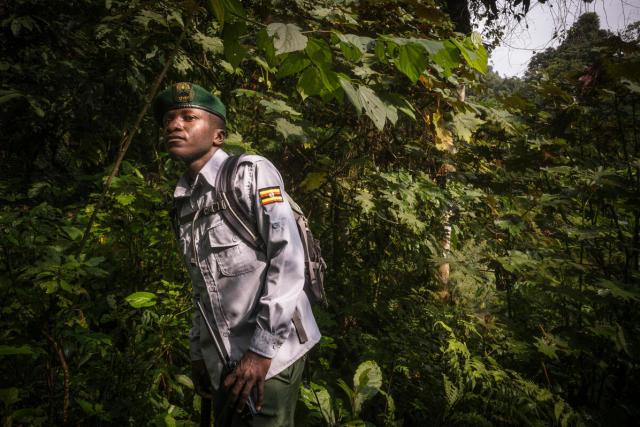
- Training law enforcement agencies in monitoring tools that enable the adaptive management of efforts to tackle the illegal wildlife trade.
- Establishing transboundary collaboration mechanisms to enable governments and communities across the Greater Virunga Landscape to share information and learning on illegal wildlife trade to promote cross-border collaboration and cooperation.
Adopt a gorilla
Adopt a gorilla
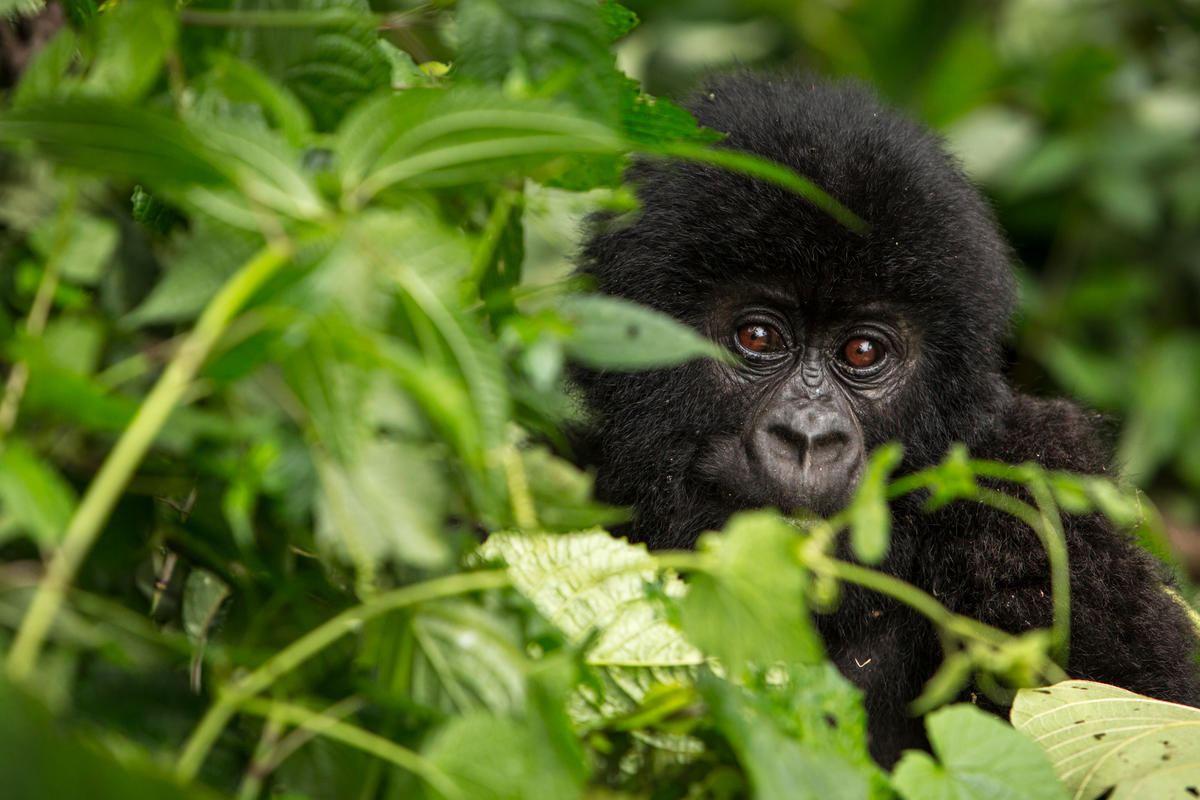
Your adoptions will help protect and ensure the long-term survival of mountain gorillas, and help fund our vital work around the world. When you choose an animal adoption, you are supporting both your chosen animals as well as wider work to help bring our world back to life.