
AstraZeneca
We’ve been working with global biopharmaceutical company AstraZeneca since 2018 to enhance water stewardship practices across their value chain and within the pharmaceutical sector.
How we’re working together
AstraZeneca recognises that clean freshwater is fundamental to both human health and the production of medicines. Because the pharmaceutical sector depends on consistent access to clean water, the company is building partnerships and working collaboratively to tackle the interconnected climate, water, and nature crises.
Using the WWF Water Risk Filter, we’ve been supporting AstraZeneca to deepen their understanding of their exposure to water-related risks and how to address these challenges. Together, we aim to share lessons learned and support others within the pharmaceutical sector and beyond to progress their water stewardship journeys.
Through our partnership we’ve published a series of reports, guidance and case studies to help and inspire further adoption of water stewardship practices across the pharmaceutical sector and support collective action to protect and restore freshwater ecosystems around the world, including:
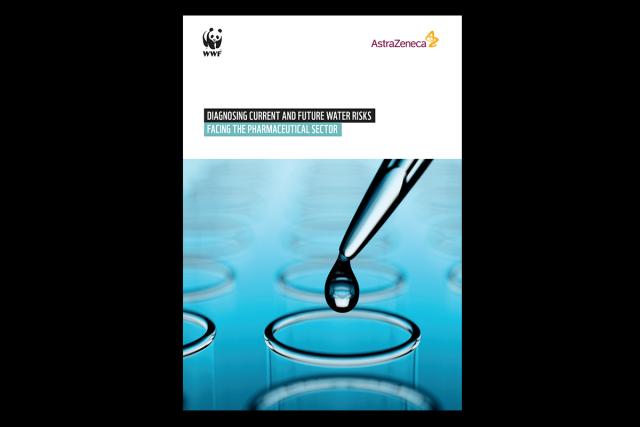
- Diagnosing Current and Future Water Risks Facing the Pharmaceutical Sector - a joint report into the shared water challenges faced by pharmaceutical companies in key geographies.
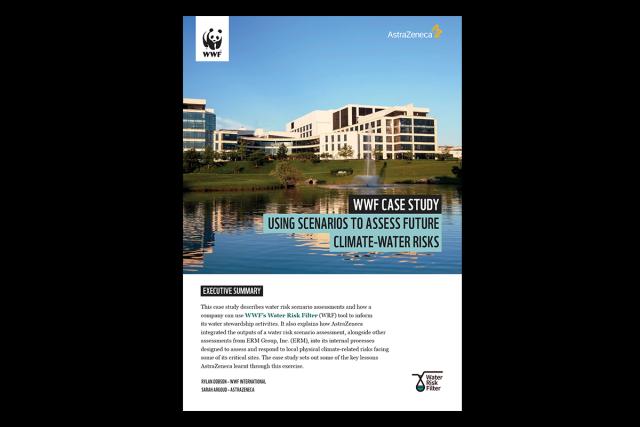
- Using Scenarios to Assess Future Climate-Water Risks – a case study into corporate water risk and the application of WWF’s Water Risk Filter tool.
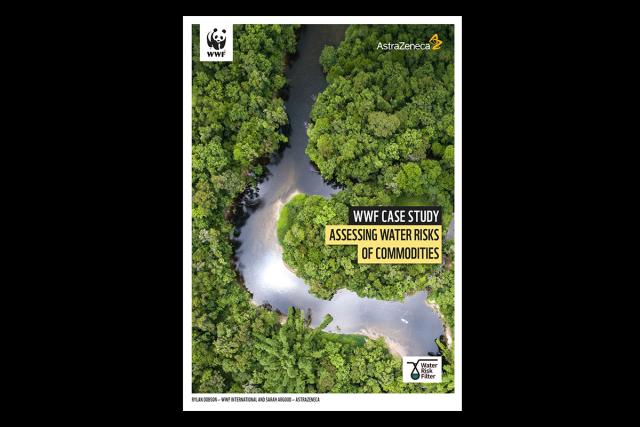
- Assessing Water Risks of Commodities - a case study into water risk and the key commodities of palladium and palm oil.
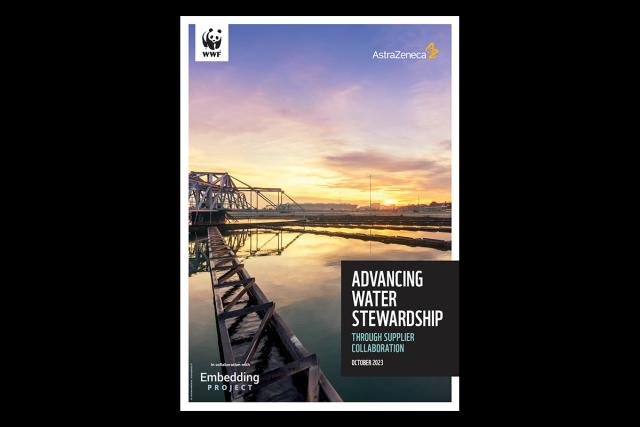
- Advancing Water Stewardship Through Supplier Collaboration – a guide to help companies collaborate with their suppliers on water stewardship.
Enabling scalable collective action in priority basins
- Together, we’re addressing shared water challenges by establishing scalable approaches to collective action, starting in Lerma-Chapala in Mexico and Taihu in China – two of the one hundred priority river basins identified by the UN. Through our partnership, we’ve published a pathway for how collective action on water stewardship can better deliver impact at scale.
- In both basins, WWF and AstraZeneca are partnering with local communities, businesses and government agencies, aiming to drive action for healthy people and healthy ecosystems across these regions.
Inspiring best practice across the sector
-
 © WWF
© WWFDiagnosing Current and Future Water Risks faced by the sector
MoreClose A report exploring the shared water challenges faced by the pharmaceutical sector in key geographies and recommendations for tackling them.
-
 © WWF / AstraZeneca
Using Scenarios to Assess Future Climate-Water Risks
MoreClose A case study into corporate water risk and how a company can use WWF’s Water Risk Filter tool to inform its water stewardship activities. It explores how AstraZeneca integrated the outputs of a water risk scenario assessment to assess and respond to local climate-related risks facing some of its critical sites.
-
 © WWF / AstraZeneca
Assessing Water Risks of Commodities
MoreClose A case study into AstraZeneca’s use of the WWF Water Risk Filter to understand risks linked to palladium and palm oil, some of their most strategically important commodities.
-
 © WWF / GlobeScan
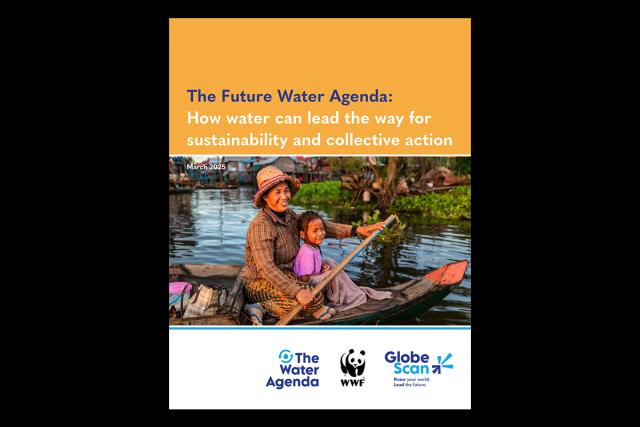
Future Water Agenda Report
MoreClose Groundbreaking insights developed by GlobeScan, WWF and a number of companies including AstraZeneca, to help companies strengthen water stewardship, advance collective action on shared global and local water challenges and engage stakeholders.
-
 © WWF
© WWFAdvancing Water Stewardship Through Supplier Collaboration
MoreClose A guide from WWF and the Embedding Project with support from AstraZeneca to help companies collaborate with their suppliers on water stewardship.
-
 © WWF
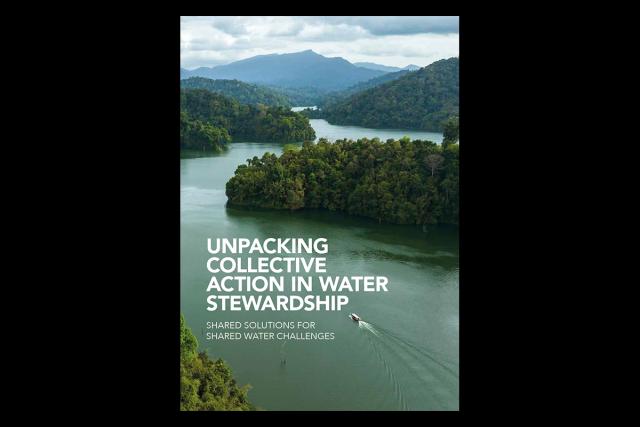
© WWFUnpacking Collective Action in Water Stewardship
MoreClose A joint paper supported by AstraZeneca, bringing together range of leading NGO voices in the water stewardship community to propose a comprehensive pathway for collective action on freshwater to better deliver impact at scale.
/
Why we’re working together
Water is essential for people and planet. Healthy freshwater environments supply water for drinking, growing crops, manufacturing, energy and transport. Freshwater habitats are some of the richest areas of biodiversity and have been the source of some of the most effective medicines we use, as well as being a source of knowledge and inspiration for medicines yet to be discovered.
WWF’s Living Planet Report shows freshwater wildlife populations have decreased by 85% since 1970, which is a catastrophic risk not only to wildlife, but to our economies and human health too.
Protecting and restoring freshwater habitats is therefore essential AstraZeneca as a business and core to WWF’s mission to bring our world back to life.