Our rivers and lakes are vital for people and wildlife
We all need the fresh water they provide – so let’s look after our rivers and wetlands.
Why our rivers and wetlands are so important
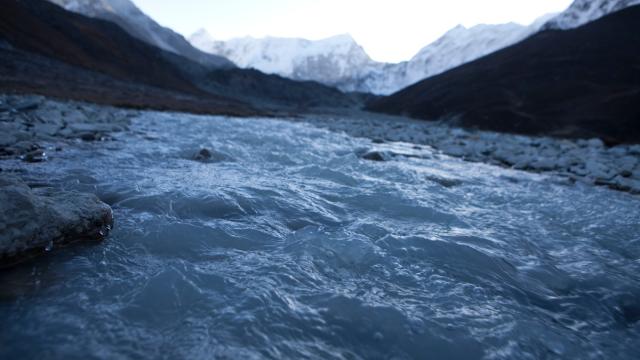
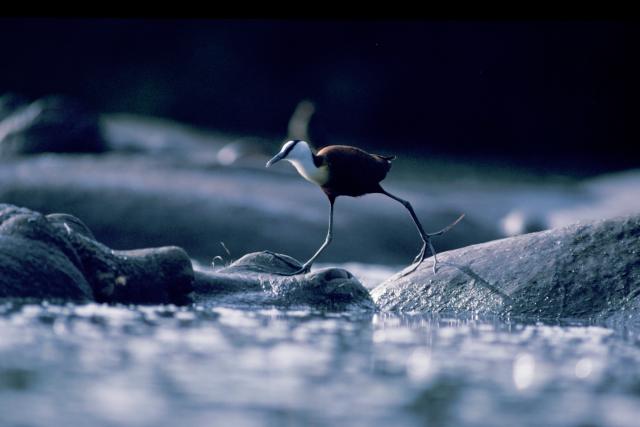
Well, where do we start? Rivers, lakes, wetlands and other freshwater environments supply water that we need for drinking, growing food and other crops, producing energy and manufacturing all sorts of products. Rivers also act as transport routes and they provide fish that feed tens of millions of people. Wetlands and lakes provide important flood protection… In other words, we couldn’t manage without them.
So why haven’t we taken better care of these vital resources? The truth is that far too many of our rivers, wetlands and ‘aquifers’ (layers of rock underground where water is naturally stored) have been badly damaged or allowed to deteriorate.
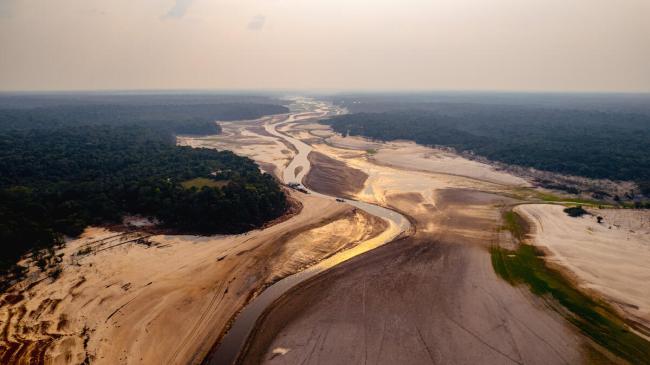
In the last century, two thirds of the world's precious wetlands were lost. Numbers of freshwater animals have declined by three quarters since 1970. People have been affected too. The drying of rivers and wetlands, along with increased pollution, have damaged livelihoods and affected human health.
There’s actually enough water in the world for people and wildlife – but it needs to be used more wisely. We're working hard to protect and manage freshwater resources around the world.
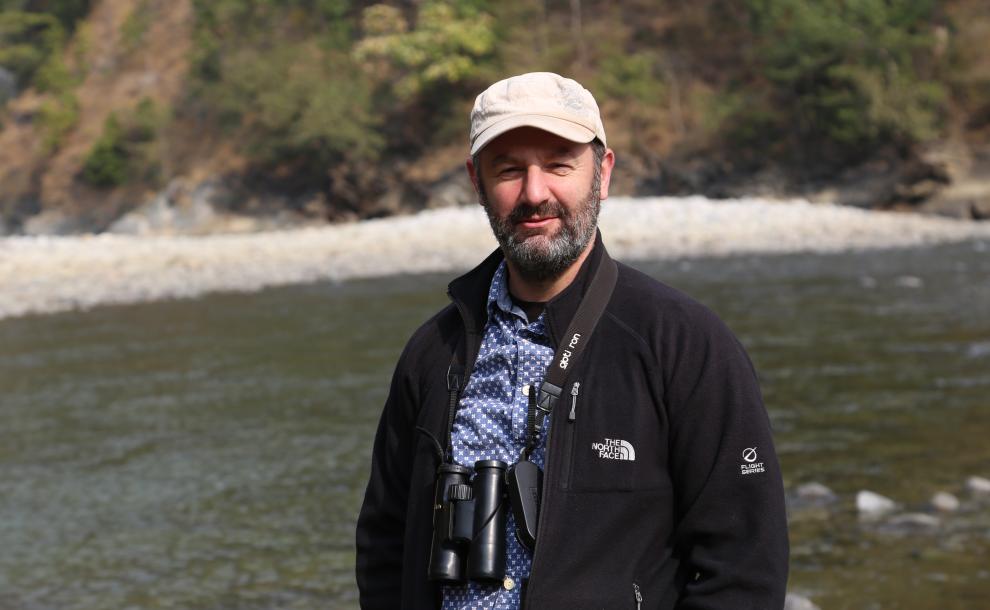
"I’m fascinated by rivers. They're dynamic, mysterious and they're home to incredible wildlife. The trouble is, our rivers are under pressure as never before. We’re constantly striving to tackle the big problems facing rivers like the Yangtze, the Mara and the Ganges, working in partnership with scientists, communities, governments and businesses. It’s challenging but very rewarding work."
Chief adviser for freshwater
Rivers and lakes we're working in
-
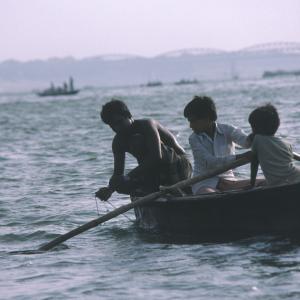
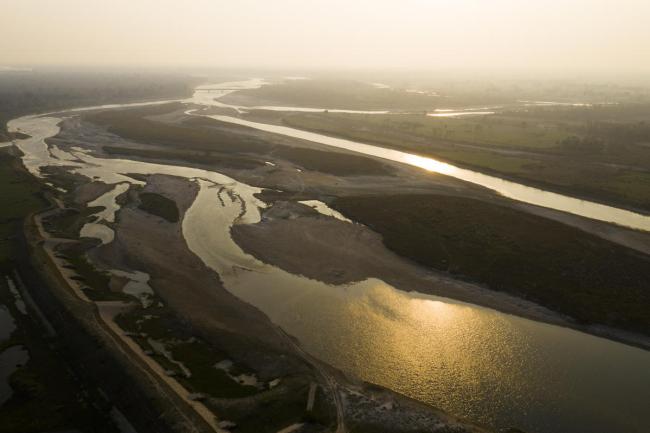
The Ganges: India's sacred river
The Ganges river starts its 2,500km journey from the Himalayas to the Bay of Bengal, meandering through one of the world's most amazing regions.
-
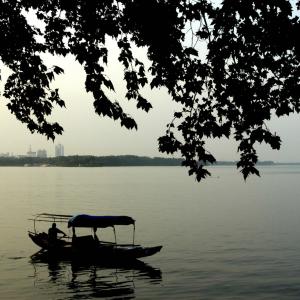
The Yangtze - Asia’s longest river
Asia’s longest river is rich in wildlife – but it’s also one of the world’s most polluted waterways.
-
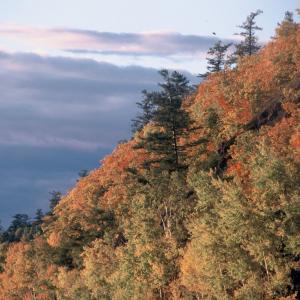
Amur (Heilong) River Basin
The Amur (Heilong) river basin of north-east Asia has some of the world's most intact and extensive temperate forests and home to amazing life
-
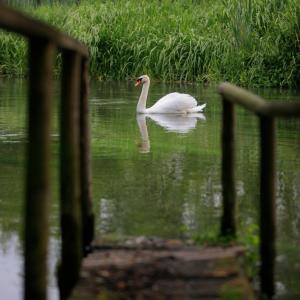
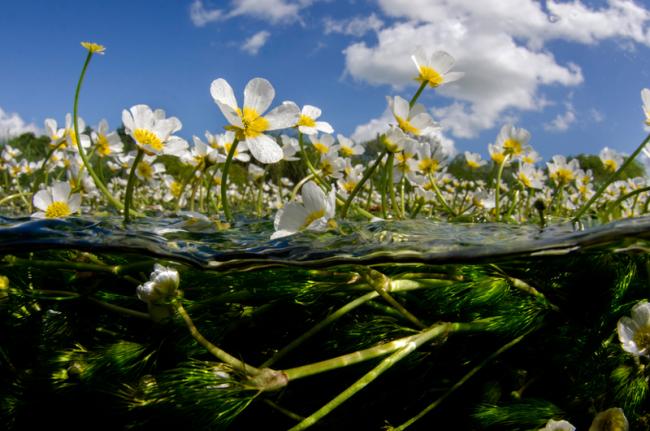
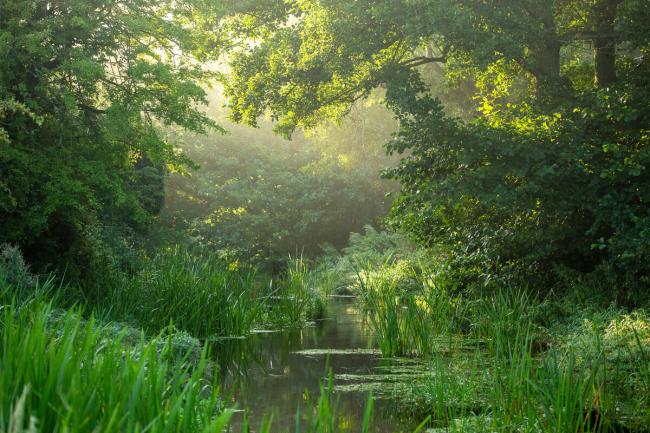
UK rivers and chalk streams
The picturesque rivers flowing through the British landscape is a vital source of fresh freshwater for homes, businesses and wildlife.
-
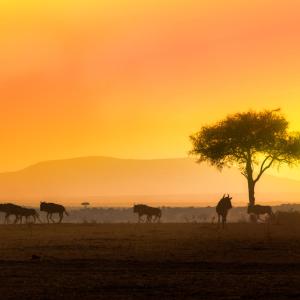
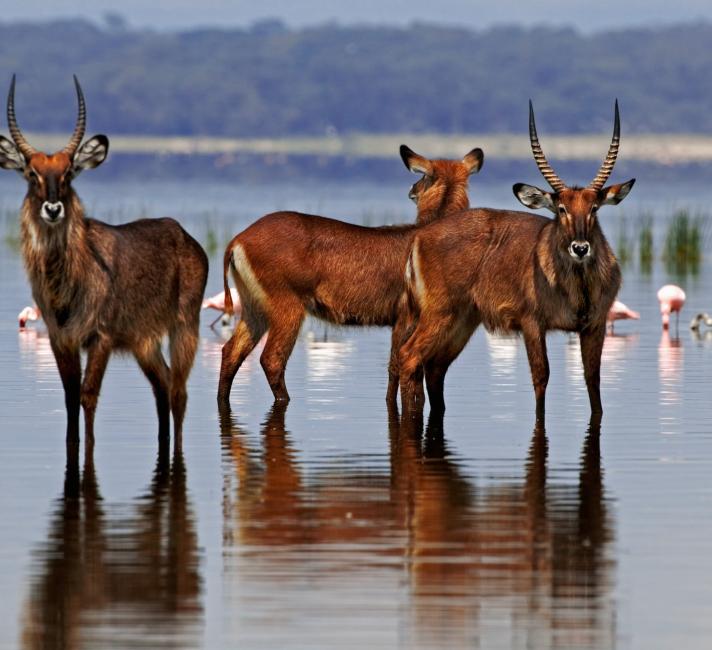
The Mau Mara Serengeti is under threat
The Mau Mara Serengeti area is one of the oldest, least disturbed natural environments.
/
-
 © Day's Edge Productions / WWF-US
 -
 © WWF-US / J.J. Huckin
 -
 © Bryan and Cherry Alexander Photography
 -
 © Martin Harvey 2004
How we're helping with freshwater
-
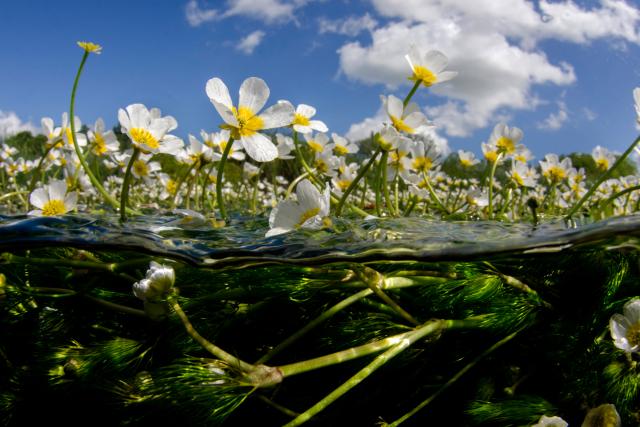
How we're caring for our rivers
MoreClose We’ve been providing support on two river catchments in East Anglia. So far, we’ve improved 7km of river and replenished 300 million litres of water.
-
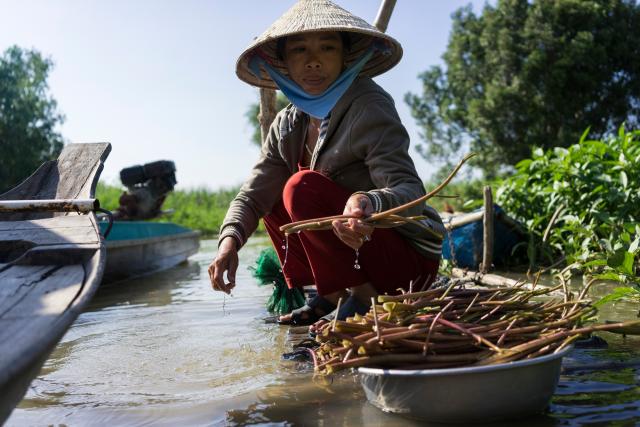
Get involved in water stewardship
MoreClose We've developed tools to help businesses identify their water risks and opportunities and get involved in water stewardship.
-
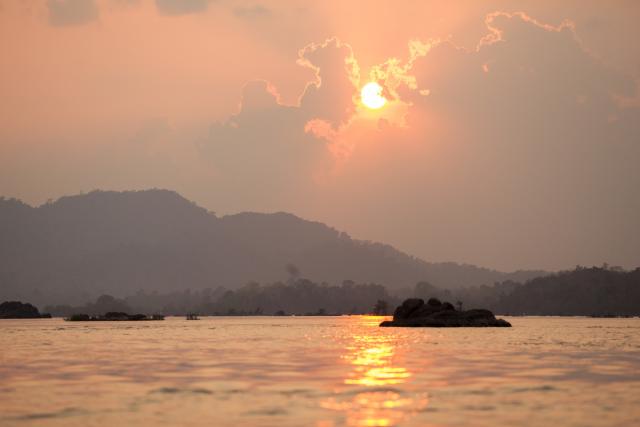
Working with business to improve our freshwater
MoreClose We see business as a key ally in helping us find solutions through water stewardship.
-
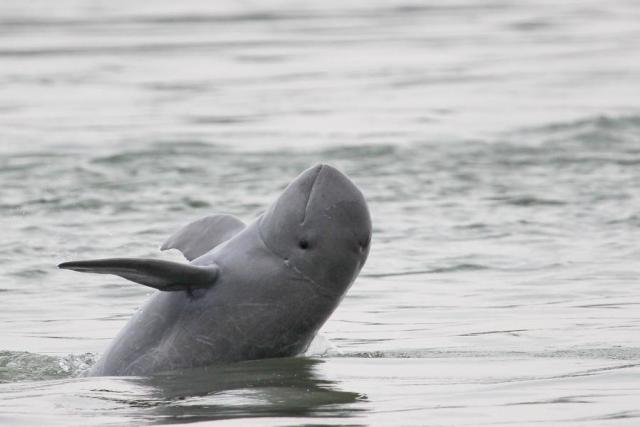
How we're managing water better
MoreClose We're working with communities, governments and businesses worldwide to promote joined-up approaches to water management.
-
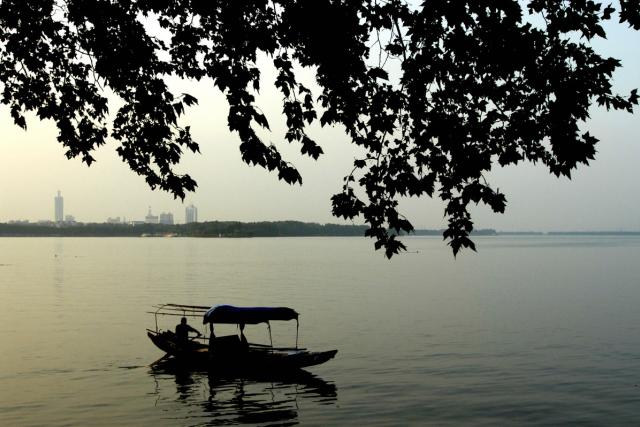
Strategic water management in the 21st century
MoreClose Discover our books that bring together experiences and lessons from around the globe on better planning and managing our precious water resources.
-
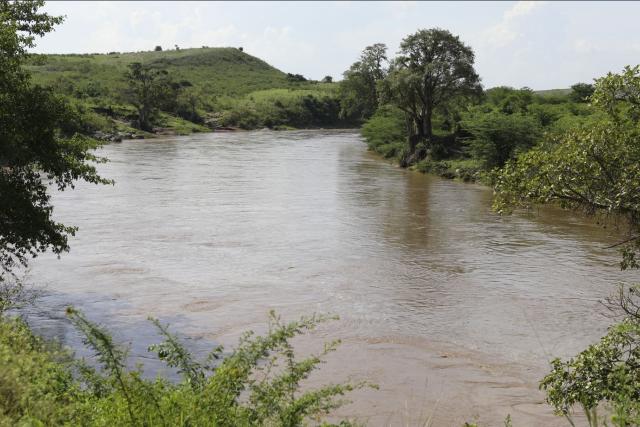
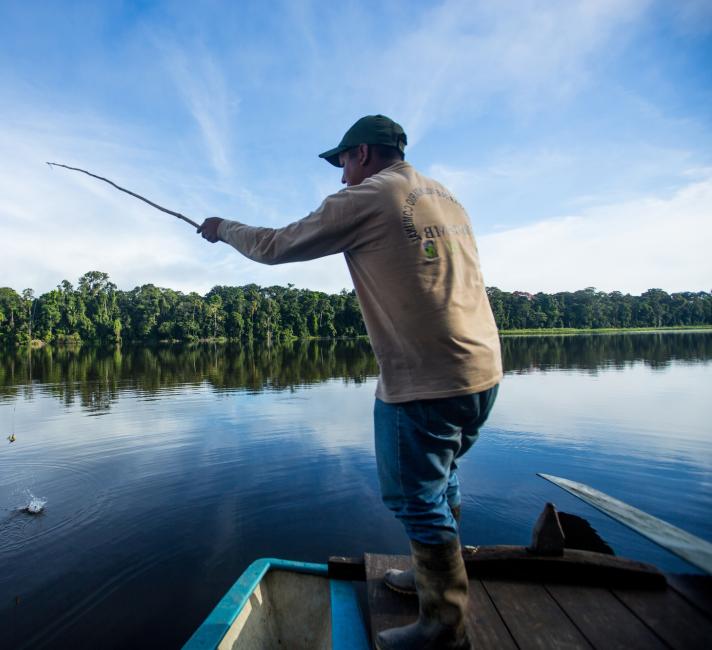
Sustainable fisheries in the Mara wetlands
MoreClose The UK Government’s Darwin Initiative funds WWF collaborative work with local partners on sustainable fisheries management in Mara wetlands, Tanzania.
-
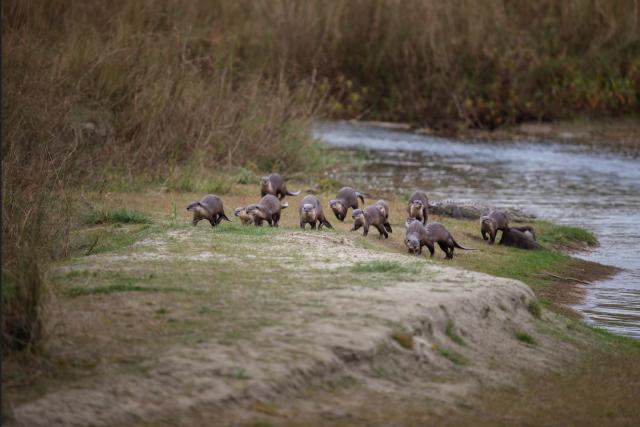
Conserving Otters in the Karnali
MoreClose Strengthening communities’ livelihood and stewardship to conserve Otters in the Karnali.
-
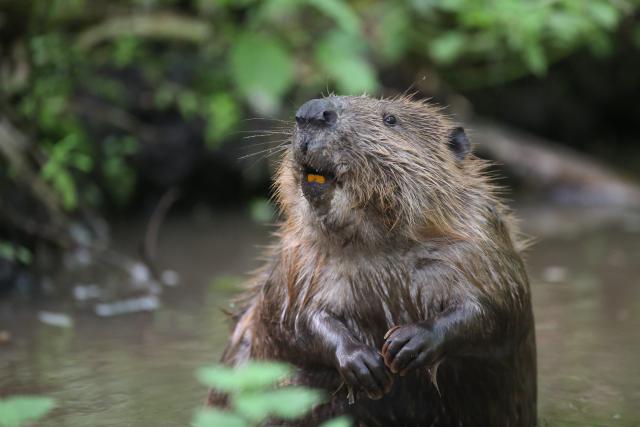
Beavers Bringing Hope
MoreClose We’re working in partnership with Norfolk Rivers Trust (NRT) to bring our world back to life by restoring Norfolk’s rivers and wildlife.
-
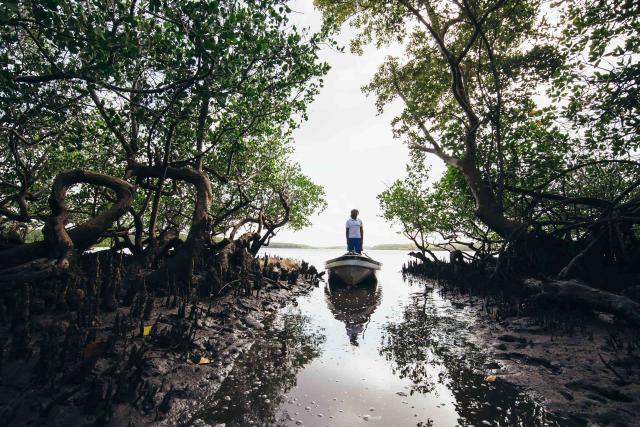
Solutions for the future
MoreClose Led by WWF-Kenya and Kenya Red Cross, this project is supporting people in Lamu County, Kenya to prepare for the impacts of climate change and extreme weather.
-
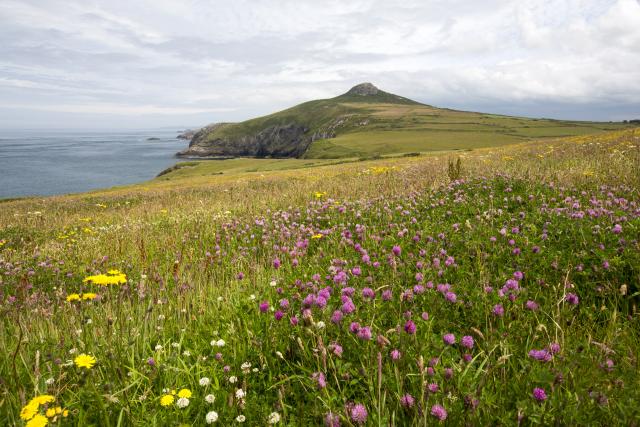
Pembrokeshire Wholescape
MoreClose Pembrokeshire is one of three locations across the UK where the Wholescape approach is being put into action.
-
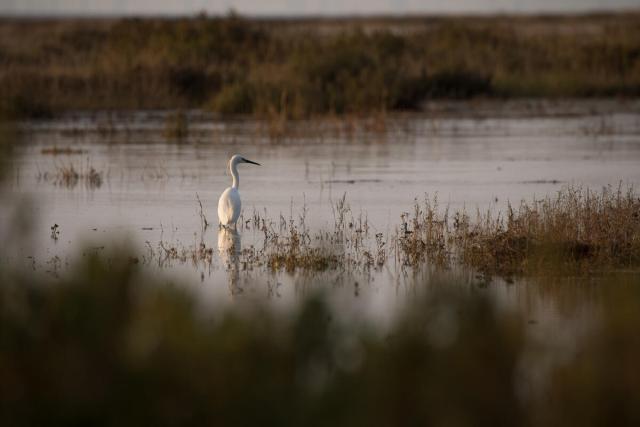
North Wales Saltmarsh Project
MoreClose We’re working in North Wales to assess existing saltmarsh and grow education resources around saltmarshes.
-
Cyflawnwedd Sir Benfro
MoreClose Mae Sir Benfro yn un o dri lleoliad ledled y DU sy’n rhoi’r ymagwedd Cyflawnwedd ar waith.
-
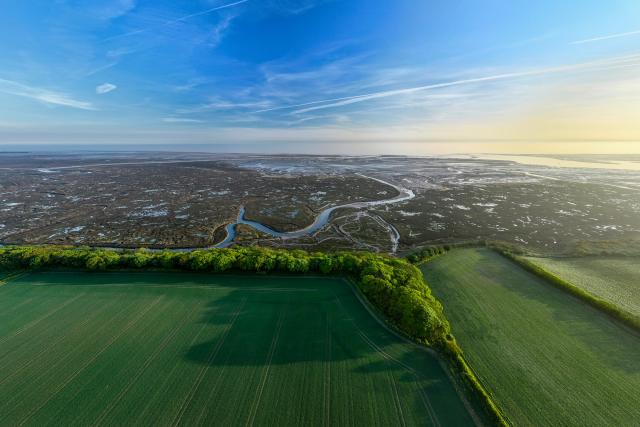
Norfolk Wholescape
MoreClose Norfolk is one of three locations across the UK where the Wholescape approach is being put into action.
-
Prosiect Morfeydd Heli Gogledd Cymru
MoreClose Rydym yn gweithio yng ngogledd Cymru i asesu’r morfeydd heli presennol a thyfu’r adnoddau morfeydd heli sydd ar gael.
-
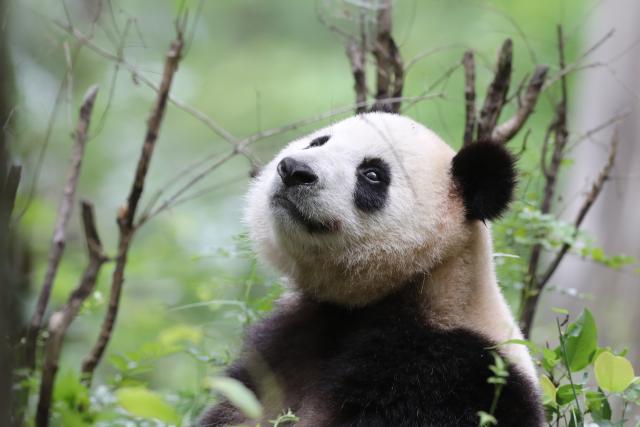
Energy-Efficient Cookstove and Carbon Reduction
MoreClose Since 2010, WWF has worked through its Energy-Efficient Cookstove and Carbon Reduction Project in Meigu County, safeguarding the habitat of the giant panda.
-
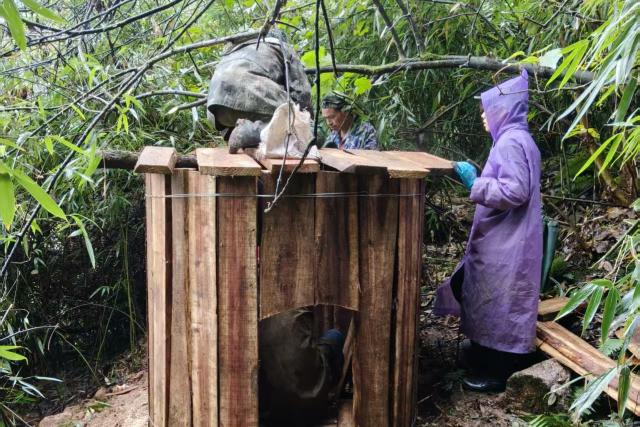
Panda dens
MoreClose WWF supported the construction of a ranger monitoring station and built panda dens for mothers and cubs.
-
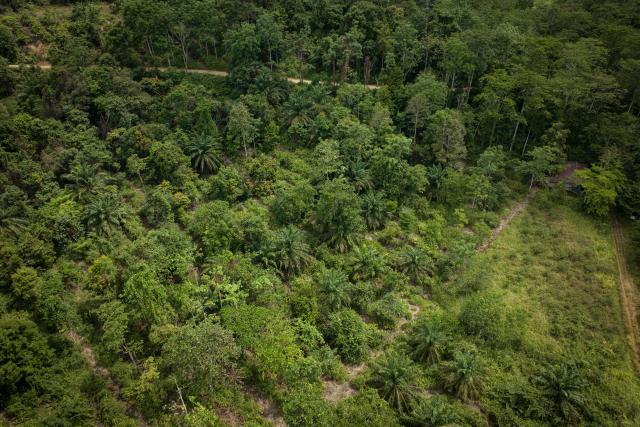
Orangutan Oasis: Restoring Mt Wullersdorf
MoreClose WWF-UK is supporting restoration work in the Mt Wullersdorf Wildlife Corridor, to improve habitat connectivity to restore populations of orangutans.
-
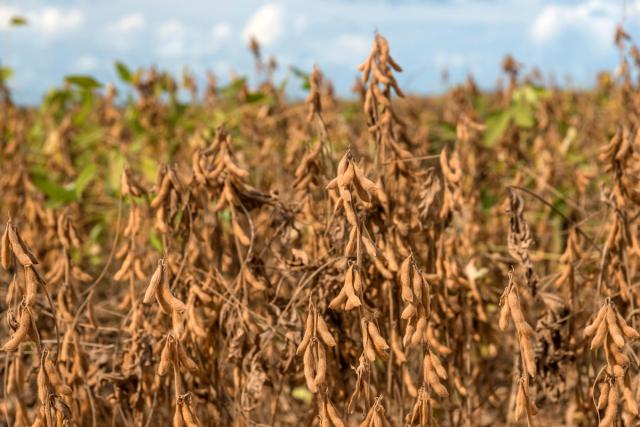
The soy moratorium
MoreClose The Amazon Soy Moratorium stopped traders from buying soy grown on land cleared after 2008, helping protect the Amazon rainforest. Now its under threat.
-
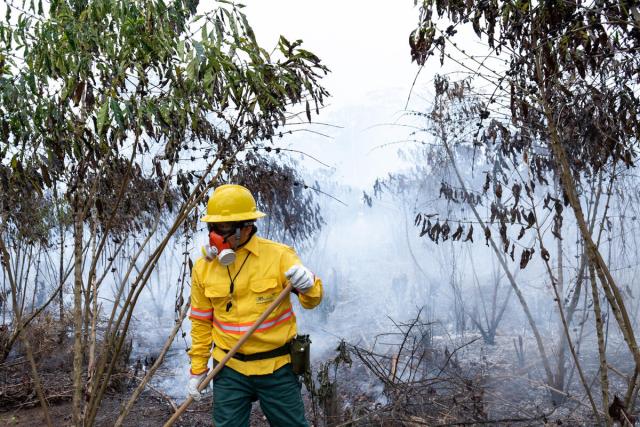
Preparing the Amazon for a hotter, drier future
MoreClose El Niño is adding pressure to an already vulnerable Amazon. WWF is helping communities, scientists and partners prepare for fire, drought and extreme heat.
/