KPMG International
Working together with WWF to restore landscapes and ensure people are placed at the heart of the net-zero transition.
Placing people at the heart of the transition
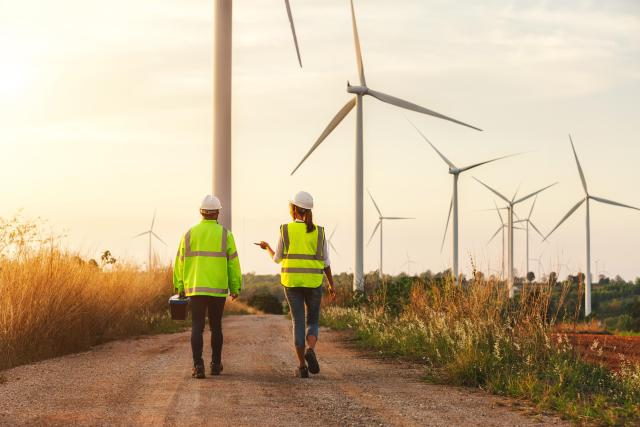
During London Climate Action Week 2026 we released the results of our global business survey - The Path to Resilience: A people-centric transition to a net-zero, nature-positive economy.
Survey insights show that business leaders around the world strongly support the transition to a net-zero, nature-positive economy and see it essential to future growth and resilience. However, most are not yet connecting the social impacts of the transition with their environmental targets.
- 9/10 business leaders believe companies should take steps to limit their environmental impact
- 8/10 agree business have a responsibility to ensure the transition is fair
- Only 35% of those surveyed are currently integrating social issues into their transition plans, and only 22% say they are taking specific action to manage the social impacts of the transition
- The report also shows there’s a risk of a two-speed transition. Larger organisations are often further ahead, while SMEs and businesses in more constrained markets face greater barriers, leaving some able to move quickly and others at risk of falling behind.
Protecting the Amazon in Colombia
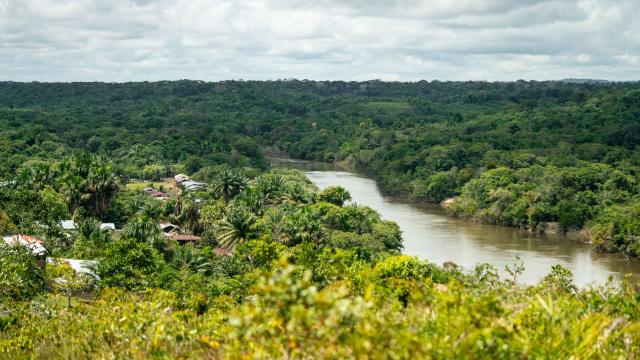
The Amazon is one of the most important biomes on the planet, providing vital benefits to people and climate. The ongoing advance of deforestation is the greatest threat to its health and long-term survival.
In the Colombian Amazon, there is pressure on communities displaced by years of civil war to clear forests to support their livelihoods, including in and around the edges of protected areas. WWF and local partners are working with these communities to generate income from standing forest – through timber and non-timber forest products, as well as tourism.
KPMG International and WWF’s planned impact by 2030:
- Key biodiversity areas are effectively protected and jaguar and river dolphin numbers are stabilised.
- Community territories are effectively managed.
- Production systems are nature-positive, allowing the restoration of degraded ecosystems and increasing connectivity.
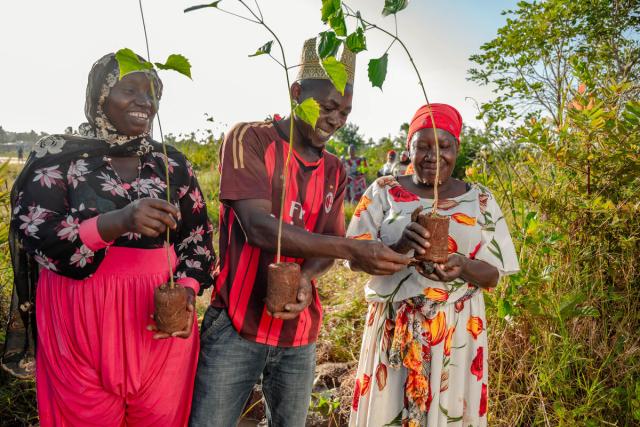
Trillion Trees reforestation fund
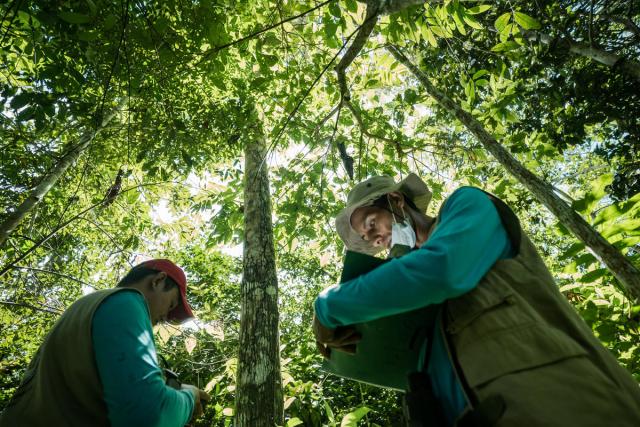
Trillion Trees is a collaboration between BirdLife International, Wildlife Conservation Society and WWF. Its ReForest Fund aims to end forest destruction and degradation and promote high quality forest restoration across a portfolio of sites around the world. The fund works to return the right trees to the right places, at the right time, using a science-led, participatory approach in landscapes where it is appropriate to return forests to.
KPMG International and WWF’s planned impact by 2030:
- KPMG International funds aim to support forest restoration work across a portfolio of sites in East Africa using a science-led approach to ensure the restoration of degraded forests in key biodiversity hotspots that include Uganda, Tanzania and Kenya, monitoring them as they grow.
- Restoration in areas where there are long-term conservation programs already under way, protecting some of the world’s most biodiverse and important areas.
- Engage and involve local communities and stakeholders along the way to design restoration that positively affects their lands and livelihoods and improves their wellbeing over the long term.
For more information about network-wide KPMG ESG commitments, accountability and progress, please refer to the company’s ‘KPMG: Our Impact Plan’.