
1. Seek out green spaces
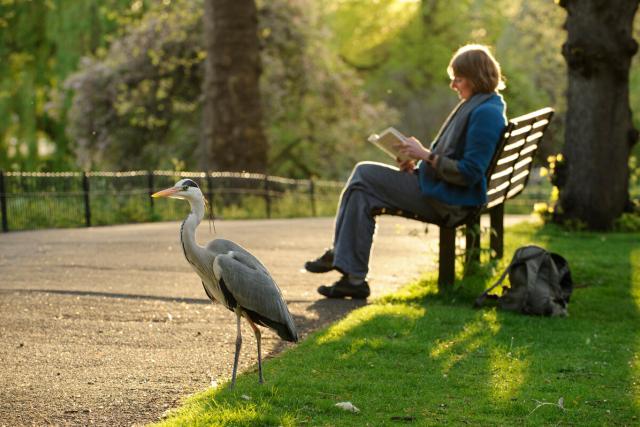
Being in nature for just 20 minutes a day is enough to improve our mental wellbeing. Nature can boost our mood, help us cope with stress, reduce anxiety and even raise our confidence. And the best part? It’s all free!
We think everyone deserves to get the benefits of a daily dose of nature. Whether you live in the countryside or in the city, nature can be found everywhere. From local parks, gardens, canals, or courtyards, it’s worthwhile seeking out natural spaces near you.
If you’re struggling to find a green area near you, why not try and bring nature to you. You could plant native herbs or flowers in your garden, balcony or windowsill, or introduce houseplants into your personal space.

2. Take positive action for nature
Taking part in social action for nature and climate can benefit our local communities, the planet, and oursevles. It can increase feelings of empathy, connectedness to our community, and our self-esteem.
So why not volunteer some of your time at a community garden, local conservation project, or even at something like a litter clean-up event. Alternatively, you can take action with WWF by raising funds, campaigning with us and more; there's plenty of ways to get involved.
3. Relaxation and mindfulness
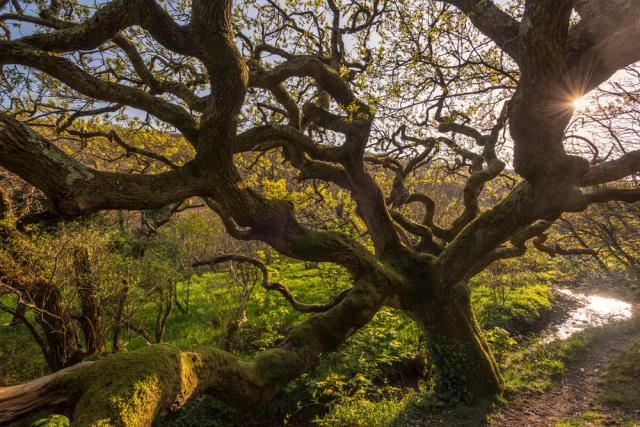
Taking time to reflect in natural surroundings can be really positive for your mental health and wellbeing. Shinrin-yoku is a Japanese phenomenon, also known as forest bathing. It’s all about spending time in a forest or woodland engaging your senses, which can help to ease negative feelings and boost positive ones. It doesn't have to be a forest though, you can try practicing mindfulness in any nature setting that you find peaceful and feel safe in.
If you’re not sure how to practice mindfulness, here’s a good place to start:
- Take your time to be aware of how you’re feeling and your surroundings.
- Think about what you can hear, smell, touch and see.
- Focus on what you’re doing in that moment, try to let other thoughts drift away.
4. Connecting with nature
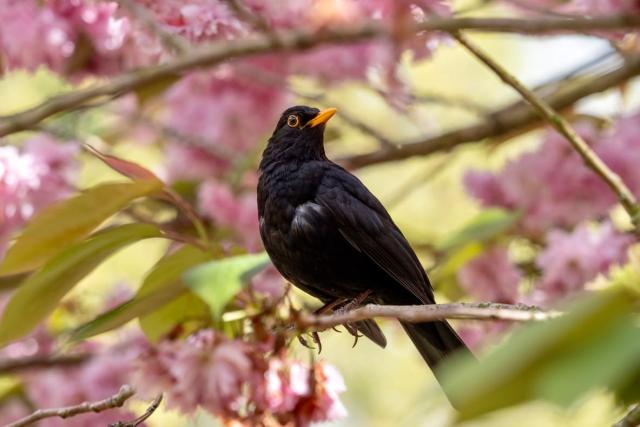
Feeling close and connected to wildlife can be beneficial for overall wellbeing. Even from your own home, look outside your window and see if you can spot any birds in the sky. If you can’t see them, listen for them instead. The more often you look, the more you will see!
From backyards to balconies and windowsills, anyone can access the joy of connecting with nature in their personal space. Growing plants and food at home offers more than visual delight - it’s a daily dose of nature offering calm, connection, and care - for ourselves and the ecosystem.
5. Wild inspiration
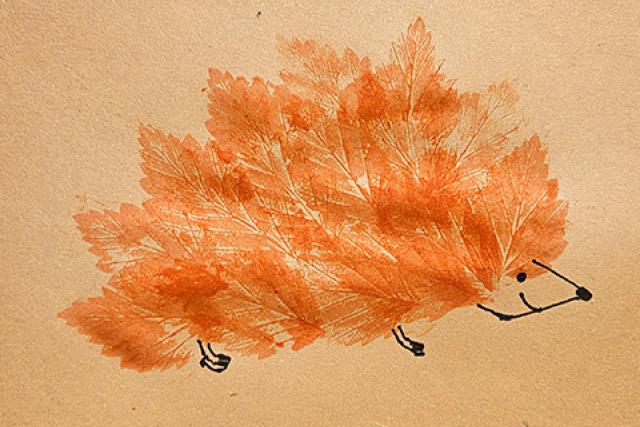
Nature can be great inspiration to get creative. This can be through painting, drawing, crafting, photography or writing – the possibilities are endless. Unleash your inner artist and creative self, and find focus in the detail.
More resources
-
 © David Williams / BIA / naturepl.com
Thriving with nature guide
MoreClose We partnered with the Mental Health Foundation to create a guide filled with tips and tools on how all of us can connect with nature and help us thrive.
-
 © Paul Rogers / WWF-UK
Your guide to a wild space for nature
MoreClose In this guide you’ll find three simple and fun ways you can transform any outdoor area into a thriving haven for wildlife – planting, sowing seeds or creating mini-meadows.
Whether you have a garden, a balcony or a community space, you can make a genuine, positive impact for the nature on your doorstep.
-
 © Mark Hamblin
Sounds of nature meditation playlist
MoreClose We've put together a playlist of nature sounds from around the world to help you relax.
/
Further Support
While interacting with nature can offer real benefits to our mental health and wellbeing, any of us may go through periods where we need support.
The Mental Health Foundation provide a list of services and other organisations that offer help and support directly to people with mental health problems, as well as tips for looking after your mental health.
If you are concerned that you are developing a mental health problem you should seek the advice and support of your GP as a matter of priority. If you are in distress and need immediate help and are unable to see a GP, you should visit your local A&E.